Tag: resilience

Walking Through the Shadows

Walking Through the Shadows

Facing Fear One Step at a Time


Fear doesn’t disappear just because we’ve healed, received a prosthesis, or reached a new milestone. Sometimes it’s still there when we try something unfamiliar, or return to something we used to do. This Halloween week, I’m talking about the fears that can hold us back and how we can begin moving through them, one step at a time.

I love Halloween, especially the creativity it gives me as an amputee. I’ve dressed as a leg lamp from A Christmas Story, a pirate, an IHOP sign, and Sally from The Nightmare Before Christmas. There’s humor in making a costume around something that might otherwise feel hard. That spirit of finding possibility in our circumstances connects with this week’s bigger question: What fear is lurking in your shadow?
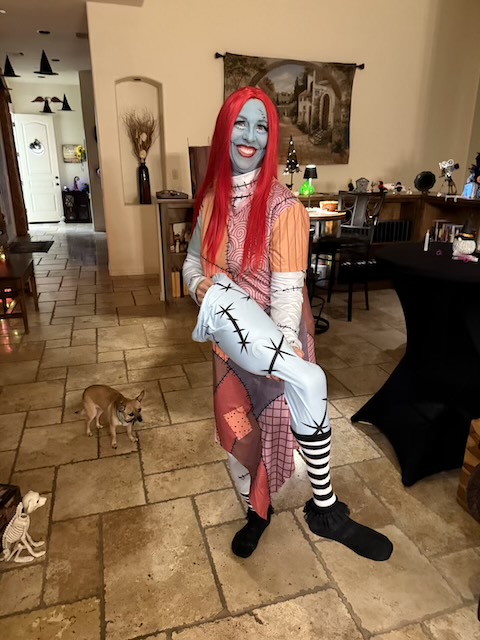
 

Sally for Nightmare Before Christmas
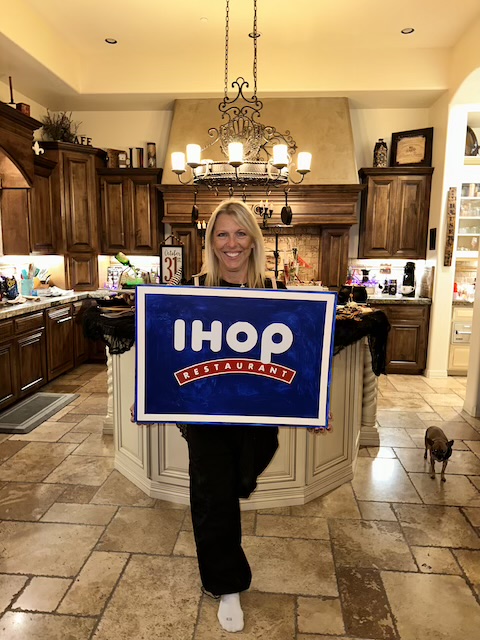
 

iHop sign
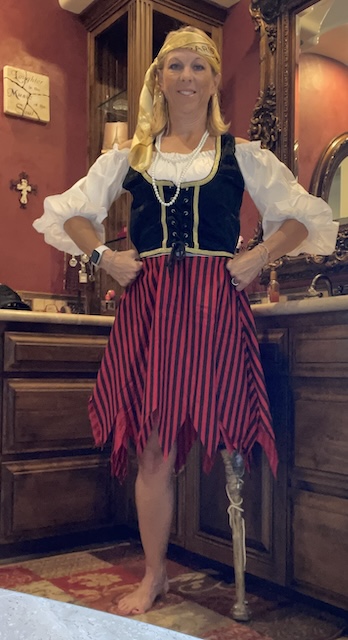
 

Gotta be a Pirate!


My recent fly-fishing trip gave me a vivid example. I was standing in rushing water, trying to find my footing on slick river rocks I could barely see. I was afraid of falling, getting soaked, and having the day become harder for everyone. I didn’t know exactly what the current or riverbed would be like. I had to take it slowly, focus on the next step, and lean on my guide for support. I stayed in the water for five hours, and I didn’t fall.
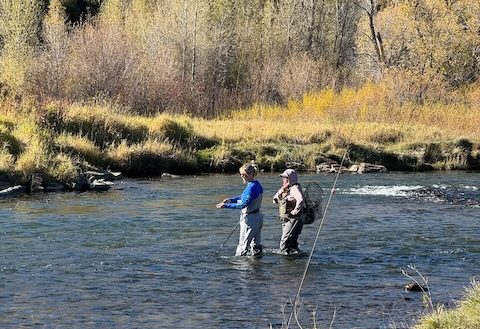


That experience reminded me that fear looks different for everyone. For a new amputee, it might be the fear of falling, phantom pain, or taking those first steps around the house. For someone else, it may be trying an activity they miss or facing a new challenge. Your fear doesn’t have to look big to matter. If it’s holding you back from something important to you, it deserves your attention.

In this episode, I share a few ways I work through fear: name the shadow, ask what I’m actually afraid of, and decide whether the goal is worth moving toward. Then I choose a manageable next step and accept support when I need it. Asking for help doesn’t take away from what you accomplish. Sometimes support is what helps you try something for the first time.

We don’t have to do everything at once. We can take one step, learn from it, and keep going. And when we look back, we may realize those small steps carried us farther than we thought possible.


What fear or “shadow” are you facing right now?

Name it, choose one small next step, and get after it this week!

Also, please share your Halloween costume with me in the comments. I’d love to see how you have overcome and made lemonade from lemons!

Let’s celebrate the courage it takes to keep showing up.

Have a spooky but safe Halloween,

And as always,

Be Healthy,

Be Happy,

Be YOU!!!


Much love,
Steady in the Current

Steady in the Current

Finding Balance When Life Keeps Moving


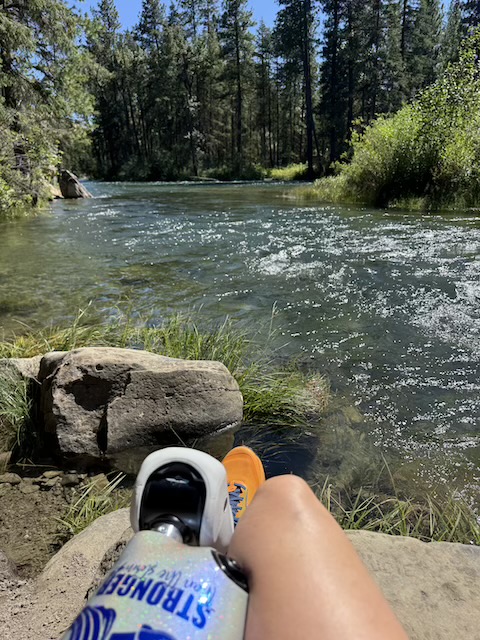
For my birthday, I went to Park City to fly fish with my family. I love being outdoors, but wading into a river as an above-knee amputee challenged me in ways I hadn’t expected. The current pushed against my prosthesis, the river rocks shifted underfoot, and every step required focus. I was trying to find stable footing, listen to my guide, learn to cast, and still enjoy the experience.

That day reminded me that balance isn’t always about standing perfectly still. Sometimes it means adjusting your footing as life moves around you. I found a spot where I could fish, then challenged myself to try a stronger current. The glare from the setting sun made it hard to focus, so I eventually chose to move back to a place where I could enjoy the experience again. I didn’t fail by adjusting. I listened to what was happening and responded.

Life can feel like that, too. A major change can leave us feeling stuck while the world around us keeps moving. We can’t always control the current, but we can pay attention to where we are, focus on what we can do, and take the next step with intention.


Learning to walk as my life changed. Building confidence and trust and being intentional with every step.


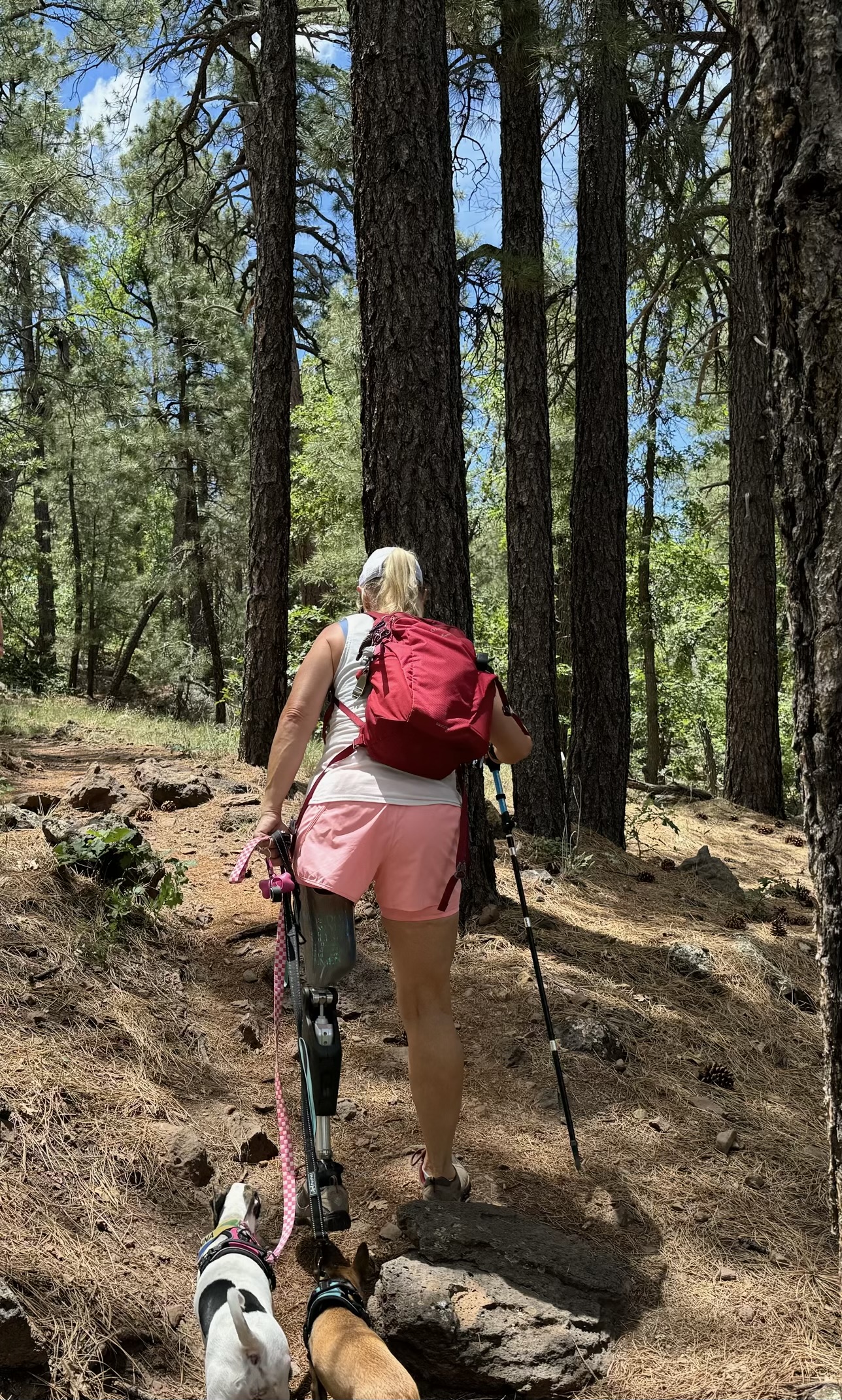
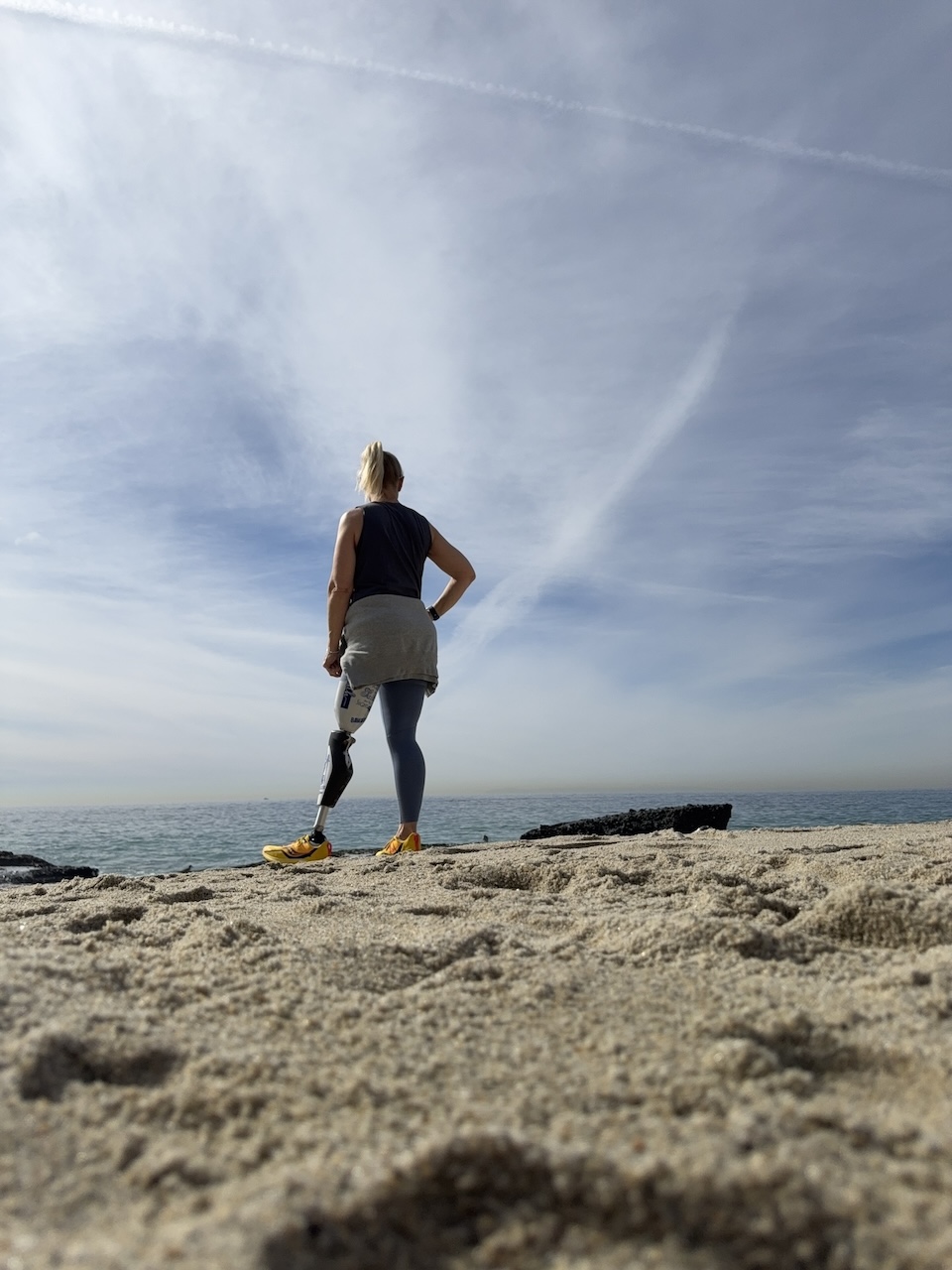
I think about my own early days learning to walk with a prosthesis. I started at home, near a wall. Then I walked in the courtyard, down the street, and eventually went hiking. I didn’t begin at the mountain. I built trust and confidence one step at a time. That kind of progress may feel small, but it can lead us somewhere we once thought was out of reach.

This experience also made me think about the mental load of change: how tiring it can be to plan every step, find your balance, and keep going when your footing feels uncertain. If that’s where you are, give yourself grace. You don’t need to have the whole path figured out today.


What’s changing in your life right now?

What’s one next step you can take with intention?

If you’re feeling stuck or need help figuring out how to adjust your path without giving up, reach out to me. I’d love to hear from you and be part of your journey.

Keep your eyes on where you want to go, Warriuor,  and take it step by step—even when life throws you into a raging current.

Hope this week brings balance thro9ugh changing currents and you make changes to your footing as you go, one step at a time.

And as always,

Be Healthy,

Be Happy,

Be YOU!!!


Much love,
The Road Forward May Look Different

The Road Forward May Look Different

Finding Hope Beyond the Pivot


Part Five of My Pivoting Series

In this final episode of my Pivoting series, I’m sharing the reminder I’ve had to learn again and again: the road forward may look different, but it can still be meaningful, beautiful, and full of possibility.

Life changes for all of us. We can make the best plans, prepare for every scenario, and still find ourselves facing a curveball we never saw coming. As an above-knee amputee, one of my biggest pivots was learning to live in a body that had changed forever. While people may see a smile, they do not always see the grief, fear, mental load, exhaustion, and rebuilding that live underneath it.

But pivoting is not quitting. I can still hold onto a goal while allowing the path to that goal to change.


Do some research to find a new way forward


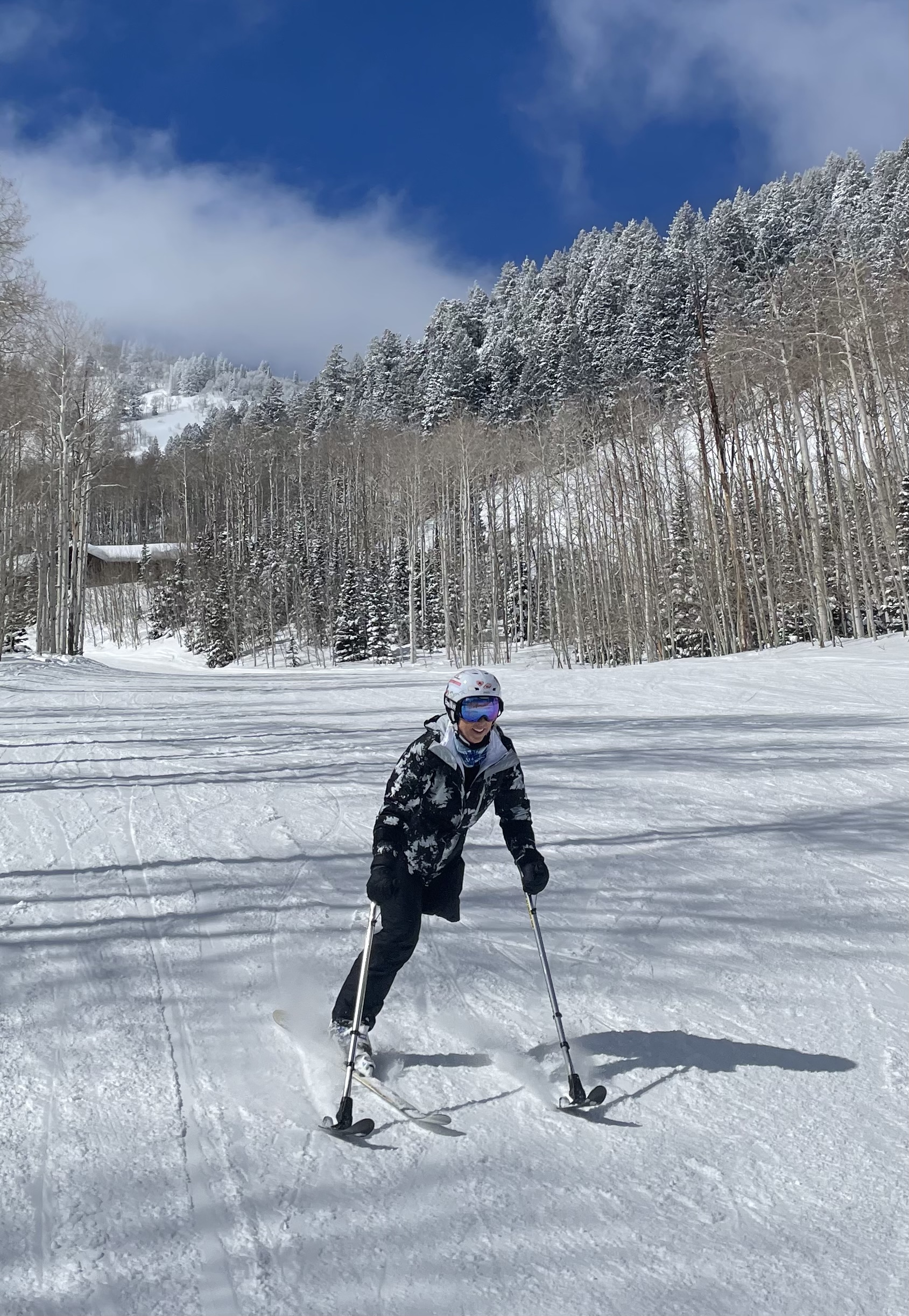
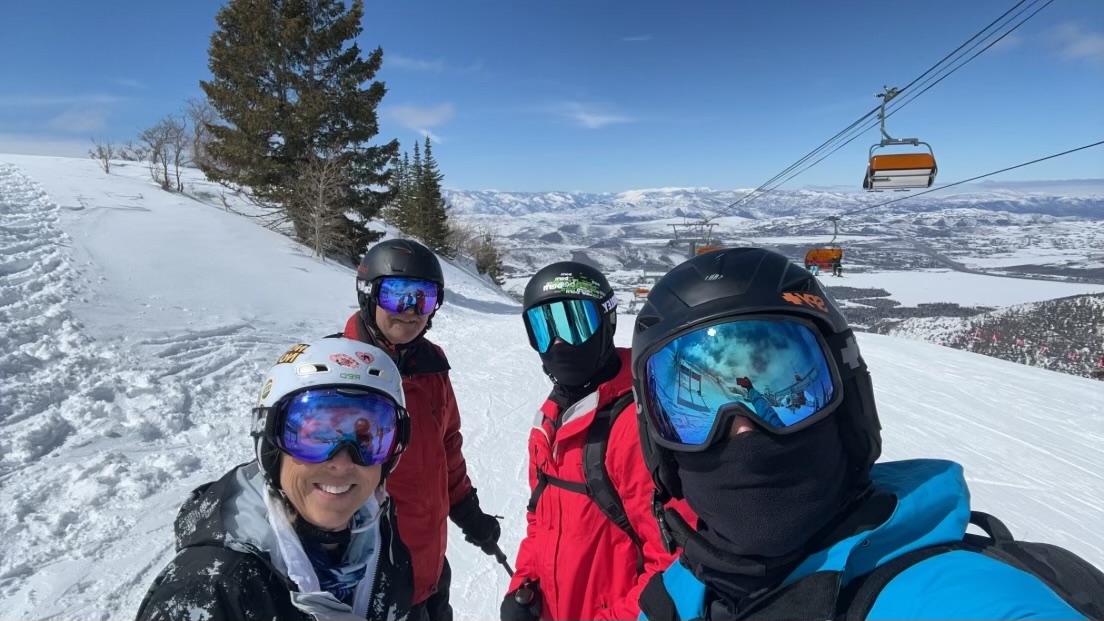
Skiing is one of the clearest examples in my own life. I had always imagined skiing more with my husband and family as we got older. After years of surgeries and then losing my leg, I wondered whether I would ever ski again. I had to grieve what I thought it would look like, learn a new way to do it with one leg and outriggers, rebuild my strength, and face a lot of fear. Yet standing at the top of a snowy mountain with my family again brought me to tears. The goal was still there, it just looked different.


Together again!


That is why I believe hope is not forced positivity. Hope does not deny that this chapter is hard. It is choosing to believe that hard does not mean meaningless. My faith has helped me trust that God can bring purpose from the parts of my story I never would have chosen.

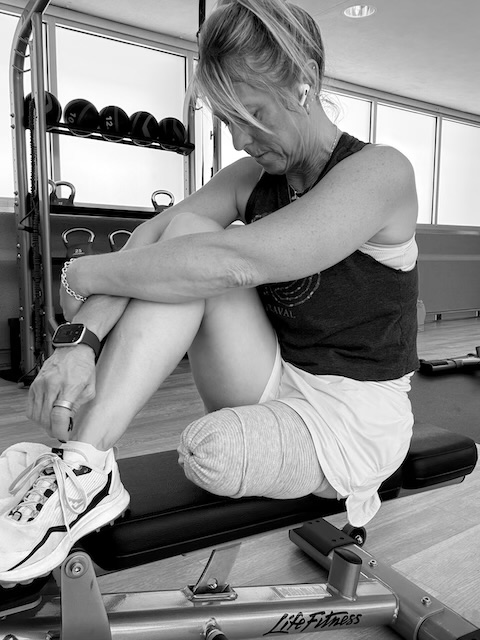
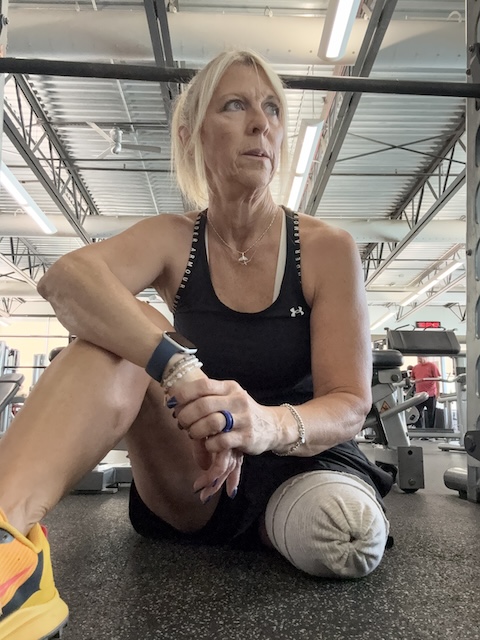
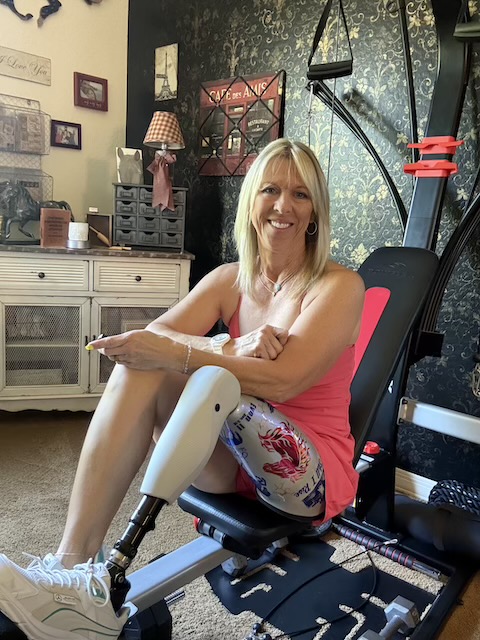
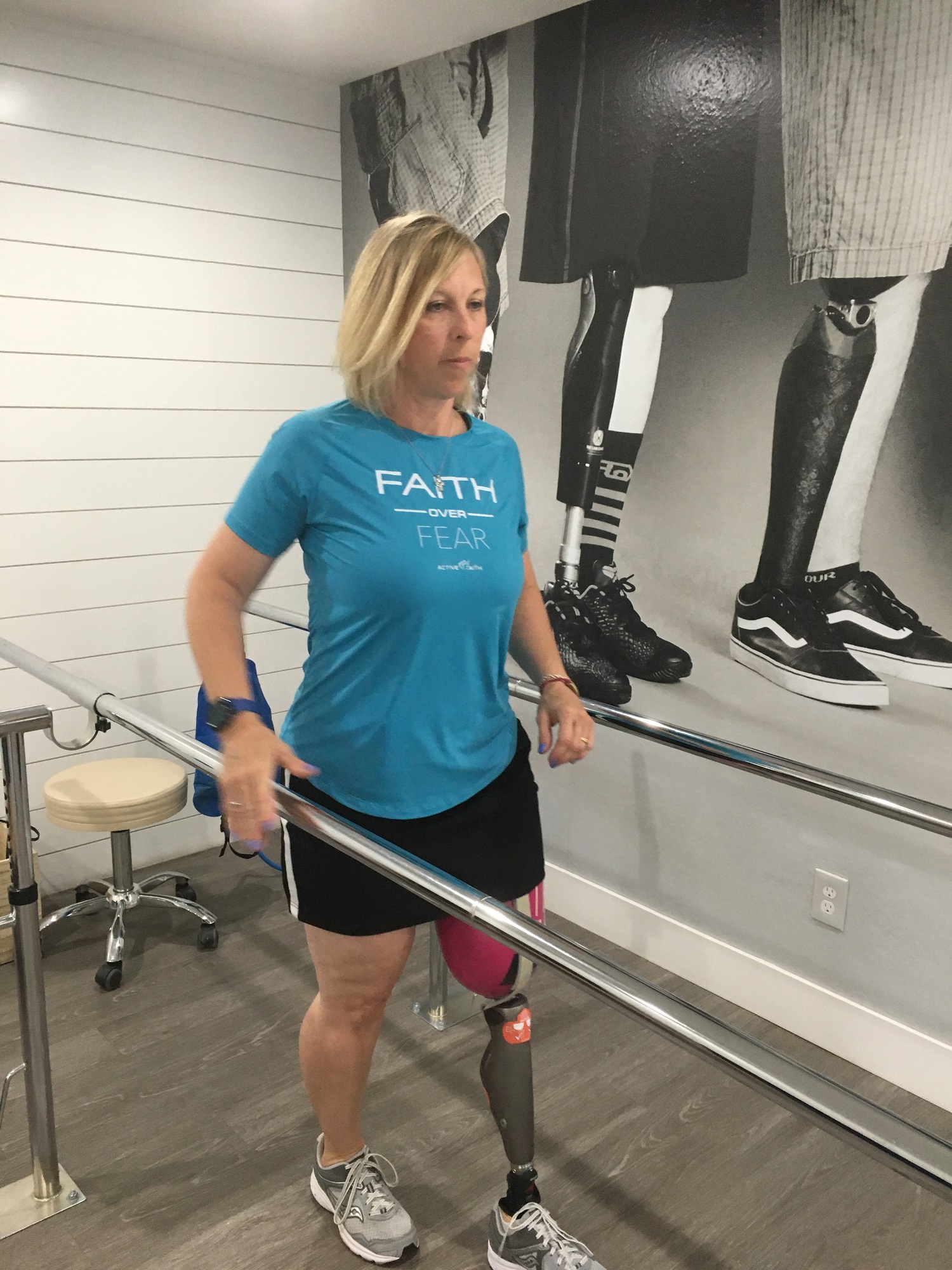
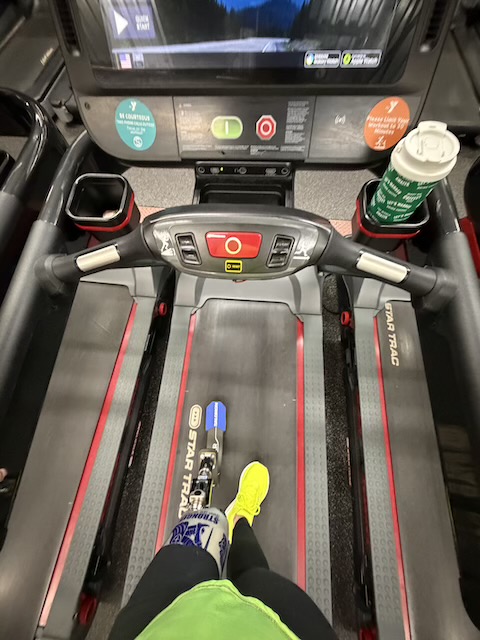
One of the biggest traps I had to overcome was comparing my old self to my new self—and comparing myself to other amputees. Whether it is watching someone run effortlessly on social media or remembering what I used to lift at the gym, comparison steals the joy of noticing what I am accomplishing today. I recently got on a treadmill with my new running blade, scared and holding tightly to the rails. It may not have looked graceful, but I faced a fear, showed up, and tried. That matters.


Facing fears but pushing through them.


Different does not mean less. Losing a limb does not make any of us less capable, less valuable, less beautiful, or less worthy of joy. We are more than our bodies and more than our parts.

Eight years into this journey, I can see that I did not have to understand the whole plan at the beginning. I only had to take the next right step. One step led to a 10K, skiing, this podcast, Warrior Ground, and a community of women who understand this journey. Your next step may be researching a new doctor, calling a PT, learning about adaptive sports, or simply choosing to believe there is more ahead for you.


Take a few minutes this week and ask yourself: What am I ready to leave behind? What dream am I ready to carry forward? And what is one next step I can take with hope?

Share your next step with me, and if this series encouraged you, please like, subscribe, share it with someone who needs it, and listen back to the first four episodes of Pivoting. Keep moving forward, Warrior.

And as always,

Be Healthy,

Be Happy,

Be YOU!!!

Much love,


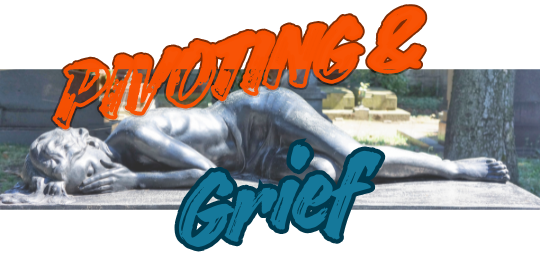
Pivoting and Grief

Pivoting and Grief

Honoring What Was, Before Reimagining What’s Next


What if moving forward requires us to first acknowledge what we have lost?

In Part Four of my five-part series on pivoting, I’m exploring a side of change that we don’t talk about enough: grief. We often celebrate the courage it takes to pivot, rebuild, and begin again, but every new direction may also require us to release the life, body, identity, or future we once imagined.

As I approach eight years since electing to amputate my leg, I’ve been asking myself whether I ever truly grieved my limb loss. Looking back, I realize much of my grieving happened during the four months between deciding to amputate and undergoing surgery. I cried, wrestled with my fears, and tried to understand how my future might change. When I finally released it to God, I felt a peace that helped me move forward.


Every amputee’s experience is different. Some of us have time to prepare, while others wake up after an accident or medical emergency and discover that their body has changed. There is no correct way or timeline for grieving.

Grief is not limited to death. We can grieve our independence, body image, physical abilities, relationships, identity, trust, or the path we thought our lives would follow. We can also be deeply grateful for our prosthesis, medical team, family, and progress while still grieving what was lost.


Grief does not make me ungrateful, and gratitude does not require me to pretend that nothing was lost.

When grief remains unacknowledged, it can surface as anger, resentment, emotional numbness, comparison, overworking, or constantly pushing through pain. I recognize my own tendency to connect my value with productivity. Sometimes staying busy feels easier than slowing down long enough to feel what is happening inside me.

I also share five steps for moving through a life-changing pivot: name what you lost, allow yourself to feel it, honor why it mattered, release the original shape of the dream, and reimagine what remains possible.


I may not ski exactly as I once imagined, but I found another way. I learned to ski on one leg with outriggers, and that reimagined future has brought courage and joy back into my life.


This week, name one thing you have been trying to move past. What changed? What do you miss? Why did it matter? Then ask yourself: How can I carry the heart of that dream forward in a new form?

Give yourself permission to grieve without judgment—but don’t stop there. Honor what was, release the path you expected, and begin reimagining what could still be possible. Share this episode with someone facing an unexpected change, and follow the BAWarrior Podcast as we continue learning how to rebuild on the other side of the pivot.


And as always,

Be Healthy,

Be Happy,

Be YOU!!!

Much love,
 

Prepare and Pivot

Prepare and Pivot

How to Adapt When Life, and Travel, Don’t Go as Planned


What do you do when you have prepared for everything, and life still throws you a curveball?

In this episode of BAWarrior Podcast, I’m continuing our Pivoting series with one of the most personal lessons I learned from international travel as an above-knee amputee: preparation matters, but adaptability is what carries us through the unexpected.

Travel after limb loss can feel overwhelming. There are prosthetic supplies to pack, accessibility to consider, energy to manage, socket fit changes, weather, long airport days, and the fear of being far from the things that make everyday life feel safe. On my recent trip to Paris, I had converters, a surge protector, and my prosthetic charging system ready, yet I still lost power and burned out my surge protector before I could charge my leg.

In that moment, I had a choice: panic and stay stuck, or pivot.

I share how I worked through the fear, asked for help, reached out to my prosthetist and prosthetic team, searched for local resources, and took the next step in front of me. That experience reminded me that confidence is not built by waiting until we have every answer. Confidence is built in the middle of the trial, when we learn that we can adjust, recover, and find another way.

We also talk about the energy budget behind adaptive travel and prosthetic life. Money may make a trip possible, but energy is a currency too. Airport delays, changing gates, standing in lines, carrying luggage, heat, humidity, fatigue, phantom pain, and the demands of walking with a prosthesis all add up. Choosing a wheelchair or asking for support before you hit your breaking point is not losing your independence—it is protecting it.

I also share the hard lesson my body taught me after returning home: recovery cannot be rushed. Sometimes the strongest pivot is slowing down before pain, exhaustion, or injury forces you to stop.


Before you go, I want you to name one thing fear has been keeping you from doing. It may be traveling, walking outside in your prosthesis, trying something new, asking for help, or giving yourself the recovery you truly need.

Prepare what you can, stay open to the pivot, and take one small step this week.

Confidence does not arrive before you begin, it grows as you keep going.

If this episode encouraged you, please share it with someone who needs the reminder that they can adapt, recover, and find another way.

Leave a comment and tell me: What is one fear you are ready to face with a little more flexibility and faith?

And as always, Warriors,

Be Healthy.

Be Happy.

Be YOU!!!

Much love,


The Power of the Pivot: A Five Part Series

The Power of the Pivot: A Five Part Series

When Your Body Changes the Plan


What if pulling back is not weakness, but the very thing that keeps you moving forward?

In this episode of BAWarrior Podcast, I’m opening a new five-part series called The Power of the Pivot. This first conversation is about one of the hardest pivots for me personally: when my body says, “I’m done,” even when my mind still wants to push ahead.

After returning home from international travel, I was ready to get back into my normal rhythm. I wanted to eat well, get back to the gym, move my body, and feel strong again. But after a simple walk in the Arizona heat and humidity, I experienced a deep, unfamiliar pain inside my residual limb. It was not phantom pain or skin irritation-it felt like a physical muscle injury, and it made every first step into my prosthesis painful.


The timing felt almost ironic. Just days later, I was headed to Boston for my one-year follow-up after my AMI revision with Dr. Carty, along with visits to my PT and the incredible researchers at MIT working on future prosthetic innovations. I was scared that I had damaged something significant. Instead, my appointment brought a possible silver lining: because my muscles are now working differently after AMI, I may have simply pulled a muscle after moving too quickly while my body was cooling down.

Even with that reassurance, I had to face a truth I do not always like: I needed to pivot.


For me, that meant stepping away from the gym, putting hikes and long walks on hold, and allowing myself to slow down. I do not pivot gracefully. I like momentum, routine, movement, and proving to myself that I can keep going. But this experience reminded me that strength is not always found in pushing harder. Sometimes strength is found in listening, adjusting, protecting what matters, and trusting that recovery is not the same thing as giving up.

As amputees, our bodies often communicate in whispers before they scream. We have to learn the difference between something we can work through and something that deserves attention, rest, or professional care. Our prosthesis is part of how we move through life, so protecting our residual limb and physical health is not weakness, it is wisdom.

Whether your pivot lasts a day, a week, or several months, it does not mean your goals are gone. It does not mean you have failed. It simply means your path needs a temporary adjustment. The momentum will return when your body is ready.


Take a moment this week to listen to your body. Is there something you have been trying to push through that may require a pivot? Give yourself permission to adjust without guilt. Share this episode with someone who needs the reminder that rest, recovery, and changing direction can be powerful parts of the warrior journey.


If you have to pivot this week, remember this is NOT failure but wisdom, when it comes to reaching your goals. Use your experiences and protect yourself from further injury. This way you’ll be ready to fight another day!


Rise up Warriors, and Pivot who you need to.

And as always,

Be Healthy,

Be Happy,

Be YOU!!!


Much love,
 

The Courage To Belong

The Courage To Belong

Feeling Alone After Amputation? Why Community Is Part of Healing


Have you ever felt completely alone—even while surrounded by people who love you?

For many amputees, loneliness isn’t about the absence of family or friends. It’s about carrying a journey that very few people truly understand. In this heartfelt episode of the BAWarrior Podcast, I share an honest conversation about isolation, fear, healing, and the courage it takes to build meaningful community.

Drawing from my own experiences and countless conversations with amputees, I explore why loneliness often becomes one of the greatest hidden challenges after limb loss. The mental load of navigating everyday life, the quiet nights when phantom pain and anxious thoughts seem the loudest, and how fear can slowly convince us that staying home feels safer than stepping back into the world are all a part of our journey.

But healing was never meant to happen in isolation.

Throughout the episode, I talk about how community becomes one of the most powerful tools in recovery. Whether it’s sharing your story, joining an amputee support group, striking up a conversation at the gym, or simply reaching out to one other person who understands your journey, every connection becomes another step toward healing. Remember that telling your story doesn’t make you weak, it helps release the weight you’ve been carrying while encouraging someone else who may feel just as alone.

This episode also explores the importance of boldness. Community doesn’t magically appear; someone has to take the first step. Whether that’s sending a text, attending a virtual support group, introducing yourself to another amputee, or simply saying hello to a neighbor, courage opens the door to belonging.

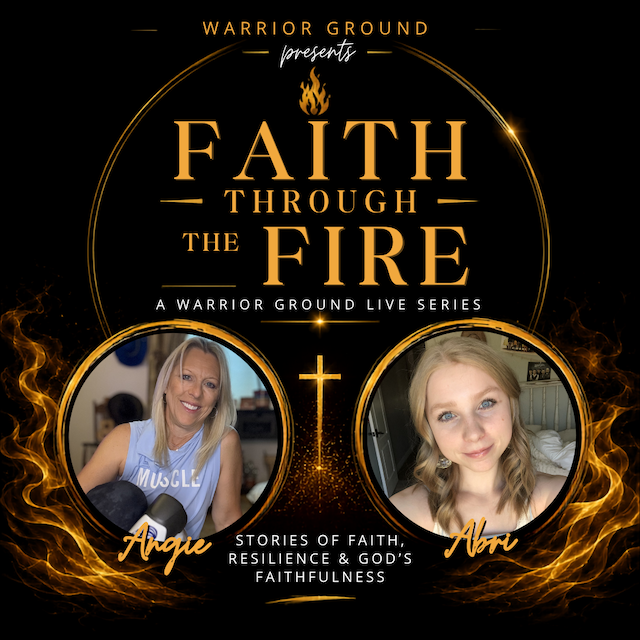
As I prepare to launch my new Faith Through the Fire series, I have been reflecting on how faith, resilience, and community often come together when we choose to move beyond fear. I want to encourage you to embrace this new chapter after amputation—not as the end of life, but as the beginning of a richer, more connected one.


If you’ve been struggling with loneliness after amputation, phantom pain, fear of falling, or simply wondering if anyone truly understands what you’re going through, this episode serves as a reminder that you are not alone. There is hope, there is healing, and there is a community waiting to welcome you.


This week, take one brave step.

Reach out to one person. Send one text. Join one support group. Attend one Zoom meeting. Introduce yourself to another amputee. Healing begins when isolation ends, and community starts with one courageous decision.

If you’re looking for connection, visit WarriorGround.org to learn more about the BAWarrior Podcast, Amped Women virtual gatherings, Warrior Circle, and other opportunities to connect with people who truly understand the amputee journey.


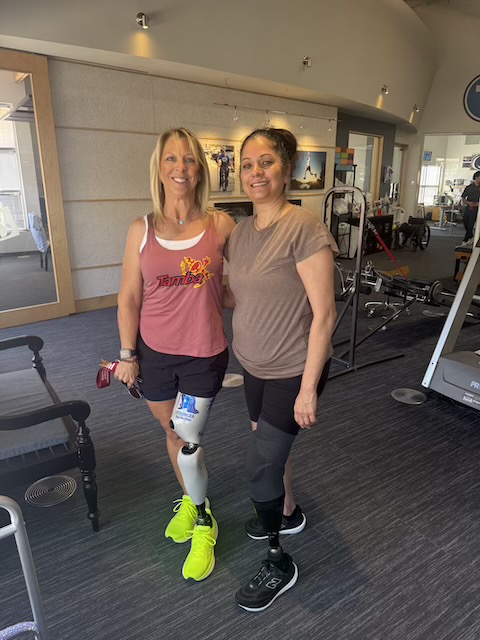
Connect with another amputee


Get outside, bring a friend


Surround yourself with those who want to see you succeed as much as they want to, and love you for who you are!


Remember: You don’t have to walk this journey alone.


Have a beautifully blessed week,

And as always,

Be Healthy,

Be Happy,

Be YOU!!!


Much love,


Phantom Pain: The Invisible Battle No One Sees

Phantom Pain: The Invisible Battle No One Sees

Understanding the Types, Triggers, and Coping Strategies


What if the most intense pain you’ve ever felt came from a part of your body that no longer exists?

As an above-knee amputee, phantom pain is one of the most difficult parts of my journey to explain. It’s invisible. It’s unpredictable. And unless you’ve experienced it yourself, it’s almost impossible to fully understand. Yet for many amputees, it becomes a reality we learn to navigate every day.


On this episode of the BAWarrior Podcast, I pull back the curtain on phantom pain and share my personal experience living with it over the last several years. From the constant burning and tingling sensations that feel like a foot trapped in a vice grip, to the sudden stabbing pains that can stop me in my tracks, phantom pain has taught me more about resilience than I ever expected.


I talk openly about what these sensations feel like, how they can affect daily life, and the emotional toll they can take when they strike unexpectedly. I also share my experience undergoing a revision surgery and AMI procedure at Massachusetts General Hospital, where surgeons discovered a foreign object near my femur that had been contributing to years of severe pain.

While there is no universal solution for phantom pain, I’ve learned that understanding potential triggers can make a difference. Poor socket fit, overuse, nerve irritation, stress, and even life circumstances can all influence how our bodies respond. Through years of trial and error, I’ve discovered that managing phantom pain often requires a combination of strategies rather than a single fix.

Most importantly, I share the mindset tools that have helped me endure some of my hardest moments. Deep breathing, movement, distraction techniques, mindfulness, and refusing to give pain control over my identity have become powerful parts of my personal toolbox. While pain may be part of my story, it does not get to write the ending.


If you’re an amputee struggling with phantom pain, I want you to know something I wish someone had told me during my darkest moments: it will not last forever. The pain comes and goes. The valleys are real, but so are the mountaintops. You are stronger than you realize, and you do not have to walk this journey alone.

I believe healing is about more than physical recovery. It’s about learning how to keep moving forward, even when the road feels impossible.


Join the Movement

If this story resonates with you, I invite you to become part of our growing Warrior community. Subscribe to the BAWarrior Podcast, connect with us through Warrior Ground, join our conversations, and discover the strength that comes from walking alongside others who truly understand the journey.

Together, we heal. Together, we grow. Together, we rise.

Because being a warrior isn’t about never feeling pain—it’s about refusing to let pain define who you are.

You are strong, dear Warrior, and you are worthy.

Have a blessed week, and as always,

Be Healthy,

Be Happy,

Be YOU!!!


Much love,
 

7 Lessons From 7 Years of Limb Loss

7 Lessons From 7 Years of Limb Loss

What I Wish Every New Amputee Knew


Seven years ago, I made one of the hardest decisions of my life: to amputate my leg. Looking back now, I can honestly say that journey has taught me more about life, resilience, and myself than I ever could have imagined.

In this episode, I share seven of the biggest lessons I’ve learned through seven years of living as an above-knee amputee. These lessons aren’t just about limb loss, they’re about navigating life’s unexpected challenges, embracing change, and discovering strength you didn’t know you had.

One of the first things I learned is that life is incredibly uncertain. None of us know what tomorrow holds. I certainly never imagined that a martial arts injury would eventually lead to amputation. Yet even in the uncertainty, I’ve learned that life is still beautiful and worth embracing. Every day we wake up with breath in our lungs is an opportunity to live fully, regardless of our circumstances.


I also talk about change and why fighting it often creates more suffering than the change itself. As amputees, change becomes a constant companion. New sockets, new challenges, new routines, and new versions of ourselves. While change can be uncomfortable, it can also open doors to experiences, relationships, and opportunities we never would have discovered otherwise.

Another lesson that stands out is realizing just how strong we really are. Not physically, although that comes too, but mentally and emotionally. Strength isn’t built on easy days. It’s forged through setbacks, disappointments, pain, and the choice to keep moving forward anyway. Like a diamond formed under pressure, adversity has a way of shaping us into something stronger than we thought possible.


I also share why learning to appreciate the good days matters so much. Living with limb loss means navigating physical challenges, phantom pain, socket issues, and countless ups and downs. The difficult days teach us to cherish the ordinary ones. They remind us not to take comfort, mobility, or peace for granted.

Perhaps one of the most important lessons is this: don’t do it alone. Finding community has been one of the greatest gifts of my journey. Whether through my Amped Women chats, fellow amputees, or supportive friends and family, connection matters. We were never meant to carry life’s challenges by ourselves.


Finally, I talk about friendships, mindset, and embracing the roller coaster that is amputee life. The road isn’t always easy, but it can still be meaningful, beautiful, and full of purpose.

My hope is that whether you’re a new amputee, a caregiver, or simply facing a challenge of your own, you’ll walk away encouraged. Life may not look the way we planned, but that doesn’t mean it can’t be extraordinary.

Mindset matters. Give yourself grace. Find your people. And remember—you are stronger than you think.


What’s one lesson your journey has taught you?

Whether you’re an amputee, caregiver, or someone navigating a challenge of your own, I’d love to hear from you. Share your biggest lesson in the comments, reply to this post, or connect with me through Warrior Ground.

And if you’re walking the limb loss journey, don’t do it alone. Join our community and discover the power of connecting with people who truly understand.

Join the Warrior Ground community and stay connected → HERE


And as always,

Be Healthy,

Be Happy,

Be YOU!!!


Much love,


The Warrior Movement Begins Here

The Warrior Movement Begins Here

Join the Warrior Effect-Get Involved Today


What if one story had the power to help someone walk again?

After seven powerful weeks of interviews during Limb Loss and Limb Difference Awareness Month, this episode of BAWarrior podcast becomes more than a reflection-it becomes a movement.

In this heartfelt finale to the “Survivors to Warriors” series, I take listeners back through the incredible stories shared throughout the past seven weeks. These were not just interviews about limb loss. They were deeply personal conversations about fear, trauma, cancer, grief, PTSD, faith, family, resilience, and the decision to keep moving forward when life changes forever.

From children facing amputation at a young age to young adults rebuilding their confidence and independence, every guest brought honesty and courage to the table. While each story was unique, one thing tied them all together: resilience. Warriors are not born-they are built through impossible moments, painful setbacks, and the daily choice to rise again.
As an above-knee amputee myself, I share openly about how some days I feel strong and empowered, while other days limb loss completely knocks me down. That reality is something many amputees understand deeply. But what inspired me most about these guests was watching people so young choose courage, faith, and perseverance despite everything they had faced.

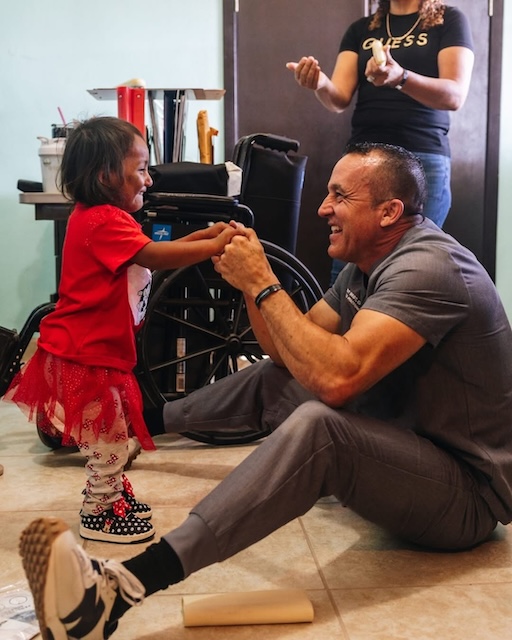
This episode introduces what I call The Warrior Effect-the ripple effect created when one person’s story, kindness, or support helps change someone else’s life. When someone shares their story, another person feels less alone. When someone donates to organizations like Limbs For Humanity, another person gains the opportunity to walk again. When companies like Stride Robotics innovate and create more affordable, lightweight prosthetic technology, they help restore independence, dignity, and hope to amputees around the world.

Co-Founder, Randy West, of Limbs For Humanity with one of their youngest patients


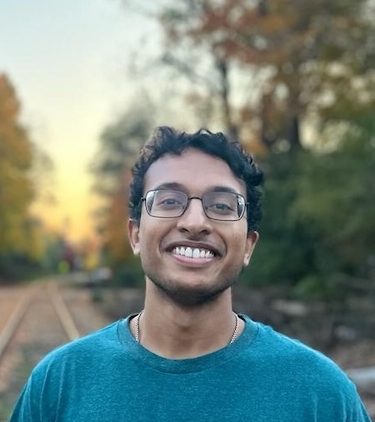
Co-Founder and CEO, Revanth Damerla, Stride Robotics


Throughout this episode, I discuss why mobility is about far more than simply walking. Mobility impacts emotional health, confidence, mental well-being, freedom, and quality of life. I share the mission behind Limbs For Humanity and their efforts to provide prosthetic care and mobility to underserved communities globally. I also highlight the groundbreaking work Stride Robotics is doing to create lightweight, waterproof powered prosthetics designed with real amputees and real-world accessibility in mind.

But this episode is not meant to simply inspire listeners for a moment before moving on. It is a call to action.


The time to act is now!

I challenge listeners to become part of the movement by supporting the limb loss community in whatever way they can. Whether that means volunteering, fundraising, donating, becoming an ambassador, spreading awareness, investing in adaptive innovation, or simply listening and learning-everyone has a role to play.

I also introduce the new ambassador program for Limbs For Humanity, encouraging listeners across all fifty states to help spread awareness and become part of something bigger than themselves. This movement is not about competition between nonprofits or organizations. It is about collaboration, compassion, and filling the gaps for communities that are underserved and often forgotten.

*Become an Ambassador for Limbs For Humanity here

*Find ways to help bring nobility to those without access here

*Or check out how to become a part of the innovative side with Stride Robotics here

This powerful finale reminds listeners that healing and resilience grow stronger when people come together. The “Survivors to Warriors” series may be ending, but the mission is only beginning.

The Warrior Effect is real-and now it’s your turn to become part of it.

Have a beautifully, blessed week and as always,

Be Healthy,

Be Happy,

Be YOU!!!


Much love,