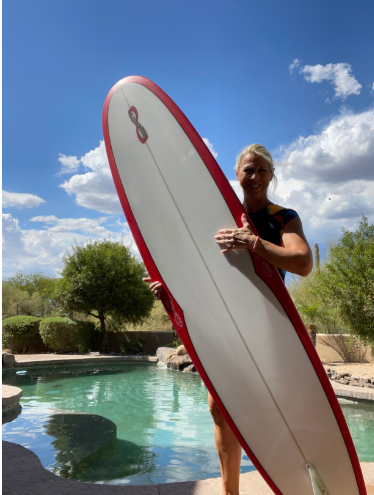
Category: Adaptive Wellness

Pivoting and Grief

Pivoting and Grief

Honoring What Was, Before Reimagining What’s Next
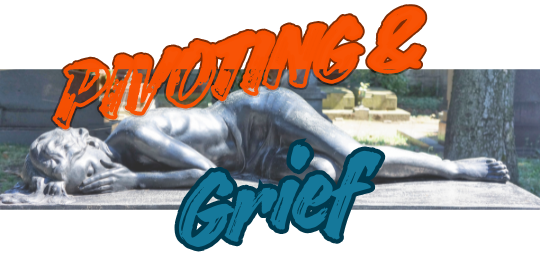
 

What if moving forward requires us to first acknowledge what we have lost?

In Part Four of my five-part series on pivoting, I’m exploring a side of change that we don’t talk about enough: grief. We often celebrate the courage it takes to pivot, rebuild, and begin again, but every new direction may also require us to release the life, body, identity, or future we once imagined.

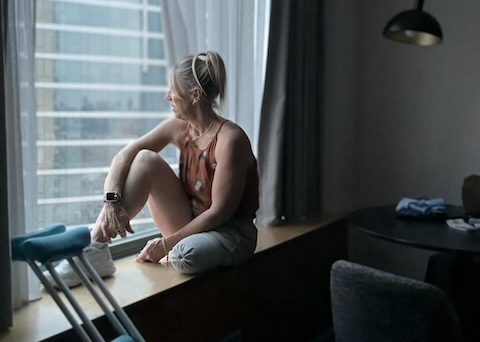
As I approach eight years since electing to amputate my leg, I’ve been asking myself whether I ever truly grieved my limb loss. Looking back, I realize much of my grieving happened during the four months between deciding to amputate and undergoing surgery. I cried, wrestled with my fears, and tried to understand how my future might change. When I finally released it to God, I felt a peace that helped me move forward.
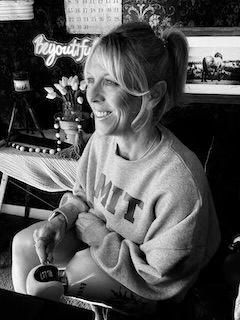


Every amputee’s experience is different. Some of us have time to prepare, while others wake up after an accident or medical emergency and discover that their body has changed. There is no correct way or timeline for grieving.

Grief is not limited to death. We can grieve our independence, body image, physical abilities, relationships, identity, trust, or the path we thought our lives would follow. We can also be deeply grateful for our prosthesis, medical team, family, and progress while still grieving what was lost.
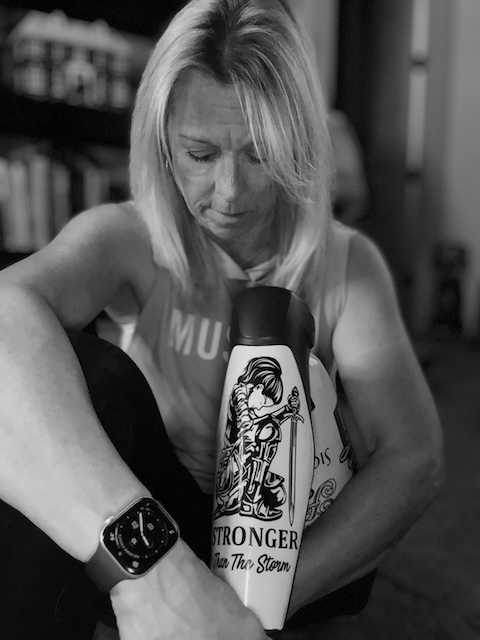
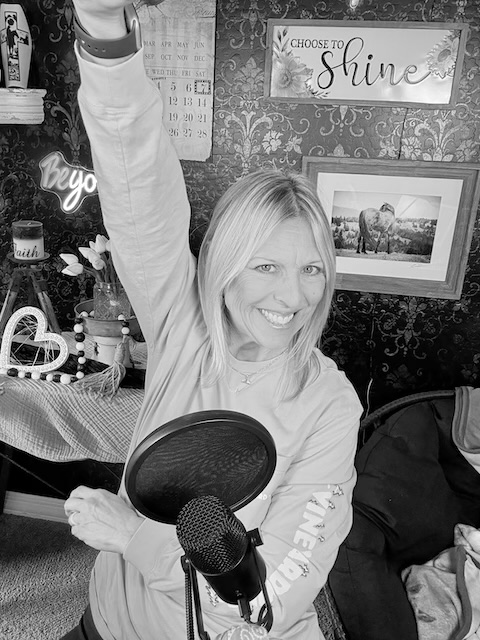


Grief does not make me ungrateful, and gratitude does not require me to pretend that nothing was lost.

When grief remains unacknowledged, it can surface as anger, resentment, emotional numbness, comparison, overworking, or constantly pushing through pain. I recognize my own tendency to connect my value with productivity. Sometimes staying busy feels easier than slowing down long enough to feel what is happening inside me.

I also share five steps for moving through a life-changing pivot: name what you lost, allow yourself to feel it, honor why it mattered, release the original shape of the dream, and reimagine what remains possible.
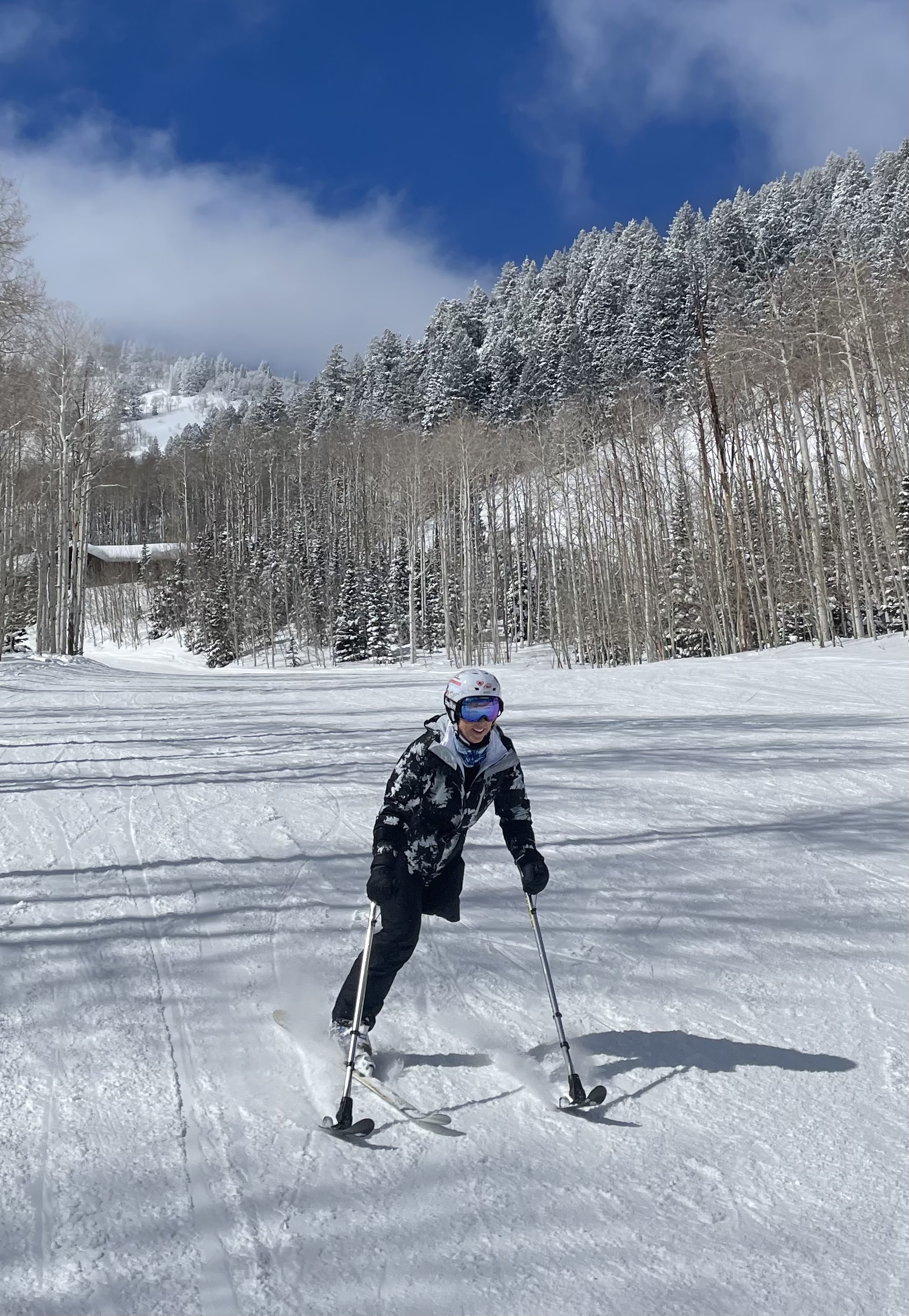


I may not ski exactly as I once imagined, but I found another way. I learned to ski on one leg with outriggers, and that reimagined future has brought courage and joy back into my life.


This week, name one thing you have been trying to move past. What changed? What do you miss? Why did it matter? Then ask yourself: How can I carry the heart of that dream forward in a new form?

Give yourself permission to grieve without judgment—but don’t stop there. Honor what was, release the path you expected, and begin reimagining what could still be possible. Share this episode with someone facing an unexpected change, and follow the BAWarrior Podcast as we continue learning how to rebuild on the other side of the pivot.


And as always,

Be Healthy,

Be Happy,

Be YOU!!!

Much love,

 

Adaptive Fitness Without Burnout

Adaptive Fitness Without Burnout

Learning When to Push and When to Recover


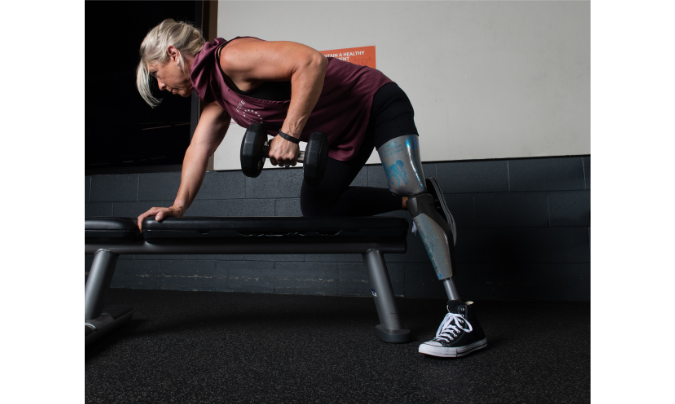
Have you ever started making progress with your fitness, only to be stopped by skin irritation, socket discomfort, phantom pain, fatigue, or an injury? As an above-knee amputee who loves working out, hiking, skiing, and staying active, I understand how frustrating it can feel when your body suddenly forces you to pull back.


In this episode of the BAWarrior Podcast, I’m talking about how we can pursue adaptive fitness without burning ourselves out physically or mentally.

As amputees, our journey is rarely a straight line. It often feels like two steps forward and one step back. We may receive a new prosthesis, begin walking confidently, and think everything is finally falling into place, only to experience discomfort, skin breakdown, pain, swelling, or a change in socket fit. These setbacks do not mean we have failed. They are part of learning how to live, move, and grow in a body that continues to change.

Burnout is not always caused by a lack of motivation. Sometimes it comes from the physical demands of walking with a prosthesis, protecting our sound limb, managing phantom sensations, and constantly thinking through every movement. The mental load of being an amputee is real. Curbs, ramps, stairs, uneven ground, exercise machines, and even getting onto a bicycle can require additional thought and energy.


That is why recovery must be considered part of training.

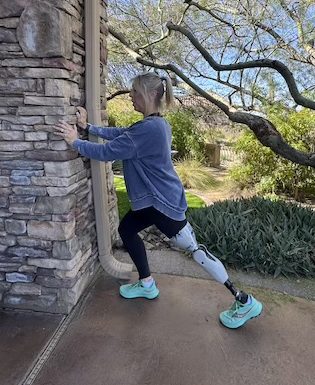
In this conversation, I share the importance of sleep, hydration, nutrition, stretching, rest days, and regularly checking the skin on our residual limb. I also discuss the danger of comparing ourselves to people on social media. Our progress should not be measured against someone else’s body, abilities, or journey. The better questions are: Am I stronger than I was yesterday? Is my balance improving? Am I walking with more confidence? Is everyday life becoming easier?

Adaptive fitness should support our independence. It can begin with practical movements such as standing longer, carrying groceries, getting up from the floor, playing with children or pets, or walking around the house with greater intention. These small accomplishments build confidence, momentum, and a positive mental attitude.


I also talk honestly about respecting our prosthesis. Some days the fit will feel great, and other days it will not. Heat, sweat, swelling, weight fluctuations, and activity levels can all affect how our socket feels. Listening to those warning signs is not weakness. Pulling back when necessary may prevent an injury or wound that could keep us out of our prosthesis for weeks.


My challenge to you this week is simple: choose one positive, adaptive goal. Take a few more steps, practice your balance, stand a little longer, or give yourself the recovery day your body needs.

The goal is not to prove how hard you can push today. The goal is to build the strength, wisdom, and confidence to keep moving forward for years to come.

Move forward, Warriors, even if that means that today you rest! Tomorrow is a new day, rest and rise up with even more conviction!

Have a beautiful week, and as always,

Be Healthy,

Be Happy,

Be YOU!!!


Much love,