Category: Amputee Life

Beyond the Socket: How Bionic Skins Is Changing Prosthetic Comfort

Beyond the Socket: How Bionic Skins Is Changing Prosthetic Comfort

Where Science, Innovation, and Personalized Prosthetics Meet

to Give Amputees Their Freedom Back


What if the biggest breakthrough in prosthetic technology isn’t a new knee, ankle, or robotic foot, but something much closer to our bodies, the socket itself?

As an above-knee amputee approaching eight years on this journey, I can tell you firsthand that the most advanced prosthetic leg in the world means nothing if your socket doesn’t fit comfortably. Pain, frustration, skin issues, and the constant mental load can turn an ordinary day into an exhausting battle.

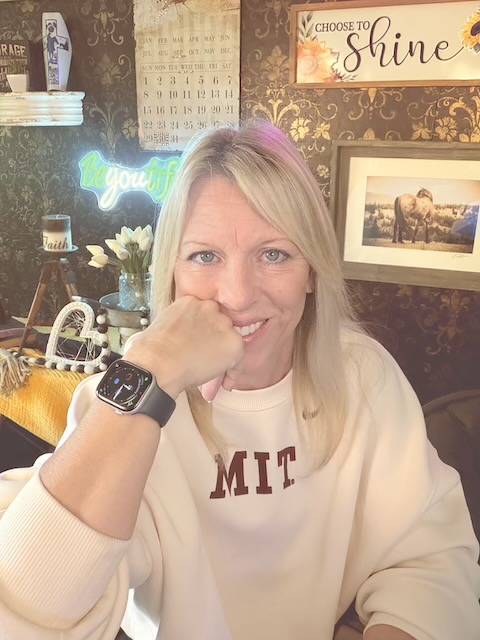
This week on the BAWarrior Podcast, I’m welcoming back Eric and Devin from Bionic Skins, a Massachusetts-based prosthetics technology company with roots in MIT’s research labs and the work of Hugh Herr. Their mission? To bring more science, precision, and personalization into prosthetic socket design.

And what they’re developing could change how amputees experience mobility.

Dr. Hugh Herr, MIT Professor of Media Arts and Sciences; Thomas D and Virgina W. Cabot Professor
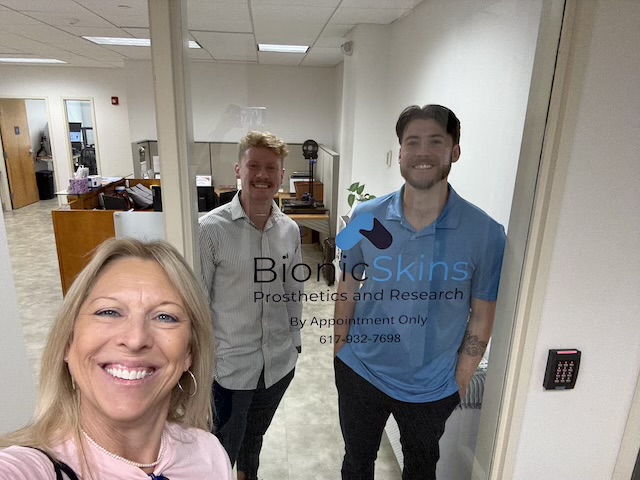
 

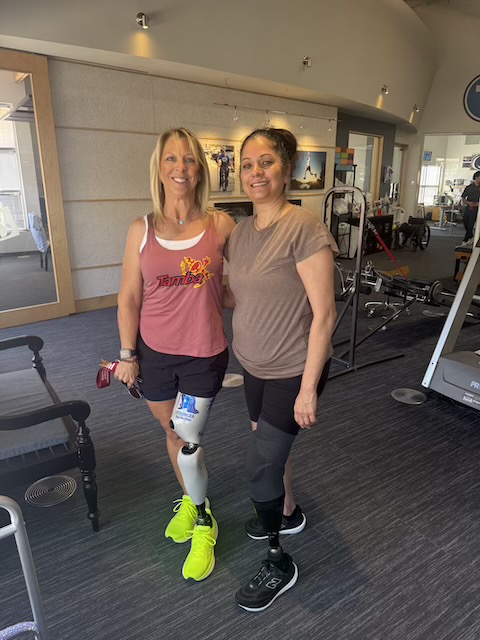
My visit to Bionic Skins with Eric (L) and Devin (R)


Taking Prosthetic Fit From the Outside In, or Rather, the Inside Out!

Traditional socket fitting often relies on casting the outside of a residual limb. Bionic Skins takes a different approach, using CT imaging, advanced computer simulations, and 3D printing to understand what’s happening beneath the skin.

By examining bone structure, soft tissue, and pressure distribution, they’re developing individualized socket and liner interfaces designed to improve comfort and reduce problematic pressure points.

We discuss why this matters, especially for amputees who have struggled through countless socket adjustments without finding lasting relief.
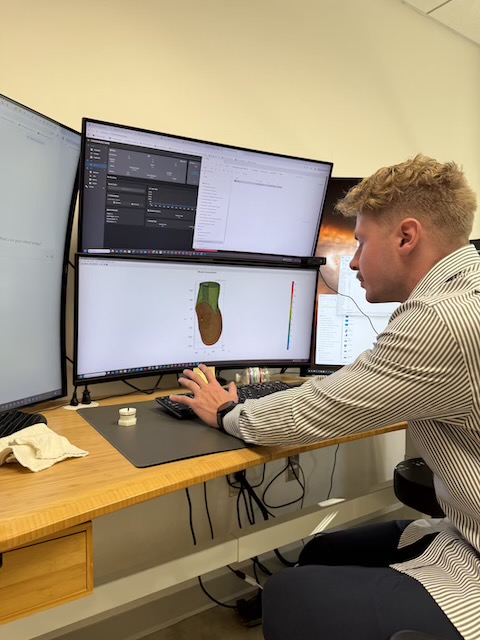
 

The science of it and how Eric uses scans and metrics to create the specialized fit for each patient.


Bringing Technology to Amputees Nationwide

One of the most exciting developments is Bionic Skins’ nationwide ordering portal.

You no longer have to travel to Massachusetts to explore their technology!

Through this program, below-knee amputees can work with their existing prosthetist, who can collaborate with Bionic Skins to create a personalized socket interface.

We also discuss their plans to expand into above-knee prosthetics, a development I’m personally excited to follow!

The Future of Prosthetic Innovation

Our conversation goes beyond socket comfort. We explore advances in suspension systems, individualized soft-tissue modeling, and the concept of digital memory, which allows Bionic Skins to retain fitting information as an amputee’s residual limb changes.

We also dive into their collaboration with MuscleMetrics and early-stage research involving magnetic implants that may eventually allow prosthetic ankles to respond more naturally to muscle movement.

Imagine reducing the constant mental calculations involved in walking, navigating stairs, or stepping off a curb.

That’s the future we’re discussing.

But what touched me most were the stories of amputees whose lives changed when they finally experienced greater comfort. From a mother who regained mobility and independence to a longtime amputee who discovered a different level of fit after decades of searching, these stories remind us why innovation matters.

Because prosthetic comfort isn’t simply about walking. It’s about having the freedom, confidence, and energy to live life amplified.


If you’re an amputee struggling with socket comfort, don’t stop asking questions or exploring your options. Visit Bionic Skins to learn more about their technology and how you or your prosthetist can start a conversation.

And if this episode resonates with you, please share it with another amputee, prosthetist, or someone passionate about adaptive technology.

Together, we can advocate for innovations that help us move beyond simply getting through the day and toward truly living.

And as always,

Be Healthy,

Be Happy,

Be YOU!!!


Much Love,
 

Walking Through the Shadows

Walking Through the Shadows

Facing Fear One Step at a Time


Fear doesn’t disappear just because we’ve healed, received a prosthesis, or reached a new milestone. Sometimes it’s still there when we try something unfamiliar, or return to something we used to do. This Halloween week, I’m talking about the fears that can hold us back and how we can begin moving through them, one step at a time.

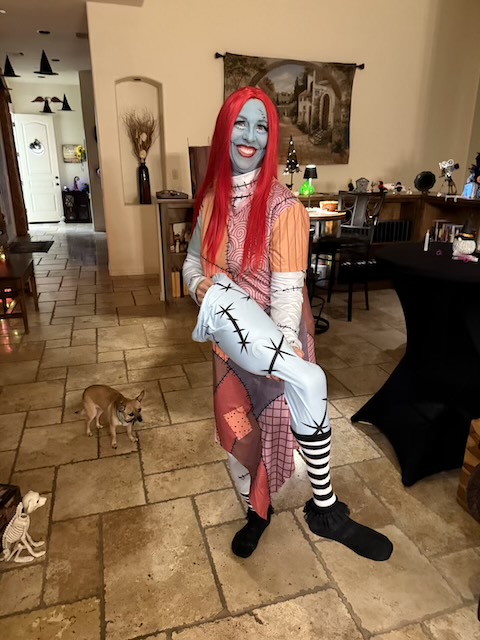
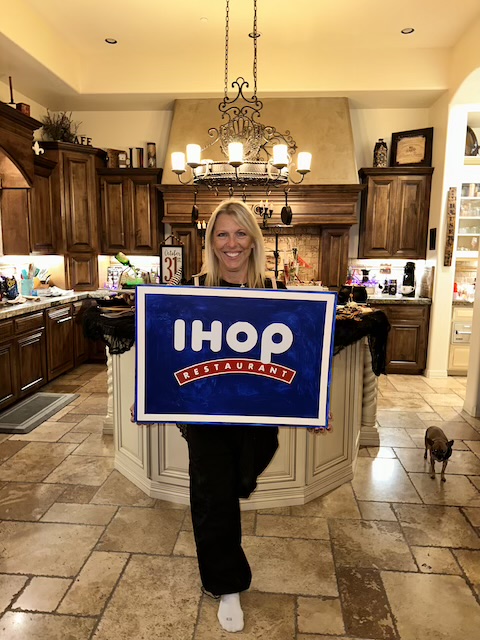
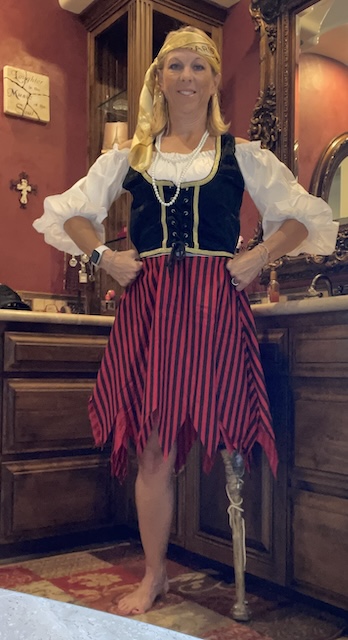
I love Halloween, especially the creativity it gives me as an amputee. I’ve dressed as a leg lamp from A Christmas Story, a pirate, an IHOP sign, and Sally from The Nightmare Before Christmas. There’s humor in making a costume around something that might otherwise feel hard. That spirit of finding possibility in our circumstances connects with this week’s bigger question: What fear is lurking in your shadow?


Sally for Nightmare Before Christmas


iHop sign


Gotta be a Pirate!


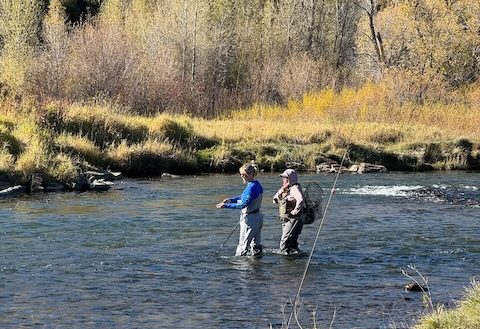
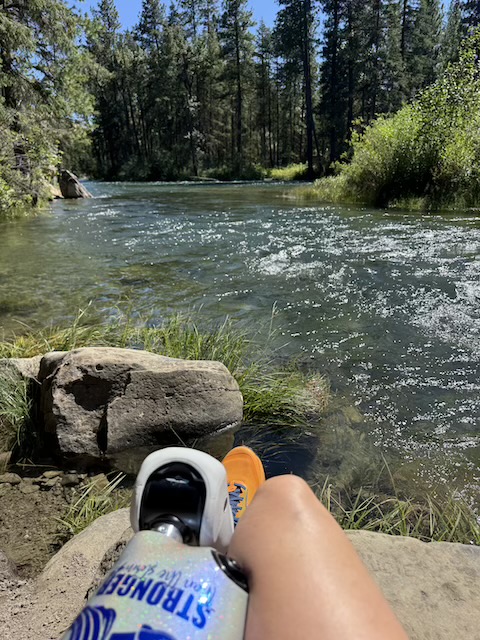
My recent fly-fishing trip gave me a vivid example. I was standing in rushing water, trying to find my footing on slick river rocks I could barely see. I was afraid of falling, getting soaked, and having the day become harder for everyone. I didn’t know exactly what the current or riverbed would be like. I had to take it slowly, focus on the next step, and lean on my guide for support. I stayed in the water for five hours, and I didn’t fall.


That experience reminded me that fear looks different for everyone. For a new amputee, it might be the fear of falling, phantom pain, or taking those first steps around the house. For someone else, it may be trying an activity they miss or facing a new challenge. Your fear doesn’t have to look big to matter. If it’s holding you back from something important to you, it deserves your attention.

In this episode, I share a few ways I work through fear: name the shadow, ask what I’m actually afraid of, and decide whether the goal is worth moving toward. Then I choose a manageable next step and accept support when I need it. Asking for help doesn’t take away from what you accomplish. Sometimes support is what helps you try something for the first time.

We don’t have to do everything at once. We can take one step, learn from it, and keep going. And when we look back, we may realize those small steps carried us farther than we thought possible.


What fear or “shadow” are you facing right now?

Name it, choose one small next step, and get after it this week!

Also, please share your Halloween costume with me in the comments. I’d love to see how you have overcome and made lemonade from lemons!

Let’s celebrate the courage it takes to keep showing up.

Have a spooky but safe Halloween,

And as always,

Be Healthy,

Be Happy,

Be YOU!!!


Much love,
The Road Forward May Look Different

The Road Forward May Look Different

Finding Hope Beyond the Pivot


Part Five of My Pivoting Series

In this final episode of my Pivoting series, I’m sharing the reminder I’ve had to learn again and again: the road forward may look different, but it can still be meaningful, beautiful, and full of possibility.

Life changes for all of us. We can make the best plans, prepare for every scenario, and still find ourselves facing a curveball we never saw coming. As an above-knee amputee, one of my biggest pivots was learning to live in a body that had changed forever. While people may see a smile, they do not always see the grief, fear, mental load, exhaustion, and rebuilding that live underneath it.

But pivoting is not quitting. I can still hold onto a goal while allowing the path to that goal to change.


Do some research to find a new way forward


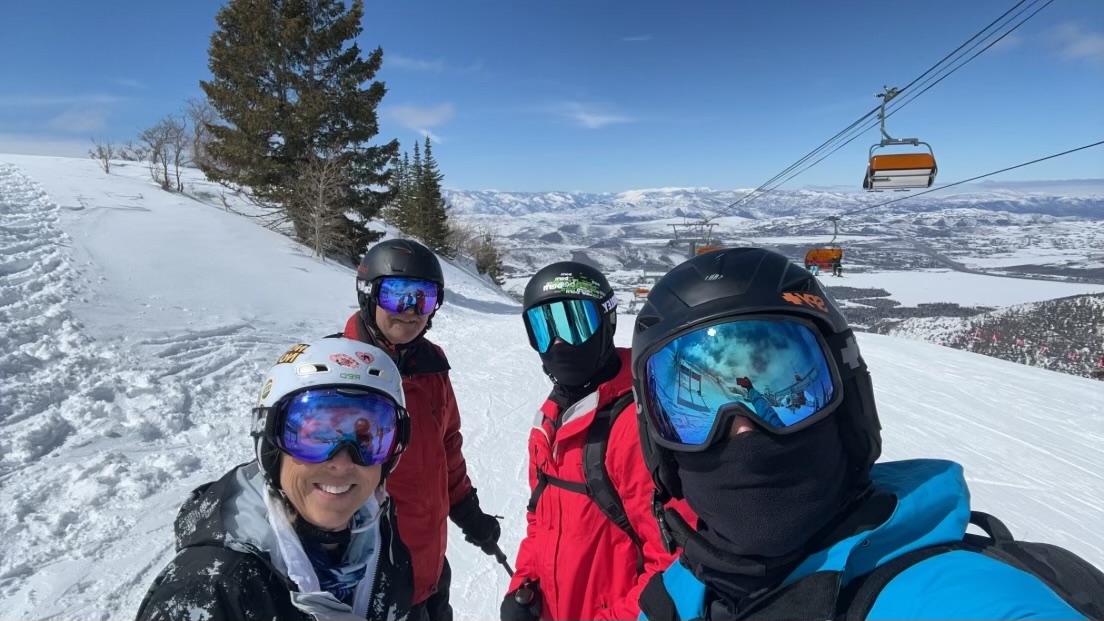
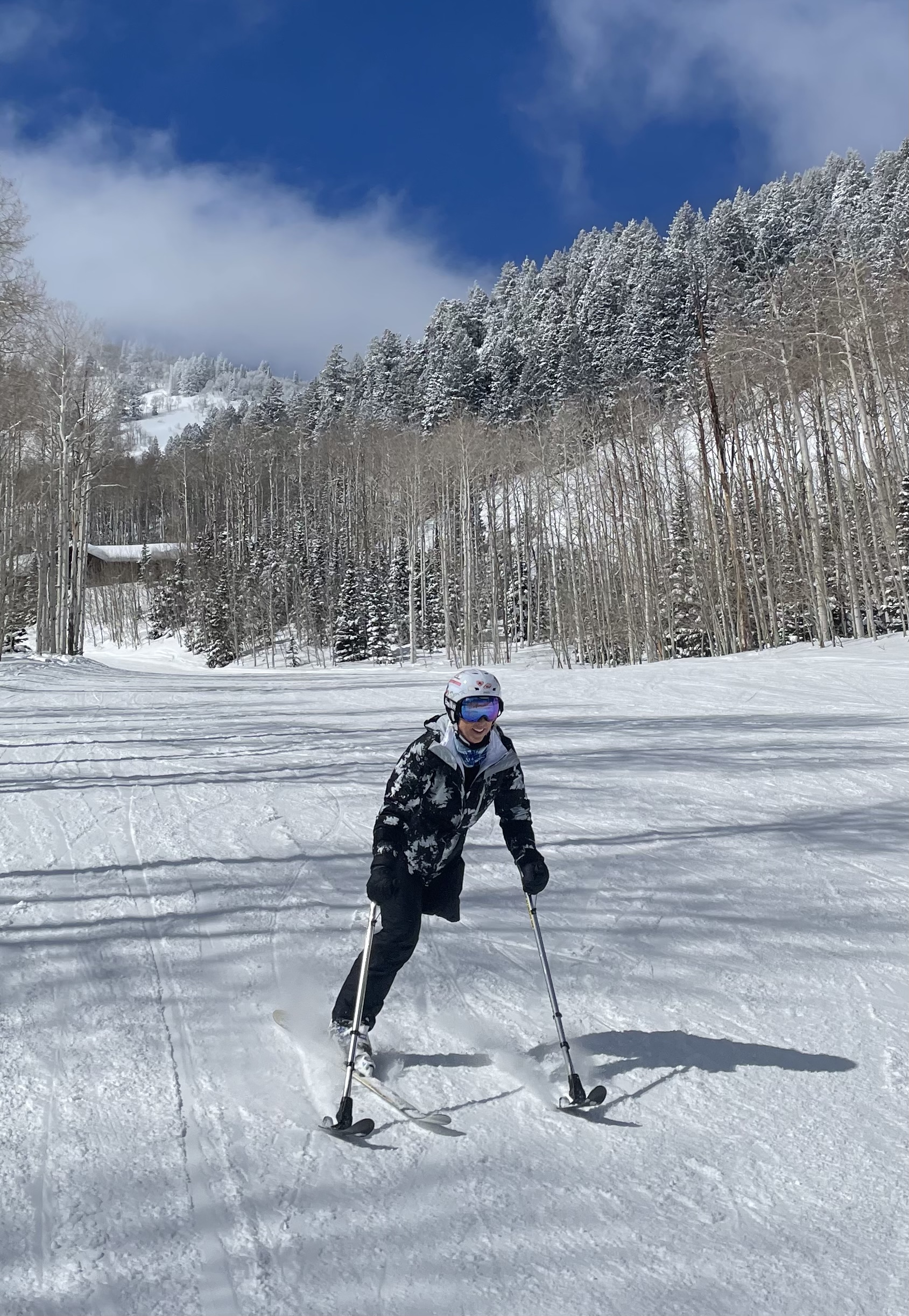
Skiing is one of the clearest examples in my own life. I had always imagined skiing more with my husband and family as we got older. After years of surgeries and then losing my leg, I wondered whether I would ever ski again. I had to grieve what I thought it would look like, learn a new way to do it with one leg and outriggers, rebuild my strength, and face a lot of fear. Yet standing at the top of a snowy mountain with my family again brought me to tears. The goal was still there, it just looked different.


Together again!


That is why I believe hope is not forced positivity. Hope does not deny that this chapter is hard. It is choosing to believe that hard does not mean meaningless. My faith has helped me trust that God can bring purpose from the parts of my story I never would have chosen.

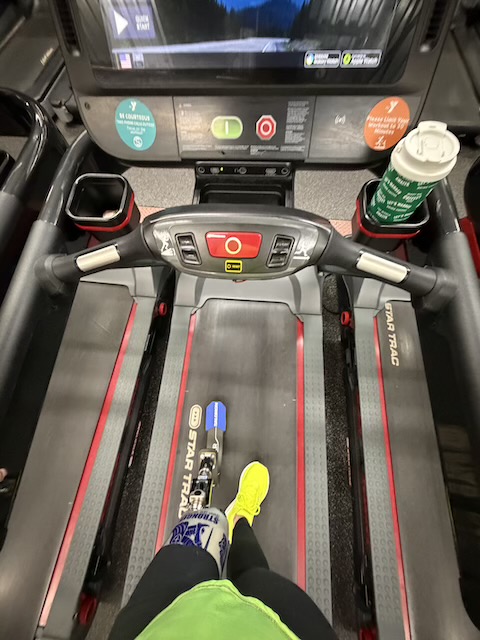
One of the biggest traps I had to overcome was comparing my old self to my new self—and comparing myself to other amputees. Whether it is watching someone run effortlessly on social media or remembering what I used to lift at the gym, comparison steals the joy of noticing what I am accomplishing today. I recently got on a treadmill with my new running blade, scared and holding tightly to the rails. It may not have looked graceful, but I faced a fear, showed up, and tried. That matters.


Facing fears but pushing through them.


Different does not mean less. Losing a limb does not make any of us less capable, less valuable, less beautiful, or less worthy of joy. We are more than our bodies and more than our parts.

Eight years into this journey, I can see that I did not have to understand the whole plan at the beginning. I only had to take the next right step. One step led to a 10K, skiing, this podcast, Warrior Ground, and a community of women who understand this journey. Your next step may be researching a new doctor, calling a PT, learning about adaptive sports, or simply choosing to believe there is more ahead for you.


Take a few minutes this week and ask yourself: What am I ready to leave behind? What dream am I ready to carry forward? And what is one next step I can take with hope?

Share your next step with me, and if this series encouraged you, please like, subscribe, share it with someone who needs it, and listen back to the first four episodes of Pivoting. Keep moving forward, Warrior.

And as always,

Be Healthy,

Be Happy,

Be YOU!!!

Much love,


Pivoting and Grief

Pivoting and Grief

Honoring What Was, Before Reimagining What’s Next


What if moving forward requires us to first acknowledge what we have lost?

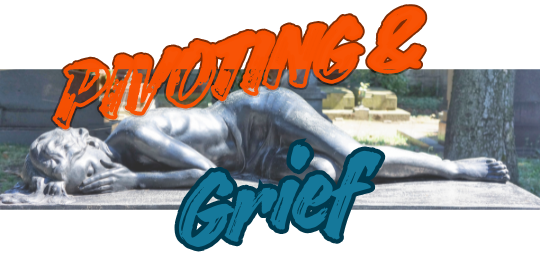
In Part Four of my five-part series on pivoting, I’m exploring a side of change that we don’t talk about enough: grief. We often celebrate the courage it takes to pivot, rebuild, and begin again, but every new direction may also require us to release the life, body, identity, or future we once imagined.
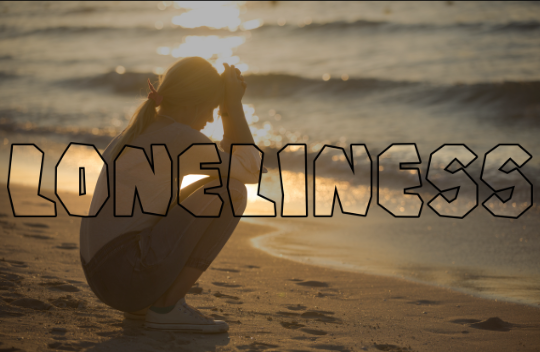
As I approach eight years since electing to amputate my leg, I’ve been asking myself whether I ever truly grieved my limb loss. Looking back, I realize much of my grieving happened during the four months between deciding to amputate and undergoing surgery. I cried, wrestled with my fears, and tried to understand how my future might change. When I finally released it to God, I felt a peace that helped me move forward.


Every amputee’s experience is different. Some of us have time to prepare, while others wake up after an accident or medical emergency and discover that their body has changed. There is no correct way or timeline for grieving.

Grief is not limited to death. We can grieve our independence, body image, physical abilities, relationships, identity, trust, or the path we thought our lives would follow. We can also be deeply grateful for our prosthesis, medical team, family, and progress while still grieving what was lost.


Grief does not make me ungrateful, and gratitude does not require me to pretend that nothing was lost.

When grief remains unacknowledged, it can surface as anger, resentment, emotional numbness, comparison, overworking, or constantly pushing through pain. I recognize my own tendency to connect my value with productivity. Sometimes staying busy feels easier than slowing down long enough to feel what is happening inside me.

I also share five steps for moving through a life-changing pivot: name what you lost, allow yourself to feel it, honor why it mattered, release the original shape of the dream, and reimagine what remains possible.


I may not ski exactly as I once imagined, but I found another way. I learned to ski on one leg with outriggers, and that reimagined future has brought courage and joy back into my life.


This week, name one thing you have been trying to move past. What changed? What do you miss? Why did it matter? Then ask yourself: How can I carry the heart of that dream forward in a new form?

Give yourself permission to grieve without judgment—but don’t stop there. Honor what was, release the path you expected, and begin reimagining what could still be possible. Share this episode with someone facing an unexpected change, and follow the BAWarrior Podcast as we continue learning how to rebuild on the other side of the pivot.


And as always,

Be Healthy,

Be Happy,

Be YOU!!!

Much love,


Prepare and Pivot

Prepare and Pivot

How to Adapt When Life, and Travel, Don’t Go as Planned


What do you do when you have prepared for everything, and life still throws you a curveball?

In this episode of BAWarrior Podcast, I’m continuing our Pivoting series with one of the most personal lessons I learned from international travel as an above-knee amputee: preparation matters, but adaptability is what carries us through the unexpected.

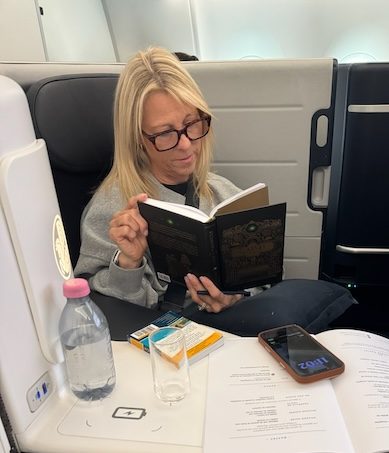
Travel after limb loss can feel overwhelming. There are prosthetic supplies to pack, accessibility to consider, energy to manage, socket fit changes, weather, long airport days, and the fear of being far from the things that make everyday life feel safe. On my recent trip to Paris, I had converters, a surge protector, and my prosthetic charging system ready, yet I still lost power and burned out my surge protector before I could charge my leg.

In that moment, I had a choice: panic and stay stuck, or pivot.

I share how I worked through the fear, asked for help, reached out to my prosthetist and prosthetic team, searched for local resources, and took the next step in front of me. That experience reminded me that confidence is not built by waiting until we have every answer. Confidence is built in the middle of the trial, when we learn that we can adjust, recover, and find another way.

We also talk about the energy budget behind adaptive travel and prosthetic life. Money may make a trip possible, but energy is a currency too. Airport delays, changing gates, standing in lines, carrying luggage, heat, humidity, fatigue, phantom pain, and the demands of walking with a prosthesis all add up. Choosing a wheelchair or asking for support before you hit your breaking point is not losing your independence—it is protecting it.

I also share the hard lesson my body taught me after returning home: recovery cannot be rushed. Sometimes the strongest pivot is slowing down before pain, exhaustion, or injury forces you to stop.


Before you go, I want you to name one thing fear has been keeping you from doing. It may be traveling, walking outside in your prosthesis, trying something new, asking for help, or giving yourself the recovery you truly need.

Prepare what you can, stay open to the pivot, and take one small step this week.

Confidence does not arrive before you begin, it grows as you keep going.

If this episode encouraged you, please share it with someone who needs the reminder that they can adapt, recover, and find another way.

Leave a comment and tell me: What is one fear you are ready to face with a little more flexibility and faith?

And as always, Warriors,

Be Healthy.

Be Happy.

Be YOU!!!

Much love,


Pivoting Isn’t Quitting: Changing the Path Without Losing the Purpose

Pivoting Isn’t Quitting: Changing the Path Without Losing the Purpose

Power of the Pivot: Part 2 of 5


Sometimes the hardest part of a setback is not the pain itself, it is realizing that the plan you were so ready to chase suddenly cannot happen the way you imagined. In Part Two of my pivoting series on the BAWarrior Podcast, I share what I am learning in real time after pulling a muscle in my residual limb just as I set a new fall goal: one million steps by December 21.


Step it up!!


As an above-knee amputee, I am familiar with hard days. But this setback humbled me. Every step into my socket was painful, and I had to use a crutch, rest, and pull back from the walking routine I was excited to begin. My instinct has always been to push through. I have pushed through surgeries, recovery, pain, and the many obstacles that can come with amputee life. Yet I am learning that strength is not always about forcing your way forward. Sometimes strength looks like self-preservation. It looks like sitting down, asking for help, and letting your body heal.


Pause, Reassess, and Redefine yourself and your goals during times of setbacks and trials.


This is the heart of the episode: pivoting is not failure. A pivot means the method changes, not necessarily the purpose. My goal was never just a number on a step counter. I wanted to stay consistent, feel healthier and stronger, and protect the ability to ski, hike, travel, and make memories with my family. That purpose is still there even if my original plan has to change. Maybe I row instead of walk. Maybe I focus on healing first. Maybe I release this particular goal for now and come back to it in a different season.

I also talk honestly about the grief that can come with a setback. We are allowed to be frustrated, disappointed, angry, and still keep moving forward. We can grieve what we thought this season would look like while holding onto hope for what is still possible. For those of us living with limb loss, a difficult socket, injury, skin issues, or a loss of trust after a fall, these pivots can feel deeply personal. But our prosthesis, our goals, and our current limitations are not our identity.


Adjusting the pathway that leads to your goal is Pivoting. There is more than one way to achieve them. If you want it- PIVOT!


When life stops you in your tracks, step back from the magnifying glass. Ask what truly matters, why it matters, and whether there is another path that honors both your goal and your healing. And remember: sometimes releasing something for now is not giving up. It is choosing the right timing.


Take five quiet minutes this week and write down: What is my goal? Why does it matter to me? Can I reach it by changing the method, or is this a season to release it and heal? Choose one small next step that supports your purpose today, whether it is calling a professional, taking a rest day, asking for support, or creating a new plan. Then share this episode with a warrior who needs permission to pivot, not quit.

You are more than your goals!

You are stronger than your setbacks!

Keep reaching for the stars, dear Warriors, and RISE UP, any way you can!

As always,

Be Healthy,

Be Happy,

Be YOU!!

Much love,


Embracing Uncertainty

Embracing Uncertainty

Travel withLimb Difference

You Don’t Have to Be Ready, to Be Read


Confidence Comes After the First Step

What if confidence isn’t what carries us toward the first step, but what waits for us on the other side of it?

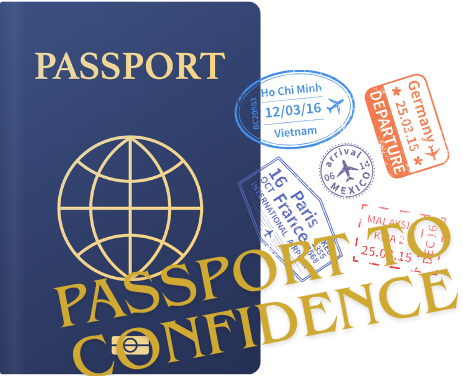
In this episode of the BAWarrior Podcast, I continue my series on traveling as an amputee as I prepare for my first international trip since losing my leg. Last week, I introduced the idea of creating a “passport to confidence.” Every first: our first overnight stay, flight, rental car, or unfamiliar adventure, adds another stamp to that passport and another valuable experience to our mental toolbox.

This trip carries extra meaning for me because the last time I traveled internationally, I returned home with the blood clot that ultimately helped me decide to amputate my leg. Now, I’m preparing to fly overseas again, but this time as an above-knee amputee.

There are things I can prepare for: wearing a compression sock, standing and moving during the ten-hour flight, researching baggage and medical-device requirements, packing my prosthetic supplies, staying hydrated, eating enough protein, and protecting my residual limb. I also know I cannot anticipate every TSA interaction, physical challenge, unexpected delay, or curveball.

That is where the real lesson begins: It’s okay not to be ready for everything.


Preparation is valuable, but we can’t require ourselves to know exactly how every experience will unfold. Sometimes we must become comfortable with being uncomfortable. I can control how I prepare and how I respond, but I cannot control how others react or what surprises may arise along the way.

Instead of entering this trip in fear, I’m choosing anticipation. I want to remain open to the beautiful places I’ll see, the people I may meet, and the moments that could change my life. Becoming an amputee has already introduced me to incredible people and experiences I would never trade, even for my leg back.

I’m no longer trying to recreate my old life. I’m choosing to live forward, not backward. My experiences may be altered, but altered does not mean less meaningful. Every adaptation asks me to grow, and every step beyond my comfort zone makes me stronger.

Confidence rarely arrives before we do something new. It grows after we take the first step, face the unknown, and discover that we can adapt. The stamp comes after the journey begins.


What have you been avoiding because you don’t feel ready?

This week, take one step outside your comfort zone and earn another stamp in your passport to confidence. Then share your experience with me, and follow the BAWarrior Podcast to hear what I learn from my first international trip as an amputee.

Rise up, beautiful Warriors, your journey is just beginning!

And as always,

Be Healthy,

Be Happy,

Be YOU!!!


Much love,


Passport to Possibility

Passport to Possibility

Traveling With Confidence as an Amputee


What if every new thing you accomplished earned you another stamp-not just in your travel passport, but in your confidence passport?


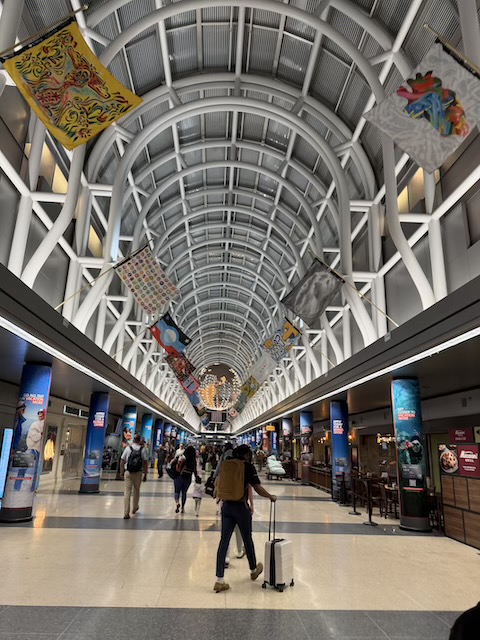
Solo flight to Chicago, O’Hare

Travel has always been a big part of my family’s life, but traveling as an amputee has been an evolving journey. Seven years into life as an amputee, I’m still learning something new every time I walk into an airport. And with every experience, I become a little more confident in what I can handle.

Recently, I took my second solo trip, flying to Chicago and doing something I’d never done completely on my own before: renting a car, navigating the rental process, driving to my destination, carrying my own luggage, returning the car, and getting myself back through O’Hare.

Then came the real test: a three-hour delay, three gate changes, crowded terminals, weather issues, hunger, bathroom logistics, and hauling my luggage everywhere I went.


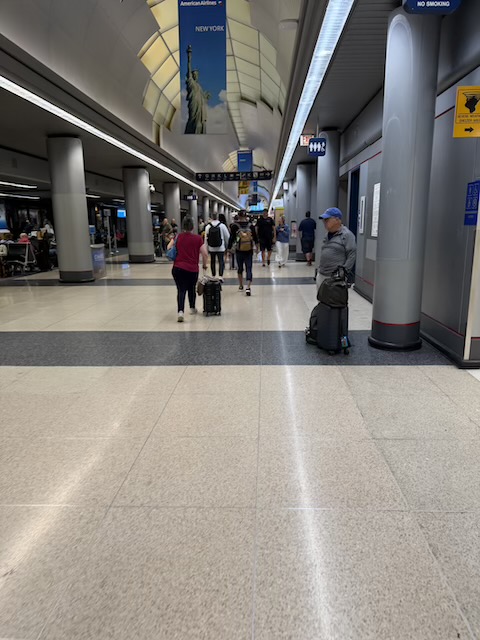
Long corridors to get from point A to point B


But I did it.

In this episode of the BAWarrior Podcast, I’m sharing what I’ve learned about traveling with a prosthesis, from navigating TSA and understanding your rights to medical bags, prosthetic tools, wheelchair assistance, priority boarding, long airport walks, and preparing for the unexpected.

One of the biggest lessons I’ve learned is that, as amputees, energy is currency. A mile-long walk through an airport may not sound like much until you add luggage, standing in lines, gate changes, socket discomfort, fatigue, phantom pain, and everything you still want to do once you reach your destination. Sometimes independence means walking the airport yourself. Other times, independence means recognizing when using available assistance allows you to save your energy for what matters most.


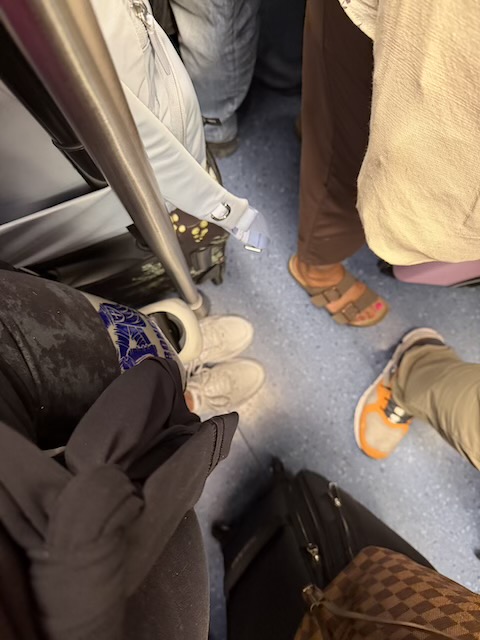
Rental car pick up late at night in a packed tram


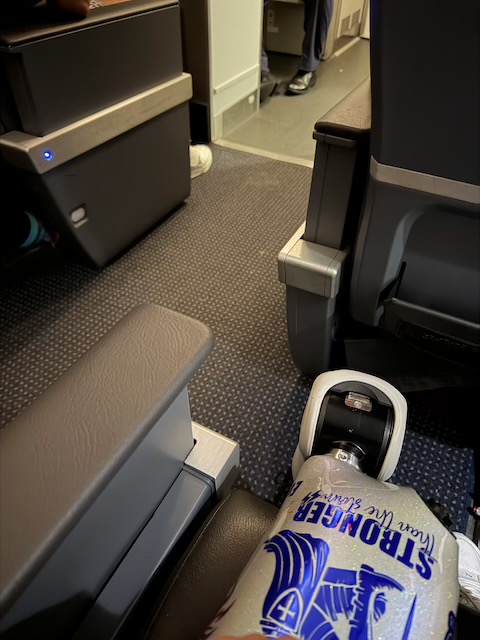
After several delays, I finally got on the plane for home!


And now I’m preparing for my next stamp: international travel.

This will be my first international trip since becoming an amputee. I’m thinking about cobblestone streets, crowded attractions, international accessibility, charging my microprocessor knee, adapters, and all the things I don’t even know I need to think about yet.

That’s part of the adventure.

Because ultimately, this episode isn’t really about airports or airplanes. It’s about confidence.

Every “first” becomes another stamp: your first overnight trip, first flight, first TSA experience, first solo trip, first rental car, or first international adventure.

Each one says:

I did that. And maybe I can do the next thing, too.


What’s stamped in your confidence passport?

Think about everything you’ve accomplished since limb loss—and then think about the stamps you’re still missing. What’s something that still scares or intimidates you? What experience would give you more freedom, independence, or confidence?

Choose your next stamp and start working toward it.

And make sure you come back for Part Two, because after my international trip, I’ll share what I learned about traveling abroad as an amputee—the victories, challenges, surprises, and everything I wish I’d known before I left.

Let’s keep filling those passports together.


Have a beautiful week, and Ill see you all in 2 weeks as we explore what I learned on my international journey!

Until then and as always,

Be Healthy,

Be Happy,

Be YOU!!!


Much love,


The Thousand Step Challenge

The Thousand Step Challenge

One Step at a Time: The Power of Small Steps Toward Big Goals


Have you ever looked at a goal and felt overwhelmed before you even started? Whether you’re learning to walk with a prosthetic, chasing a lifelong dream, beginning a new career, or simply trying to make it through a difficult season, sometimes the destination feels impossible. In this episode, I share a personal story that reminded me why the biggest accomplishments in life are built one step at a time.


1000 Step Challenge


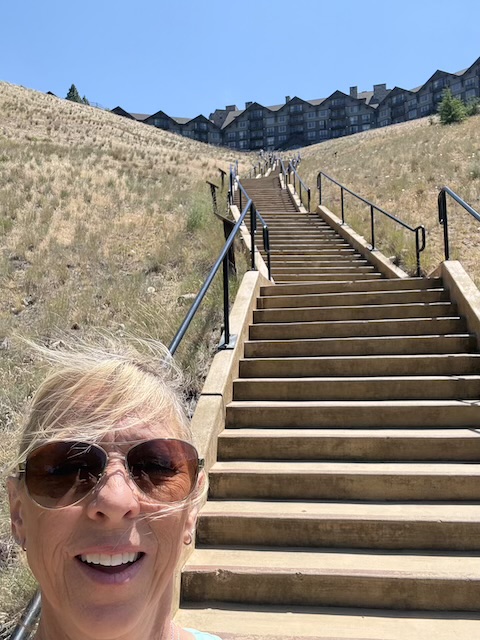
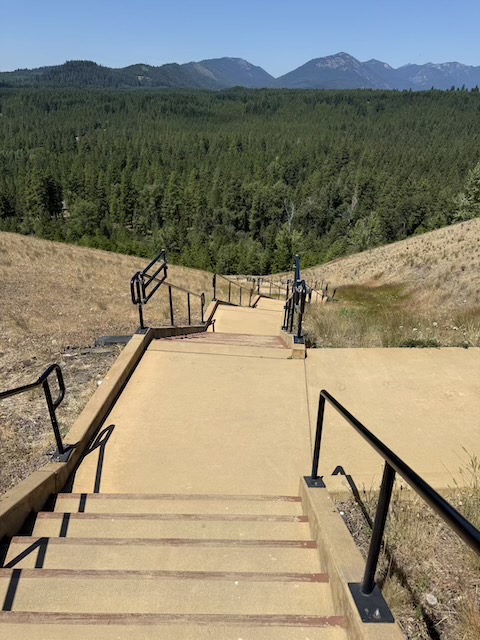
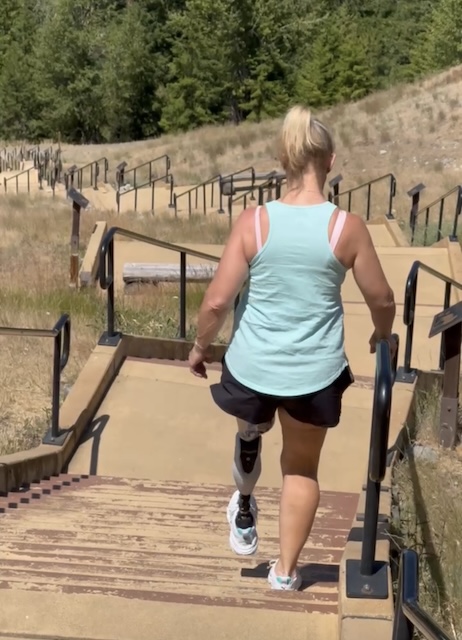
While attending a family wedding in Washington, I decided to tackle Suncadia’s famous 1,000 Step Challenge-500 steps down to a breathtaking river and 500 steps back up. As an above-knee amputee, I knew this wouldn’t be easy. Every step required focus, balance, patience, and determination. Going down meant carefully riding each step on my prosthetic. Coming back up demanded grit, controlled breathing, and the willingness to stop when I needed to, not because I was failing, but because I was resetting for the next stretch.


That challenge became a powerful reminder that life works the same way. We often become so focused on the size of our goals that we forget success is built in the small, consistent decisions we make every single day. Instead of becoming intimidated by the entire staircase, I focused on the next step in front of me. Sometimes I paused to catch my breath, look around, and appreciate how far I’d already come. Those pauses weren’t setbacks, they were opportunities to realign, refocus, and keep moving forward.

In this episode, I encourage you to stop comparing your journey to someone else’s highlight reel. Every accomplishment you admire was earned through countless unseen moments of perseverance, setbacks, adjustments, and resilience. The people accomplishing incredible things didn’t avoid obstacles, they simply chose to keep taking the next step.


The view is always better on the other side of a challenge


I also share how returning to complete the challenge a second time pushed me even further. Instead of simply finishing, I challenged myself to climb all 500 steps without stopping. Competing only against the person I was yesterday reminded me that growth isn’t about being better than someone else-it’s about becoming stronger than you were before.

No matter what mountain you’re facing today, remember this: break the goal into smaller pieces, keep your eyes on the next step, and trust the process. Progress isn’t measured by perfection; it’s measured by persistence. One step becomes another, and before you know it, you’ll look back from the top and realize you’ve accomplished something you once believed was impossible.

If you’re ready to stop standing at the bottom of your own mountain and start moving forward, I’d love for you to join me. Together, we’ll keep taking the next step—one step at a time.


Figure out what your goals are, and begin b simply breaking them down into smaller chunks.

Remember greatness isn’t accomplished overnight, and it isn’t accomplished without setbacks.  Keep the big picture in mind, but remember to break it down into smaller steps/goals that are doable each day.

Also, If you are a female amputee and would like to join myself and other likeminded women on achieving your goals, come join my first ever Momentum group. Space is limited so jump on today and sign up for Momentum

Don’t forget how amazing you are!

Have a blessed week and as always,

Be Healthy,

Be Happy,

Be YOU!!!


Much love,


The Courage To Belong

The Courage To Belong

Feeling Alone After Amputation? Why Community Is Part of Healing


Have you ever felt completely alone—even while surrounded by people who love you?

For many amputees, loneliness isn’t about the absence of family or friends. It’s about carrying a journey that very few people truly understand. In this heartfelt episode of the BAWarrior Podcast, I share an honest conversation about isolation, fear, healing, and the courage it takes to build meaningful community.

Drawing from my own experiences and countless conversations with amputees, I explore why loneliness often becomes one of the greatest hidden challenges after limb loss. The mental load of navigating everyday life, the quiet nights when phantom pain and anxious thoughts seem the loudest, and how fear can slowly convince us that staying home feels safer than stepping back into the world are all a part of our journey.

But healing was never meant to happen in isolation.

Throughout the episode, I talk about how community becomes one of the most powerful tools in recovery. Whether it’s sharing your story, joining an amputee support group, striking up a conversation at the gym, or simply reaching out to one other person who understands your journey, every connection becomes another step toward healing. Remember that telling your story doesn’t make you weak, it helps release the weight you’ve been carrying while encouraging someone else who may feel just as alone.

This episode also explores the importance of boldness. Community doesn’t magically appear; someone has to take the first step. Whether that’s sending a text, attending a virtual support group, introducing yourself to another amputee, or simply saying hello to a neighbor, courage opens the door to belonging.

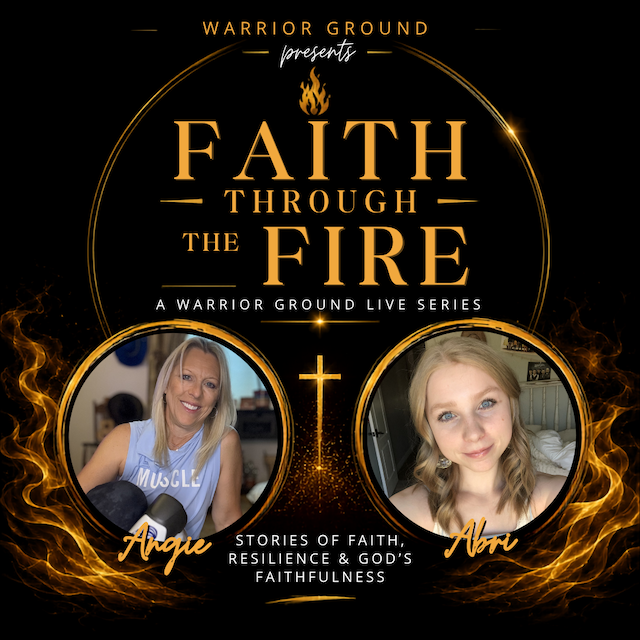
As I prepare to launch my new Faith Through the Fire series, I have been reflecting on how faith, resilience, and community often come together when we choose to move beyond fear. I want to encourage you to embrace this new chapter after amputation—not as the end of life, but as the beginning of a richer, more connected one.


If you’ve been struggling with loneliness after amputation, phantom pain, fear of falling, or simply wondering if anyone truly understands what you’re going through, this episode serves as a reminder that you are not alone. There is hope, there is healing, and there is a community waiting to welcome you.


This week, take one brave step.

Reach out to one person. Send one text. Join one support group. Attend one Zoom meeting. Introduce yourself to another amputee. Healing begins when isolation ends, and community starts with one courageous decision.

If you’re looking for connection, visit WarriorGround.org to learn more about the BAWarrior Podcast, Amped Women virtual gatherings, Warrior Circle, and other opportunities to connect with people who truly understand the amputee journey.


Connect with another amputee


Get outside, bring a friend


Surround yourself with those who want to see you succeed as much as they want to, and love you for who you are!


Remember: You don’t have to walk this journey alone.


Have a beautifully blessed week,

And as always,

Be Healthy,

Be Happy,

Be YOU!!!


Much love,