Category: Podcast

Prepare and Pivot

Prepare and Pivot

How to Adapt When Life, and Travel, Don’t Go as Planned


What do you do when you have prepared for everything, and life still throws you a curveball?

In this episode of BAWarrior Podcast, I’m continuing our Pivoting series with one of the most personal lessons I learned from international travel as an above-knee amputee: preparation matters, but adaptability is what carries us through the unexpected.

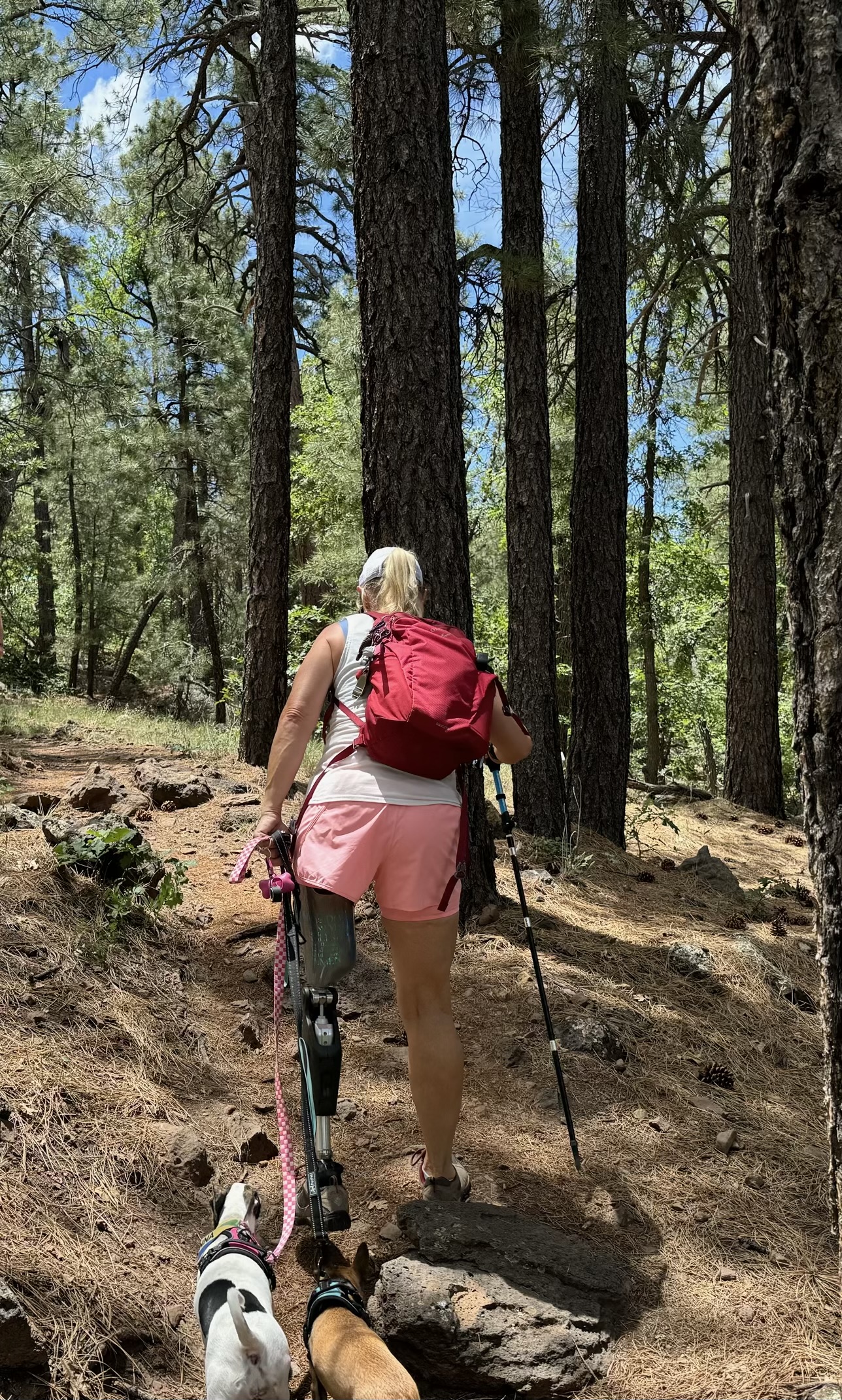
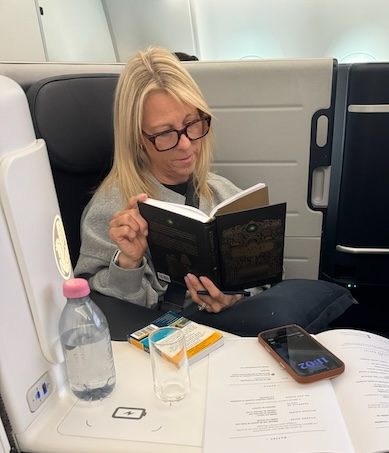
Travel after limb loss can feel overwhelming. There are prosthetic supplies to pack, accessibility to consider, energy to manage, socket fit changes, weather, long airport days, and the fear of being far from the things that make everyday life feel safe. On my recent trip to Paris, I had converters, a surge protector, and my prosthetic charging system ready, yet I still lost power and burned out my surge protector before I could charge my leg.

In that moment, I had a choice: panic and stay stuck, or pivot.

I share how I worked through the fear, asked for help, reached out to my prosthetist and prosthetic team, searched for local resources, and took the next step in front of me. That experience reminded me that confidence is not built by waiting until we have every answer. Confidence is built in the middle of the trial, when we learn that we can adjust, recover, and find another way.

We also talk about the energy budget behind adaptive travel and prosthetic life. Money may make a trip possible, but energy is a currency too. Airport delays, changing gates, standing in lines, carrying luggage, heat, humidity, fatigue, phantom pain, and the demands of walking with a prosthesis all add up. Choosing a wheelchair or asking for support before you hit your breaking point is not losing your independence—it is protecting it.

I also share the hard lesson my body taught me after returning home: recovery cannot be rushed. Sometimes the strongest pivot is slowing down before pain, exhaustion, or injury forces you to stop.


Before you go, I want you to name one thing fear has been keeping you from doing. It may be traveling, walking outside in your prosthesis, trying something new, asking for help, or giving yourself the recovery you truly need.

Prepare what you can, stay open to the pivot, and take one small step this week.

Confidence does not arrive before you begin, it grows as you keep going.

If this episode encouraged you, please share it with someone who needs the reminder that they can adapt, recover, and find another way.

Leave a comment and tell me: What is one fear you are ready to face with a little more flexibility and faith?

And as always, Warriors,

Be Healthy.

Be Happy.

Be YOU!!!

Much love,


Pivoting Isn’t Quitting: Changing the Path Without Losing the Purpose

Pivoting Isn’t Quitting: Changing the Path Without Losing the Purpose

Power of the Pivot: Part 2 of 5


Sometimes the hardest part of a setback is not the pain itself, it is realizing that the plan you were so ready to chase suddenly cannot happen the way you imagined. In Part Two of my pivoting series on the BAWarrior Podcast, I share what I am learning in real time after pulling a muscle in my residual limb just as I set a new fall goal: one million steps by December 21.


Step it up!!


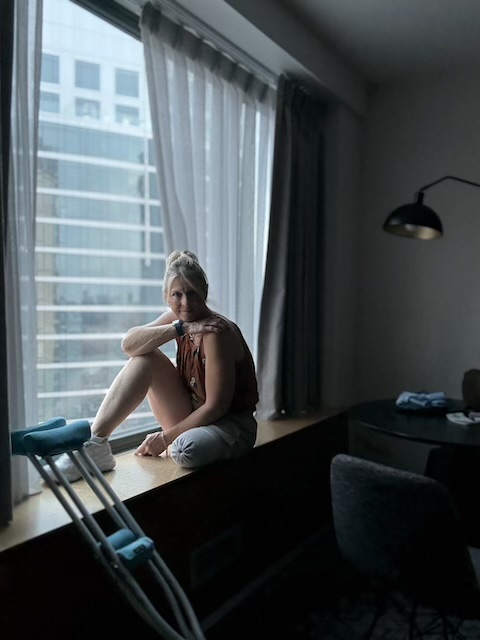
As an above-knee amputee, I am familiar with hard days. But this setback humbled me. Every step into my socket was painful, and I had to use a crutch, rest, and pull back from the walking routine I was excited to begin. My instinct has always been to push through. I have pushed through surgeries, recovery, pain, and the many obstacles that can come with amputee life. Yet I am learning that strength is not always about forcing your way forward. Sometimes strength looks like self-preservation. It looks like sitting down, asking for help, and letting your body heal.


Pause, Reassess, and Redefine yourself and your goals during times of setbacks and trials.


This is the heart of the episode: pivoting is not failure. A pivot means the method changes, not necessarily the purpose. My goal was never just a number on a step counter. I wanted to stay consistent, feel healthier and stronger, and protect the ability to ski, hike, travel, and make memories with my family. That purpose is still there even if my original plan has to change. Maybe I row instead of walk. Maybe I focus on healing first. Maybe I release this particular goal for now and come back to it in a different season.

I also talk honestly about the grief that can come with a setback. We are allowed to be frustrated, disappointed, angry, and still keep moving forward. We can grieve what we thought this season would look like while holding onto hope for what is still possible. For those of us living with limb loss, a difficult socket, injury, skin issues, or a loss of trust after a fall, these pivots can feel deeply personal. But our prosthesis, our goals, and our current limitations are not our identity.


Adjusting the pathway that leads to your goal is Pivoting. There is more than one way to achieve them. If you want it- PIVOT!


When life stops you in your tracks, step back from the magnifying glass. Ask what truly matters, why it matters, and whether there is another path that honors both your goal and your healing. And remember: sometimes releasing something for now is not giving up. It is choosing the right timing.


Take five quiet minutes this week and write down: What is my goal? Why does it matter to me? Can I reach it by changing the method, or is this a season to release it and heal? Choose one small next step that supports your purpose today, whether it is calling a professional, taking a rest day, asking for support, or creating a new plan. Then share this episode with a warrior who needs permission to pivot, not quit.

You are more than your goals!

You are stronger than your setbacks!

Keep reaching for the stars, dear Warriors, and RISE UP, any way you can!

As always,

Be Healthy,

Be Happy,

Be YOU!!

Much love,


The Power of the Pivot: A Five Part Series

The Power of the Pivot: A Five Part Series

When Your Body Changes the Plan


What if pulling back is not weakness, but the very thing that keeps you moving forward?

In this episode of BAWarrior Podcast, I’m opening a new five-part series called The Power of the Pivot. This first conversation is about one of the hardest pivots for me personally: when my body says, “I’m done,” even when my mind still wants to push ahead.

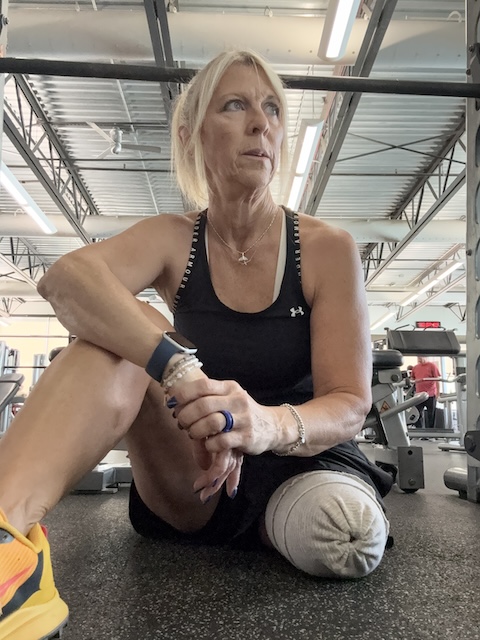
After returning home from international travel, I was ready to get back into my normal rhythm. I wanted to eat well, get back to the gym, move my body, and feel strong again. But after a simple walk in the Arizona heat and humidity, I experienced a deep, unfamiliar pain inside my residual limb. It was not phantom pain or skin irritation-it felt like a physical muscle injury, and it made every first step into my prosthesis painful.


The timing felt almost ironic. Just days later, I was headed to Boston for my one-year follow-up after my AMI revision with Dr. Carty, along with visits to my PT and the incredible researchers at MIT working on future prosthetic innovations. I was scared that I had damaged something significant. Instead, my appointment brought a possible silver lining: because my muscles are now working differently after AMI, I may have simply pulled a muscle after moving too quickly while my body was cooling down.

Even with that reassurance, I had to face a truth I do not always like: I needed to pivot.


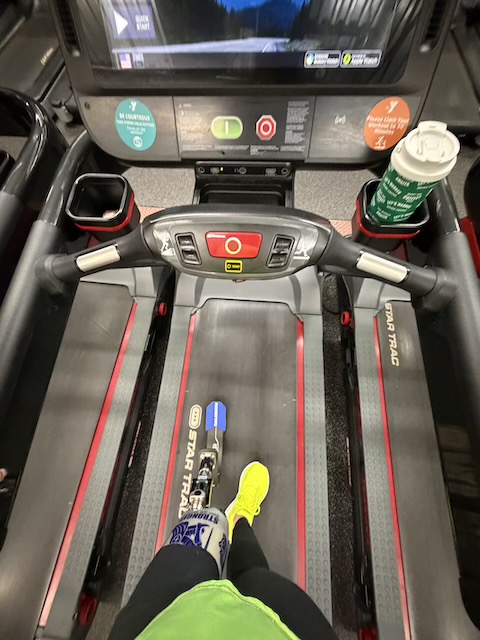
For me, that meant stepping away from the gym, putting hikes and long walks on hold, and allowing myself to slow down. I do not pivot gracefully. I like momentum, routine, movement, and proving to myself that I can keep going. But this experience reminded me that strength is not always found in pushing harder. Sometimes strength is found in listening, adjusting, protecting what matters, and trusting that recovery is not the same thing as giving up.

As amputees, our bodies often communicate in whispers before they scream. We have to learn the difference between something we can work through and something that deserves attention, rest, or professional care. Our prosthesis is part of how we move through life, so protecting our residual limb and physical health is not weakness, it is wisdom.

Whether your pivot lasts a day, a week, or several months, it does not mean your goals are gone. It does not mean you have failed. It simply means your path needs a temporary adjustment. The momentum will return when your body is ready.


Take a moment this week to listen to your body. Is there something you have been trying to push through that may require a pivot? Give yourself permission to adjust without guilt. Share this episode with someone who needs the reminder that rest, recovery, and changing direction can be powerful parts of the warrior journey.


If you have to pivot this week, remember this is NOT failure but wisdom, when it comes to reaching your goals. Use your experiences and protect yourself from further injury. This way you’ll be ready to fight another day!


Rise up Warriors, and Pivot who you need to.

And as always,

Be Healthy,

Be Happy,

Be YOU!!!


Much love,

 

The Power of Self Advocacy in Prosthetic Care

The Power of Self Advocacy in Prosthetic Care

Advocate and Rise


What happens when the people responsible for helping you move forward stop listening? You learn how powerful your own voice can become.

In this episode of the BAWarrior Podcast, I step back from the idea of constantly pushing forward to talk about one of the most important skills every amputee must develop: advocating for yourself.

Self-advocacy has been a major part of my journey since long before my amputation. After tearing my MCL while preparing for my second-degree black belt test, I endured five years, ten surgeries, increasing pain, and complications caused by arthrofibrosis. Each surgery brought a new doctor, a new explanation, and another retelling of my medical history. Eventually, I realized I could no longer rely on someone else to connect every piece of the puzzle for me.

I began reading my surgical reports, researching unfamiliar medical terms, writing down questions, and paying closer attention to what my body was telling me. That process helped uncover the condition behind many of my complications and eventually gave me the courage to advocate for the amputation that changed my life.

That need to speak up did not end after surgery. It became even more important.

As amputees, we depend heavily on our prosthetists, especially after our surgeons are no longer involved in our everyday care. A prosthetic leg will never feel exactly like the limb we lost, so we must balance realistic expectations with the knowledge that constant pain should not be accepted as normal. Discomfort, adjustment, and awkwardness can be part of learning a prosthesis. Debilitating pain is a sign that something may need further investigation.


One of many appointments with my prosthetist.


I share how ongoing socket pain led my prosthetist and me to continue experimenting, collaborating, and searching for answers instead of giving up. Eventually, an MRI revealed a large neuroma that no socket adjustment could fix. That experience reminded me that good care requires teamwork. My prosthetist brought his knowledge, but I had to clearly communicate what I was feeling and continue trusting my instincts.

Supportive medical teams are a must in your positive care and experience as an amputee


Living as an amputee also carries a daily mental load. Some mornings my leg feels strong and ready for everything I have planned. Other days, discomfort, swelling, skin irritation, or a poor fit can completely change the day. Even more than seven years after my amputation, I still have to remain flexible and listen to my body.

My message throughout this episode is simple: do not give up on yourself. Ask questions. Bring someone with you when you need support. Find professionals who are willing to listen, collaborate, and fight beside you. You are more than an insurance claim, a medical chart, or a difficult case.


My support system


Your voice matters. Your mobility matters. Your future is worth fighting for.


Ready to Advocate for Yourself?

Your journey does not have to be walked alone. If you are struggling to feel heard, searching for answers, or simply needing a community that understands the realities of amputee life, I encourage you to reach out.

Join me and other women amputees during our weekly Amped Women virtual chats, where we come together to share, listen, encourage, and support one another. And if you are ready to move beyond survival, set meaningful goals, and take your next steps with accountability, Momentum may be the community you have been looking for.

Follow the BAWarrior Podcast, subscribe on YouTube, and connect with me on social media so you do not miss future episodes, live conversations, and community gatherings.

Most importantly, keep asking questions, keep trusting what your body is telling you, and never be afraid to use your voice.

You are worth advocating for. Your mobility matters. Your dreams matter. And you do not have to give up.


Have a beautifully blessed week ahead and as always,

Be Healthy,

Be Happy,

Be YOU!!!


Much love,
 

Reimagine Your Life After Amputation

Reimagine Your Life After Amputation

Building a New Version of Normal


What happens when the life you want to return to no longer works the way you remember it?

After amputation, we are often told that we can get back to doing the things we love, and I believe that is true. But I have learned that those activities may look, feel, and function differently than they did before. Recovery is not always about returning to the person we used to be. Sometimes, it is about reimagining what life can look like now.

Losing a limb changes more than our appearance. It changes our balance, center of gravity, movement patterns, energy levels, and the way we approach everyday activities. Even something described as being “as easy as riding a bike” can become complicated. Getting onto the bike, positioning a prosthetic foot, balancing, starting, stopping, and reacting quickly all require new strategies.

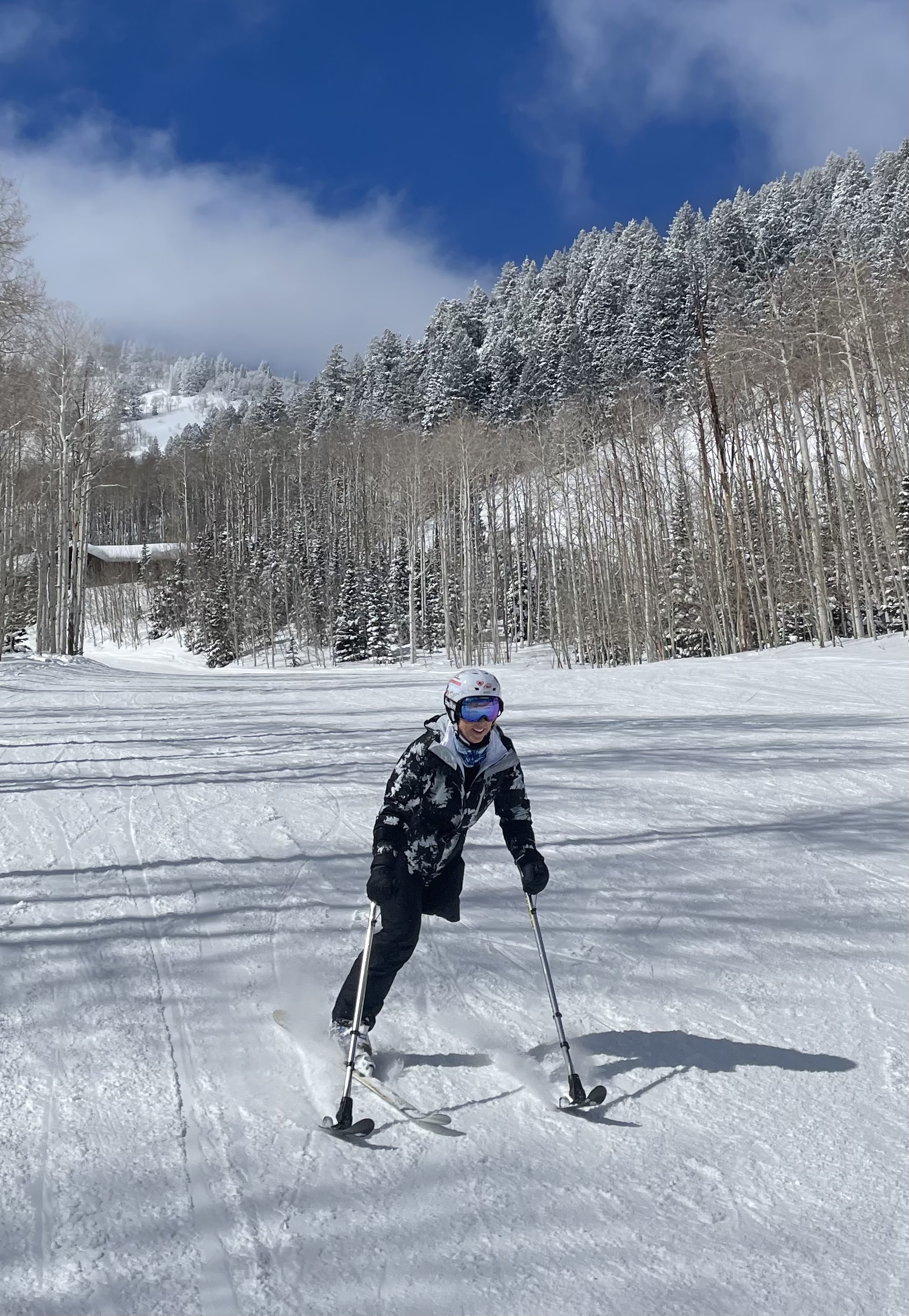
The same is true for adaptive fitness, hiking, running, skiing, traveling, and even standing for long periods. Our bodies operate under different physics after limb loss, and we often use more energy to complete the same activity.

I think of energy as currency. Every activity makes a withdrawal, so I have to be intentional about how I spend it. If I know I have plans with family or friends, I may need to skip the gym, shorten another activity, or rest beforehand so I have enough energy to be present.

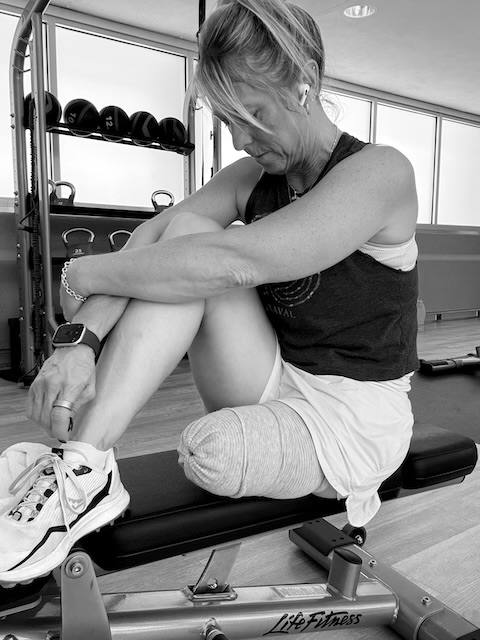
I also have to protect both my residual limb and my sound limb. Socket fit, skin irritation, phantom pain, neuromas, fatigue, and compensation can change how I move from one day to the next. There are days when pushing forward is appropriate, and there are days when pulling back is the wisest choice I can make.

Wisdom is not weakness.

Resting, using a mobility aid, shortening a workout, or changing a goal does not mean I am failing. It means I am protecting my body for the next twenty, thirty, or forty years. I have learned to ask myself, “Is it worth it?” Is the activity worth the pain, skin damage, lack of sleep, or extended recovery that may follow?

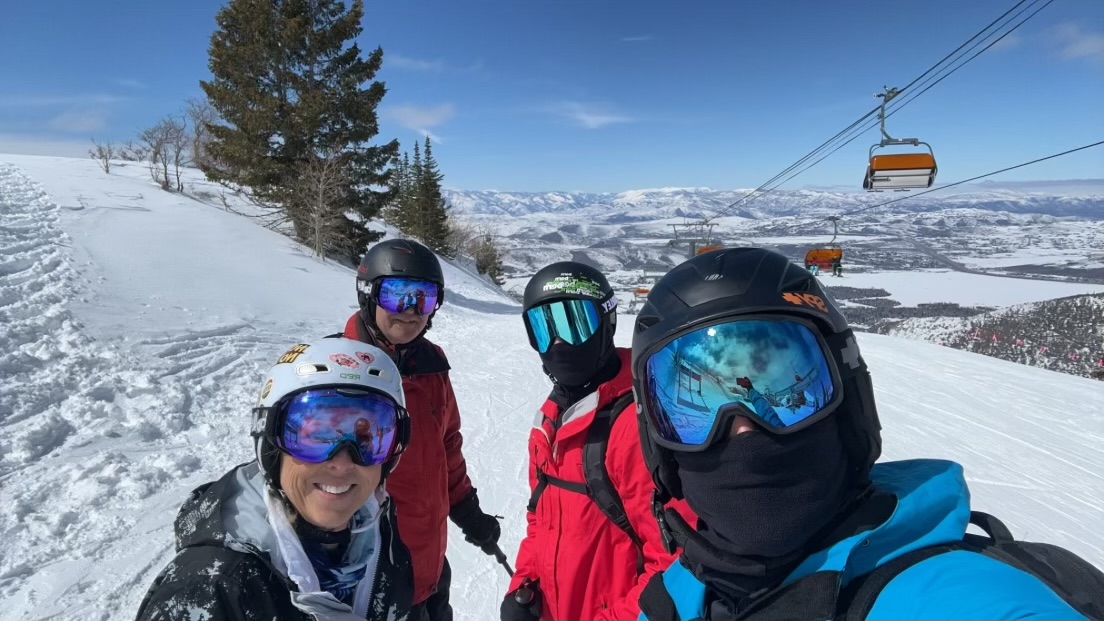
Success after amputation must also be personal. I cannot measure myself against who I was before surgery, another amputee on social media, or a Paralympic athlete with years of specialized training. My success may mean hiking a shorter trail, trusting a running blade, completing half a day of skiing, or simply showing up and moving my body.

Reimagining life after amputation means experimenting, adapting, learning from setbacks, and creating new goals. Progress is rarely linear, but every step still matters.

My life did not end with amputation. A new chapter began, and I get to decide what comes next.


Your Warrior Challenge

Think about something you have been trying to return to. Are you measuring your progress against your old life, or are you giving yourself permission to approach it differently?

Choose one goal this week and reimagine it. Adjust the pace, change the method, ask for support, and create a version that works for the body you have today.

Stop chasing your old normal. Start building a life that supports who you are becoming.

Keep moving forward, dear Warrior! One step at a time!

And as always,

Be Healthy,

Be Happy,

Be YOU!!!


Much love,
 

7 Lessons From 7 Years of Limb Loss

7 Lessons From 7 Years of Limb Loss

What I Wish Every New Amputee Knew


Seven years ago, I made one of the hardest decisions of my life: to amputate my leg. Looking back now, I can honestly say that journey has taught me more about life, resilience, and myself than I ever could have imagined.

In this episode, I share seven of the biggest lessons I’ve learned through seven years of living as an above-knee amputee. These lessons aren’t just about limb loss, they’re about navigating life’s unexpected challenges, embracing change, and discovering strength you didn’t know you had.

One of the first things I learned is that life is incredibly uncertain. None of us know what tomorrow holds. I certainly never imagined that a martial arts injury would eventually lead to amputation. Yet even in the uncertainty, I’ve learned that life is still beautiful and worth embracing. Every day we wake up with breath in our lungs is an opportunity to live fully, regardless of our circumstances.


I also talk about change and why fighting it often creates more suffering than the change itself. As amputees, change becomes a constant companion. New sockets, new challenges, new routines, and new versions of ourselves. While change can be uncomfortable, it can also open doors to experiences, relationships, and opportunities we never would have discovered otherwise.

Another lesson that stands out is realizing just how strong we really are. Not physically, although that comes too, but mentally and emotionally. Strength isn’t built on easy days. It’s forged through setbacks, disappointments, pain, and the choice to keep moving forward anyway. Like a diamond formed under pressure, adversity has a way of shaping us into something stronger than we thought possible.


I also share why learning to appreciate the good days matters so much. Living with limb loss means navigating physical challenges, phantom pain, socket issues, and countless ups and downs. The difficult days teach us to cherish the ordinary ones. They remind us not to take comfort, mobility, or peace for granted.

Perhaps one of the most important lessons is this: don’t do it alone. Finding community has been one of the greatest gifts of my journey. Whether through my Amped Women chats, fellow amputees, or supportive friends and family, connection matters. We were never meant to carry life’s challenges by ourselves.


Finally, I talk about friendships, mindset, and embracing the roller coaster that is amputee life. The road isn’t always easy, but it can still be meaningful, beautiful, and full of purpose.

My hope is that whether you’re a new amputee, a caregiver, or simply facing a challenge of your own, you’ll walk away encouraged. Life may not look the way we planned, but that doesn’t mean it can’t be extraordinary.

Mindset matters. Give yourself grace. Find your people. And remember—you are stronger than you think.


What’s one lesson your journey has taught you?

Whether you’re an amputee, caregiver, or someone navigating a challenge of your own, I’d love to hear from you. Share your biggest lesson in the comments, reply to this post, or connect with me through Warrior Ground.

And if you’re walking the limb loss journey, don’t do it alone. Join our community and discover the power of connecting with people who truly understand.

Join the Warrior Ground community and stay connected → HERE


And as always,

Be Healthy,

Be Happy,

Be YOU!!!


Much love,


Even If…

Even If…

Rewriting Your Mindset After Loss


What happens when something you spent years building disappears in a single moment?

In this deeply personal episode of BAWarrior Podcast, I open up about the emotional aftermath of being massively hacked on social media and losing access to over twenty years of connection, community, memories, and support systems I had built through Facebook. What started as frustration and heartbreak became something much bigger: a reflection on faith, identity, resilience, and what it truly means to keep moving forward when life knocks you down.

As amputees and warriors, we know what it feels like to sit in the middle of the “why.” Why the injury? Why the pain? Why the setbacks? Why does it feel like we keep fighting battles no one else can see? This episode parallels those same emotions with the unexpected grief of loss and change, reminding us that struggle comes in many forms.

I share honestly about the anger, sadness, anxiety, and feeling of being stuck over the last few weeks, and how I slowly realized that if I truly believe everything happens for a reason, then I must believe this difficult moment can also lead to something greater.

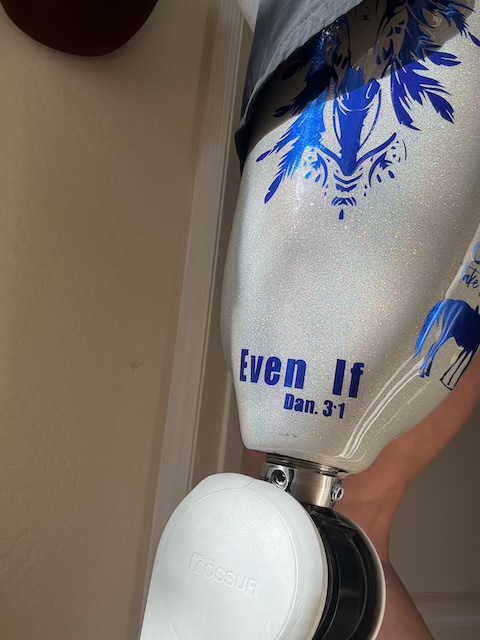
At the center of this episode is a phrase I carry with me every day: Even If.


My “No Matter What” reminder


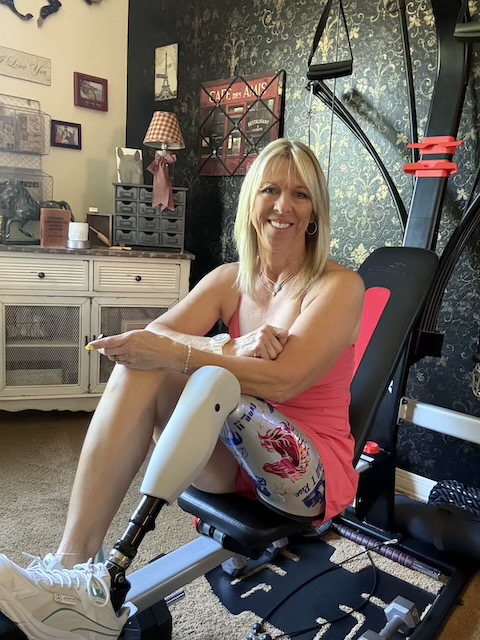
Those two words are literally written on my prosthetic socket as a reminder that even if things don’t go as planned… even if life feels unfair… even if we are hurting… we are still capable of rising above it.

This conversation is about choosing faith over fear.
Choosing peace over panic.
Choosing to rebuild instead of giving up.

I talk about how Warrior Ground was born from this exact mindset, creating a space where people can come together through podcasting, advocacy, community chats, equine therapy, connection, education, and support. A place where nobody has to walk their journey alone.


You are never alone on this journey! Reach out, find your tribe, connect with community!


If you are struggling right now: physically, emotionally, mentally, or spiritually then this episode is for you.

You are not abandoned.
You are not forgotten.
And your story is not over.

Sometimes the hardest moments are refining us into something stronger than we ever imagined.

Even if life knocks you down…
Even if you can’t see the purpose yet…
Even if the road feels heavy…

You will rise again.

Because warriors do.

Listen in for a heartfelt reminder that hope still exists, healing is still possible, and there is strength waiting for you on the other side of the struggle.

Have a beautiful week and as always…

Be healthy,

Be happy,

Be YOU!!!

Much love,


The Warrior Movement Begins Here

The Warrior Movement Begins Here

Join the Warrior Effect-Get Involved Today


What if one story had the power to help someone walk again?

After seven powerful weeks of interviews during Limb Loss and Limb Difference Awareness Month, this episode of BAWarrior podcast becomes more than a reflection-it becomes a movement.

In this heartfelt finale to the “Survivors to Warriors” series, I take listeners back through the incredible stories shared throughout the past seven weeks. These were not just interviews about limb loss. They were deeply personal conversations about fear, trauma, cancer, grief, PTSD, faith, family, resilience, and the decision to keep moving forward when life changes forever.

From children facing amputation at a young age to young adults rebuilding their confidence and independence, every guest brought honesty and courage to the table. While each story was unique, one thing tied them all together: resilience. Warriors are not born-they are built through impossible moments, painful setbacks, and the daily choice to rise again.

As an above-knee amputee myself, I share openly about how some days I feel strong and empowered, while other days limb loss completely knocks me down. That reality is something many amputees understand deeply. But what inspired me most about these guests was watching people so young choose courage, faith, and perseverance despite everything they had faced.

This episode introduces what I call The Warrior Effect-the ripple effect created when one person’s story, kindness, or support helps change someone else’s life. When someone shares their story, another person feels less alone. When someone donates to organizations like Limbs For Humanity, another person gains the opportunity to walk again. When companies like Stride Robotics innovate and create more affordable, lightweight prosthetic technology, they help restore independence, dignity, and hope to amputees around the world.

Co-Founder, Randy West, of Limbs For Humanity with one of their youngest patients


Co-Founder and CEO, Revanth Damerla, Stride Robotics


Throughout this episode, I discuss why mobility is about far more than simply walking. Mobility impacts emotional health, confidence, mental well-being, freedom, and quality of life. I share the mission behind Limbs For Humanity and their efforts to provide prosthetic care and mobility to underserved communities globally. I also highlight the groundbreaking work Stride Robotics is doing to create lightweight, waterproof powered prosthetics designed with real amputees and real-world accessibility in mind.

But this episode is not meant to simply inspire listeners for a moment before moving on. It is a call to action.


The time to act is now!

I challenge listeners to become part of the movement by supporting the limb loss community in whatever way they can. Whether that means volunteering, fundraising, donating, becoming an ambassador, spreading awareness, investing in adaptive innovation, or simply listening and learning-everyone has a role to play.

I also introduce the new ambassador program for Limbs For Humanity, encouraging listeners across all fifty states to help spread awareness and become part of something bigger than themselves. This movement is not about competition between nonprofits or organizations. It is about collaboration, compassion, and filling the gaps for communities that are underserved and often forgotten.

*Become an Ambassador for Limbs For Humanity here

*Find ways to help bring nobility to those without access here

*Or check out how to become a part of the innovative side with Stride Robotics here

This powerful finale reminds listeners that healing and resilience grow stronger when people come together. The “Survivors to Warriors” series may be ending, but the mission is only beginning.

The Warrior Effect is real-and now it’s your turn to become part of it.

Have a beautifully, blessed week and as always,

Be Healthy,

Be Happy,

Be YOU!!!


Much love,


New Age Powered Prosthetics: A Leap Toward Real Mobility

New Age Powered Prosthetics: A Leap Toward Real Mobility

Stride Robotics Lightweight Power Knee Redefining Movement


This episode wrapped up Limb Loss and Limb Difference Awareness Month in a powerful way by looking toward the future of mobility, technology, and what it truly means to help people live again after limb loss.

After a month full of stories about trauma, cancer, amputation, grief, fear, faith, and resilience, I wanted to end this series by asking a bigger question: once someone survives, how do we help them truly reclaim their life?

That is why I invited Revanth, cofounder and CEO of Stride Robotics, onto the BAWarrior podcast. Stride Robotics is working to redefine mobility through lightweight powered prosthetic technology designed to restore strength, endurance, and freedom for amputees. I also have the honor of serving as an advisor for their company, helping give feedback from the lived experience of an above-knee amputee.


In this conversation, Revanth shared his journey from robotics and engineering into the prosthetic world. What stood out to me most was his honesty. He admitted that, early on, he was focused on building something impressive. But through conversations with amputees and prosthetists, he realized that innovation only matters if it solves a real human problem. That shift — from building something cool to building something truly useful — is where the heart of this conversation lived.

We talked about the communication gap between engineers, prosthetists, and amputees. All three groups are speaking from different perspectives, and yet all three must work together if prosthetic technology is going to improve real lives. As an amputee, I know firsthand that we do not always describe things in technical terms. We describe how something feels. We talk about trust, effort, fear, exhaustion, balance, and whether a device allows us to live the way we want to live.

One of the most powerful parts of this episode was our conversation around “mental load.” True mobility is not just about walking. It is about not having to think through every single step. It is being able to hike and look at the view instead of staring at the ground. It is walking into a room without calculating every movement. It is trusting your body and your prosthesis enough to live fully.

Revanth explained how Stride Robotics is working on a powered knee that is lighter, quieter, more affordable, and more functional than many powered options currently available. Their goal is to reduce strain on the hips, back, shoulders, and intact limb while helping amputees move with more confidence and less compensating. We talked about battery life, USB-C charging, fall prevention, waterproof possibilities, loaner programs, clinician support, and even future data feedback that could help prosthetists better understand how their patients are moving in real life.

But what I loved most was that this was never just a conversation about a device. It was about dignity. It was about access. It was about making sure technology does not only serve the few who can afford it, but eventually reaches amputees around the world who are desperate for mobility, independence, and hope.

This episode is also a call to action. Whether you are an amputee, prosthetist, engineer, student, investor, donor, or simply someone who cares, there is a place for you in this movement. Stride Robotics needs feedback, connection, research, support, and people willing to help move innovation forward.

Limb loss awareness cannot end with awareness. It has to move us into action. My hope is that this episode inspires you to get involved, ask better questions, support meaningful change, and become a beacon of hope for those still fighting to reclaim their mobility and their life.


Join the Movement. Bring dignity, independence, and mobility to all.

Today, that’s YOUR Call to Action, your charge from this month of story telling.

Be a part of the change, today! You can reach out to us:

Angie: BAWarrior360@gmail.com

Revanth: LinkedIn

Stride Robotics: LinkedIn

Stride Robotics: Website

Thank you for watching, sharing, and subscribing.

Let’s change lives, TOGETHER!

See you next week, and as always,

Be Healthy,

Be Happy,

Be YOU!!!


Much love,
 

Be A Warrior, Become an Ambassador for Change

Be A Warrior, Become an Ambassador for Change

Limbs For Humanity: Restoring Hope One Leg at a Time


In this powerful and perspective-shifting episode of Be a Warrior Podcast, I sit down with two men who have not only walked alongside me in my own journey as prosthetists, but who have also chosen to step far beyond the walls of their profession to answer a much bigger calling. Randy and David, co-founders of Limbs for Humanity, join me to share the heart, mission, and real-world impact of bringing prosthetic care to those who would otherwise never have access to it.

After spending the past month highlighting the deeply personal stories of survivors rising into warriors through limb loss, this conversation takes us one step further. Because what happens when someone has the strength, the will, and the fight… but no access to care? What happens when survival isn’t enough because the resources simply aren’t there?


That’s where Limbs for Humanity steps in.

Randy and David open up about how their work as everyday practitioners exposed a growing and heartbreaking gap—even here in the United States. Patients with jobs, families, and insurance still found themselves unable to afford prosthetics due to overwhelming deductibles and lack of coverage. What began as quiet, pro bono care quickly revealed a much larger need—one that couldn’t be ignored.


That need didn’t stop at our borders.

A single message about an underserved clinic in Rocky Point, Mexico sparked what would become a life-changing mission. Within months, they packed up their car and headed south, unsure of what to expect. What they found was staggering: hundreds of amputees with little to no access to prosthetic care. But what impacted them most wasn’t just the need—it was the people. Their resilience. Their gratitude. Their spirit.


We talk about the stark differences between limb loss in the U.S. and in underserved countries—where something as treatable as an infection can lead to amputation. Where young parents in their twenties and thirties lose limbs and, with them, their ability to provide for their families. And yet, even in the face of that, their strength is undeniable.

Through heartfelt stories—like young children receiving their first prosthetic and running, playing, and simply being kids again—you begin to understand that this work goes far beyond mobility. It restores dignity. Independence. Purpose.


But it’s not without its challenges.

The greatest barrier? Resources. Not time. Not skill. But the tangible components—knees, feet, liners—that make each prosthetic possible. Even with reduced costs and donated materials, the need far outweighs what they can currently provide. And that’s where this episode becomes more than a conversation—it becomes a call to action.

There are so many ways to get involved. From donating funds or unused prosthetic parts, to volunteering time, offering professional skills like grant writing, or simply spreading awareness. One of the most exciting calls to action introduced in this episode is the push for ambassadors in all 50 states—individuals willing to be the voice of this mission in their own communities.
Because here’s the truth: you don’t have to change the whole world to make an impact. You just have to be willing to help change one life.

This episode is a reminder that being a warrior isn’t just about overcoming your own battles—it’s about reaching back and lifting someone else up. And together, we have the power to do just that.


Join the journey!

Check out their website HERE and ways you can get involved!

Want to find out how to become an ambassador? Check it out on my Warrior Ground website, HERE!


Become a part of something bigger, and join the movement!

Have a blessed week, and as always,

Be Healthy,

Be Happy,

Be YOU!!!


Much love,