Category: Image

New Age Powered Prosthetics: A Leap Toward Real Mobility

New Age Powered Prosthetics: A Leap Toward Real Mobility

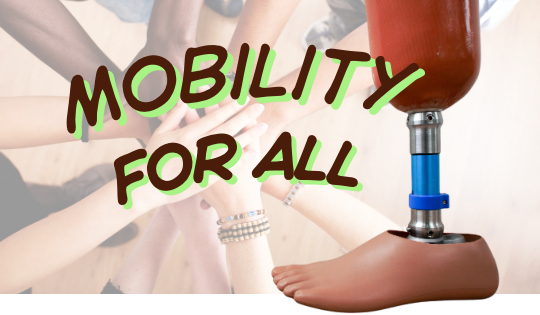
Stride Robotics Lightweight Power Knee Redefining Movement


This episode wrapped up Limb Loss and Limb Difference Awareness Month in a powerful way by looking toward the future of mobility, technology, and what it truly means to help people live again after limb loss.

After a month full of stories about trauma, cancer, amputation, grief, fear, faith, and resilience, I wanted to end this series by asking a bigger question: once someone survives, how do we help them truly reclaim their life?

That is why I invited Revanth, cofounder and CEO of Stride Robotics, onto the BAWarrior podcast. Stride Robotics is working to redefine mobility through lightweight powered prosthetic technology designed to restore strength, endurance, and freedom for amputees. I also have the honor of serving as an advisor for their company, helping give feedback from the lived experience of an above-knee amputee.


In this conversation, Revanth shared his journey from robotics and engineering into the prosthetic world. What stood out to me most was his honesty. He admitted that, early on, he was focused on building something impressive. But through conversations with amputees and prosthetists, he realized that innovation only matters if it solves a real human problem. That shift — from building something cool to building something truly useful — is where the heart of this conversation lived.

We talked about the communication gap between engineers, prosthetists, and amputees. All three groups are speaking from different perspectives, and yet all three must work together if prosthetic technology is going to improve real lives. As an amputee, I know firsthand that we do not always describe things in technical terms. We describe how something feels. We talk about trust, effort, fear, exhaustion, balance, and whether a device allows us to live the way we want to live.

One of the most powerful parts of this episode was our conversation around “mental load.” True mobility is not just about walking. It is about not having to think through every single step. It is being able to hike and look at the view instead of staring at the ground. It is walking into a room without calculating every movement. It is trusting your body and your prosthesis enough to live fully.

Revanth explained how Stride Robotics is working on a powered knee that is lighter, quieter, more affordable, and more functional than many powered options currently available. Their goal is to reduce strain on the hips, back, shoulders, and intact limb while helping amputees move with more confidence and less compensating. We talked about battery life, USB-C charging, fall prevention, waterproof possibilities, loaner programs, clinician support, and even future data feedback that could help prosthetists better understand how their patients are moving in real life.

But what I loved most was that this was never just a conversation about a device. It was about dignity. It was about access. It was about making sure technology does not only serve the few who can afford it, but eventually reaches amputees around the world who are desperate for mobility, independence, and hope.

This episode is also a call to action. Whether you are an amputee, prosthetist, engineer, student, investor, donor, or simply someone who cares, there is a place for you in this movement. Stride Robotics needs feedback, connection, research, support, and people willing to help move innovation forward.

Limb loss awareness cannot end with awareness. It has to move us into action. My hope is that this episode inspires you to get involved, ask better questions, support meaningful change, and become a beacon of hope for those still fighting to reclaim their mobility and their life.


Join the Movement. Bring dignity, independence, and mobility to all.

Today, that’s YOUR Call to Action, your charge from this month of story telling.

Be a part of the change, today! You can reach out to us:

Angie: BAWarrior360@gmail.com

Revanth: LinkedIn

Stride Robotics: LinkedIn

Stride Robotics: Website

Thank you for watching, sharing, and subscribing.

Let’s change lives, TOGETHER!

See you next week, and as always,

Be Healthy,

Be Happy,

Be YOU!!!


Much love,


Be A Warrior, Become an Ambassador for Change

Be A Warrior, Become an Ambassador for Change

Limbs For Humanity: Restoring Hope One Leg at a Time


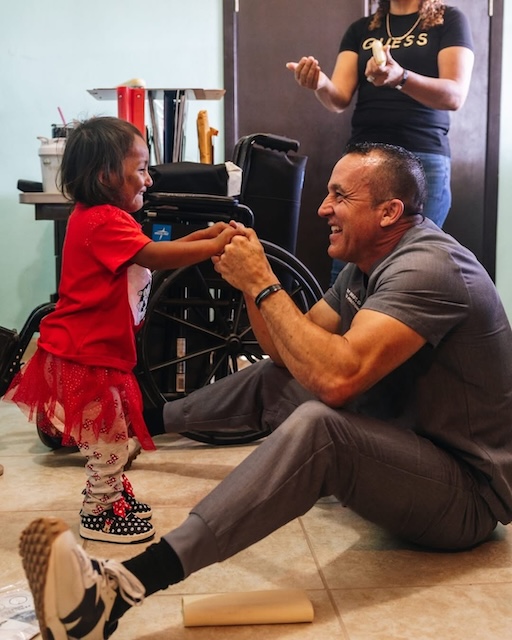
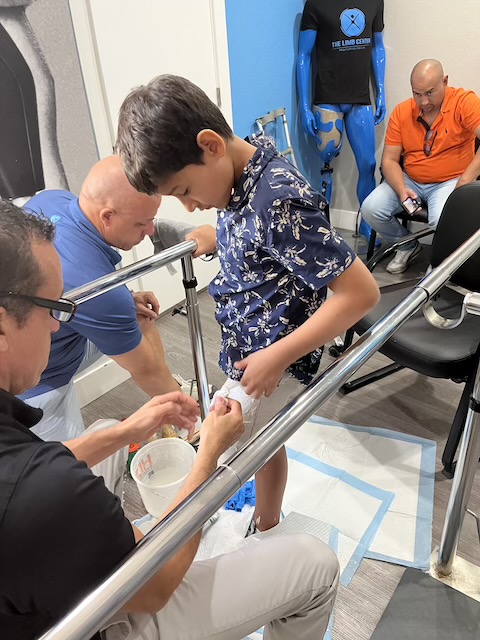
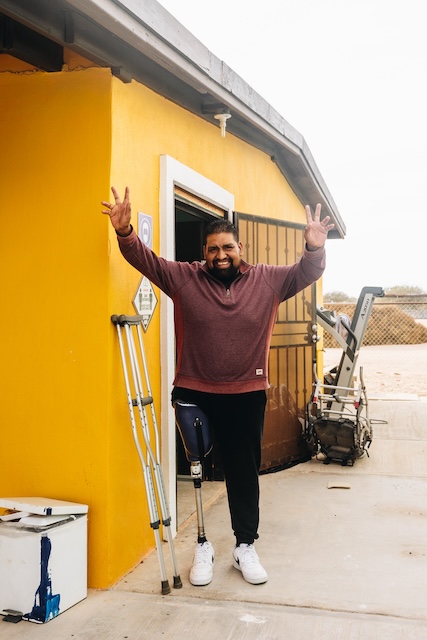
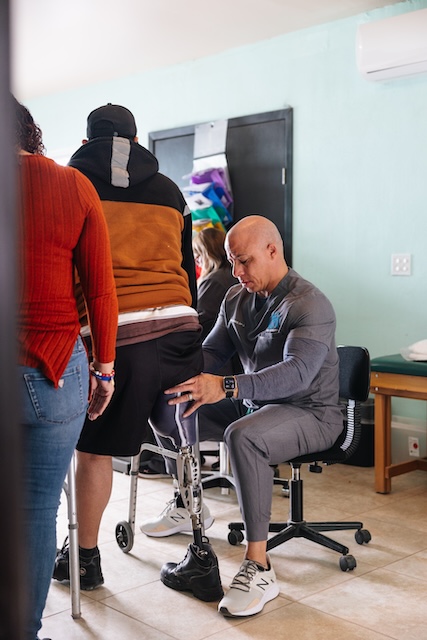
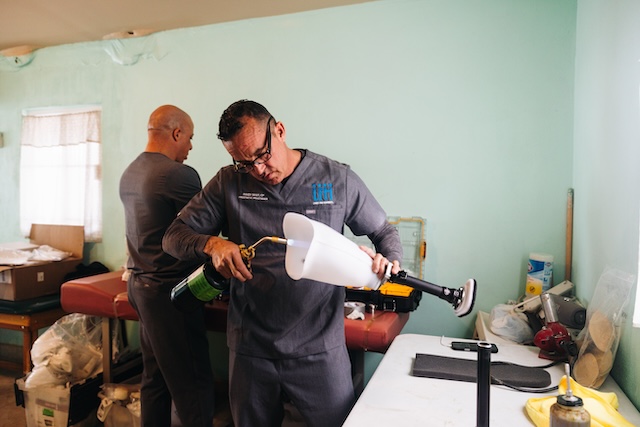
In this powerful and perspective-shifting episode of Be a Warrior Podcast, I sit down with two men who have not only walked alongside me in my own journey as prosthetists, but who have also chosen to step far beyond the walls of their profession to answer a much bigger calling. Randy and David, co-founders of Limbs for Humanity, join me to share the heart, mission, and real-world impact of bringing prosthetic care to those who would otherwise never have access to it.

After spending the past month highlighting the deeply personal stories of survivors rising into warriors through limb loss, this conversation takes us one step further. Because what happens when someone has the strength, the will, and the fight… but no access to care? What happens when survival isn’t enough because the resources simply aren’t there?


That’s where Limbs for Humanity steps in.

Randy and David open up about how their work as everyday practitioners exposed a growing and heartbreaking gap—even here in the United States. Patients with jobs, families, and insurance still found themselves unable to afford prosthetics due to overwhelming deductibles and lack of coverage. What began as quiet, pro bono care quickly revealed a much larger need—one that couldn’t be ignored.


That need didn’t stop at our borders.

A single message about an underserved clinic in Rocky Point, Mexico sparked what would become a life-changing mission. Within months, they packed up their car and headed south, unsure of what to expect. What they found was staggering: hundreds of amputees with little to no access to prosthetic care. But what impacted them most wasn’t just the need—it was the people. Their resilience. Their gratitude. Their spirit.


We talk about the stark differences between limb loss in the U.S. and in underserved countries—where something as treatable as an infection can lead to amputation. Where young parents in their twenties and thirties lose limbs and, with them, their ability to provide for their families. And yet, even in the face of that, their strength is undeniable.

Through heartfelt stories—like young children receiving their first prosthetic and running, playing, and simply being kids again—you begin to understand that this work goes far beyond mobility. It restores dignity. Independence. Purpose.


But it’s not without its challenges.

The greatest barrier? Resources. Not time. Not skill. But the tangible components—knees, feet, liners—that make each prosthetic possible. Even with reduced costs and donated materials, the need far outweighs what they can currently provide. And that’s where this episode becomes more than a conversation—it becomes a call to action.

There are so many ways to get involved. From donating funds or unused prosthetic parts, to volunteering time, offering professional skills like grant writing, or simply spreading awareness. One of the most exciting calls to action introduced in this episode is the push for ambassadors in all 50 states—individuals willing to be the voice of this mission in their own communities.

Because here’s the truth: you don’t have to change the whole world to make an impact. You just have to be willing to help change one life.

This episode is a reminder that being a warrior isn’t just about overcoming your own battles—it’s about reaching back and lifting someone else up. And together, we have the power to do just that.


Join the journey!

Check out their website HERE and ways you can get involved!

Want to find out how to become an ambassador? Check it out on my Warrior Ground website, HERE!


Become a part of something bigger, and join the movement!

Have a blessed week, and as always,

Be Healthy,

Be Happy,

Be YOU!!!


Much love,


When God Becomes Hope: A Teen’s Journey Through Loss and Healing

When God Becomes Hope: A Teen’s Journey Through Loss and Healing

Faith Fueled Resilience: Abri Bentley’s Story


There are moments in life when everything slows down just enough for you to hear what truly matters. This episode was one of those moments for me. As I sat across from Abri, I wasn’t just interviewing a guest-I was witnessing a living, breathing testimony of what it looks like to hold onto hope when everything else tries to take it away.

“Be joyful in hope, patient in affliction, faithful in prayer.” That verse from Romans 12:12 felt like it wrapped itself around this entire conversation. Because if there is anyone who embodies that kind of faith in motion, it’s Abri.


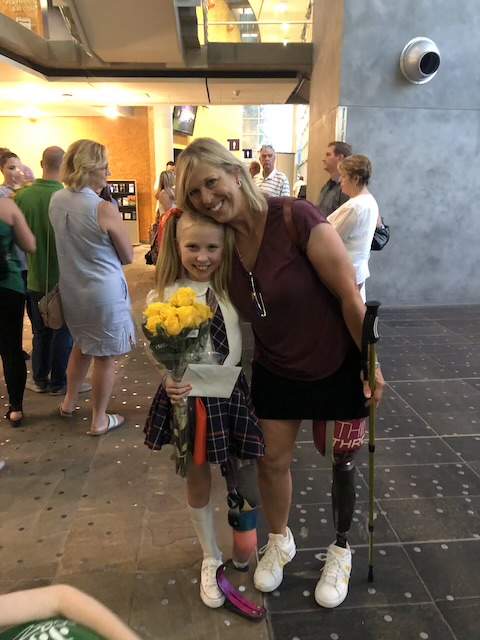
Abri’s first dance recital after amputation.

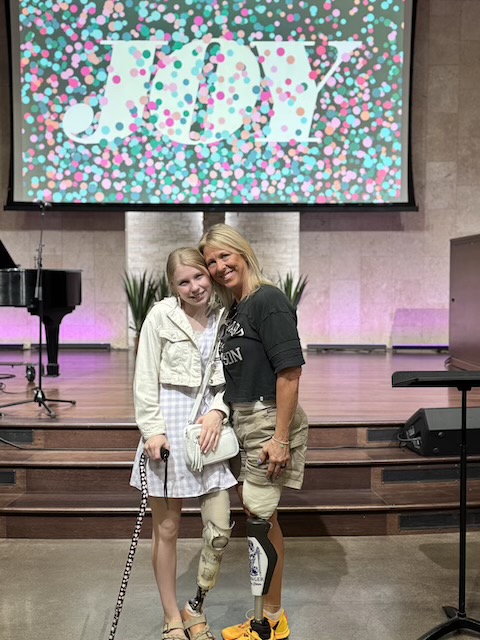
I first met Abri years ago, just after my own amputation. I was standing in a church parking lot on crutches, when I heard someone call my name. I turned to see a young girl—no older than nine—being carried over to me, full of light, full of joy, completely unshaken by the challenges she had already faced. In that moment, she didn’t just meet me… she steadied me. She spoke life into me without even realizing it. And I remember thinking, “If she can do this… I’m going to be okay.”

Fast forward to today, and that same young girl-now seventeen-is still walking through more than most people will ever understand. But what struck me the most during our conversation wasn’t just her strength. It was her honesty.


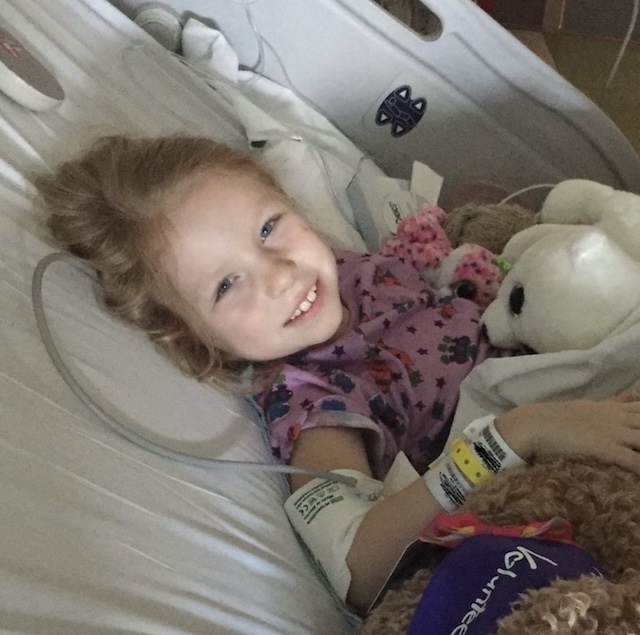
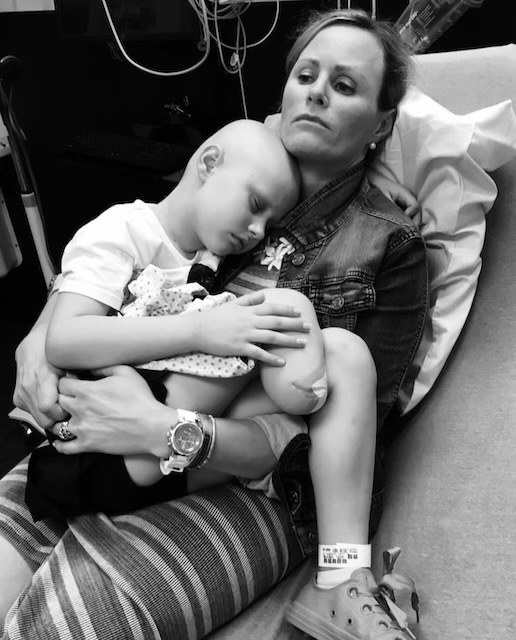
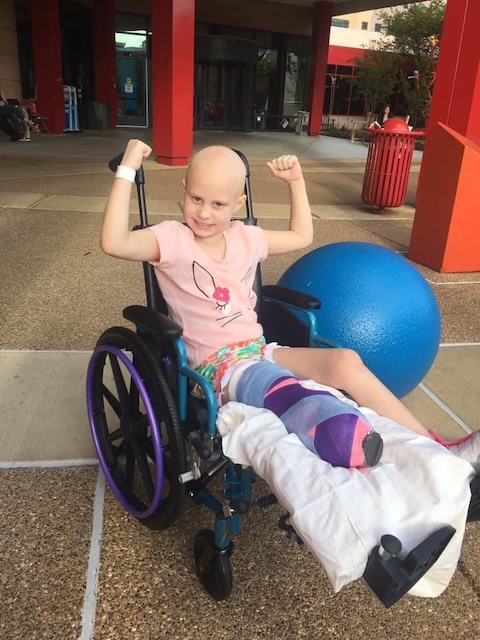
A young Abri battling cancer.

Abri didn’t sugarcoat the hard. She didn’t pretend that faith erases fear or pain. She spoke openly about the anger, the confusion, the loneliness. About the moments where her faith was shaken to its core. About isolating herself because fear felt safer than being seen. And yet… she didn’t stay there.

That’s the difference.

She made a choice-again and again-to lean back into God. Not perfectly. Not without questions. But with a willingness to trust, even when nothing made sense.


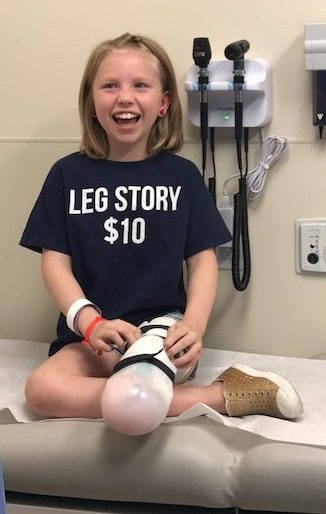
Laughter and sense of humor is so helpful amidst trials. Never lose your smile!

And what I see in her now is something even more powerful than the fearless little girl I first met. I see depth. I see resilience forged through pressure. I see a young woman who understands that faith isn’t about having all the answers-it’s about knowing where to turn when you don’t.

As we talked about what’s ahead for her-another amputation this summer, stepping into adulthood, reclaiming her voice in her own medical journey-I couldn’t help but feel in awe. Because she’s choosing courage in real time. She’s choosing hope in the middle of uncertainty. She’s choosing to believe that something good can still come from something incredibly hard.

And when I asked her what gets her through it all, her answer was simple, but profound: Jesus.

Not as a distant idea. Not as a checklist. But as a constant presence. A friend. A place to bring her anger, her fear, her questions—everything.

That kind of relationship… that kind of faith… it changes you.

It doesn’t mean the road gets easier. But it means you’re never walking it alone.

What Abri reminded me-and what I hope you take with you—is this: it’s okay to feel the hard things. It’s okay to be angry, to question, to struggle. But don’t stay there. Don’t build a home in that space.


Our reunion after several years of non-stop trials in Abri’s life.

Life is too short to live without hope.

And hope doesn’t come from the world—it comes from something deeper. Something steady. Something unshakable.

So if you’re in a season right now where everything feels heavy… where fear is loud… where you’re not sure how to take the next step… start small.

Find community. Find people who remind you of who you are when you forget. Open the door-even just a crack-to something bigger than yourself.

And maybe, just maybe… like Abri… you’ll begin to see that even in the pressure, even in the pain, something beautiful is being formed.

A warrior.

Be joyful in hope. Be patient in affliction. Be faithful in prayer. -Romans 12:12

Your story isn’t over.

And neither is the strength inside of you.

As always…

Be healthy,

Be happy,

Be YOU!!!


Much love,



From Diagnosis to Dig, Bridget’s Journey as a Teen Cancer Survivor

From Diagnosis to Dig, Bridget’s Journey as a Teen Cancer Survivor

A Daughter and Mother’s Story of Resilience


This week on BAWarrior Podcast, I had the absolute honor of sitting down with Bridget and her mom, Jamie, during Limb Loss and Limb Difference Awareness Month, and I can honestly say this conversation will stay with me for a long time. Bridget is only fourteen, but the strength, maturity, and perspective she carries are far beyond her years. From the moment we started talking, I could feel that this episode was going to be something special.


I first wanted people to meet Bridget for who she is today, not just through the lens of her diagnosis or her limb loss. She described herself as funny, athletic, and someone who tries to be outgoing, and I loved that. What stood out most to me was how clearly she wants the world to see that amputees are not limited. She wants people to understand that having limb loss does not mean your life becomes small. In her mind, amputees can still go after anything they want, and I think that message alone is powerful.


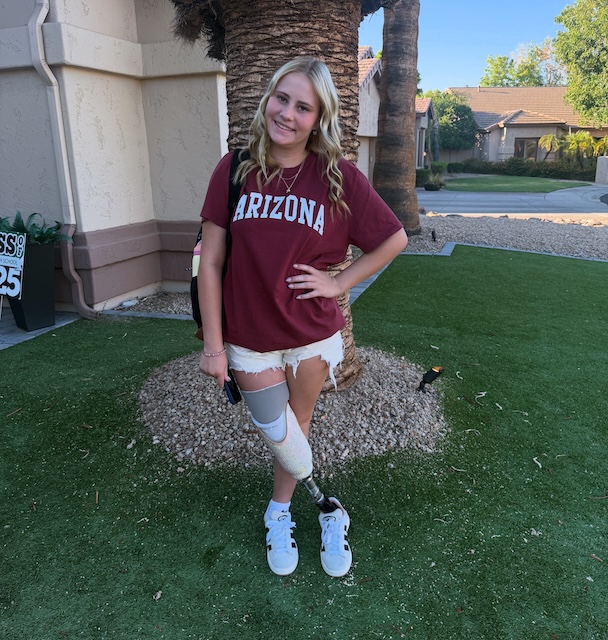
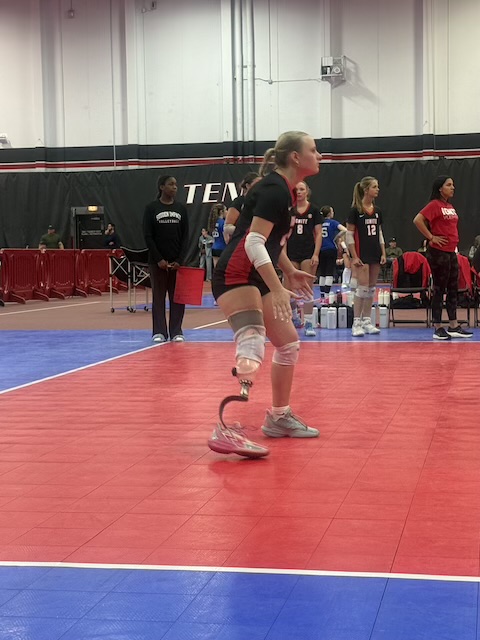
Bridget found her passion and purpose with volleyball. She made her high school volleyball team!


As we moved into her story, her mom Jamie helped fill in some of the earliest pieces. Bridget was only six years old when a soccer injury led to swelling in her leg, which quickly turned into tests, X-rays, an MRI, a biopsy, and the devastating news that no parent ever wants to hear: cancer. Jamie shared how ironic and heartbreaking it was that their family had already been deeply involved in raising money for St. Jude before ever realizing their own daughter would become a patient there. Within days, their whole world changed, and they moved to Memphis where Bridget underwent chemotherapy, a below-knee amputation, and months of treatment.

Listening to Jamie speak as a mother hit me deeply. She talked about the helplessness of watching your child suffer and not being able to take that pain away. As a mom, I felt every word of that. She described the trauma of treatment, the fear, the exhaustion, and the emotional weight of having to stay strong in the middle of the battle. And yet through all of it, Bridget kept moving forward.


Bridget’s strength was apparent almost immediately! She’s a fighter!


What amazed me most was that cancer and amputation were not the end of Bridget’s hardships. After treatment, she endured broken femurs, osteoporosis, growth plate complications, more surgeries, and more recovery. But even with all of that, she never seemed to settle into a mindset of defeat. Instead, she kept looking for the light. She kept believing there would be something better ahead.

For Bridget, that turning point came through sports. When she was able to get back into athletics, especially volleyball, it gave her life, purpose, and joy again. You could hear it in her voice. Sports helped her step out of survival mode and back into being a kid, an athlete, and a competitor. That part of her identity mattered, and it became a huge part of her healing.

One of my favorite moments in this episode was hearing about her determination on and off the court. She made her high school volleyball team, and even after her prosthetic blade cracked, she still found a way to keep going. Duct tape and all, she showed up. That story alone says so much about who she is. She is tough, gritty, and absolutely unwilling to let obstacles define her.

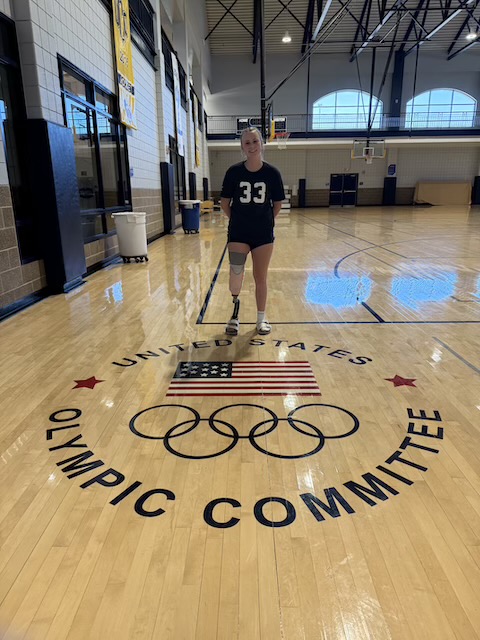
We also talked about her dream of making the U.S. Paralympic volleyball team, and I have no doubt she is on a beautiful path toward something incredible. She spoke about how meaningful it is to be in a space where her disability feels normalized, where she is not looked at as different, but as fully belonging. That really stayed with me.


USA Paralympic dreaming


What Bridget shared at the end was simple, but powerful: it gets better. Maybe not overnight, maybe not quickly, but there is always something better ahead. That kind of wisdom from someone so young is exactly why this month’s Survivors to Warriors series matters so much.

This episode reminded me that warriors do not always look loud or dramatic. Sometimes they look like a fourteen-year-old girl with quiet strength, relentless hope, and the courage to keep going. Bridget is absolutely one of them.


Make sure to join us on YouTube, HERE , or your favorite streaming platform for Bridget’s story and for several more Limb Loss Awareness month interviews of Survivors to Warriors. Like, Share, Subscribe today!!!


Have a beautifully, blessed week and remember what a warrior you are!

And as always,

Be Healthy,

Be Happy,

Be YOU!!!


Much love,


When Survival Becomes Worship-Abri’s Faith Walk

When Survival Becomes Worship-Abri’s Faith Walk

Finding Joy in Chronic Pain


What happens when the warrior you planned to interview is not quite ready to speak, but her story still needs to be heard? Sometimes the bravest thing we can do is pivot, honor the moment, and make space for healing.

This week’s episode was deeply special to me because it was a beautiful reminder that not every story unfolds the way we expect it to. I had planned to sit down with Abri, a young woman who has inspired me for years, but life asked us to pivot. Instead, I had the privilege of talking with her mom, Nikkole, and together we shared the story of a young woman whose life has been marked by unimaginable hardship, extraordinary courage, and unwavering faith.


A young Abri, when they discovered Ewing’s Sarcoma.


Even during the early struggles, humor was her super power.


I first met Abri years ago, shortly after my own amputation. I was still on crutches, still trying to process what my future might look like, when this little girl came over to meet me in a church parking lot. She was only around nine years old at the time, and yet she was the one encouraging me. She told me I was going to be okay. I have never forgotten that moment. Even then, I knew there was something incredibly special about her.


Shortly after my amputation, Abri made her post-amputation debut with her dance troupe, I went to be inspired… and I was!


In this conversation, Nikkole opened up about who Abri was before cancer ever entered their lives. She was fearless, fiery, adventurous, and full of life. She was the kind of child who made her mom nervous because she was always climbing, running, exploring, and living boldly. Then came the devastating diagnosis of Ewing’s sarcoma at just seven years old. What followed was every parent’s nightmare: hospital stays, chemotherapy, surgeries, uncertainty, and heartbreak.


What struck me most in talking with Nikkole was not only Abri’s strength, but the strength it took for her family to keep going. As moms, we so often go into survival mode for everyone else. Nikkole shared what it was like trying to hold her family together while watching her daughter suffer. She talked honestly about the crying in private, the fear, the exhaustion, and the isolation that can come when you are trying to be strong for everybody in the room.


A teenager at heart, doing teenager things, despite being more experienced in things no teenager should have to be experienced in.


Abri’s story did not stop with surviving cancer. She endured a failed limb salvage, chose amputation in order to get back to living, and returned to dance with the kind of determination that leaves you speechless. But even after all of that, the battles kept coming. Chronic pain, sepsis, ongoing medical trauma, and the emotional toll of living in a body that has endured so much have all continued to shape her journey.


And yet, through it all, Abri continues to shine. Her faith is powerful. Her spirit is undeniable. She is still in survival mode in many ways, and that deserves our respect. Some stories are not easy to tell while you are still living them. Some wounds are still tender. This episode is a reminder that healing is not linear, strength does not always look loud, and having a voice sometimes means knowing when you are not ready to use it yet.


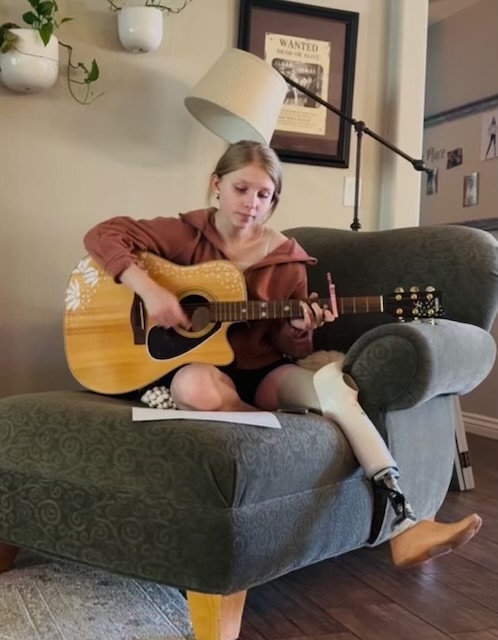
Sharing her talents with guitar playing and song writing, using worship music to tell her story and to connect with God.


What I hope listeners take from this episode is simple: do not give up. Your story is not over. You are more than what has happened to you. Abri is not just a cancer survivor. She is a warrior, a young woman of deep faith, and a light that is touching lives whether she realizes it or not.

When she is ready, I know she will tell her story in her own words. Until then, this episode is about honoring her journey, her family, and the sacred space healing requires.

Make sure to Like, Share and Subscribe so you have access to all of my episodes and especially so you don’y miss out when Abri is ready to tell her story.


Keep moving forward, Warriors. Your story is not over, it is just beginning!

And as always,

Be Healthy,

Be Happy,

Be YOU!!!


Much love,


Finding Strength in Ohana: Faith, Family, and Healing

Finding Strength in Ohana: Faith, Family, and Healing

Kainoa Spenser’s Road to Recovery

Week 2: Survivors to Warriors


April is Limb Loss and Limb Difference Awareness Month, and this episode of BAWarrior Podcast is one that will stay with me for a long time. In this powerful and deeply emotional conversation, I sat down with Kainoa Spenser, someone whose story reflects the very heart of what it means to move from surviving to truly living as a warrior.

Kainoa and I first connected while I was facing my own amputation journey, so having him on the podcast felt especially meaningful. What makes his story so extraordinary is not just the severity of what he endured, but the way he speaks about it with honesty, humility, faith, and wisdom beyond his years. Kainoa is a quadruple amputee, having lost both legs and most of his fingers after a devastating and sudden illness in 2017 while he was away at college.


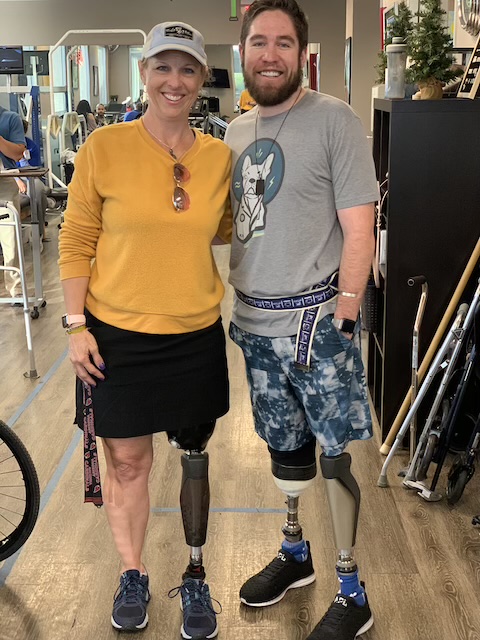
Meeting Kainoa for the first time at PT!


Before everything changed, Kainoa was a young man full of curiosity, ambition, and heart. He was studying international affairs, deeply involved in school, active in sports, passionate about history and philosophy, and rooted in the values of family and community. Those Hawaiian values of ohana—that no one gets left behind or forgotten-were already woven into who he was long before tragedy struck. And in many ways, those same values became part of what carried him through the darkest season of his life.

During our conversation, Kainoa shared the terrifying progression of his illness, from feeling sick during finals week to being misdiagnosed, flown home in critical condition, and rushed into emergency care where his health rapidly deteriorated. A strep infection had entered his bloodstream and lungs, leading to septic shock and necrotizing fasciitis. He spent weeks in a medically induced coma, and when he woke up, his life had changed forever. Some of the amputation decisions were made while he was unconscious, leaving his parents to make impossible choices. Other decisions, including the loss of his fingers, required his own consent in the middle of unimaginable pain and confusion.

What impacted me most was not only the heartbreak of his story, but the courage with which he spoke about the mental and emotional battle that followed. Kainoa was honest about the grief, the fear, the thoughts of being a burden, and the moments where he wondered if the weight of it all might break him. He spoke about missing the things many people take for granted-interlocking fingers with someone you love, standing in the shower, feeling sand beneath your feet. Those losses are real, and he did not try to minimize them.

But what also came through so clearly was this: healing does not happen in isolation. Kainoa’s story is a powerful reminder that community matters. Family matters. Faith matters. The right people around you can become the bridge that carries you from despair to hope. Through meeting other amputees, witnessing independence modeled before him, leaning into his faith, and receiving overwhelming support from loved ones and community, he slowly began to shift. He began to see that this was not the end of his story.

Today, Kainoa is thriving. He finished his education, worked in high-level public service roles, became a homeowner, regained independence, and is now continuing his education at Thunderbird School of Global Management. He is living proof that resilience is built in layers, in waves, and through the willingness to keep turning the page.

This episode is a reminder that even in our deepest pain, there is purpose. Even in the valley, there is light ahead. Kainoa’s journey is not just about limb loss. It is about faith, perspective, gratitude, community, and discovering that life can still be beautiful, meaningful, and impactful after everything changes.

Make sure to Like, Share and Subscribe so you catch more inspiring stories, like Kainoa’s in the coming weeks.

And as always,

Be Healthy,

Be Happy,

Be YOU!!!

Much love,


Statistics and Realities of Limb Loss

Statistics and Realities of Limb Loss

Life Behind the Numbers of Amputees and Limb Difference


April is Limb Loss and Limb Difference Awareness Month, and this year on the podcast, I’m doing something that means so much to me. Instead of focusing only on my own story, I’m opening the door for other amputees to share theirs. That has become a tradition for me over the last five seasons, and this year I’m building the entire month around one powerful theme: Survivors to Warriors. I truly cannot wait for you to hear these interviews, because the young adults I have coming on embody courage, resilience, grit, and hope in a way that will leave you inspired. Their stories are raw, real, and deeply moving, and I’m honored to call each of them my friend.

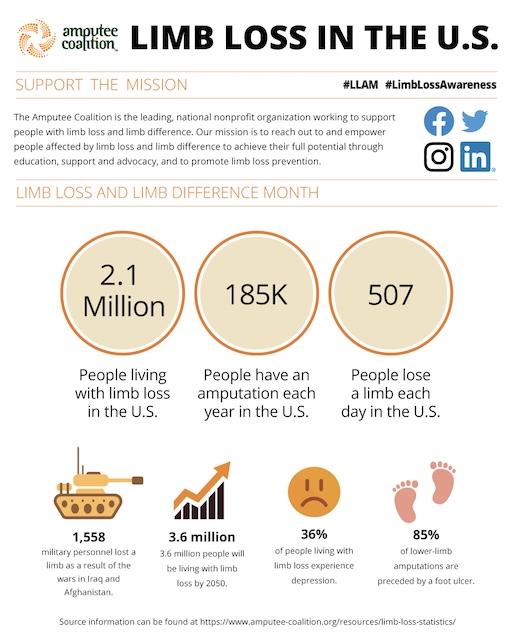
As I prepared for this month, I wanted to begin with something eye-opening: the statistics. Because the truth is, before I became an amputee seven years ago, I hardly ever noticed amputees around me. Maybe once in a while I’d see someone, but it felt rare. Now, just like when you buy a certain car and suddenly see it everywhere, I notice amputees much more often. Even so, the numbers tell me I should be seeing even more. And that is what really stopped me in my tracks.

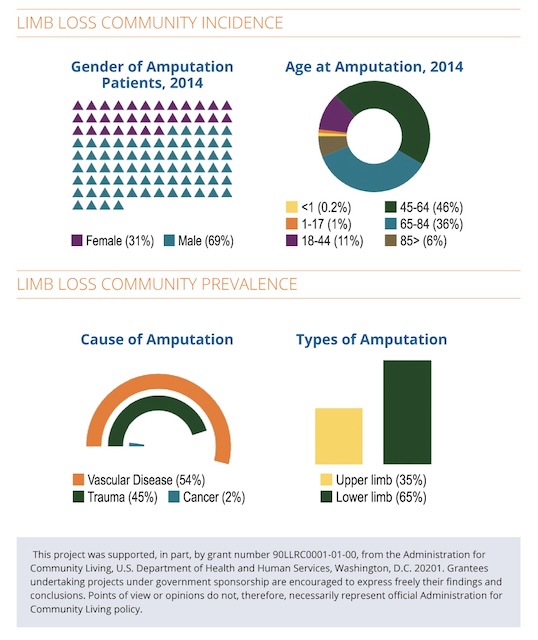
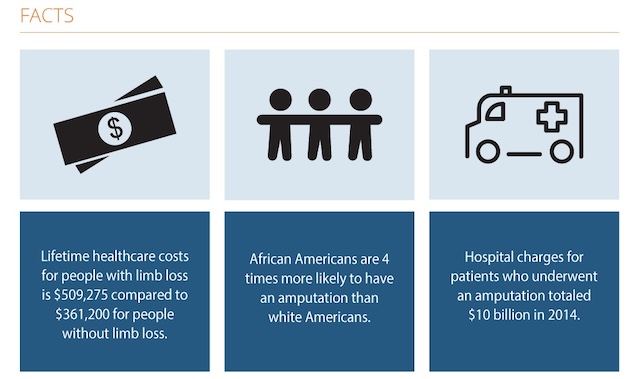
Worldwide, someone loses a limb every thirty seconds. There are tens of millions of people around the world living with limb loss, and what absolutely breaks my heart is that up to ninety percent of them do not have access to prosthetic care. Ninety percent. That number is staggering. And it hits close to home for me because I know what it feels like to have the hope of mobility threatened.

Amputee Coalition Statistics used on American Endovascular & Amputation Prevention site, April 25, 2022


Before my elective amputation, I was told everything would be covered. I did my homework because I knew prosthetics were expensive, and I needed the reassurance that if I moved forward with surgery, I would have access to the leg I needed. Then, about a month after surgery, we filed the insurance paperwork and I was denied. I can tell you without hesitation that those four weeks were some of the hardest weeks of my life. In the grand scheme of seven years, it may look like a blink. But in the moment, it felt like everything. I had dreams, goals, and visions of what life could be after amputation, and suddenly an insurance company was telling me no.

So I fought. Every single weekday, I called. I kept climbing the ladder, talking to the next person and then the next. I refused to sit back and wait for someone else to decide my future. That season demanded every ounce of emotional and mental strength I had. I had to advocate for myself when I was exhausted, scared, and uncertain. And when I think about the reality that so many people around the world never get that access at all, it is heartbreaking.


Amputee Coalition Statistics used on American Endovascular & Amputation Prevention site, April 25, 2022


The leading causes of limb loss are also telling. Vascular disease, including diabetes, makes up the largest percentage. Trauma is close behind, including accidents and injuries. Then comes cancer, though at a much smaller percentage. My own amputation came after years of surgeries following a karate injury, and eventually I made the deeply personal decision to amputate. Elective amputation is not an easy road, and whether amputation happens in an instant or after years of medical struggle, both journeys carry their own kind of trauma.

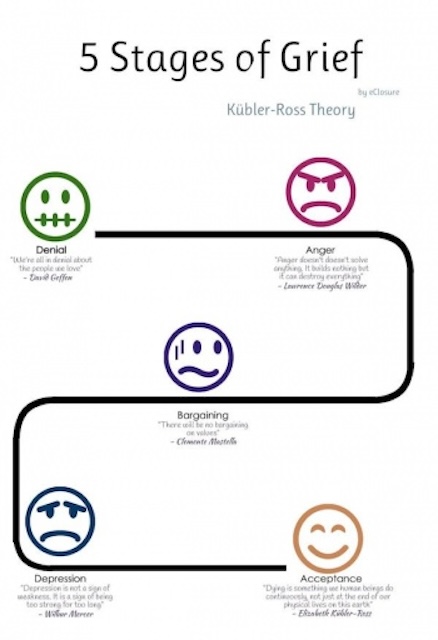
That’s the part people do not always see. Yes, limb loss is physical. It is visible. But the emotional and mental toll can be just as life-altering. Depression, anxiety, PTSD, fear, isolation, and loss of confidence are very real parts of this journey for so many amputees. People may see someone walking on a prosthesis and assume they are doing fine, but they do not always see the inner battle. They do not see the fear of falling, the anxiety of being watched, the struggle to trust your body again, or the grief of trying to figure out who you are now.


Amputee Coalition Statistics used on American Endovascular & Amputation Prevention site, April 25, 2022


Physiopedia: The 5 Stages of Grief and Loss; Axelrod, J. September 26, 2018, https://psychcentral.com/lib/the-5-stages-of-loss-and-grief/


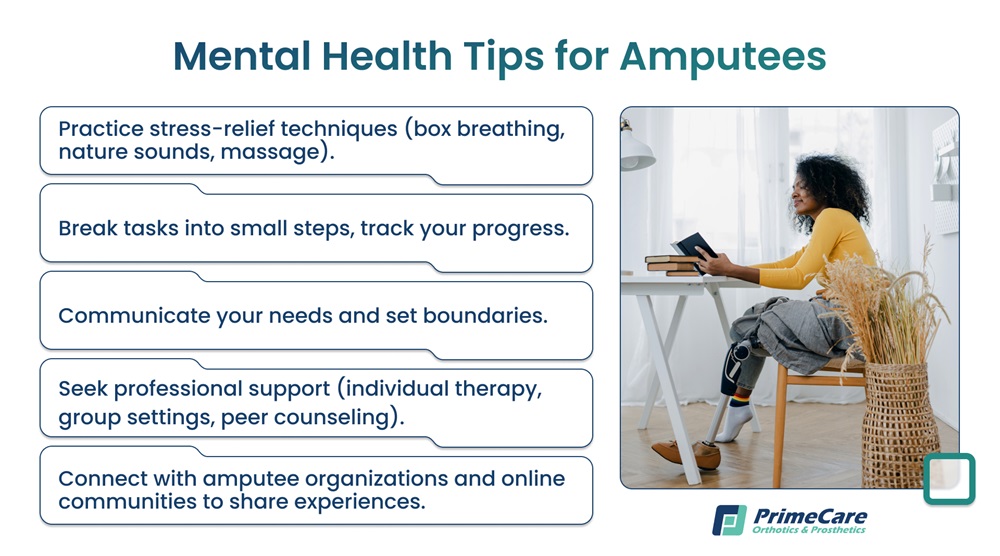
Prime Care, Blog by Eddie Zepeda. Published, January 20, 2025


And then there is phantom pain, something many amputees know all too well. Phantom pain and sensations can range from mild to absolutely overwhelming. It can feel like burning, stabbing, cramping, stinging, or relentless discomfort that comes out of nowhere and hits like a truck. It is one more reminder that the amputee journey is layered, complicated, and often invisible to the outside world.

That is exactly why this month matters so much to me. I want these interviews to shine a light on the real lives behind the statistics. I want you to hear from young adults who have endured the unimaginable and are now learning how to rise, rebuild, and become warriors. Their stories deserve to be heard, and I know they will inspire anyone who listens.

So as we step into Limb Loss and Limb Difference Awareness Month, I hope you’ll join me. Like, share, subscribe, and most of all, listen. These stories matter. These lives matter. And together, we can bring more awareness, more compassion, and more hope to a community that deserves to be seen.

And as always,

Be healthy,

Be happy,

Be YOU!!!


Much love,
Brokenness to Masterpiece

Brokenness to Masterpiece

The Canvas of Courage


What if the very thing you’ve been trying to hide… is actually the most beautiful part of your story?

This week on the BAWarrior Podcast, I found myself sitting in reflection after a weekend of rest, sunshine, and quiet moments here in Arizona. As spring starts to show up and life begins to feel a little lighter, I couldn’t help but think about something deeper, the parts of ourselves we often try to cover up. The broken pieces. The scars. The moments we wish never happened.

The Beauty in the Cracks

And I asked myself, and now I’m asking you, what if that brokenness isn’t something to fix or hide… but something to honor?

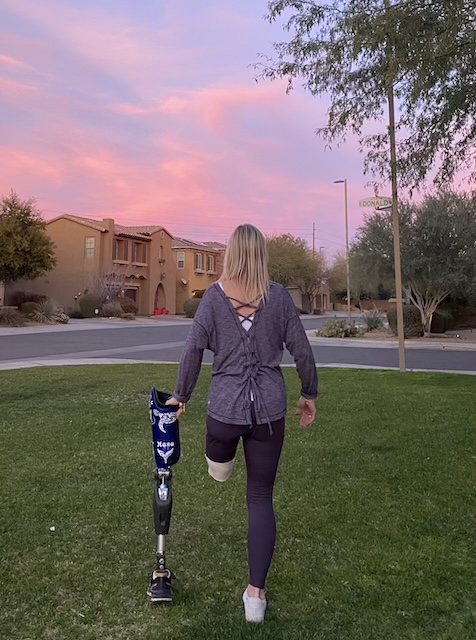
As an above-knee amputee, my brokenness is visible. It’s physical. But what people don’t always see is the emotional journey that comes with it. The uncertainty, the identity shifts, the moments of feeling completely lost. Even though my amputation was a choice after years of surgeries, I still didn’t know what the outcome of my life would look like. I didn’t know who I would become on the other side of that decision.

It felt like my life had been rerouted-like I was on one track, moving forward with a plan, and suddenly everything shifted. A new direction. A new identity. A new path I didn’t ask for.

But here’s what I’ve come to realize: that “mess”… that disruption… that brokenness… it became my canvas.

This week at church, I heard a phrase that stopped me in my tracks: the mess becomes the masterpiece. And I felt that deeply. Because there have been so many moments over the past seven years where I felt like an absolute mess. Not put together. Not polished. Not “figured out.”

But what if we’re not supposed to be?

What if the process; the struggle, the rebuilding, the redefining, is actually where the beauty is created?

So often, society tells us to fix what’s broken. Heal quickly. Move on. Or if we can’t fix it, hide it. Cover it up so no one sees. But I want to challenge that. Because those scars, those cracks, they tell a story. They show where you’ve been, what you’ve survived, and who you’ve become.


Honoring my scars, not hiding them


And I don’t see mine as something to hide anymore.

Every scar on my body represents a battle I fought and didn’t quit. Every challenge I’ve faced has shaped me into who I am today. I am still here. Still moving. Still growing. And that, to me, is something to be proud of.

Next month, as we move into Limb Loss and Limb Difference Awareness Month, I’ll be sharing more stories, because I believe so strongly in the power of storytelling. Every single person in this community has a story. And while they may look similar on the surface, the strength, the resilience, the warrior spirit behind each one is completely unique.

That’s why I named this podcast BAWarrior. Because I truly believe that’s what we are.

But being a warrior doesn’t mean life is easy. It means we fight. Daily. Sometimes hourly. We rise, even when the waves crash over us and try to pull us under. We find a way forward, even when it feels impossible.

And every one of those battles… every one of those cracks… becomes part of the masterpiece.

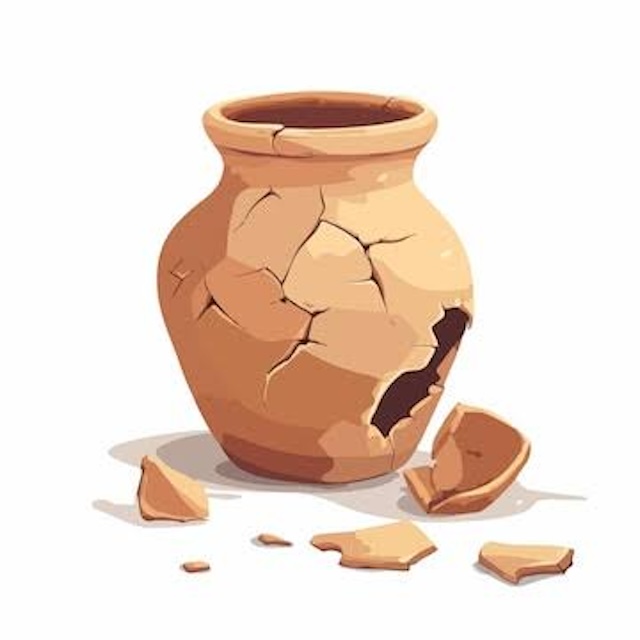
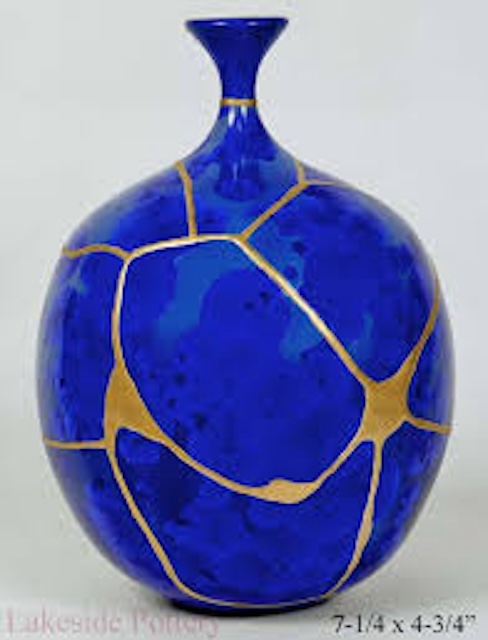
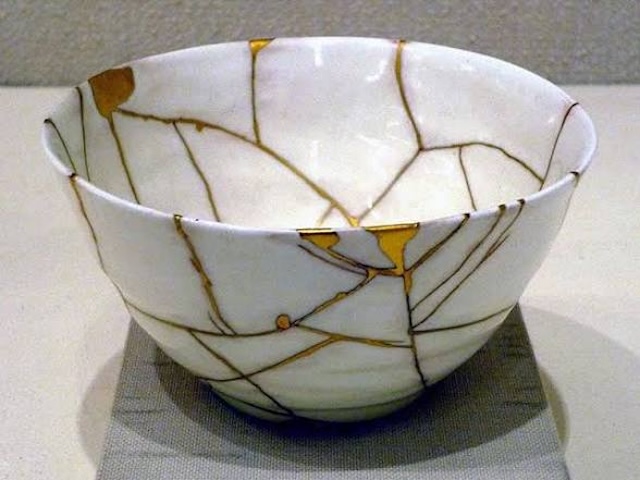
There’s a beautiful form of art, Kintsugi- a Japanese art that repairs broken pieces of pottery with gold! It symbolizes resilience, embracing imperfections, and the beauty of a repaired life. The cracks aren’t hidden. They’re highlighted. Honored. And in the end, the piece becomes even more beautiful because of where it was broken.


That’s us.

We are not less because of what we’ve been through. We are more.

So if you’re sitting here today feeling like a mess—good. That means something is being created. That means you’re in the middle of the process. And masterpieces take time. They aren’t rushed. They’re layered. Built stroke by stroke, day by day.

And here’s something I’ve learned along the way—when we take the focus off ourselves and begin lifting others up, something shifts. There’s healing in that. There’s purpose in that. When you help someone else rise, you rise too.


So this week, I want to give you something practical.

Name your cracks. What is your brokenness? Write it down. Then ask yourself—what meaning have I been giving this? And how can I rewrite that meaning?

And then—use it.

Use your story to help someone else feel less alone. Share it. Speak it. Own it. Because when you do, you’re not just healing yourself—you’re becoming a light for someone else who might be struggling in silence.

Stop covering your cracks.

Start honoring them.

Stand a little taller in your story. Smile when people look your way. Let curiosity open doors for connection. You are not something to hide—you are someone who has overcome.

And if you’re a woman walking this amputee journey and you’re looking for a place to grow, to be seen, and to be supported, I invite you to join our Amped Women virtual chats on Wednesdays. You don’t have to do this alone.

Because here’s the truth—I am still in the mess. Every day isn’t perfect. Every day isn’t easy. But I’m choosing to honor it. I’m choosing to trust that something beautiful is being created.

And I want that for you too.

You are not broken.

You are becoming.

You are a warrior.

And your masterpiece is still being written.

So chin up, rise up, warriors…

And as always,

Be Healthy,

Be Happy,

Be YOU!!!!

Much love,


Finding Your Place Again After Limb Loss

Finding Your Place Again After Limb Loss

“The Name on the Bottom of My Foot”


Do you feel like you belong?

That’s the question I want to start with today. Because if you’re an amputee, or walking alongside someone who is, you’ve probably felt that quiet, unsettling shift… that moment where life no longer feels like it fits the way it used to.

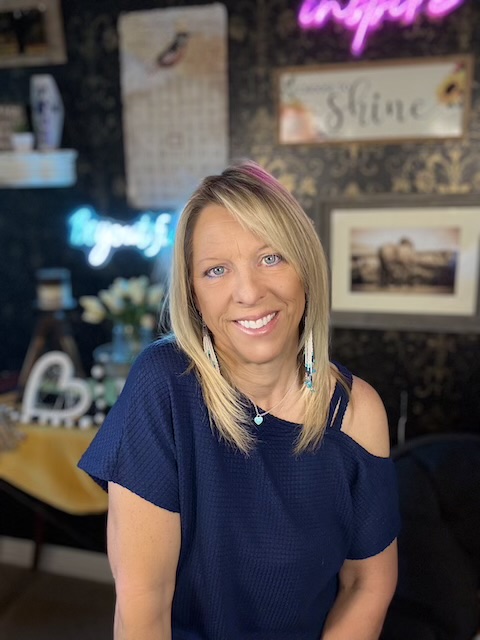
Welcome back to BAWarrior Podcast, a space for resilience, healing, and living life amplified exactly as you are. I’m your host, Angie Heuser, and I’m walking this journey right alongside you as an above-knee amputee.

This past week, I did something playful… but it turned into something deeply meaningful.

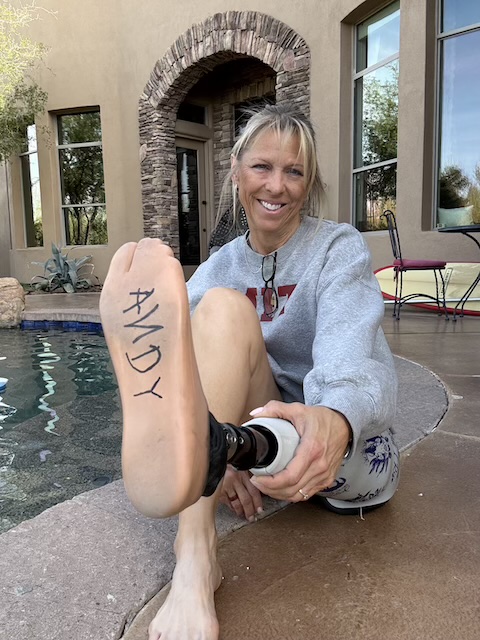
I was outside, barefoot in the Arizona warmth, and I had my prosthetic off because I was using my running blade. And for whatever reason, I grabbed a marker and wrote the name “Andy” on the bottom of my prosthetic foot.

If you’re a Toy Story fan, you already know the reference. Andy writes his name on the bottom of Woody’s boot, and later Buzz’s foot, as a symbol of belonging. It means those toys have a place. They matter. They are part of something bigger.


And as soon as I wrote it… it hit me.

Isn’t that exactly what we’re all searching for after limb loss?

Because here’s the truth, amputation doesn’t just change your body. It changes your identity. It changes how you see yourself, how you move through the world, and how the world sometimes responds to you.

For me, seven years ago when I chose to amputate, it felt like I was on a train that suddenly switched tracks without warning. I wasn’t going where I thought I would anymore. And the first real question became:

Who am I now?

Because I didn’t feel like I belonged in my old life the same way. Yes, I was still a wife, a mom, an athlete, but I also stood out in ways I never had before. From wearing gym shoes everywhere because of my prosthetic limitations, to navigating how people perceived me, to questioning where I fit socially… it shook my confidence and my identity.

And what I’ve learned through talking to so many amputees is this:

The surgery isn’t the hardest part.

Learning to walk again isn’t even the hardest part.

The hardest part… is figuring out where you belong now.

That’s the piece no one really prepares you for.

And that’s where this idea of Andy’s name became so powerful to me.


Because in Toy Story, those toys aren’t afraid of being broken, they’re afraid of being forgotten. Of not having a place. Of not belonging anymore.

And isn’t that what we feel sometimes too?

But here’s the shift. Here’s where the warrior mindset comes in.

Instead of asking, “Why did this happen to me?”

I started asking, “What can I do with this?”

That mindset changed everything.

I began to see this journey not as an ending, but as a reinvention. I set goals. I pushed myself. I proved, to myself first, that I was still capable of living a full, meaningful life. And in that process, something bigger started to unfold.

This podcast was born.

Then the women’s amputee chat group.

Then stepping into research, working with incredible teams at MIT and Harvard, participating in studies, surgeries, and innovations to help move our community forward.


My Community, My friends who always have my back!


I found purpose.

And I realized something important:

Belonging doesn’t come from going back to who you were.

It comes from building who you are now.

Our adversity creates our strength.

Our identity evolves.

Our scars tell our stories.

And our community creates our belonging.

That’s why community matters so deeply.

Because sometimes, you won’t find belonging in the same places you used to. And that’s okay. We outgrow spaces. People come and go. Life shifts.

But there is a place for you.

Your new “toy box,” if you will.

A place where people understand you. Support you. See you, not in spite of your journey, but because of it.

That’s why I created the women’s chats. Because I saw how many women were struggling with identity, friendships, relationships, confidence… all of it. And they needed a space where they could just be real.

Because you don’t have to do this alone.


So here’s what I want you to do this week, your call to action.

I want you to mark yourself.

Not necessarily with a tattoo—but with something meaningful.

A word.

A symbol.

Your name.

A reminder.

Put it somewhere you’ll see it every day—your mirror, your prosthetic, your journal, your car.

Something that tells you:

I belong.

I have purpose.

I matter.

For me, it was “Andy.” It made me smile. It brought me back to special, warm memories with my kids. It gave me a sense of lightness and meaning all at once.

But yours can be whatever speaks to you.

Because on the hard days, and they will come, you need something to ground you. Something to remind you that even though life looks different…

You are still part of this story.

You are not forgotten.

You are not alone.

You are not without purpose.

You are evolving.

You are growing.

You are becoming.

So find your new community.

Find your purpose.

And most importantly…

Mark yourself in a way that reminds you—you still belong.

You are warriors.

You are strong.

And I am so proud of how far you’ve come—and where you’re going.

Until next time…

Be healthy,

Be happy,

Be YOU!!!

💛

Much Love,


This Isn’t Enough For Me

This Isn’t Enough For Me

Advocating For Yourself is Self-Respect, Not Entitlement

What if the life you want is waiting on the other side of one powerful decision, the decision to advocate for yourself?

In this episode of the Be a Warrior Podcast, I dive into something that took me years to truly understand and learn how to practice: speaking up for myself. Advocating for yourself sounds simple, but in reality, it can be incredibly difficult especially when you’re navigating the medical world, recovering from trauma, or learning to live life in a completely new way after an amputation.
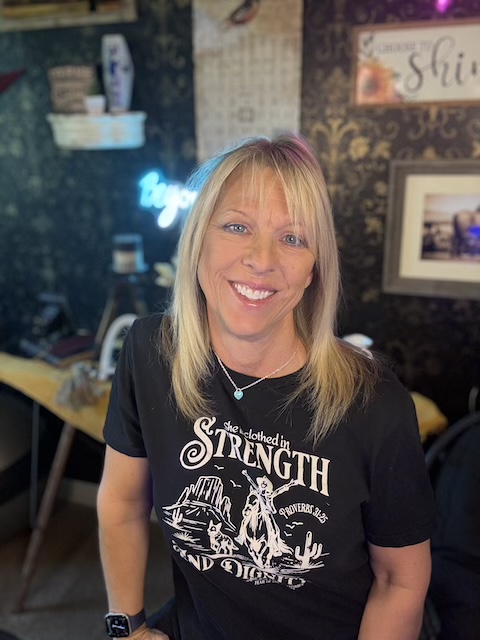
If you’ve been following along with my recent episodes, you know that my word of the year is “trust.” Trusting the process. Trusting the journey. Trusting that even when things feel uncertain or uncomfortable, there is still growth happening beneath the surface.

I’ve placed the word trust all around my home-on my bathroom mirror, near my bed, and in my office, so I see it every single day. It’s a reminder that the goals I’m working toward aren’t short-term. They’re marathon goals that require patience and faith in the process.

But this week, I realized something important. Trust and advocacy go hand in hand.

As an above-knee amputee, my journey through the medical world has been long and complicated. Before my amputation, I went through years of knee surgeries and saw nearly ten different doctors over a five-year period. In those early years, I did what many of us do, I trusted everything my doctors told me. I assumed they knew best, and I rarely questioned the direction we were taking.

Now, to be clear, those doctors truly did their best. My complications were due to hyperscarring and my body’s unique response to surgery, not a lack of effort from the medical team. But what I didn’t realize early on was that trusting the professionals didn’t mean I shouldn’t also trust myself.

Learning to advocate for myself took time. It came through experience, frustration, trial and error, and eventually learning to listen to my own body.

Because here’s the truth: you know your body better than anyone else.

Doctors understand the body in general, but they don’t live in your body. They don’t feel your pain, your discomfort, your limitations, or your goals. That insight only comes from you.

This lesson becomes incredibly important when you’re an amputee.

One of the most important relationships in an amputee’s life is the one you have with your prosthetist. Your prosthetic leg isn’t just equipment, it’s the tool that allows you to move through the world.

And one thing every amputee learns sooner or later is this: if the socket isn’t right, nothing else matters.

You can have the most advanced knee or ankle technology available, but if the socket doesn’t fit properly, your mobility will suffer. Your comfort will suffer. Your ability to live your life fully will suffer.

That’s why clear communication and persistence are so important.

Advocating means taking an active role in improving your life by clearly communicating your needs, your goals, and your concerns. It means explaining where pain occurs, when it happens, and how it affects your movement. Sometimes your prosthetist has to troubleshoot based on what you tell them because they can only observe from the outside.

Every amputee is different. Even two people with the same level of amputation will have completely different experiences. Our bodies, our pain tolerance, our lifestyles, and our goals all vary.

So if something isn’t working, we can’t be afraid to say it.


My Team of professionals over the years.
Take time to talk with them, communicate clearly, don’t settle.

My PT’s who helped me prepare for amputation.

My Prosthetist who has my back always and knows what I want to accomplish in life.


My plastic surgeon who performed a TMR a year post amputation because the pain was too much!


Sometimes we hesitate because we feel like the professional already tried their best. We don’t want to seem difficult or demanding. But when we settle instead of speaking up, we often end up limiting our own lives.

The goal isn’t to take your prosthetic leg off halfway through the day because it hurts too much. The goal is to put it on in the morning and live your life fully until the evening.

Advocating for yourself isn’t just about medical care, though. It also applies to the relationships and environments you allow in your life.

I often tell my kids that friends come into our lives for seasons and reasons. Some friendships last forever, while others naturally fade as we grow and change.

Advocating for yourself means recognizing when a relationship is supportive and when it might be holding you back. That doesn’t mean you abandon people carelessly. Healthy relationships require balance-a give and take.

But it’s also okay to acknowledge when something no longer aligns with who you are becoming.

During this episode, I share a quote from a book called “The Rise of Me” by
Kristina Macura that really resonated with me. One line in particular stood out:

“There’s power in saying, this isn’t enough for me.”

That statement doesn’t come from entitlement. It comes from self-respect.

You are allowed to grow.

You are allowed to raise your standards.

You are allowed to take up space in your own life.

Settling doesn’t make you loyal, it often just makes you smaller than you were meant to be.

At the same time, advocacy also requires self-reflection. We have to ask ourselves if we’re giving as much as we’re asking for. Are we supporting the people who support us? Are we maintaining balance in our relationships?

Growth isn’t about burning bridges. It’s about recognizing when it’s time to move forward while still honoring the people who walked part of the journey with you.

Life as an amputee, and honestly life in general, is rarely comfortable. But growth happens when we challenge ourselves.

Whether it’s skiing down a run that scares you, trying something new, or speaking up in a room where you once stayed quiet, progress comes from stepping outside of what feels safe.

So wherever you are in your journey right now, I want you to remember this:

Knowing you deserve the best isn’t entitlement, it’s self-respect.

You are valuable.

You are capable.

And you are stronger than you think.

Advocate for yourself. Raise your standards. Build the team and the life that helps you thrive.

Because the life you’re dreaming about isn’t impossible, it simply requires the courage to believe you’re worth it.

Have an amazing week ahead,

And as always, warriors,

Be healthy!

Be happy!

And most importantly, be YOU!!!!


Much love,