Category: Advocacy

Beyond the Socket: How Bionic Skins Is Changing Prosthetic Comfort

Beyond the Socket: How Bionic Skins Is Changing Prosthetic Comfort

Where Science, Innovation, and Personalized Prosthetics Meet

to Give Amputees Their Freedom Back
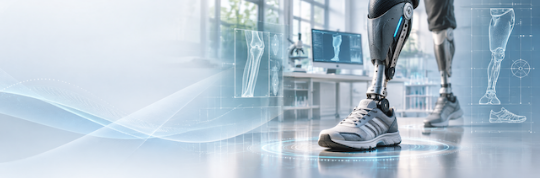


What if the biggest breakthrough in prosthetic technology isn’t a new knee, ankle, or robotic foot, but something much closer to our bodies, the socket itself?

As an above-knee amputee approaching eight years on this journey, I can tell you firsthand that the most advanced prosthetic leg in the world means nothing if your socket doesn’t fit comfortably. Pain, frustration, skin issues, and the constant mental load can turn an ordinary day into an exhausting battle.

This week on the BAWarrior Podcast, I’m welcoming back Eric and Devin from Bionic Skins, a Massachusetts-based prosthetics technology company with roots in MIT’s research labs and the work of Hugh Herr. Their mission? To bring more science, precision, and personalization into prosthetic socket design.

And what they’re developing could change how amputees experience mobility.

Dr. Hugh Herr, MIT Professor of Media Arts and Sciences; Thomas D and Virgina W. Cabot Professor
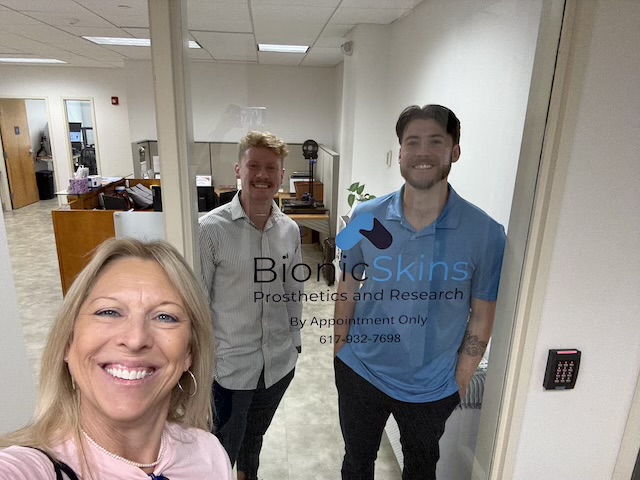
 

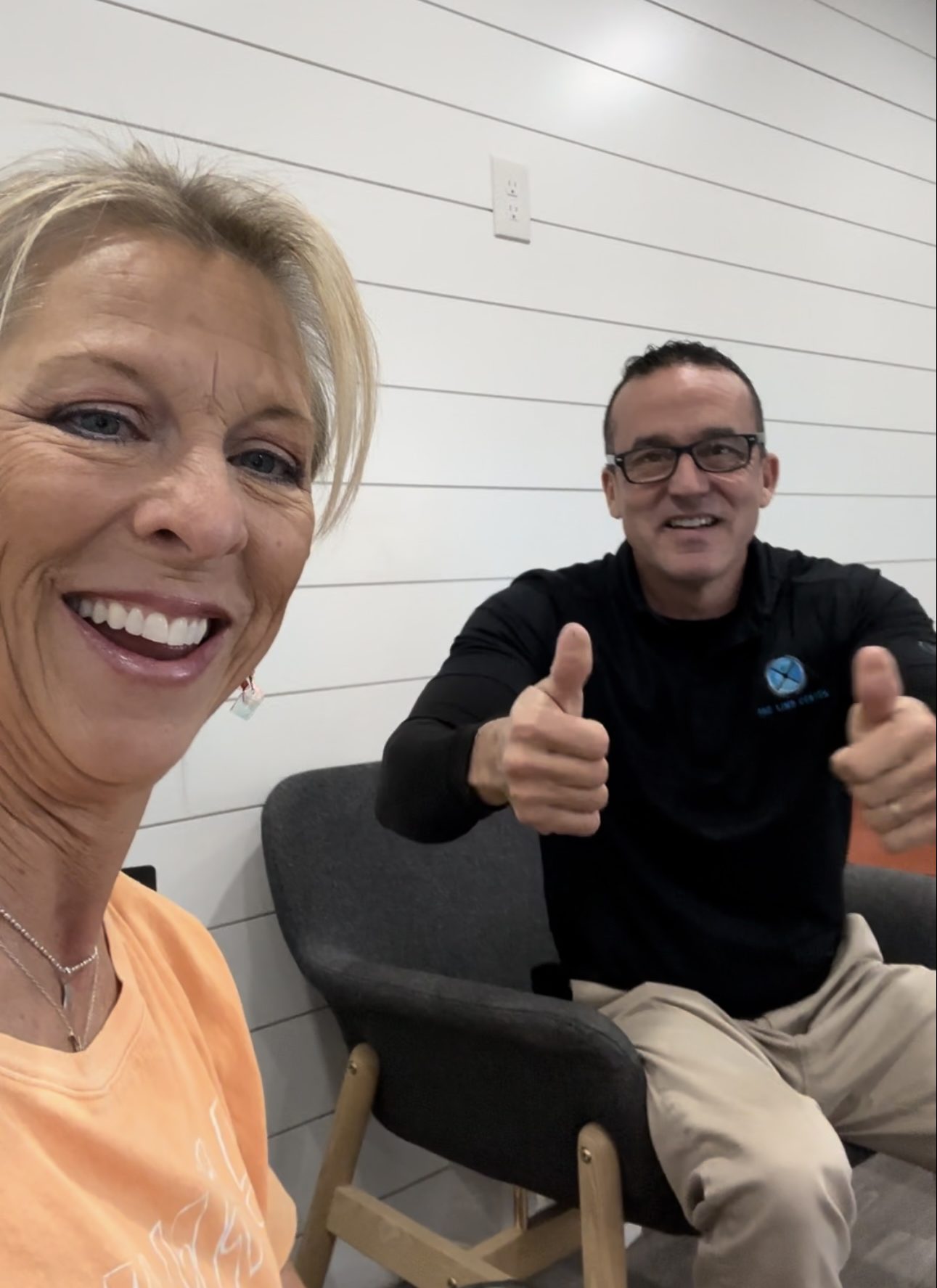
My visit to Bionic Skins with Eric (L) and Devin (R)


Taking Prosthetic Fit From the Outside In, or Rather, the Inside Out!

Traditional socket fitting often relies on casting the outside of a residual limb. Bionic Skins takes a different approach, using CT imaging, advanced computer simulations, and 3D printing to understand what’s happening beneath the skin.

By examining bone structure, soft tissue, and pressure distribution, they’re developing individualized socket and liner interfaces designed to improve comfort and reduce problematic pressure points.

We discuss why this matters, especially for amputees who have struggled through countless socket adjustments without finding lasting relief.
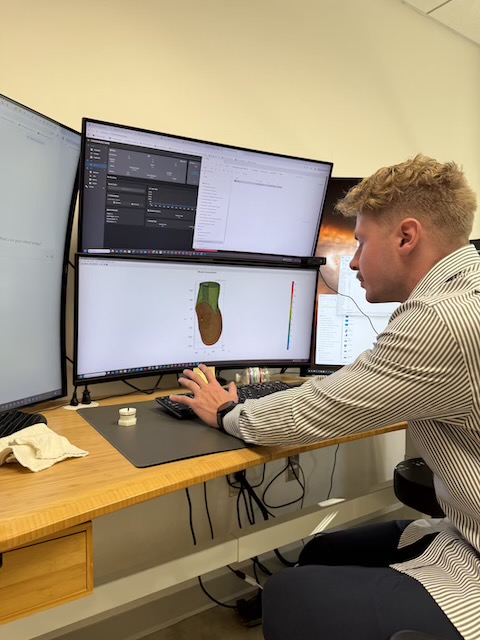
 

The science of it and how Eric uses scans and metrics to create the specialized fit for each patient.


Bringing Technology to Amputees Nationwide

One of the most exciting developments is Bionic Skins’ nationwide ordering portal.

You no longer have to travel to Massachusetts to explore their technology!

Through this program, below-knee amputees can work with their existing prosthetist, who can collaborate with Bionic Skins to create a personalized socket interface.

We also discuss their plans to expand into above-knee prosthetics, a development I’m personally excited to follow!

The Future of Prosthetic Innovation

Our conversation goes beyond socket comfort. We explore advances in suspension systems, individualized soft-tissue modeling, and the concept of digital memory, which allows Bionic Skins to retain fitting information as an amputee’s residual limb changes.

We also dive into their collaboration with MuscleMetrics and early-stage research involving magnetic implants that may eventually allow prosthetic ankles to respond more naturally to muscle movement.

Imagine reducing the constant mental calculations involved in walking, navigating stairs, or stepping off a curb.

That’s the future we’re discussing.

But what touched me most were the stories of amputees whose lives changed when they finally experienced greater comfort. From a mother who regained mobility and independence to a longtime amputee who discovered a different level of fit after decades of searching, these stories remind us why innovation matters.

Because prosthetic comfort isn’t simply about walking. It’s about having the freedom, confidence, and energy to live life amplified.


If you’re an amputee struggling with socket comfort, don’t stop asking questions or exploring your options. Visit Bionic Skins to learn more about their technology and how you or your prosthetist can start a conversation.

And if this episode resonates with you, please share it with another amputee, prosthetist, or someone passionate about adaptive technology.

Together, we can advocate for innovations that help us move beyond simply getting through the day and toward truly living.

And as always,

Be Healthy,

Be Happy,

Be YOU!!!


Much Love,

 

Pivoting Isn’t Quitting: Changing the Path Without Losing the Purpose

Pivoting Isn’t Quitting: Changing the Path Without Losing the Purpose

Power of the Pivot: Part 2 of 5


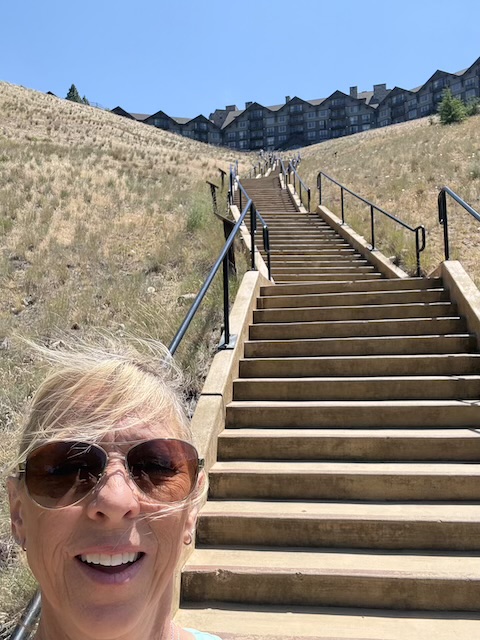
Sometimes the hardest part of a setback is not the pain itself, it is realizing that the plan you were so ready to chase suddenly cannot happen the way you imagined. In Part Two of my pivoting series on the BAWarrior Podcast, I share what I am learning in real time after pulling a muscle in my residual limb just as I set a new fall goal: one million steps by December 21.


Step it up!!


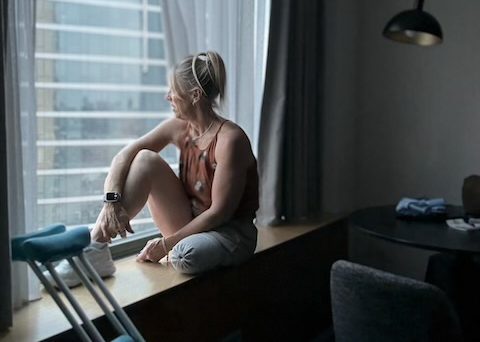
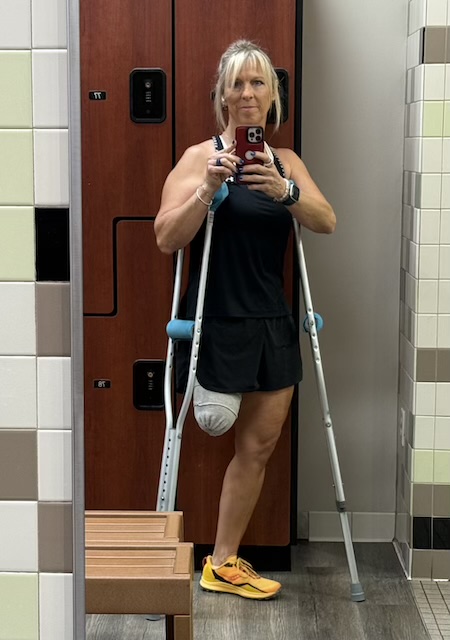
As an above-knee amputee, I am familiar with hard days. But this setback humbled me. Every step into my socket was painful, and I had to use a crutch, rest, and pull back from the walking routine I was excited to begin. My instinct has always been to push through. I have pushed through surgeries, recovery, pain, and the many obstacles that can come with amputee life. Yet I am learning that strength is not always about forcing your way forward. Sometimes strength looks like self-preservation. It looks like sitting down, asking for help, and letting your body heal.


Pause, Reassess, and Redefine yourself and your goals during times of setbacks and trials.


This is the heart of the episode: pivoting is not failure. A pivot means the method changes, not necessarily the purpose. My goal was never just a number on a step counter. I wanted to stay consistent, feel healthier and stronger, and protect the ability to ski, hike, travel, and make memories with my family. That purpose is still there even if my original plan has to change. Maybe I row instead of walk. Maybe I focus on healing first. Maybe I release this particular goal for now and come back to it in a different season.

I also talk honestly about the grief that can come with a setback. We are allowed to be frustrated, disappointed, angry, and still keep moving forward. We can grieve what we thought this season would look like while holding onto hope for what is still possible. For those of us living with limb loss, a difficult socket, injury, skin issues, or a loss of trust after a fall, these pivots can feel deeply personal. But our prosthesis, our goals, and our current limitations are not our identity.


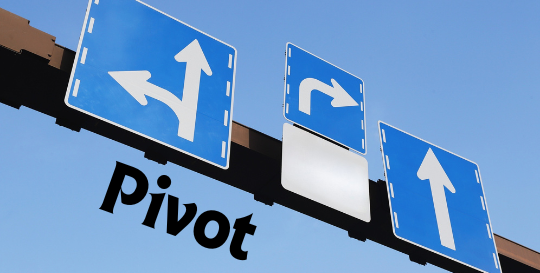
Adjusting the pathway that leads to your goal is Pivoting. There is more than one way to achieve them. If you want it- PIVOT!


When life stops you in your tracks, step back from the magnifying glass. Ask what truly matters, why it matters, and whether there is another path that honors both your goal and your healing. And remember: sometimes releasing something for now is not giving up. It is choosing the right timing.


Take five quiet minutes this week and write down: What is my goal? Why does it matter to me? Can I reach it by changing the method, or is this a season to release it and heal? Choose one small next step that supports your purpose today, whether it is calling a professional, taking a rest day, asking for support, or creating a new plan. Then share this episode with a warrior who needs permission to pivot, not quit.

You are more than your goals!

You are stronger than your setbacks!

Keep reaching for the stars, dear Warriors, and RISE UP, any way you can!

As always,

Be Healthy,

Be Happy,

Be YOU!!

Much love,


Passport to Possibility

Passport to Possibility

Traveling With Confidence as an Amputee


What if every new thing you accomplished earned you another stamp-not just in your travel passport, but in your confidence passport?


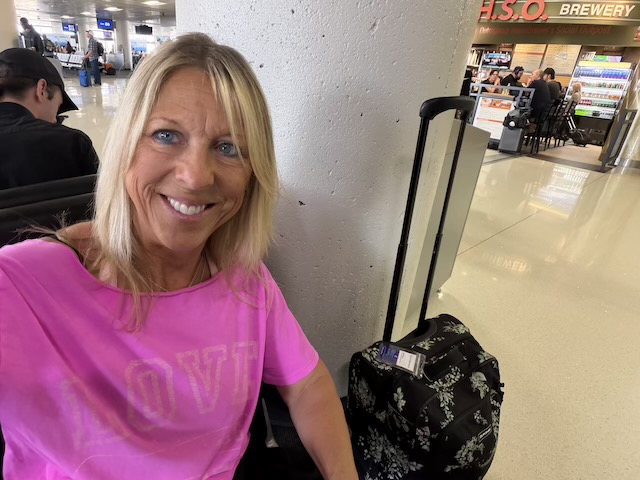
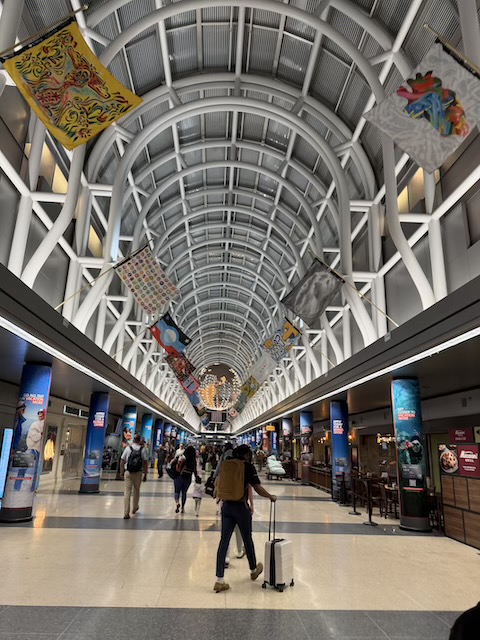
Solo flight to Chicago, O’Hare

Travel has always been a big part of my family’s life, but traveling as an amputee has been an evolving journey. Seven years into life as an amputee, I’m still learning something new every time I walk into an airport. And with every experience, I become a little more confident in what I can handle.

Recently, I took my second solo trip, flying to Chicago and doing something I’d never done completely on my own before: renting a car, navigating the rental process, driving to my destination, carrying my own luggage, returning the car, and getting myself back through O’Hare.

Then came the real test: a three-hour delay, three gate changes, crowded terminals, weather issues, hunger, bathroom logistics, and hauling my luggage everywhere I went.


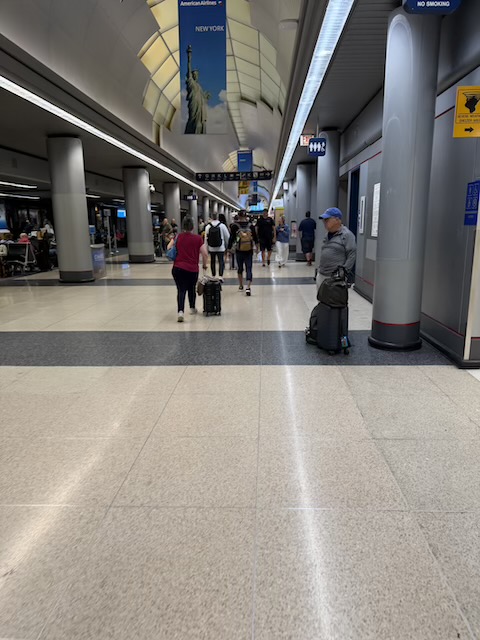
Long corridors to get from point A to point B


But I did it.

In this episode of the BAWarrior Podcast, I’m sharing what I’ve learned about traveling with a prosthesis, from navigating TSA and understanding your rights to medical bags, prosthetic tools, wheelchair assistance, priority boarding, long airport walks, and preparing for the unexpected.

One of the biggest lessons I’ve learned is that, as amputees, energy is currency. A mile-long walk through an airport may not sound like much until you add luggage, standing in lines, gate changes, socket discomfort, fatigue, phantom pain, and everything you still want to do once you reach your destination. Sometimes independence means walking the airport yourself. Other times, independence means recognizing when using available assistance allows you to save your energy for what matters most.


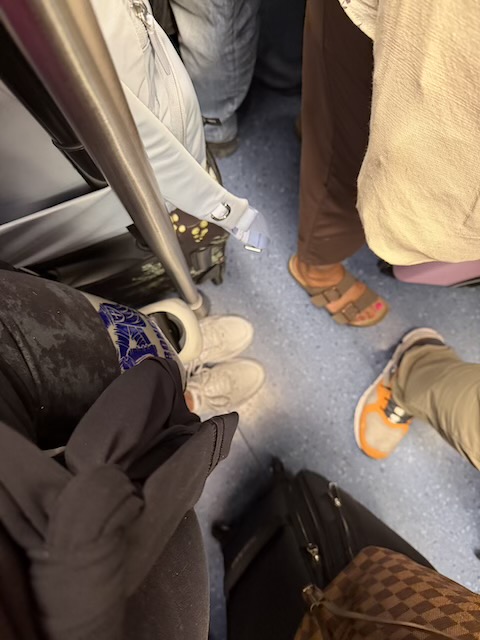
Rental car pick up late at night in a packed tram


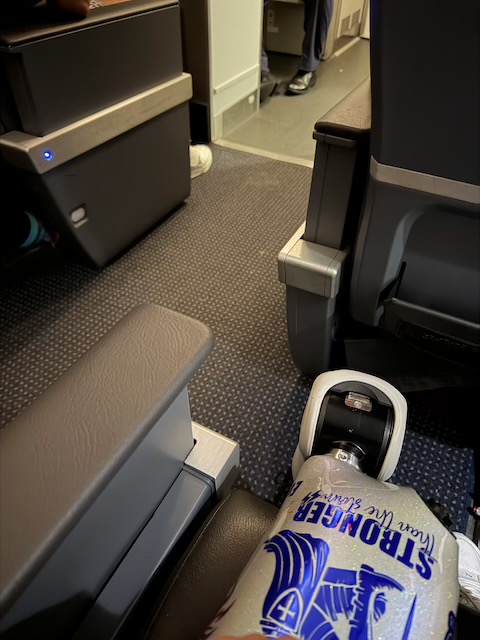
After several delays, I finally got on the plane for home!


And now I’m preparing for my next stamp: international travel.

This will be my first international trip since becoming an amputee. I’m thinking about cobblestone streets, crowded attractions, international accessibility, charging my microprocessor knee, adapters, and all the things I don’t even know I need to think about yet.

That’s part of the adventure.

Because ultimately, this episode isn’t really about airports or airplanes. It’s about confidence.

Every “first” becomes another stamp: your first overnight trip, first flight, first TSA experience, first solo trip, first rental car, or first international adventure.

Each one says:

I did that. And maybe I can do the next thing, too.


What’s stamped in your confidence passport?

Think about everything you’ve accomplished since limb loss—and then think about the stamps you’re still missing. What’s something that still scares or intimidates you? What experience would give you more freedom, independence, or confidence?

Choose your next stamp and start working toward it.

And make sure you come back for Part Two, because after my international trip, I’ll share what I learned about traveling abroad as an amputee—the victories, challenges, surprises, and everything I wish I’d known before I left.

Let’s keep filling those passports together.


Have a beautiful week, and Ill see you all in 2 weeks as we explore what I learned on my international journey!

Until then and as always,

Be Healthy,

Be Happy,

Be YOU!!!


Much love,


The Power of Self Advocacy in Prosthetic Care

The Power of Self Advocacy in Prosthetic Care

Advocate and Rise


What happens when the people responsible for helping you move forward stop listening? You learn how powerful your own voice can become.

In this episode of the BAWarrior Podcast, I step back from the idea of constantly pushing forward to talk about one of the most important skills every amputee must develop: advocating for yourself.

Self-advocacy has been a major part of my journey since long before my amputation. After tearing my MCL while preparing for my second-degree black belt test, I endured five years, ten surgeries, increasing pain, and complications caused by arthrofibrosis. Each surgery brought a new doctor, a new explanation, and another retelling of my medical history. Eventually, I realized I could no longer rely on someone else to connect every piece of the puzzle for me.

I began reading my surgical reports, researching unfamiliar medical terms, writing down questions, and paying closer attention to what my body was telling me. That process helped uncover the condition behind many of my complications and eventually gave me the courage to advocate for the amputation that changed my life.

That need to speak up did not end after surgery. It became even more important.

As amputees, we depend heavily on our prosthetists, especially after our surgeons are no longer involved in our everyday care. A prosthetic leg will never feel exactly like the limb we lost, so we must balance realistic expectations with the knowledge that constant pain should not be accepted as normal. Discomfort, adjustment, and awkwardness can be part of learning a prosthesis. Debilitating pain is a sign that something may need further investigation.


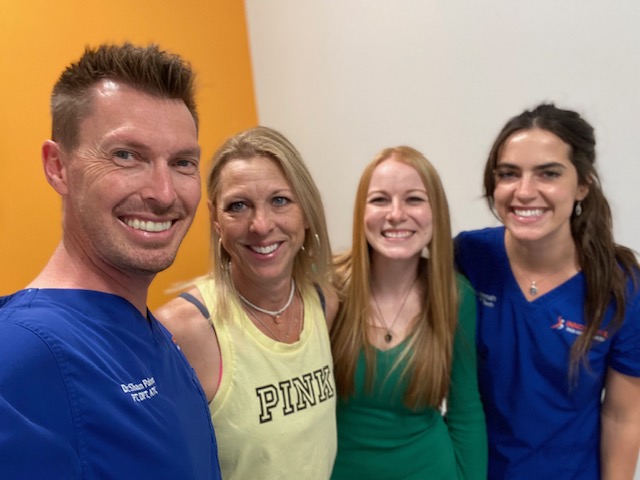
One of many appointments with my prosthetist.


I share how ongoing socket pain led my prosthetist and me to continue experimenting, collaborating, and searching for answers instead of giving up. Eventually, an MRI revealed a large neuroma that no socket adjustment could fix. That experience reminded me that good care requires teamwork. My prosthetist brought his knowledge, but I had to clearly communicate what I was feeling and continue trusting my instincts.

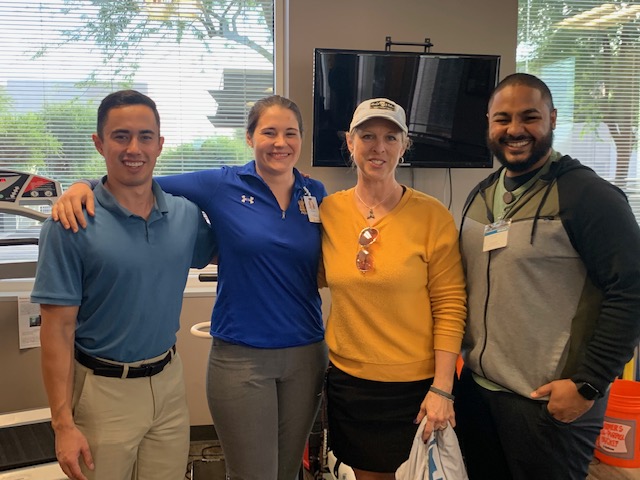
Supportive medical teams are a must in your positive care and experience as an amputee


Living as an amputee also carries a daily mental load. Some mornings my leg feels strong and ready for everything I have planned. Other days, discomfort, swelling, skin irritation, or a poor fit can completely change the day. Even more than seven years after my amputation, I still have to remain flexible and listen to my body.

My message throughout this episode is simple: do not give up on yourself. Ask questions. Bring someone with you when you need support. Find professionals who are willing to listen, collaborate, and fight beside you. You are more than an insurance claim, a medical chart, or a difficult case.


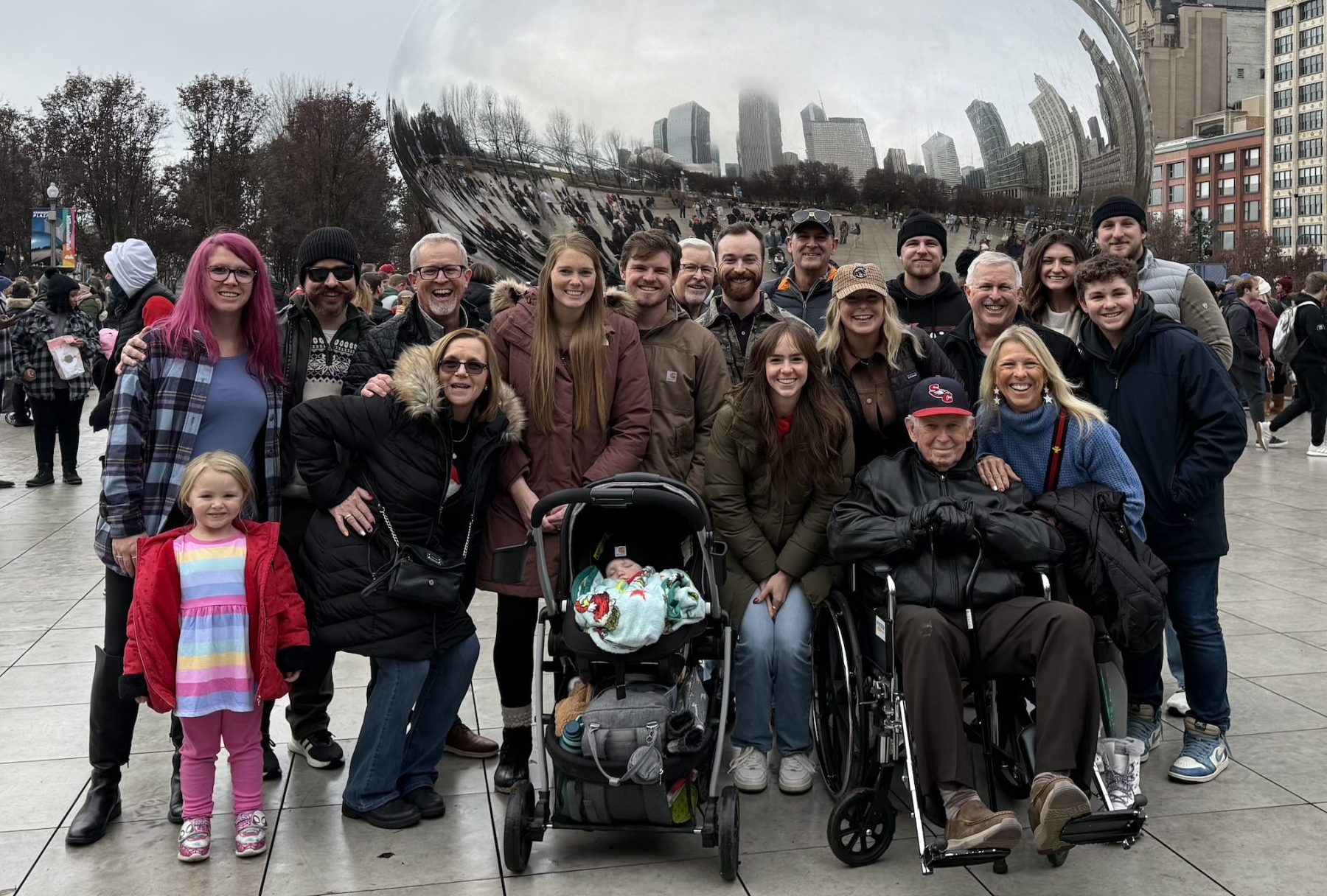
My support system


Your voice matters. Your mobility matters. Your future is worth fighting for.


Ready to Advocate for Yourself?

Your journey does not have to be walked alone. If you are struggling to feel heard, searching for answers, or simply needing a community that understands the realities of amputee life, I encourage you to reach out.

Join me and other women amputees during our weekly Amped Women virtual chats, where we come together to share, listen, encourage, and support one another. And if you are ready to move beyond survival, set meaningful goals, and take your next steps with accountability, Momentum may be the community you have been looking for.

Follow the BAWarrior Podcast, subscribe on YouTube, and connect with me on social media so you do not miss future episodes, live conversations, and community gatherings.

Most importantly, keep asking questions, keep trusting what your body is telling you, and never be afraid to use your voice.

You are worth advocating for. Your mobility matters. Your dreams matter. And you do not have to give up.


Have a beautifully blessed week ahead and as always,

Be Healthy,

Be Happy,

Be YOU!!!


Much love,