Tag: Residual Limb Care

When Every Step Hurts

When Every Step Hurts

Showing Up Through the Pain


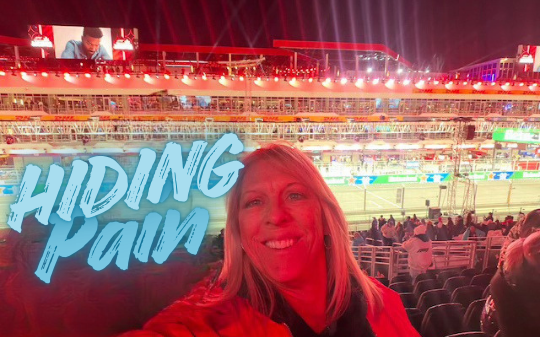
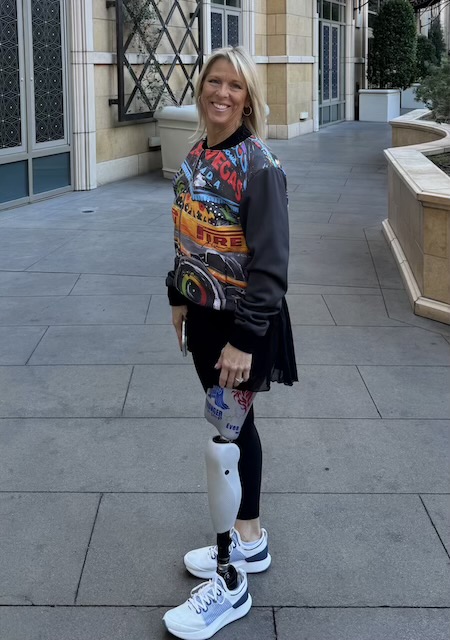
The Las Vegas F1 Grand Prix is something my family looks forward to every year. We know the Strip gets crowded, roads close, and getting around can mean long walks and stairs. This year, though, I had something unexpected to deal with: my socket’s trim line started rubbing my skin raw.

I kept walking, about 16,000 to 19,000 steps a day, while the sore spots reopened. Then my other foot started hurting in a new pair of shoes. By the end of one long day, there was blood on my sock. I was trying not to show how much it hurt, and I didn’t want my husband or family to worry. I just kept telling myself we were almost back to the hotel.

The hardest part came the next morning. I had taken my leg off the night before, but the rawness was still there. I knew that putting it back on meant facing the pain all over again. I had to talk myself through it and remember why I wanted to be there: to share this experience and make memories with my family. My husband found a little scooter that helped me through some of the long, open stretches, and I was grateful for that bit of relief.
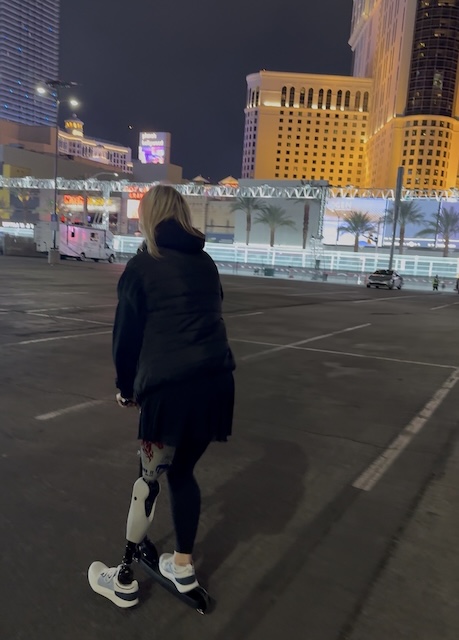
 

I’m proud I made it through the weekend, and I’m grateful for the memories we made. I also want to be clear: this is my experience, not a reason for anyone else to push through pain. I know my body and what I felt able to do. Please listen to your own body and make the choices that are right for you.

This weekend reminded me how much can be hidden behind a smile. When I’m limping, it doesn’t automatically mean my prosthesis is the wrong length. And when I’m out walking, it doesn’t mean every step is easy. Amputee life can take extra energy, planning, and mental effort. A little compassion can make a hard moment feel less lonely.


With Thanksgiving here, I want to leave you with something simple to do this week:

Write down five things you’re grateful for, or five reasons you keep pushing through.

Keep that list somewhere you can return to on the hard days.

What keeps you going?

And as always,

Be Healthy,

Be Happy,

Be YOU!!!


Much love,
Reimagine Your Life After Amputation

Reimagine Your Life After Amputation

Building a New Version of Normal


What happens when the life you want to return to no longer works the way you remember it?

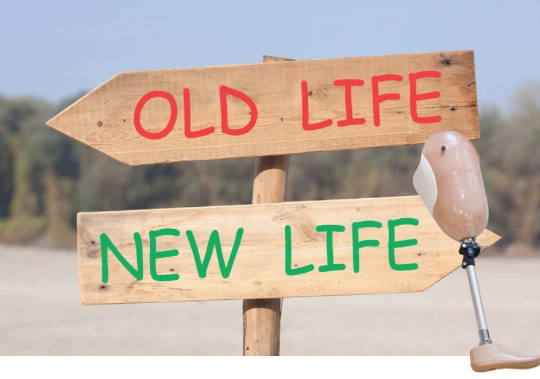
After amputation, we are often told that we can get back to doing the things we love, and I believe that is true. But I have learned that those activities may look, feel, and function differently than they did before. Recovery is not always about returning to the person we used to be. Sometimes, it is about reimagining what life can look like now.

Losing a limb changes more than our appearance. It changes our balance, center of gravity, movement patterns, energy levels, and the way we approach everyday activities. Even something described as being “as easy as riding a bike” can become complicated. Getting onto the bike, positioning a prosthetic foot, balancing, starting, stopping, and reacting quickly all require new strategies.

The same is true for adaptive fitness, hiking, running, skiing, traveling, and even standing for long periods. Our bodies operate under different physics after limb loss, and we often use more energy to complete the same activity.

I think of energy as currency. Every activity makes a withdrawal, so I have to be intentional about how I spend it. If I know I have plans with family or friends, I may need to skip the gym, shorten another activity, or rest beforehand so I have enough energy to be present.

I also have to protect both my residual limb and my sound limb. Socket fit, skin irritation, phantom pain, neuromas, fatigue, and compensation can change how I move from one day to the next. There are days when pushing forward is appropriate, and there are days when pulling back is the wisest choice I can make.

Wisdom is not weakness.

Resting, using a mobility aid, shortening a workout, or changing a goal does not mean I am failing. It means I am protecting my body for the next twenty, thirty, or forty years. I have learned to ask myself, “Is it worth it?” Is the activity worth the pain, skin damage, lack of sleep, or extended recovery that may follow?

Success after amputation must also be personal. I cannot measure myself against who I was before surgery, another amputee on social media, or a Paralympic athlete with years of specialized training. My success may mean hiking a shorter trail, trusting a running blade, completing half a day of skiing, or simply showing up and moving my body.

Reimagining life after amputation means experimenting, adapting, learning from setbacks, and creating new goals. Progress is rarely linear, but every step still matters.

My life did not end with amputation. A new chapter began, and I get to decide what comes next.


Your Warrior Challenge

Think about something you have been trying to return to. Are you measuring your progress against your old life, or are you giving yourself permission to approach it differently?

Choose one goal this week and reimagine it. Adjust the pace, change the method, ask for support, and create a version that works for the body you have today.

Stop chasing your old normal. Start building a life that supports who you are becoming.

Keep moving forward, dear Warrior! One step at a time!

And as always,

Be Healthy,

Be Happy,

Be YOU!!!


Much love,