Tag: Prosthetic Leg

The Power of the Pivot: A Five Part Series

The Power of the Pivot: A Five Part Series

When Your Body Changes the Plan


What if pulling back is not weakness, but the very thing that keeps you moving forward?

In this episode of BAWarrior Podcast, I’m opening a new five-part series called The Power of the Pivot. This first conversation is about one of the hardest pivots for me personally: when my body says, “I’m done,” even when my mind still wants to push ahead.

After returning home from international travel, I was ready to get back into my normal rhythm. I wanted to eat well, get back to the gym, move my body, and feel strong again. But after a simple walk in the Arizona heat and humidity, I experienced a deep, unfamiliar pain inside my residual limb. It was not phantom pain or skin irritation-it felt like a physical muscle injury, and it made every first step into my prosthesis painful.


The timing felt almost ironic. Just days later, I was headed to Boston for my one-year follow-up after my AMI revision with Dr. Carty, along with visits to my PT and the incredible researchers at MIT working on future prosthetic innovations. I was scared that I had damaged something significant. Instead, my appointment brought a possible silver lining: because my muscles are now working differently after AMI, I may have simply pulled a muscle after moving too quickly while my body was cooling down.

Even with that reassurance, I had to face a truth I do not always like: I needed to pivot.
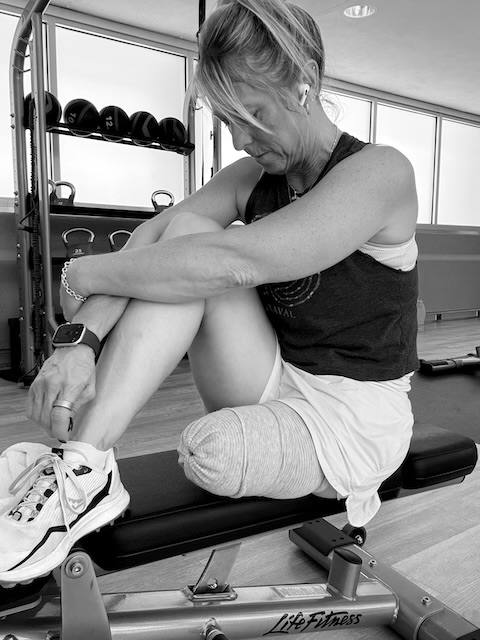


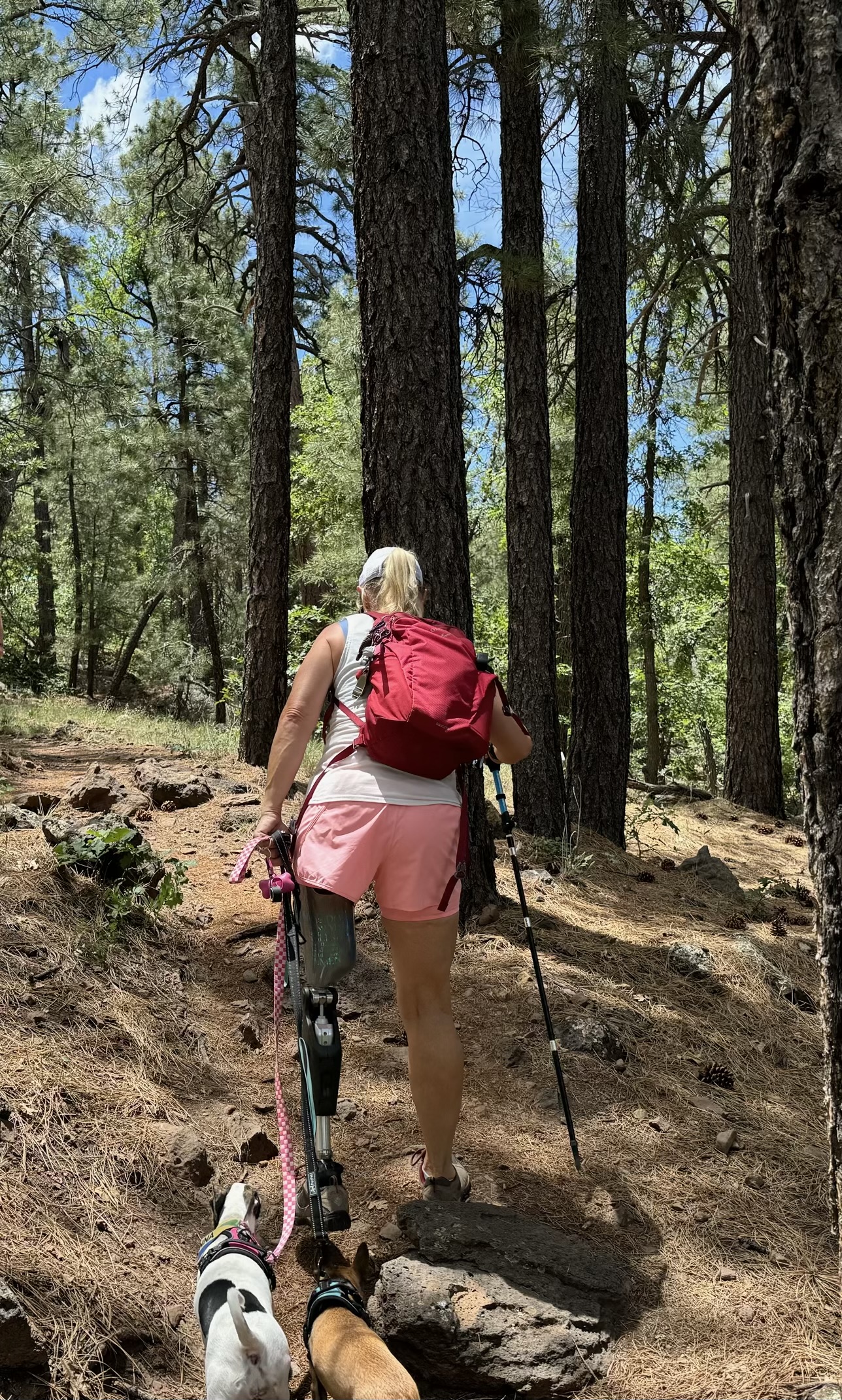
For me, that meant stepping away from the gym, putting hikes and long walks on hold, and allowing myself to slow down. I do not pivot gracefully. I like momentum, routine, movement, and proving to myself that I can keep going. But this experience reminded me that strength is not always found in pushing harder. Sometimes strength is found in listening, adjusting, protecting what matters, and trusting that recovery is not the same thing as giving up.

As amputees, our bodies often communicate in whispers before they scream. We have to learn the difference between something we can work through and something that deserves attention, rest, or professional care. Our prosthesis is part of how we move through life, so protecting our residual limb and physical health is not weakness, it is wisdom.

Whether your pivot lasts a day, a week, or several months, it does not mean your goals are gone. It does not mean you have failed. It simply means your path needs a temporary adjustment. The momentum will return when your body is ready.
 

Take a moment this week to listen to your body. Is there something you have been trying to push through that may require a pivot? Give yourself permission to adjust without guilt. Share this episode with someone who needs the reminder that rest, recovery, and changing direction can be powerful parts of the warrior journey.


If you have to pivot this week, remember this is NOT failure but wisdom, when it comes to reaching your goals. Use your experiences and protect yourself from further injury. This way you’ll be ready to fight another day!


Rise up Warriors, and Pivot who you need to.

And as always,

Be Healthy,

Be Happy,

Be YOU!!!


Much love,

 

Passport to Possibility

Passport to Possibility

Traveling With Confidence as an Amputee


What if every new thing you accomplished earned you another stamp-not just in your travel passport, but in your confidence passport?


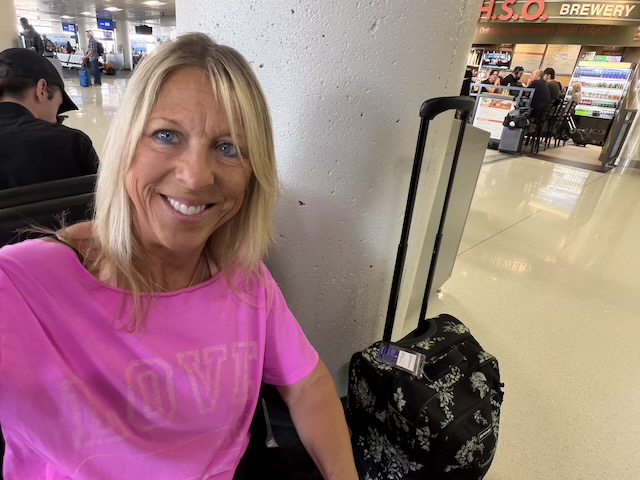
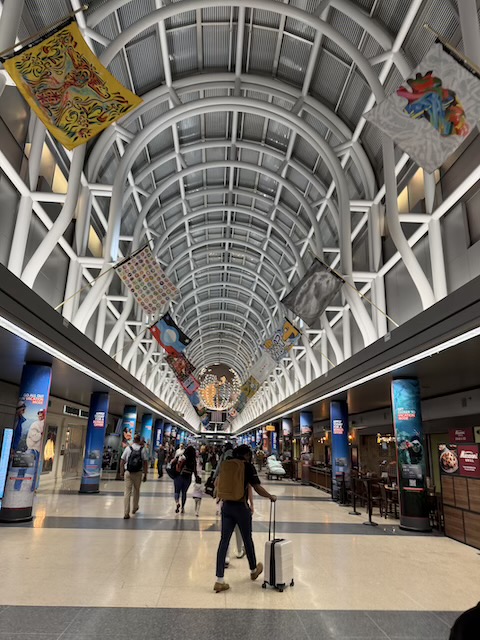
Solo flight to Chicago, O’Hare

Travel has always been a big part of my family’s life, but traveling as an amputee has been an evolving journey. Seven years into life as an amputee, I’m still learning something new every time I walk into an airport. And with every experience, I become a little more confident in what I can handle.

Recently, I took my second solo trip, flying to Chicago and doing something I’d never done completely on my own before: renting a car, navigating the rental process, driving to my destination, carrying my own luggage, returning the car, and getting myself back through O’Hare.

Then came the real test: a three-hour delay, three gate changes, crowded terminals, weather issues, hunger, bathroom logistics, and hauling my luggage everywhere I went.


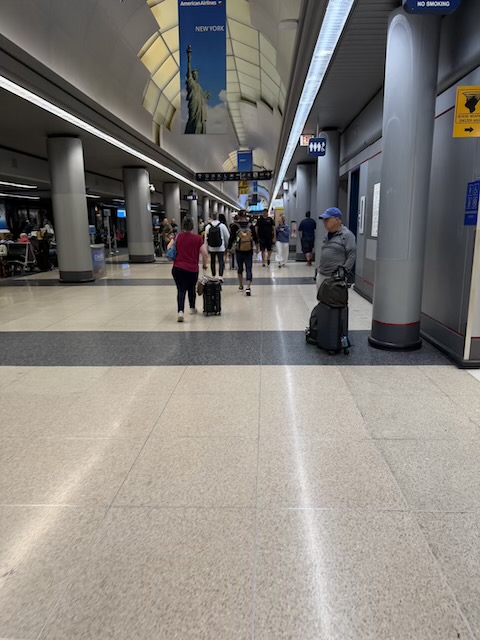
Long corridors to get from point A to point B


But I did it.

In this episode of the BAWarrior Podcast, I’m sharing what I’ve learned about traveling with a prosthesis, from navigating TSA and understanding your rights to medical bags, prosthetic tools, wheelchair assistance, priority boarding, long airport walks, and preparing for the unexpected.

One of the biggest lessons I’ve learned is that, as amputees, energy is currency. A mile-long walk through an airport may not sound like much until you add luggage, standing in lines, gate changes, socket discomfort, fatigue, phantom pain, and everything you still want to do once you reach your destination. Sometimes independence means walking the airport yourself. Other times, independence means recognizing when using available assistance allows you to save your energy for what matters most.


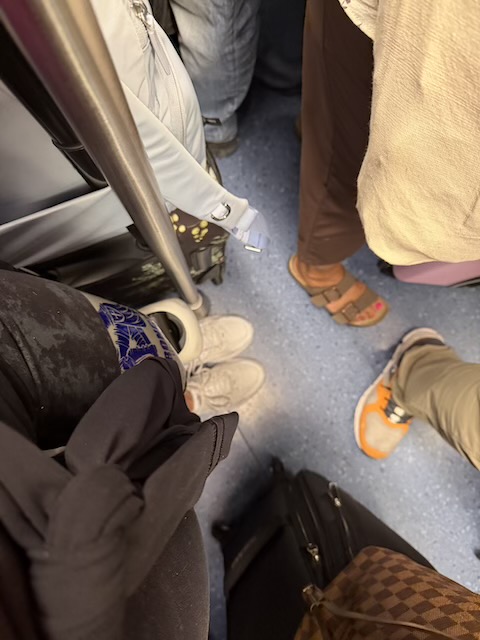
Rental car pick up late at night in a packed tram


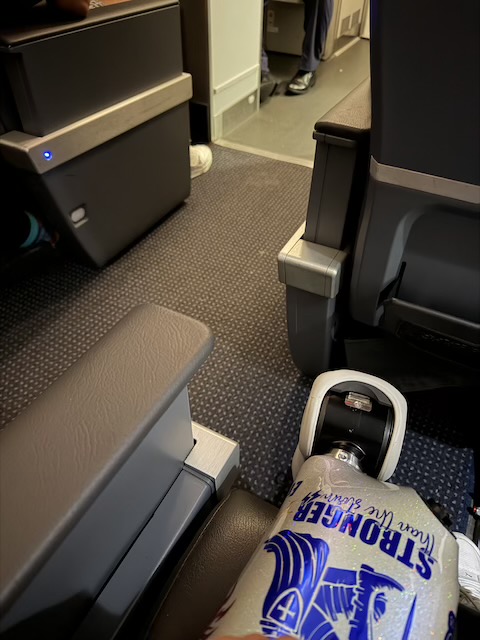
After several delays, I finally got on the plane for home!


And now I’m preparing for my next stamp: international travel.

This will be my first international trip since becoming an amputee. I’m thinking about cobblestone streets, crowded attractions, international accessibility, charging my microprocessor knee, adapters, and all the things I don’t even know I need to think about yet.

That’s part of the adventure.

Because ultimately, this episode isn’t really about airports or airplanes. It’s about confidence.

Every “first” becomes another stamp: your first overnight trip, first flight, first TSA experience, first solo trip, first rental car, or first international adventure.

Each one says:

I did that. And maybe I can do the next thing, too.


What’s stamped in your confidence passport?

Think about everything you’ve accomplished since limb loss—and then think about the stamps you’re still missing. What’s something that still scares or intimidates you? What experience would give you more freedom, independence, or confidence?

Choose your next stamp and start working toward it.

And make sure you come back for Part Two, because after my international trip, I’ll share what I learned about traveling abroad as an amputee—the victories, challenges, surprises, and everything I wish I’d known before I left.

Let’s keep filling those passports together.


Have a beautiful week, and Ill see you all in 2 weeks as we explore what I learned on my international journey!

Until then and as always,

Be Healthy,

Be Happy,

Be YOU!!!


Much love,
 

Reimagine Your Life After Amputation

Reimagine Your Life After Amputation

Building a New Version of Normal


What happens when the life you want to return to no longer works the way you remember it?

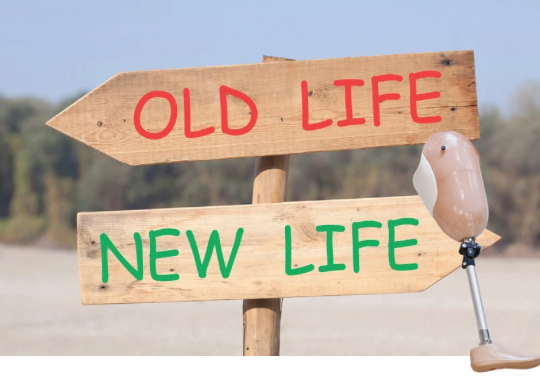
After amputation, we are often told that we can get back to doing the things we love, and I believe that is true. But I have learned that those activities may look, feel, and function differently than they did before. Recovery is not always about returning to the person we used to be. Sometimes, it is about reimagining what life can look like now.

Losing a limb changes more than our appearance. It changes our balance, center of gravity, movement patterns, energy levels, and the way we approach everyday activities. Even something described as being “as easy as riding a bike” can become complicated. Getting onto the bike, positioning a prosthetic foot, balancing, starting, stopping, and reacting quickly all require new strategies.

The same is true for adaptive fitness, hiking, running, skiing, traveling, and even standing for long periods. Our bodies operate under different physics after limb loss, and we often use more energy to complete the same activity.

I think of energy as currency. Every activity makes a withdrawal, so I have to be intentional about how I spend it. If I know I have plans with family or friends, I may need to skip the gym, shorten another activity, or rest beforehand so I have enough energy to be present.

I also have to protect both my residual limb and my sound limb. Socket fit, skin irritation, phantom pain, neuromas, fatigue, and compensation can change how I move from one day to the next. There are days when pushing forward is appropriate, and there are days when pulling back is the wisest choice I can make.

Wisdom is not weakness.

Resting, using a mobility aid, shortening a workout, or changing a goal does not mean I am failing. It means I am protecting my body for the next twenty, thirty, or forty years. I have learned to ask myself, “Is it worth it?” Is the activity worth the pain, skin damage, lack of sleep, or extended recovery that may follow?

Success after amputation must also be personal. I cannot measure myself against who I was before surgery, another amputee on social media, or a Paralympic athlete with years of specialized training. My success may mean hiking a shorter trail, trusting a running blade, completing half a day of skiing, or simply showing up and moving my body.

Reimagining life after amputation means experimenting, adapting, learning from setbacks, and creating new goals. Progress is rarely linear, but every step still matters.

My life did not end with amputation. A new chapter began, and I get to decide what comes next.


Your Warrior Challenge

Think about something you have been trying to return to. Are you measuring your progress against your old life, or are you giving yourself permission to approach it differently?

Choose one goal this week and reimagine it. Adjust the pace, change the method, ask for support, and create a version that works for the body you have today.

Stop chasing your old normal. Start building a life that supports who you are becoming.

Keep moving forward, dear Warrior! One step at a time!

And as always,

Be Healthy,

Be Happy,

Be YOU!!!


Much love,