Tag: Angie Heuser

Reimagine Your Life After Amputation

Reimagine Your Life After Amputation

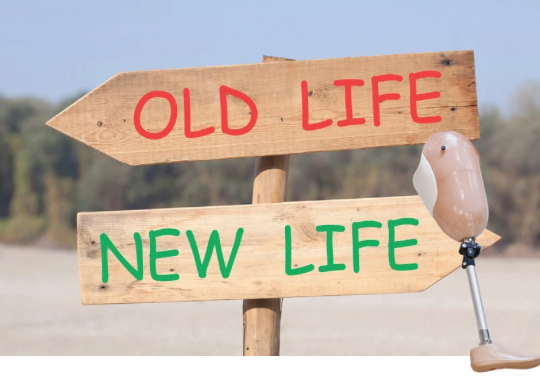
Building a New Version of Normal


What happens when the life you want to return to no longer works the way you remember it?

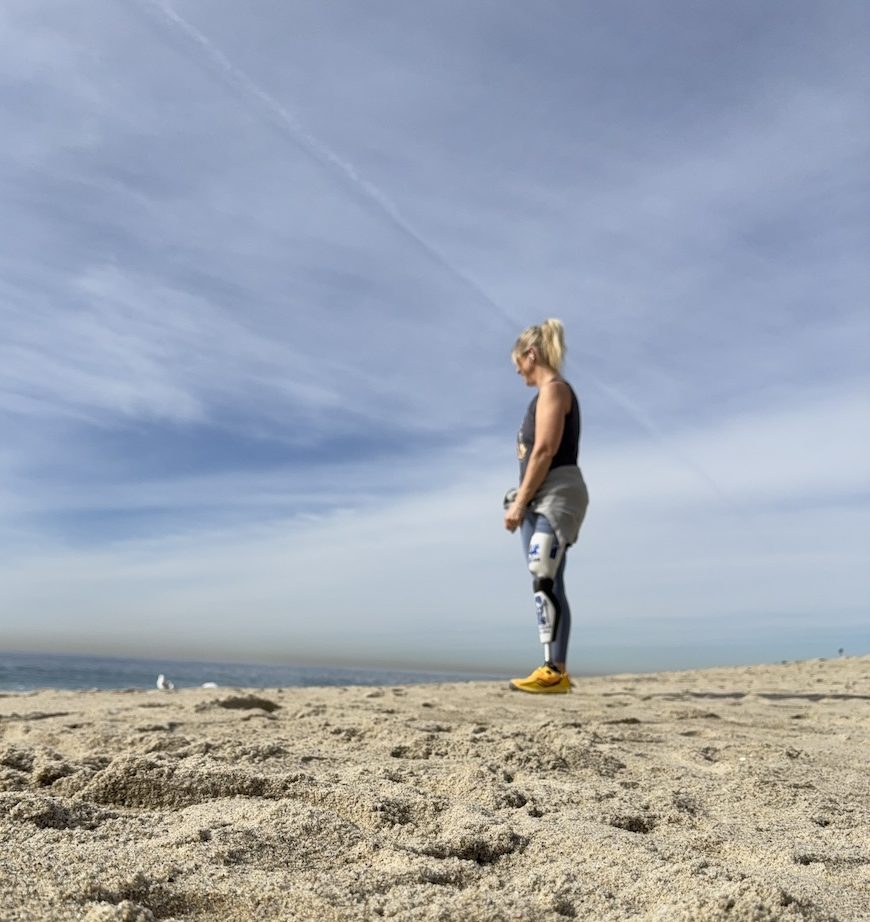
After amputation, we are often told that we can get back to doing the things we love, and I believe that is true. But I have learned that those activities may look, feel, and function differently than they did before. Recovery is not always about returning to the person we used to be. Sometimes, it is about reimagining what life can look like now.

Losing a limb changes more than our appearance. It changes our balance, center of gravity, movement patterns, energy levels, and the way we approach everyday activities. Even something described as being “as easy as riding a bike” can become complicated. Getting onto the bike, positioning a prosthetic foot, balancing, starting, stopping, and reacting quickly all require new strategies.

The same is true for adaptive fitness, hiking, running, skiing, traveling, and even standing for long periods. Our bodies operate under different physics after limb loss, and we often use more energy to complete the same activity.

I think of energy as currency. Every activity makes a withdrawal, so I have to be intentional about how I spend it. If I know I have plans with family or friends, I may need to skip the gym, shorten another activity, or rest beforehand so I have enough energy to be present.

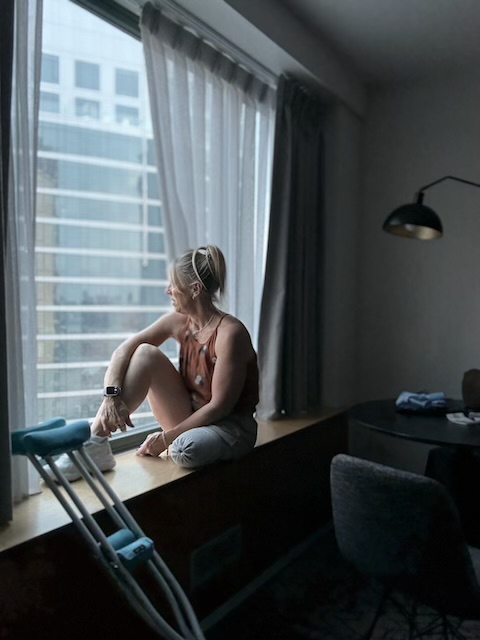
I also have to protect both my residual limb and my sound limb. Socket fit, skin irritation, phantom pain, neuromas, fatigue, and compensation can change how I move from one day to the next. There are days when pushing forward is appropriate, and there are days when pulling back is the wisest choice I can make.

Wisdom is not weakness.

Resting, using a mobility aid, shortening a workout, or changing a goal does not mean I am failing. It means I am protecting my body for the next twenty, thirty, or forty years. I have learned to ask myself, “Is it worth it?” Is the activity worth the pain, skin damage, lack of sleep, or extended recovery that may follow?

Success after amputation must also be personal. I cannot measure myself against who I was before surgery, another amputee on social media, or a Paralympic athlete with years of specialized training. My success may mean hiking a shorter trail, trusting a running blade, completing half a day of skiing, or simply showing up and moving my body.

Reimagining life after amputation means experimenting, adapting, learning from setbacks, and creating new goals. Progress is rarely linear, but every step still matters.

My life did not end with amputation. A new chapter began, and I get to decide what comes next.


Your Warrior Challenge

Think about something you have been trying to return to. Are you measuring your progress against your old life, or are you giving yourself permission to approach it differently?

Choose one goal this week and reimagine it. Adjust the pace, change the method, ask for support, and create a version that works for the body you have today.

Stop chasing your old normal. Start building a life that supports who you are becoming.

Keep moving forward, dear Warrior! One step at a time!

And as always,

Be Healthy,

Be Happy,

Be YOU!!!


Much love,

 

Adaptive Fitness Without Burnout

Adaptive Fitness Without Burnout

Learning When to Push and When to Recover


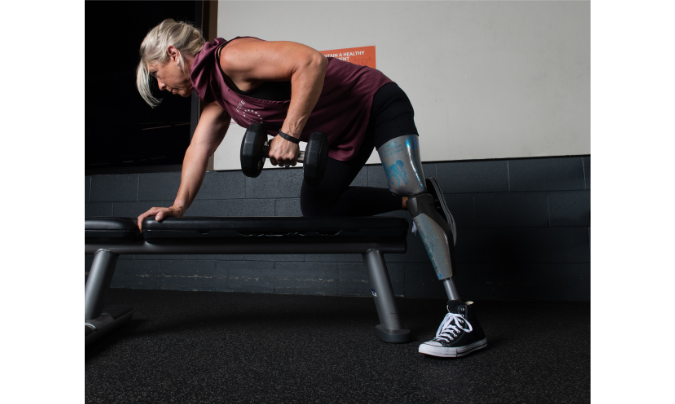
Have you ever started making progress with your fitness, only to be stopped by skin irritation, socket discomfort, phantom pain, fatigue, or an injury? As an above-knee amputee who loves working out, hiking, skiing, and staying active, I understand how frustrating it can feel when your body suddenly forces you to pull back.


In this episode of the BAWarrior Podcast, I’m talking about how we can pursue adaptive fitness without burning ourselves out physically or mentally.

As amputees, our journey is rarely a straight line. It often feels like two steps forward and one step back. We may receive a new prosthesis, begin walking confidently, and think everything is finally falling into place, only to experience discomfort, skin breakdown, pain, swelling, or a change in socket fit. These setbacks do not mean we have failed. They are part of learning how to live, move, and grow in a body that continues to change.

Burnout is not always caused by a lack of motivation. Sometimes it comes from the physical demands of walking with a prosthesis, protecting our sound limb, managing phantom sensations, and constantly thinking through every movement. The mental load of being an amputee is real. Curbs, ramps, stairs, uneven ground, exercise machines, and even getting onto a bicycle can require additional thought and energy.


That is why recovery must be considered part of training.

In this conversation, I share the importance of sleep, hydration, nutrition, stretching, rest days, and regularly checking the skin on our residual limb. I also discuss the danger of comparing ourselves to people on social media. Our progress should not be measured against someone else’s body, abilities, or journey. The better questions are: Am I stronger than I was yesterday? Is my balance improving? Am I walking with more confidence? Is everyday life becoming easier?

Adaptive fitness should support our independence. It can begin with practical movements such as standing longer, carrying groceries, getting up from the floor, playing with children or pets, or walking around the house with greater intention. These small accomplishments build confidence, momentum, and a positive mental attitude.


I also talk honestly about respecting our prosthesis. Some days the fit will feel great, and other days it will not. Heat, sweat, swelling, weight fluctuations, and activity levels can all affect how our socket feels. Listening to those warning signs is not weakness. Pulling back when necessary may prevent an injury or wound that could keep us out of our prosthesis for weeks.


My challenge to you this week is simple: choose one positive, adaptive goal. Take a few more steps, practice your balance, stand a little longer, or give yourself the recovery day your body needs.

The goal is not to prove how hard you can push today. The goal is to build the strength, wisdom, and confidence to keep moving forward for years to come.

Move forward, Warriors, even if that means that today you rest! Tomorrow is a new day, rest and rise up with even more conviction!

Have a beautiful week, and as always,

Be Healthy,

Be Happy,

Be YOU!!!


Much love,


The Thousand Step Challenge

The Thousand Step Challenge

One Step at a Time: The Power of Small Steps Toward Big Goals


Have you ever looked at a goal and felt overwhelmed before you even started? Whether you’re learning to walk with a prosthetic, chasing a lifelong dream, beginning a new career, or simply trying to make it through a difficult season, sometimes the destination feels impossible. In this episode, I share a personal story that reminded me why the biggest accomplishments in life are built one step at a time.


1000 Step Challenge


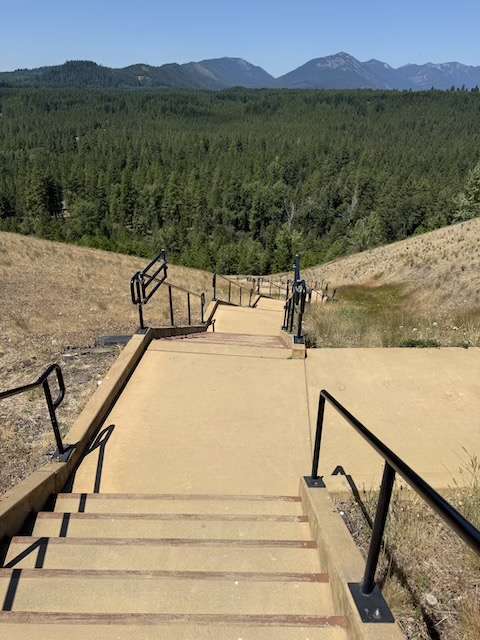
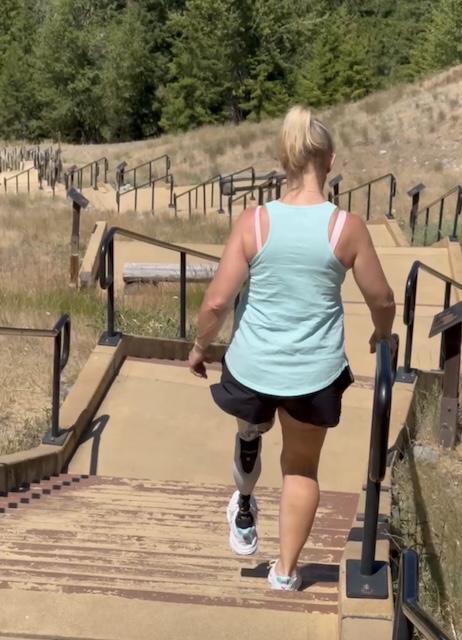
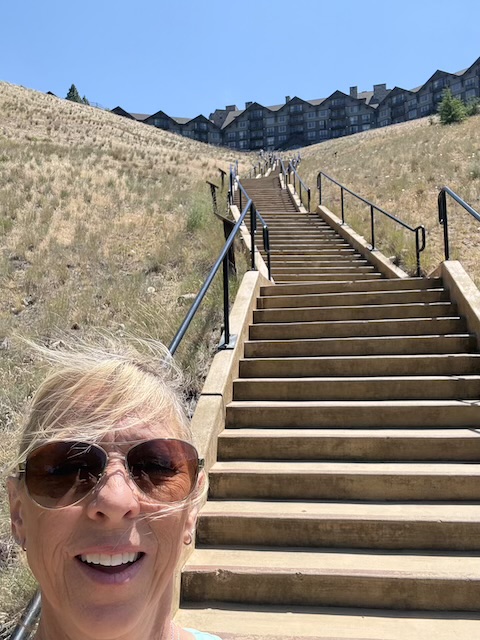
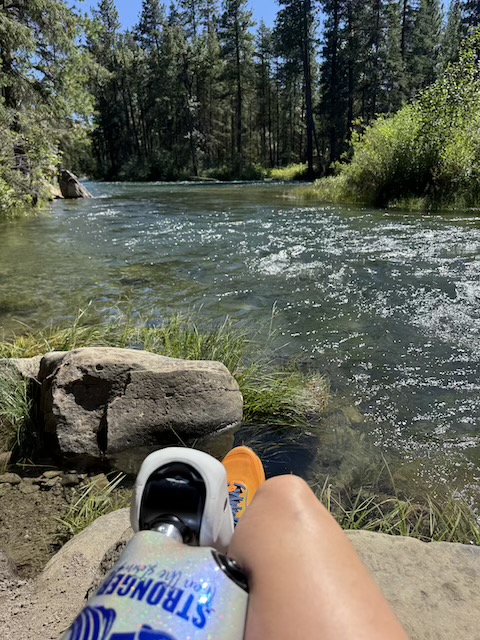
While attending a family wedding in Washington, I decided to tackle Suncadia’s famous 1,000 Step Challenge-500 steps down to a breathtaking river and 500 steps back up. As an above-knee amputee, I knew this wouldn’t be easy. Every step required focus, balance, patience, and determination. Going down meant carefully riding each step on my prosthetic. Coming back up demanded grit, controlled breathing, and the willingness to stop when I needed to, not because I was failing, but because I was resetting for the next stretch.


That challenge became a powerful reminder that life works the same way. We often become so focused on the size of our goals that we forget success is built in the small, consistent decisions we make every single day. Instead of becoming intimidated by the entire staircase, I focused on the next step in front of me. Sometimes I paused to catch my breath, look around, and appreciate how far I’d already come. Those pauses weren’t setbacks, they were opportunities to realign, refocus, and keep moving forward.

In this episode, I encourage you to stop comparing your journey to someone else’s highlight reel. Every accomplishment you admire was earned through countless unseen moments of perseverance, setbacks, adjustments, and resilience. The people accomplishing incredible things didn’t avoid obstacles, they simply chose to keep taking the next step.


The view is always better on the other side of a challenge


I also share how returning to complete the challenge a second time pushed me even further. Instead of simply finishing, I challenged myself to climb all 500 steps without stopping. Competing only against the person I was yesterday reminded me that growth isn’t about being better than someone else-it’s about becoming stronger than you were before.

No matter what mountain you’re facing today, remember this: break the goal into smaller pieces, keep your eyes on the next step, and trust the process. Progress isn’t measured by perfection; it’s measured by persistence. One step becomes another, and before you know it, you’ll look back from the top and realize you’ve accomplished something you once believed was impossible.

If you’re ready to stop standing at the bottom of your own mountain and start moving forward, I’d love for you to join me. Together, we’ll keep taking the next step—one step at a time.


Figure out what your goals are, and begin b simply breaking them down into smaller chunks.

Remember greatness isn’t accomplished overnight, and it isn’t accomplished without setbacks.  Keep the big picture in mind, but remember to break it down into smaller steps/goals that are doable each day.

Also, If you are a female amputee and would like to join myself and other likeminded women on achieving your goals, come join my first ever Momentum group. Space is limited so jump on today and sign up for Momentum

Don’t forget how amazing you are!

Have a blessed week and as always,

Be Healthy,

Be Happy,

Be YOU!!!


Much love,


The Courage To Belong

The Courage To Belong

Feeling Alone After Amputation? Why Community Is Part of Healing


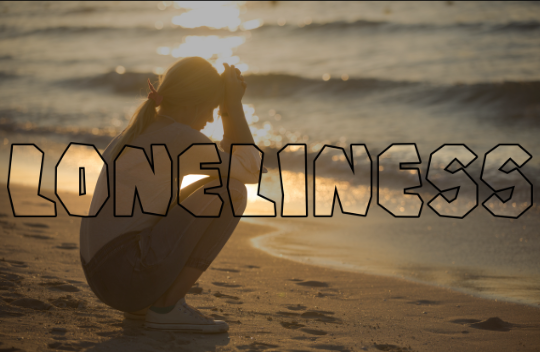
Have you ever felt completely alone—even while surrounded by people who love you?

For many amputees, loneliness isn’t about the absence of family or friends. It’s about carrying a journey that very few people truly understand. In this heartfelt episode of the BAWarrior Podcast, I share an honest conversation about isolation, fear, healing, and the courage it takes to build meaningful community.

Drawing from my own experiences and countless conversations with amputees, I explore why loneliness often becomes one of the greatest hidden challenges after limb loss. The mental load of navigating everyday life, the quiet nights when phantom pain and anxious thoughts seem the loudest, and how fear can slowly convince us that staying home feels safer than stepping back into the world are all a part of our journey.

But healing was never meant to happen in isolation.

Throughout the episode, I talk about how community becomes one of the most powerful tools in recovery. Whether it’s sharing your story, joining an amputee support group, striking up a conversation at the gym, or simply reaching out to one other person who understands your journey, every connection becomes another step toward healing. Remember that telling your story doesn’t make you weak, it helps release the weight you’ve been carrying while encouraging someone else who may feel just as alone.

This episode also explores the importance of boldness. Community doesn’t magically appear; someone has to take the first step. Whether that’s sending a text, attending a virtual support group, introducing yourself to another amputee, or simply saying hello to a neighbor, courage opens the door to belonging.

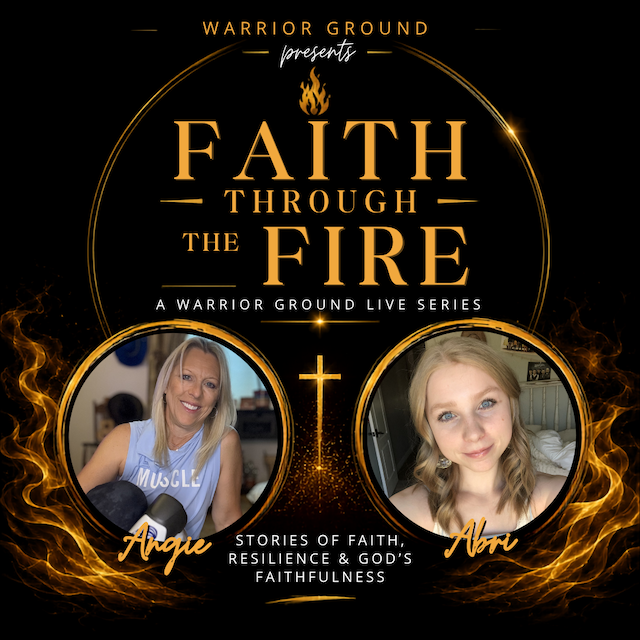
As I prepare to launch my new Faith Through the Fire series, I have been reflecting on how faith, resilience, and community often come together when we choose to move beyond fear. I want to encourage you to embrace this new chapter after amputation—not as the end of life, but as the beginning of a richer, more connected one.


If you’ve been struggling with loneliness after amputation, phantom pain, fear of falling, or simply wondering if anyone truly understands what you’re going through, this episode serves as a reminder that you are not alone. There is hope, there is healing, and there is a community waiting to welcome you.


This week, take one brave step.

Reach out to one person. Send one text. Join one support group. Attend one Zoom meeting. Introduce yourself to another amputee. Healing begins when isolation ends, and community starts with one courageous decision.

If you’re looking for connection, visit WarriorGround.org to learn more about the BAWarrior Podcast, Amped Women virtual gatherings, Warrior Circle, and other opportunities to connect with people who truly understand the amputee journey.


Connect with another amputee


Get outside, bring a friend


Surround yourself with those who want to see you succeed as much as they want to, and love you for who you are!


Remember: You don’t have to walk this journey alone.


Have a beautifully blessed week,

And as always,

Be Healthy,

Be Happy,

Be YOU!!!


Much love,


Phantom Pain: The Invisible Battle No One Sees

Phantom Pain: The Invisible Battle No One Sees

Understanding the Types, Triggers, and Coping Strategies


What if the most intense pain you’ve ever felt came from a part of your body that no longer exists?

As an above-knee amputee, phantom pain is one of the most difficult parts of my journey to explain. It’s invisible. It’s unpredictable. And unless you’ve experienced it yourself, it’s almost impossible to fully understand. Yet for many amputees, it becomes a reality we learn to navigate every day.


On this episode of the BAWarrior Podcast, I pull back the curtain on phantom pain and share my personal experience living with it over the last several years. From the constant burning and tingling sensations that feel like a foot trapped in a vice grip, to the sudden stabbing pains that can stop me in my tracks, phantom pain has taught me more about resilience than I ever expected.


I talk openly about what these sensations feel like, how they can affect daily life, and the emotional toll they can take when they strike unexpectedly. I also share my experience undergoing a revision surgery and AMI procedure at Massachusetts General Hospital, where surgeons discovered a foreign object near my femur that had been contributing to years of severe pain.

While there is no universal solution for phantom pain, I’ve learned that understanding potential triggers can make a difference. Poor socket fit, overuse, nerve irritation, stress, and even life circumstances can all influence how our bodies respond. Through years of trial and error, I’ve discovered that managing phantom pain often requires a combination of strategies rather than a single fix.

Most importantly, I share the mindset tools that have helped me endure some of my hardest moments. Deep breathing, movement, distraction techniques, mindfulness, and refusing to give pain control over my identity have become powerful parts of my personal toolbox. While pain may be part of my story, it does not get to write the ending.


If you’re an amputee struggling with phantom pain, I want you to know something I wish someone had told me during my darkest moments: it will not last forever. The pain comes and goes. The valleys are real, but so are the mountaintops. You are stronger than you realize, and you do not have to walk this journey alone.

I believe healing is about more than physical recovery. It’s about learning how to keep moving forward, even when the road feels impossible.


Join the Movement

If this story resonates with you, I invite you to become part of our growing Warrior community. Subscribe to the BAWarrior Podcast, connect with us through Warrior Ground, join our conversations, and discover the strength that comes from walking alongside others who truly understand the journey.

Together, we heal. Together, we grow. Together, we rise.

Because being a warrior isn’t about never feeling pain—it’s about refusing to let pain define who you are.

You are strong, dear Warrior, and you are worthy.

Have a blessed week, and as always,

Be Healthy,

Be Happy,

Be YOU!!!


Much love,
 

New Age Powered Prosthetics: A Leap Toward Real Mobility

New Age Powered Prosthetics: A Leap Toward Real Mobility

Stride Robotics Lightweight Power Knee Redefining Movement


This episode wrapped up Limb Loss and Limb Difference Awareness Month in a powerful way by looking toward the future of mobility, technology, and what it truly means to help people live again after limb loss.

After a month full of stories about trauma, cancer, amputation, grief, fear, faith, and resilience, I wanted to end this series by asking a bigger question: once someone survives, how do we help them truly reclaim their life?

That is why I invited Revanth, cofounder and CEO of Stride Robotics, onto the BAWarrior podcast. Stride Robotics is working to redefine mobility through lightweight powered prosthetic technology designed to restore strength, endurance, and freedom for amputees. I also have the honor of serving as an advisor for their company, helping give feedback from the lived experience of an above-knee amputee.


In this conversation, Revanth shared his journey from robotics and engineering into the prosthetic world. What stood out to me most was his honesty. He admitted that, early on, he was focused on building something impressive. But through conversations with amputees and prosthetists, he realized that innovation only matters if it solves a real human problem. That shift — from building something cool to building something truly useful — is where the heart of this conversation lived.

We talked about the communication gap between engineers, prosthetists, and amputees. All three groups are speaking from different perspectives, and yet all three must work together if prosthetic technology is going to improve real lives. As an amputee, I know firsthand that we do not always describe things in technical terms. We describe how something feels. We talk about trust, effort, fear, exhaustion, balance, and whether a device allows us to live the way we want to live.

One of the most powerful parts of this episode was our conversation around “mental load.” True mobility is not just about walking. It is about not having to think through every single step. It is being able to hike and look at the view instead of staring at the ground. It is walking into a room without calculating every movement. It is trusting your body and your prosthesis enough to live fully.

Revanth explained how Stride Robotics is working on a powered knee that is lighter, quieter, more affordable, and more functional than many powered options currently available. Their goal is to reduce strain on the hips, back, shoulders, and intact limb while helping amputees move with more confidence and less compensating. We talked about battery life, USB-C charging, fall prevention, waterproof possibilities, loaner programs, clinician support, and even future data feedback that could help prosthetists better understand how their patients are moving in real life.

But what I loved most was that this was never just a conversation about a device. It was about dignity. It was about access. It was about making sure technology does not only serve the few who can afford it, but eventually reaches amputees around the world who are desperate for mobility, independence, and hope.

This episode is also a call to action. Whether you are an amputee, prosthetist, engineer, student, investor, donor, or simply someone who cares, there is a place for you in this movement. Stride Robotics needs feedback, connection, research, support, and people willing to help move innovation forward.

Limb loss awareness cannot end with awareness. It has to move us into action. My hope is that this episode inspires you to get involved, ask better questions, support meaningful change, and become a beacon of hope for those still fighting to reclaim their mobility and their life.


Join the Movement. Bring dignity, independence, and mobility to all.

Today, that’s YOUR Call to Action, your charge from this month of story telling.

Be a part of the change, today! You can reach out to us:

Angie: BAWarrior360@gmail.com

Revanth: LinkedIn

Stride Robotics: LinkedIn

Stride Robotics: Website

Thank you for watching, sharing, and subscribing.

Let’s change lives, TOGETHER!

See you next week, and as always,

Be Healthy,

Be Happy,

Be YOU!!!


Much love,
 

Finding Strength in Ohana: Faith, Family, and Healing

Finding Strength in Ohana: Faith, Family, and Healing

Kainoa Spenser’s Road to Recovery

Week 2: Survivors to Warriors


April is Limb Loss and Limb Difference Awareness Month, and this episode of BAWarrior Podcast is one that will stay with me for a long time. In this powerful and deeply emotional conversation, I sat down with Kainoa Spenser, someone whose story reflects the very heart of what it means to move from surviving to truly living as a warrior.

Kainoa and I first connected while I was facing my own amputation journey, so having him on the podcast felt especially meaningful. What makes his story so extraordinary is not just the severity of what he endured, but the way he speaks about it with honesty, humility, faith, and wisdom beyond his years. Kainoa is a quadruple amputee, having lost both legs and most of his fingers after a devastating and sudden illness in 2017 while he was away at college.


Meeting Kainoa for the first time at PT!


Before everything changed, Kainoa was a young man full of curiosity, ambition, and heart. He was studying international affairs, deeply involved in school, active in sports, passionate about history and philosophy, and rooted in the values of family and community. Those Hawaiian values of ohana—that no one gets left behind or forgotten-were already woven into who he was long before tragedy struck. And in many ways, those same values became part of what carried him through the darkest season of his life.

During our conversation, Kainoa shared the terrifying progression of his illness, from feeling sick during finals week to being misdiagnosed, flown home in critical condition, and rushed into emergency care where his health rapidly deteriorated. A strep infection had entered his bloodstream and lungs, leading to septic shock and necrotizing fasciitis. He spent weeks in a medically induced coma, and when he woke up, his life had changed forever. Some of the amputation decisions were made while he was unconscious, leaving his parents to make impossible choices. Other decisions, including the loss of his fingers, required his own consent in the middle of unimaginable pain and confusion.

What impacted me most was not only the heartbreak of his story, but the courage with which he spoke about the mental and emotional battle that followed. Kainoa was honest about the grief, the fear, the thoughts of being a burden, and the moments where he wondered if the weight of it all might break him. He spoke about missing the things many people take for granted-interlocking fingers with someone you love, standing in the shower, feeling sand beneath your feet. Those losses are real, and he did not try to minimize them.

But what also came through so clearly was this: healing does not happen in isolation. Kainoa’s story is a powerful reminder that community matters. Family matters. Faith matters. The right people around you can become the bridge that carries you from despair to hope. Through meeting other amputees, witnessing independence modeled before him, leaning into his faith, and receiving overwhelming support from loved ones and community, he slowly began to shift. He began to see that this was not the end of his story.

Today, Kainoa is thriving. He finished his education, worked in high-level public service roles, became a homeowner, regained independence, and is now continuing his education at Thunderbird School of Global Management. He is living proof that resilience is built in layers, in waves, and through the willingness to keep turning the page.

This episode is a reminder that even in our deepest pain, there is purpose. Even in the valley, there is light ahead. Kainoa’s journey is not just about limb loss. It is about faith, perspective, gratitude, community, and discovering that life can still be beautiful, meaningful, and impactful after everything changes.

Make sure to Like, Share and Subscribe so you catch more inspiring stories, like Kainoa’s in the coming weeks.

And as always,

Be Healthy,

Be Happy,

Be YOU!!!

Much love,
 

Statistics and Realities of Limb Loss

Statistics and Realities of Limb Loss

Life Behind the Numbers of Amputees and Limb Difference


April is Limb Loss and Limb Difference Awareness Month, and this year on the podcast, I’m doing something that means so much to me. Instead of focusing only on my own story, I’m opening the door for other amputees to share theirs. That has become a tradition for me over the last five seasons, and this year I’m building the entire month around one powerful theme: Survivors to Warriors. I truly cannot wait for you to hear these interviews, because the young adults I have coming on embody courage, resilience, grit, and hope in a way that will leave you inspired. Their stories are raw, real, and deeply moving, and I’m honored to call each of them my friend.

As I prepared for this month, I wanted to begin with something eye-opening: the statistics. Because the truth is, before I became an amputee seven years ago, I hardly ever noticed amputees around me. Maybe once in a while I’d see someone, but it felt rare. Now, just like when you buy a certain car and suddenly see it everywhere, I notice amputees much more often. Even so, the numbers tell me I should be seeing even more. And that is what really stopped me in my tracks.

Worldwide, someone loses a limb every thirty seconds. There are tens of millions of people around the world living with limb loss, and what absolutely breaks my heart is that up to ninety percent of them do not have access to prosthetic care. Ninety percent. That number is staggering. And it hits close to home for me because I know what it feels like to have the hope of mobility threatened.

Amputee Coalition Statistics used on American Endovascular & Amputation Prevention site, April 25, 2022


Before my elective amputation, I was told everything would be covered. I did my homework because I knew prosthetics were expensive, and I needed the reassurance that if I moved forward with surgery, I would have access to the leg I needed. Then, about a month after surgery, we filed the insurance paperwork and I was denied. I can tell you without hesitation that those four weeks were some of the hardest weeks of my life. In the grand scheme of seven years, it may look like a blink. But in the moment, it felt like everything. I had dreams, goals, and visions of what life could be after amputation, and suddenly an insurance company was telling me no.

So I fought. Every single weekday, I called. I kept climbing the ladder, talking to the next person and then the next. I refused to sit back and wait for someone else to decide my future. That season demanded every ounce of emotional and mental strength I had. I had to advocate for myself when I was exhausted, scared, and uncertain. And when I think about the reality that so many people around the world never get that access at all, it is heartbreaking.


Amputee Coalition Statistics used on American Endovascular & Amputation Prevention site, April 25, 2022


The leading causes of limb loss are also telling. Vascular disease, including diabetes, makes up the largest percentage. Trauma is close behind, including accidents and injuries. Then comes cancer, though at a much smaller percentage. My own amputation came after years of surgeries following a karate injury, and eventually I made the deeply personal decision to amputate. Elective amputation is not an easy road, and whether amputation happens in an instant or after years of medical struggle, both journeys carry their own kind of trauma.

That’s the part people do not always see. Yes, limb loss is physical. It is visible. But the emotional and mental toll can be just as life-altering. Depression, anxiety, PTSD, fear, isolation, and loss of confidence are very real parts of this journey for so many amputees. People may see someone walking on a prosthesis and assume they are doing fine, but they do not always see the inner battle. They do not see the fear of falling, the anxiety of being watched, the struggle to trust your body again, or the grief of trying to figure out who you are now.


Amputee Coalition Statistics used on American Endovascular & Amputation Prevention site, April 25, 2022


Physiopedia: The 5 Stages of Grief and Loss; Axelrod, J. September 26, 2018, https://psychcentral.com/lib/the-5-stages-of-loss-and-grief/


Prime Care, Blog by Eddie Zepeda. Published, January 20, 2025


And then there is phantom pain, something many amputees know all too well. Phantom pain and sensations can range from mild to absolutely overwhelming. It can feel like burning, stabbing, cramping, stinging, or relentless discomfort that comes out of nowhere and hits like a truck. It is one more reminder that the amputee journey is layered, complicated, and often invisible to the outside world.

That is exactly why this month matters so much to me. I want these interviews to shine a light on the real lives behind the statistics. I want you to hear from young adults who have endured the unimaginable and are now learning how to rise, rebuild, and become warriors. Their stories deserve to be heard, and I know they will inspire anyone who listens.

So as we step into Limb Loss and Limb Difference Awareness Month, I hope you’ll join me. Like, share, subscribe, and most of all, listen. These stories matter. These lives matter. And together, we can bring more awareness, more compassion, and more hope to a community that deserves to be seen.

And as always,

Be healthy,

Be happy,

Be YOU!!!


Much love,
Brokenness to Masterpiece

Brokenness to Masterpiece

The Canvas of Courage


What if the very thing you’ve been trying to hide… is actually the most beautiful part of your story?

This week on the BAWarrior Podcast, I found myself sitting in reflection after a weekend of rest, sunshine, and quiet moments here in Arizona. As spring starts to show up and life begins to feel a little lighter, I couldn’t help but think about something deeper, the parts of ourselves we often try to cover up. The broken pieces. The scars. The moments we wish never happened.

The Beauty in the Cracks

And I asked myself, and now I’m asking you, what if that brokenness isn’t something to fix or hide… but something to honor?

As an above-knee amputee, my brokenness is visible. It’s physical. But what people don’t always see is the emotional journey that comes with it. The uncertainty, the identity shifts, the moments of feeling completely lost. Even though my amputation was a choice after years of surgeries, I still didn’t know what the outcome of my life would look like. I didn’t know who I would become on the other side of that decision.

It felt like my life had been rerouted-like I was on one track, moving forward with a plan, and suddenly everything shifted. A new direction. A new identity. A new path I didn’t ask for.

But here’s what I’ve come to realize: that “mess”… that disruption… that brokenness… it became my canvas.

This week at church, I heard a phrase that stopped me in my tracks: the mess becomes the masterpiece. And I felt that deeply. Because there have been so many moments over the past seven years where I felt like an absolute mess. Not put together. Not polished. Not “figured out.”

But what if we’re not supposed to be?

What if the process; the struggle, the rebuilding, the redefining, is actually where the beauty is created?

So often, society tells us to fix what’s broken. Heal quickly. Move on. Or if we can’t fix it, hide it. Cover it up so no one sees. But I want to challenge that. Because those scars, those cracks, they tell a story. They show where you’ve been, what you’ve survived, and who you’ve become.


Honoring my scars, not hiding them


And I don’t see mine as something to hide anymore.

Every scar on my body represents a battle I fought and didn’t quit. Every challenge I’ve faced has shaped me into who I am today. I am still here. Still moving. Still growing. And that, to me, is something to be proud of.

Next month, as we move into Limb Loss and Limb Difference Awareness Month, I’ll be sharing more stories, because I believe so strongly in the power of storytelling. Every single person in this community has a story. And while they may look similar on the surface, the strength, the resilience, the warrior spirit behind each one is completely unique.

That’s why I named this podcast BAWarrior. Because I truly believe that’s what we are.

But being a warrior doesn’t mean life is easy. It means we fight. Daily. Sometimes hourly. We rise, even when the waves crash over us and try to pull us under. We find a way forward, even when it feels impossible.

And every one of those battles… every one of those cracks… becomes part of the masterpiece.

There’s a beautiful form of art, Kintsugi- a Japanese art that repairs broken pieces of pottery with gold! It symbolizes resilience, embracing imperfections, and the beauty of a repaired life. The cracks aren’t hidden. They’re highlighted. Honored. And in the end, the piece becomes even more beautiful because of where it was broken.


That’s us.

We are not less because of what we’ve been through. We are more.

So if you’re sitting here today feeling like a mess—good. That means something is being created. That means you’re in the middle of the process. And masterpieces take time. They aren’t rushed. They’re layered. Built stroke by stroke, day by day.

And here’s something I’ve learned along the way—when we take the focus off ourselves and begin lifting others up, something shifts. There’s healing in that. There’s purpose in that. When you help someone else rise, you rise too.


So this week, I want to give you something practical.

Name your cracks. What is your brokenness? Write it down. Then ask yourself—what meaning have I been giving this? And how can I rewrite that meaning?

And then—use it.

Use your story to help someone else feel less alone. Share it. Speak it. Own it. Because when you do, you’re not just healing yourself—you’re becoming a light for someone else who might be struggling in silence.

Stop covering your cracks.

Start honoring them.

Stand a little taller in your story. Smile when people look your way. Let curiosity open doors for connection. You are not something to hide—you are someone who has overcome.

And if you’re a woman walking this amputee journey and you’re looking for a place to grow, to be seen, and to be supported, I invite you to join our Amped Women virtual chats on Wednesdays. You don’t have to do this alone.

Because here’s the truth—I am still in the mess. Every day isn’t perfect. Every day isn’t easy. But I’m choosing to honor it. I’m choosing to trust that something beautiful is being created.

And I want that for you too.

You are not broken.

You are becoming.

You are a warrior.

And your masterpiece is still being written.

So chin up, rise up, warriors…

And as always,

Be Healthy,

Be Happy,

Be YOU!!!!

Much love,


Finding Your Place Again After Limb Loss

Finding Your Place Again After Limb Loss

“The Name on the Bottom of My Foot”


Do you feel like you belong?

That’s the question I want to start with today. Because if you’re an amputee, or walking alongside someone who is, you’ve probably felt that quiet, unsettling shift… that moment where life no longer feels like it fits the way it used to.
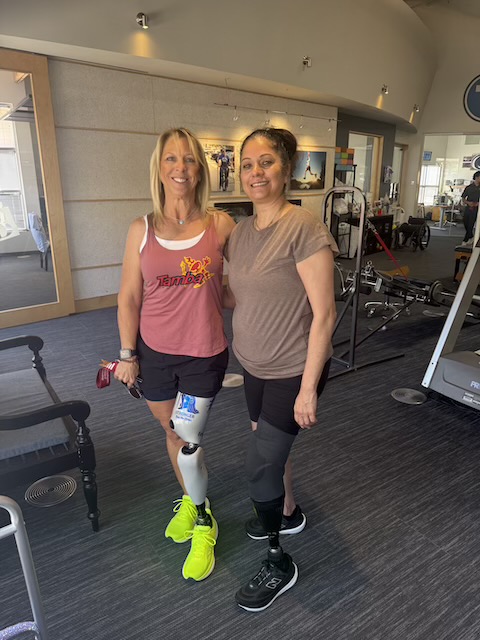
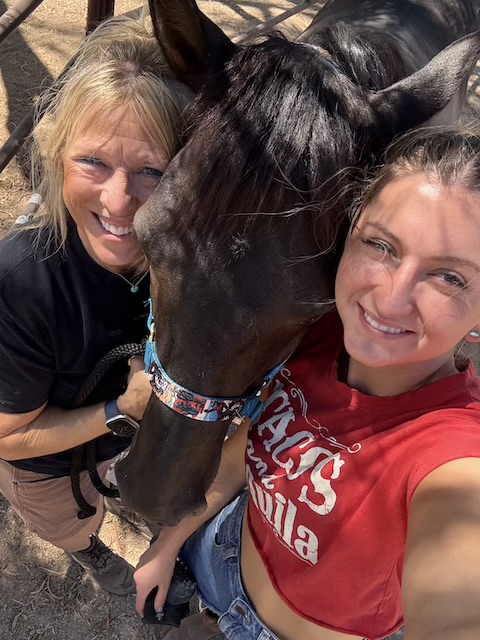
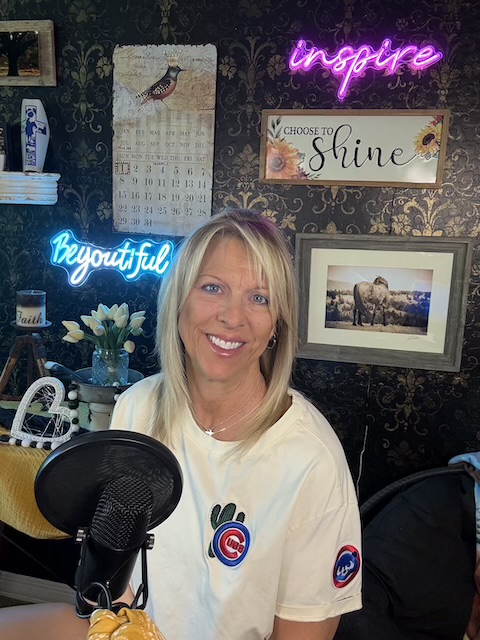
Welcome back to BAWarrior Podcast, a space for resilience, healing, and living life amplified exactly as you are. I’m your host, Angie Heuser, and I’m walking this journey right alongside you as an above-knee amputee.

This past week, I did something playful… but it turned into something deeply meaningful.

I was outside, barefoot in the Arizona warmth, and I had my prosthetic off because I was using my running blade. And for whatever reason, I grabbed a marker and wrote the name “Andy” on the bottom of my prosthetic foot.

If you’re a Toy Story fan, you already know the reference. Andy writes his name on the bottom of Woody’s boot, and later Buzz’s foot, as a symbol of belonging. It means those toys have a place. They matter. They are part of something bigger.


And as soon as I wrote it… it hit me.

Isn’t that exactly what we’re all searching for after limb loss?

Because here’s the truth, amputation doesn’t just change your body. It changes your identity. It changes how you see yourself, how you move through the world, and how the world sometimes responds to you.

For me, seven years ago when I chose to amputate, it felt like I was on a train that suddenly switched tracks without warning. I wasn’t going where I thought I would anymore. And the first real question became:

Who am I now?

Because I didn’t feel like I belonged in my old life the same way. Yes, I was still a wife, a mom, an athlete, but I also stood out in ways I never had before. From wearing gym shoes everywhere because of my prosthetic limitations, to navigating how people perceived me, to questioning where I fit socially… it shook my confidence and my identity.

And what I’ve learned through talking to so many amputees is this:

The surgery isn’t the hardest part.

Learning to walk again isn’t even the hardest part.

The hardest part… is figuring out where you belong now.

That’s the piece no one really prepares you for.

And that’s where this idea of Andy’s name became so powerful to me.


Because in Toy Story, those toys aren’t afraid of being broken, they’re afraid of being forgotten. Of not having a place. Of not belonging anymore.

And isn’t that what we feel sometimes too?

But here’s the shift. Here’s where the warrior mindset comes in.

Instead of asking, “Why did this happen to me?”

I started asking, “What can I do with this?”

That mindset changed everything.

I began to see this journey not as an ending, but as a reinvention. I set goals. I pushed myself. I proved, to myself first, that I was still capable of living a full, meaningful life. And in that process, something bigger started to unfold.

This podcast was born.

Then the women’s amputee chat group.

Then stepping into research, working with incredible teams at MIT and Harvard, participating in studies, surgeries, and innovations to help move our community forward.


My Community, My friends who always have my back!


I found purpose.

And I realized something important:

Belonging doesn’t come from going back to who you were.

It comes from building who you are now.

Our adversity creates our strength.

Our identity evolves.

Our scars tell our stories.

And our community creates our belonging.

That’s why community matters so deeply.

Because sometimes, you won’t find belonging in the same places you used to. And that’s okay. We outgrow spaces. People come and go. Life shifts.

But there is a place for you.

Your new “toy box,” if you will.

A place where people understand you. Support you. See you, not in spite of your journey, but because of it.

That’s why I created the women’s chats. Because I saw how many women were struggling with identity, friendships, relationships, confidence… all of it. And they needed a space where they could just be real.

Because you don’t have to do this alone.


So here’s what I want you to do this week, your call to action.

I want you to mark yourself.

Not necessarily with a tattoo—but with something meaningful.

A word.

A symbol.

Your name.

A reminder.

Put it somewhere you’ll see it every day—your mirror, your prosthetic, your journal, your car.

Something that tells you:

I belong.

I have purpose.

I matter.

For me, it was “Andy.” It made me smile. It brought me back to special, warm memories with my kids. It gave me a sense of lightness and meaning all at once.

But yours can be whatever speaks to you.

Because on the hard days, and they will come, you need something to ground you. Something to remind you that even though life looks different…

You are still part of this story.

You are not forgotten.

You are not alone.

You are not without purpose.

You are evolving.

You are growing.

You are becoming.

So find your new community.

Find your purpose.

And most importantly…

Mark yourself in a way that reminds you—you still belong.

You are warriors.

You are strong.

And I am so proud of how far you’ve come—and where you’re going.

Until next time…

Be healthy,

Be happy,

Be YOU!!!

💛

Much Love,