Tag: amputee life

Reimagine Your Life After Amputation

Reimagine Your Life After Amputation

Building a New Version of Normal


What happens when the life you want to return to no longer works the way you remember it?

After amputation, we are often told that we can get back to doing the things we love, and I believe that is true. But I have learned that those activities may look, feel, and function differently than they did before. Recovery is not always about returning to the person we used to be. Sometimes, it is about reimagining what life can look like now.

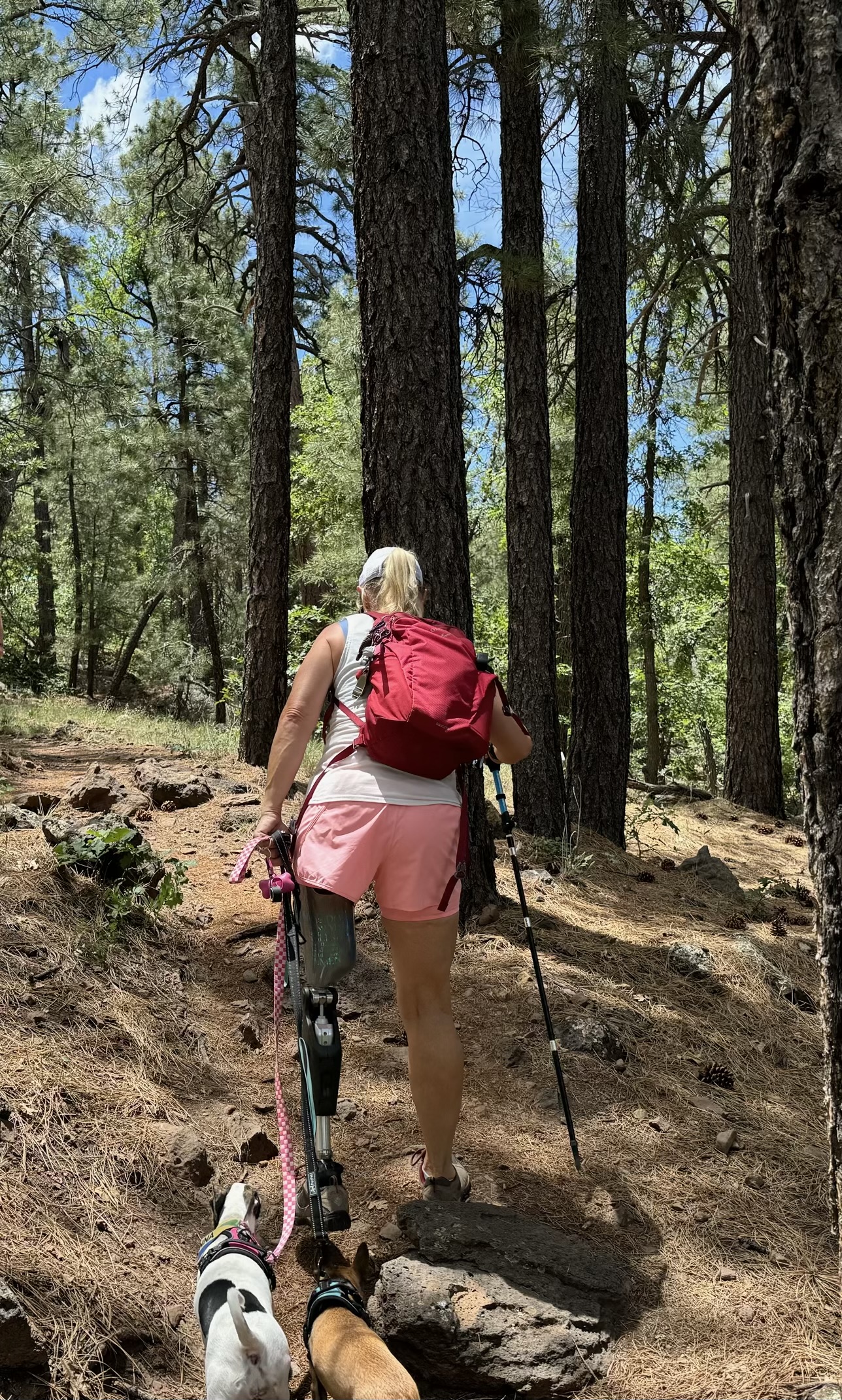
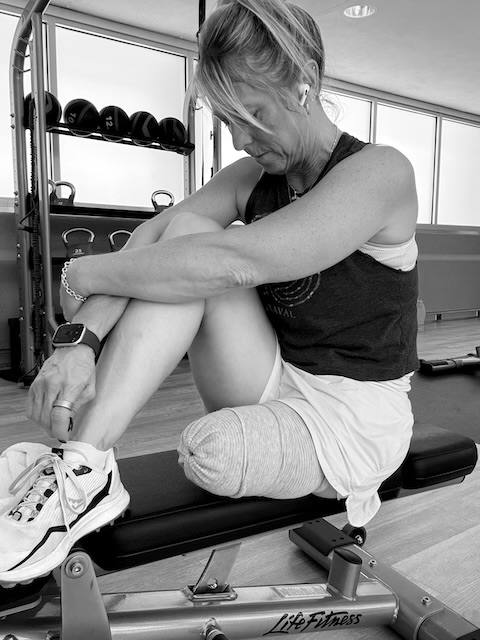
Losing a limb changes more than our appearance. It changes our balance, center of gravity, movement patterns, energy levels, and the way we approach everyday activities. Even something described as being “as easy as riding a bike” can become complicated. Getting onto the bike, positioning a prosthetic foot, balancing, starting, stopping, and reacting quickly all require new strategies.

The same is true for adaptive fitness, hiking, running, skiing, traveling, and even standing for long periods. Our bodies operate under different physics after limb loss, and we often use more energy to complete the same activity.

I think of energy as currency. Every activity makes a withdrawal, so I have to be intentional about how I spend it. If I know I have plans with family or friends, I may need to skip the gym, shorten another activity, or rest beforehand so I have enough energy to be present.

I also have to protect both my residual limb and my sound limb. Socket fit, skin irritation, phantom pain, neuromas, fatigue, and compensation can change how I move from one day to the next. There are days when pushing forward is appropriate, and there are days when pulling back is the wisest choice I can make.

Wisdom is not weakness.

Resting, using a mobility aid, shortening a workout, or changing a goal does not mean I am failing. It means I am protecting my body for the next twenty, thirty, or forty years. I have learned to ask myself, “Is it worth it?” Is the activity worth the pain, skin damage, lack of sleep, or extended recovery that may follow?

Success after amputation must also be personal. I cannot measure myself against who I was before surgery, another amputee on social media, or a Paralympic athlete with years of specialized training. My success may mean hiking a shorter trail, trusting a running blade, completing half a day of skiing, or simply showing up and moving my body.

Reimagining life after amputation means experimenting, adapting, learning from setbacks, and creating new goals. Progress is rarely linear, but every step still matters.

My life did not end with amputation. A new chapter began, and I get to decide what comes next.


Your Warrior Challenge

Think about something you have been trying to return to. Are you measuring your progress against your old life, or are you giving yourself permission to approach it differently?

Choose one goal this week and reimagine it. Adjust the pace, change the method, ask for support, and create a version that works for the body you have today.

Stop chasing your old normal. Start building a life that supports who you are becoming.

Keep moving forward, dear Warrior! One step at a time!

And as always,

Be Healthy,

Be Happy,

Be YOU!!!


Much love,

 

The Thousand Step Challenge

The Thousand Step Challenge

One Step at a Time: The Power of Small Steps Toward Big Goals


Have you ever looked at a goal and felt overwhelmed before you even started? Whether you’re learning to walk with a prosthetic, chasing a lifelong dream, beginning a new career, or simply trying to make it through a difficult season, sometimes the destination feels impossible. In this episode, I share a personal story that reminded me why the biggest accomplishments in life are built one step at a time.


1000 Step Challenge


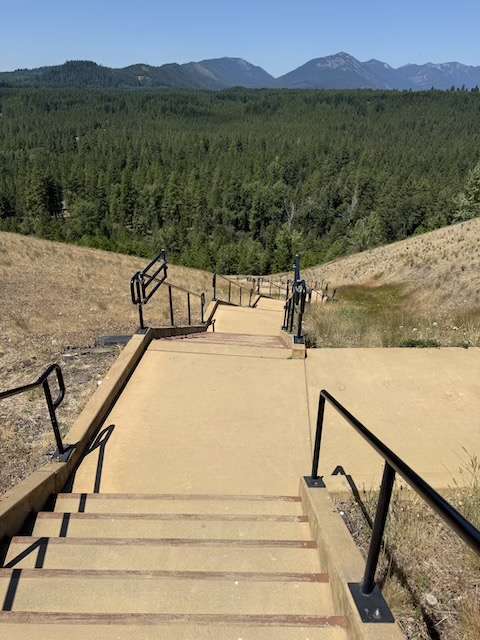
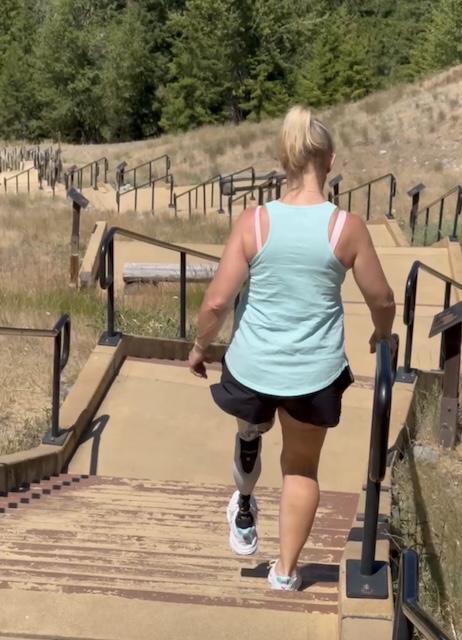
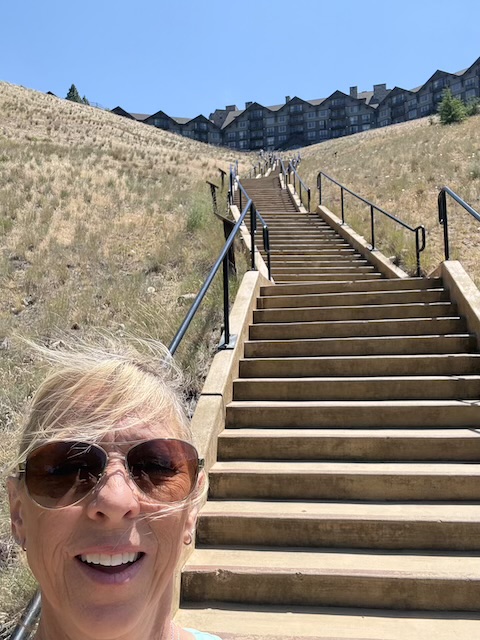
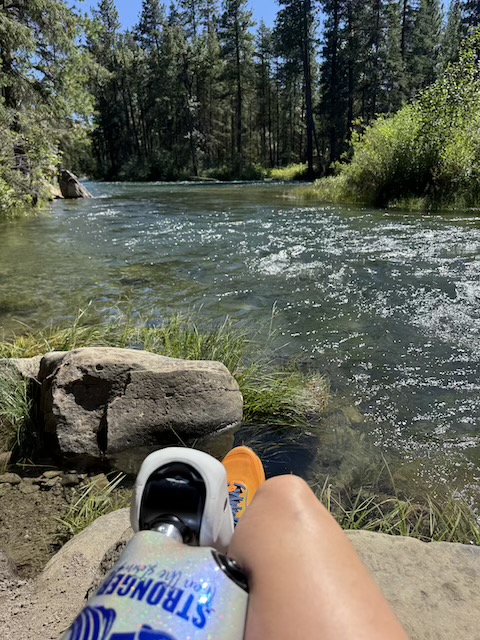
While attending a family wedding in Washington, I decided to tackle Suncadia’s famous 1,000 Step Challenge-500 steps down to a breathtaking river and 500 steps back up. As an above-knee amputee, I knew this wouldn’t be easy. Every step required focus, balance, patience, and determination. Going down meant carefully riding each step on my prosthetic. Coming back up demanded grit, controlled breathing, and the willingness to stop when I needed to, not because I was failing, but because I was resetting for the next stretch.


That challenge became a powerful reminder that life works the same way. We often become so focused on the size of our goals that we forget success is built in the small, consistent decisions we make every single day. Instead of becoming intimidated by the entire staircase, I focused on the next step in front of me. Sometimes I paused to catch my breath, look around, and appreciate how far I’d already come. Those pauses weren’t setbacks, they were opportunities to realign, refocus, and keep moving forward.

In this episode, I encourage you to stop comparing your journey to someone else’s highlight reel. Every accomplishment you admire was earned through countless unseen moments of perseverance, setbacks, adjustments, and resilience. The people accomplishing incredible things didn’t avoid obstacles, they simply chose to keep taking the next step.


The view is always better on the other side of a challenge


I also share how returning to complete the challenge a second time pushed me even further. Instead of simply finishing, I challenged myself to climb all 500 steps without stopping. Competing only against the person I was yesterday reminded me that growth isn’t about being better than someone else-it’s about becoming stronger than you were before.

No matter what mountain you’re facing today, remember this: break the goal into smaller pieces, keep your eyes on the next step, and trust the process. Progress isn’t measured by perfection; it’s measured by persistence. One step becomes another, and before you know it, you’ll look back from the top and realize you’ve accomplished something you once believed was impossible.

If you’re ready to stop standing at the bottom of your own mountain and start moving forward, I’d love for you to join me. Together, we’ll keep taking the next step—one step at a time.


Figure out what your goals are, and begin b simply breaking them down into smaller chunks.

Remember greatness isn’t accomplished overnight, and it isn’t accomplished without setbacks.  Keep the big picture in mind, but remember to break it down into smaller steps/goals that are doable each day.

Also, If you are a female amputee and would like to join myself and other likeminded women on achieving your goals, come join my first ever Momentum group. Space is limited so jump on today and sign up for Momentum

Don’t forget how amazing you are!

Have a blessed week and as always,

Be Healthy,

Be Happy,

Be YOU!!!


Much love,
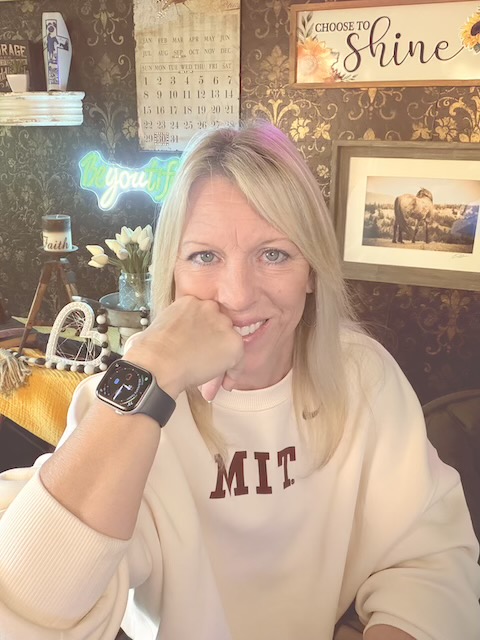


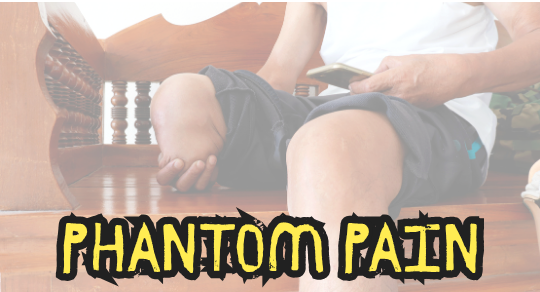
Phantom Pain: The Invisible Battle No One Sees

Phantom Pain: The Invisible Battle No One Sees

Understanding the Types, Triggers, and Coping Strategies


What if the most intense pain you’ve ever felt came from a part of your body that no longer exists?

As an above-knee amputee, phantom pain is one of the most difficult parts of my journey to explain. It’s invisible. It’s unpredictable. And unless you’ve experienced it yourself, it’s almost impossible to fully understand. Yet for many amputees, it becomes a reality we learn to navigate every day.


On this episode of the BAWarrior Podcast, I pull back the curtain on phantom pain and share my personal experience living with it over the last several years. From the constant burning and tingling sensations that feel like a foot trapped in a vice grip, to the sudden stabbing pains that can stop me in my tracks, phantom pain has taught me more about resilience than I ever expected.


I talk openly about what these sensations feel like, how they can affect daily life, and the emotional toll they can take when they strike unexpectedly. I also share my experience undergoing a revision surgery and AMI procedure at Massachusetts General Hospital, where surgeons discovered a foreign object near my femur that had been contributing to years of severe pain.

While there is no universal solution for phantom pain, I’ve learned that understanding potential triggers can make a difference. Poor socket fit, overuse, nerve irritation, stress, and even life circumstances can all influence how our bodies respond. Through years of trial and error, I’ve discovered that managing phantom pain often requires a combination of strategies rather than a single fix.

Most importantly, I share the mindset tools that have helped me endure some of my hardest moments. Deep breathing, movement, distraction techniques, mindfulness, and refusing to give pain control over my identity have become powerful parts of my personal toolbox. While pain may be part of my story, it does not get to write the ending.


If you’re an amputee struggling with phantom pain, I want you to know something I wish someone had told me during my darkest moments: it will not last forever. The pain comes and goes. The valleys are real, but so are the mountaintops. You are stronger than you realize, and you do not have to walk this journey alone.

I believe healing is about more than physical recovery. It’s about learning how to keep moving forward, even when the road feels impossible.


Join the Movement

If this story resonates with you, I invite you to become part of our growing Warrior community. Subscribe to the BAWarrior Podcast, connect with us through Warrior Ground, join our conversations, and discover the strength that comes from walking alongside others who truly understand the journey.

Together, we heal. Together, we grow. Together, we rise.

Because being a warrior isn’t about never feeling pain—it’s about refusing to let pain define who you are.

You are strong, dear Warrior, and you are worthy.

Have a blessed week, and as always,

Be Healthy,

Be Happy,

Be YOU!!!


Much love,
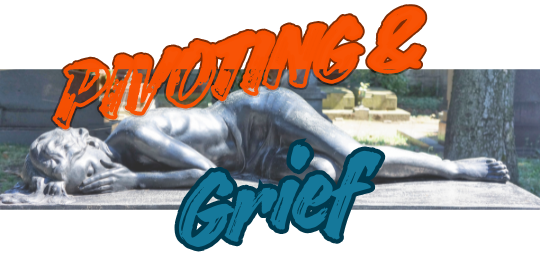
 

Overcoming the Fear of Falling

Overcoming the Fear of Falling

Reclaiming Independence


What if the thing holding you back isn’t the possibility of falling, but the fear of what happens if you do?

As amputees, we talk a lot about mobility, prosthetics, and recovery. But there is one challenge that often doesn’t get enough attention: the fear of falling.

In this week’s episode of BAWarrior Podcast, I share my own experiences as an above-knee amputee and explore how fear can quietly limit our lives if we allow it to take control.

The truth is, for many of us, the fear of falling isn’t really about the fall itself. It’s about everything we think might happen afterward. We worry about losing confidence, losing independence, or proving our fears right. We wonder what other people will think if we stumble. We question whether we’re strong enough to keep going.


I’ve been an amputee for more than seven years, and I have fallen while learning new skills, while using my running blade, and while pushing myself beyond my comfort zone. Even today, there are moments when fear tries to creep in and convince me to play it safe.

But I’ve learned something important: the more we avoid challenges because we’re afraid of falling, the smaller our world becomes.

Fear doesn’t just stop us from taking a step. It can stop us from living.


Throughout this episode, I share how I learned to trust my prosthesis, build confidence through repetition, and move beyond the fear that so many new amputees experience. I discuss the importance of physical therapy, consistent practice, and creating safe opportunities to challenge yourself little by little. Confidence isn’t built overnight. It comes from showing up every day, taking one more step, and proving to yourself that you can do hard things.

One of the greatest lessons I’ve learned is that the best parts of life often exist on the other side of fear. Whether it was learning to run, trying adaptive sports, surfing for the first time, or simply trusting my body again after amputation, every meaningful milestone required me to face uncertainty and keep moving forward anyway.


If you’re struggling with fear—whether it’s fear of falling, fear of failure, fear of judgment, or fear of the unknown—I want you to know you’re not alone. Every amputee faces these challenges in some form. The key is not waiting until fear disappears. The key is taking action despite it.


This week’s Warrior Challenge is simple:

What fear is holding you back right now?

Identify it. Acknowledge it. Then take one small step toward facing it this week.

Remember, courage isn’t the absence of fear. It’s moving forward in spite of it.

You are stronger than you realize. Don’t stop before you give yourself the chance to prove it.

Keep moving forward, warriors.


And as always,

Be Healthy,

Be Happy,

Be YOU!!!


Much love,
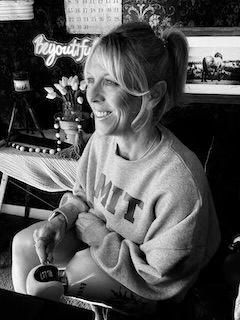
 

7 Lessons From 7 Years of Limb Loss

7 Lessons From 7 Years of Limb Loss

What I Wish Every New Amputee Knew


Seven years ago, I made one of the hardest decisions of my life: to amputate my leg. Looking back now, I can honestly say that journey has taught me more about life, resilience, and myself than I ever could have imagined.

In this episode, I share seven of the biggest lessons I’ve learned through seven years of living as an above-knee amputee. These lessons aren’t just about limb loss, they’re about navigating life’s unexpected challenges, embracing change, and discovering strength you didn’t know you had.

One of the first things I learned is that life is incredibly uncertain. None of us know what tomorrow holds. I certainly never imagined that a martial arts injury would eventually lead to amputation. Yet even in the uncertainty, I’ve learned that life is still beautiful and worth embracing. Every day we wake up with breath in our lungs is an opportunity to live fully, regardless of our circumstances.


I also talk about change and why fighting it often creates more suffering than the change itself. As amputees, change becomes a constant companion. New sockets, new challenges, new routines, and new versions of ourselves. While change can be uncomfortable, it can also open doors to experiences, relationships, and opportunities we never would have discovered otherwise.

Another lesson that stands out is realizing just how strong we really are. Not physically, although that comes too, but mentally and emotionally. Strength isn’t built on easy days. It’s forged through setbacks, disappointments, pain, and the choice to keep moving forward anyway. Like a diamond formed under pressure, adversity has a way of shaping us into something stronger than we thought possible.


I also share why learning to appreciate the good days matters so much. Living with limb loss means navigating physical challenges, phantom pain, socket issues, and countless ups and downs. The difficult days teach us to cherish the ordinary ones. They remind us not to take comfort, mobility, or peace for granted.

Perhaps one of the most important lessons is this: don’t do it alone. Finding community has been one of the greatest gifts of my journey. Whether through my Amped Women chats, fellow amputees, or supportive friends and family, connection matters. We were never meant to carry life’s challenges by ourselves.


Finally, I talk about friendships, mindset, and embracing the roller coaster that is amputee life. The road isn’t always easy, but it can still be meaningful, beautiful, and full of purpose.

My hope is that whether you’re a new amputee, a caregiver, or simply facing a challenge of your own, you’ll walk away encouraged. Life may not look the way we planned, but that doesn’t mean it can’t be extraordinary.

Mindset matters. Give yourself grace. Find your people. And remember—you are stronger than you think.


What’s one lesson your journey has taught you?

Whether you’re an amputee, caregiver, or someone navigating a challenge of your own, I’d love to hear from you. Share your biggest lesson in the comments, reply to this post, or connect with me through Warrior Ground.

And if you’re walking the limb loss journey, don’t do it alone. Join our community and discover the power of connecting with people who truly understand.

Join the Warrior Ground community and stay connected → HERE


And as always,

Be Healthy,

Be Happy,

Be YOU!!!


Much love,
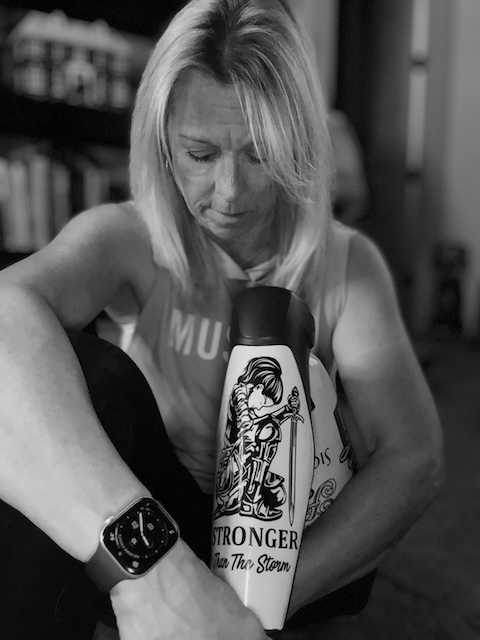


Finding Your Place Again After Limb Loss

Finding Your Place Again After Limb Loss

“The Name on the Bottom of My Foot”


Do you feel like you belong?

That’s the question I want to start with today. Because if you’re an amputee, or walking alongside someone who is, you’ve probably felt that quiet, unsettling shift… that moment where life no longer feels like it fits the way it used to.

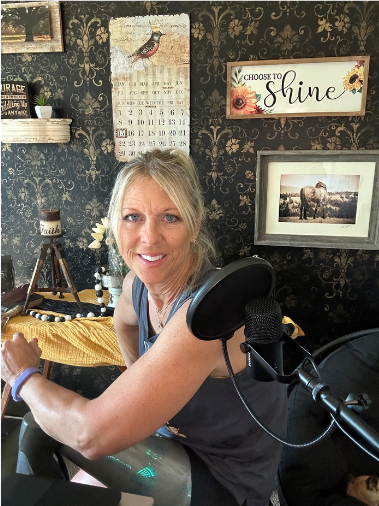
Welcome back to BAWarrior Podcast, a space for resilience, healing, and living life amplified exactly as you are. I’m your host, Angie Heuser, and I’m walking this journey right alongside you as an above-knee amputee.

This past week, I did something playful… but it turned into something deeply meaningful.

I was outside, barefoot in the Arizona warmth, and I had my prosthetic off because I was using my running blade. And for whatever reason, I grabbed a marker and wrote the name “Andy” on the bottom of my prosthetic foot.

If you’re a Toy Story fan, you already know the reference. Andy writes his name on the bottom of Woody’s boot, and later Buzz’s foot, as a symbol of belonging. It means those toys have a place. They matter. They are part of something bigger.


And as soon as I wrote it… it hit me.

Isn’t that exactly what we’re all searching for after limb loss?

Because here’s the truth, amputation doesn’t just change your body. It changes your identity. It changes how you see yourself, how you move through the world, and how the world sometimes responds to you.

For me, seven years ago when I chose to amputate, it felt like I was on a train that suddenly switched tracks without warning. I wasn’t going where I thought I would anymore. And the first real question became:

Who am I now?

Because I didn’t feel like I belonged in my old life the same way. Yes, I was still a wife, a mom, an athlete, but I also stood out in ways I never had before. From wearing gym shoes everywhere because of my prosthetic limitations, to navigating how people perceived me, to questioning where I fit socially… it shook my confidence and my identity.

And what I’ve learned through talking to so many amputees is this:

The surgery isn’t the hardest part.

Learning to walk again isn’t even the hardest part.

The hardest part… is figuring out where you belong now.

That’s the piece no one really prepares you for.

And that’s where this idea of Andy’s name became so powerful to me.


Because in Toy Story, those toys aren’t afraid of being broken, they’re afraid of being forgotten. Of not having a place. Of not belonging anymore.

And isn’t that what we feel sometimes too?

But here’s the shift. Here’s where the warrior mindset comes in.

Instead of asking, “Why did this happen to me?”

I started asking, “What can I do with this?”

That mindset changed everything.

I began to see this journey not as an ending, but as a reinvention. I set goals. I pushed myself. I proved, to myself first, that I was still capable of living a full, meaningful life. And in that process, something bigger started to unfold.

This podcast was born.

Then the women’s amputee chat group.

Then stepping into research, working with incredible teams at MIT and Harvard, participating in studies, surgeries, and innovations to help move our community forward.


My Community, My friends who always have my back!


I found purpose.

And I realized something important:

Belonging doesn’t come from going back to who you were.

It comes from building who you are now.

Our adversity creates our strength.

Our identity evolves.

Our scars tell our stories.

And our community creates our belonging.

That’s why community matters so deeply.

Because sometimes, you won’t find belonging in the same places you used to. And that’s okay. We outgrow spaces. People come and go. Life shifts.

But there is a place for you.

Your new “toy box,” if you will.

A place where people understand you. Support you. See you, not in spite of your journey, but because of it.

That’s why I created the women’s chats. Because I saw how many women were struggling with identity, friendships, relationships, confidence… all of it. And they needed a space where they could just be real.

Because you don’t have to do this alone.


So here’s what I want you to do this week, your call to action.

I want you to mark yourself.

Not necessarily with a tattoo—but with something meaningful.

A word.

A symbol.

Your name.

A reminder.

Put it somewhere you’ll see it every day—your mirror, your prosthetic, your journal, your car.

Something that tells you:

I belong.

I have purpose.

I matter.

For me, it was “Andy.” It made me smile. It brought me back to special, warm memories with my kids. It gave me a sense of lightness and meaning all at once.

But yours can be whatever speaks to you.

Because on the hard days, and they will come, you need something to ground you. Something to remind you that even though life looks different…

You are still part of this story.

You are not forgotten.

You are not alone.

You are not without purpose.

You are evolving.

You are growing.

You are becoming.

So find your new community.

Find your purpose.

And most importantly…

Mark yourself in a way that reminds you—you still belong.

You are warriors.

You are strong.

And I am so proud of how far you’ve come—and where you’re going.

Until next time…

Be healthy,

Be happy,

Be YOU!!!

💛

Much Love,


Courage, Authenticity, and Decisive Action for Amputees

Courage, Authenticity, and Decisive Action for Amputees

Year of the Fire Horse Part 4 Embrace Courage and Move Forward


There comes a moment when life asks you a hard question: Are you ready to stop waiting and start leading your own life? Not tomorrow. Not when things feel easier. But now—right where you are, exactly as you are. That’s the space this episode lives in. And as we stand on the edge of the Year of the Fire Horse, that question feels louder, bolder, and impossible to ignore.

As we move closer to February 17th, the official start of the Year of the Fire Horse, I wanted to pause, breathe, and prepare—for myself and for you. Because this year carries a rare combination of energy and power that only comes once every sixty years. And if we’re ready for it, it can change everything.

I’ll be honest: I don’t typically follow the Chinese calendar. I’m a Christian, and my faith anchors me. But if you put a horse anywhere near my path, I pay attention. Horses transformed my life after amputation, which is why I pursued my equine therapy certification. I believe deeply in their power—movement, intuition, strength—and I believe this year invites us to embody those same qualities. This isn’t about superstition. It’s about preparation, intention, and courage.

Ole Ben, loves quiet time!

Me and my girl, Sakari. She is my Soul Horse!


This episode is part of a series designed to help you step into this new year with clarity and confidence. Over the past few weeks, we’ve talked about movement, momentum, fearless expansion, and the shift from waiting to leading. Because waiting—especially as an amputee—can quietly become a habit. We tell ourselves we’ll start when the pain eases, when our body feels better, when life calms down. And while rest is sometimes necessary, waiting can also keep us stuck.


Quiet Energy…


…And silliness!


I speak from experience. I’ve been an amputee for seven years now, and this is season six of the podcast. That first year after my amputation, I set goals and attacked them with everything I had. I was done letting life pass me by. I learned quickly that growth doesn’t happen by sitting back—it happens by stepping forward, even when it’s uncomfortable.

This week, we dive into three essential pillars: courage, authenticity, and decisive action. Because dreams without plans stay dreams. Saying “I want to walk better” or “I want to feel stronger” means nothing if we don’t define what that looks like. Decisive action requires clarity. It requires writing things down. Being specific. Holding ourselves accountable.


Finding the determination and taking action despite how you feel is courageous!


For me, that clarity began before my amputation. I created a vision board months before surgery—photos of my family, Bible verses, meaningful quotes, and images of the life I wanted to return to. Skiing. Movement. Strength. That board sat next to my bed for four months, reminding me daily that I am more than my body. That I am more than what was being taken from me. And that belief carried me forward.


My Vision Board

But belief alone isn’t enough. Action matters. And action, as an amputee, is complicated. Learning to walk again isn’t just physical—it’s emotional, mental, and exhausting. Trusting a prosthetic leg takes time. Wearing it can feel heavy, claustrophobic, painful. Some days, seven years later, I still struggle. And I share that because authenticity matters. This journey isn’t linear, and pretending otherwise helps no one.

One of the tools that helped me most was creating “carrots”—clear motivators that pulled me forward. For me, that came in the form of virtual races. Not because I needed to run, but because I needed a reason to move. Walking, rowing, swimming, chair yoga—movement in any form counts. Since my amputation, I’ve completed over twenty virtual challenges, some as long as 175 miles. Not to compete with anyone else—but to be better than I was yesterday.


SOME of my virtual races- all completed AFTER amputation! My motivation!


That’s the heart of this episode. You are not competing with anyone but yourself. Comparison steals joy. Progress—no matter how small—builds momentum. Some days, progress looks like wearing your leg for two hours instead of none. Some days, it looks like standing instead of sitting. Some days, it looks like crying and still choosing not to quit.

Courage doesn’t mean fear disappears. I’m scared sometimes—scared to fall, scared to trust my body, scared to push too far. But courage is choosing to move anyway. Authenticity is honoring the hard days without surrendering to them. And decisive action is committing to your life, even when it’s uncomfortable.


I close this episode with a call to action that’s simple—but powerful. Find a quiet place this week. No distractions. No to-do lists. Breathe. And picture your life twelve months from now. How does your body feel? How do you move? What are you proud of? Then write it down—and work backward to create small steps toward your goals. That’s how transformation happens.

The Year of the Fire Horse is not a year to sit back. It’s a year to lead, to grow, to fall and rise again. And you don’t have to do it alone. No matter where you are in your journey—new amputee, seasoned warrior, or someone simply struggling with life—I’m here. Let’s walk this together.


If you are interested in joining me, virtually, on this Year of the Fire Horse challenge you can sign up here

Use the discount code JOLLY and receive 30% off your registration!


Women, I have a private group to motivate each other on Facebook. Find me and inquire on how to join!


I look forward to supporting one another this year!

Have a beautiful week ahead,

And as always,

Be Healthy,

Be Happy,

Be YOU!!!


Much love,
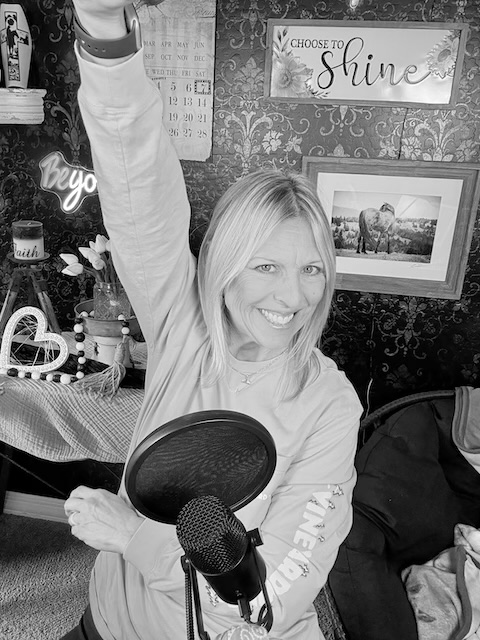
You are braver than you know!

A Year of Movement, Momentum and Fearless Expansion

A Year of Movement, Momentum and Fearless Expansion

The Year of The Fire Horse Part 1


As I sat down to share this episode, we are in that weird blur between the holidays and the start of the new year—January 21st to be exact. Somehow we’re saying goodbye to January already and I’m still not sure how time is moving this fast. To be honest, I am a little under the weather today. A trip back home to Chicago gifted me more than nostalgia—sniffles and congestion that love to linger. But if there’s anything amputee life has taught me, it’s how to show up anyway. Healing isn’t always linear, progress isn’t always pretty, and sometimes the real strength is simply being here.

If you’ve been with me for a while, you already know how excited I am about 2026. This is the Year of the Horse, and I have unapologetically embraced it. Horses are my heart—right alongside my pups—and spending time with them is healing in motion. I was out loving on them earlier that morning, enjoying Arizona sunshine that feels a little too warm for January. (I’m still waiting for winter to show up so I can actually appreciate the desert heat again.) But weather aside, the symbolism of the horse couldn’t align more powerfully with the season I’m in—and the season many of you are in.

What makes this year even more rare is that it isn’t just the Year of the Horse. It is the Year of the Fire Horse, a cycle that doesn’t come around often in the Chinese calendar. Fire brings imagery of energy, power, movement, and drive—big, explosive energy that demands expansion. When I learned that, I immediately knew I wanted to infuse that symbolism into our lives this year, especially within the amputee community.

Now, if you’re not an amputee, don’t tune out. The beauty of this journey is that the lessons apply to anyone navigating hardship—whether your challenges are physical, medical, emotional, relational, or even professional. Struggle doesn’t discriminate. But neither does growth.

I’ve never been a fan of New Year’s resolutions. January feels messy—physically, mentally, and emotionally. We’re recovering from holidays, reorganizing homes, resetting routines, trying to remember what vegetables look like, and wrestling with motivation that hasn’t thawed out yet. I spent those early weeks decluttering my body from holiday eating and drinking, refreshing my home, and re-establishing rhythms that support who I want to be—not just who I’ve been. For me, that looks like eating cleaner, scheduling movement, and taking care of my mind, my leg, my family, and my horses. I’m not a rigid scheduler by nature, but with so many things I love doing, I can’t always choose—and then nothing gets done. So sometimes structure serves us.

While reading about the Year of the Fire Horse, five symbolic themes showed up. I decided I’m going to break them down over several episodes and explore how they can shape our growth. Unless something major happens in my own life (because I always speak from personal experience first), we’re riding that theme for a bit.

The first Fire Horse theme? Movement, Momentum, and Fearless Expansion.

Three words. Three mountains. Three invitations.

Let’s start with movement.

If you’re an amputee and you’re unhappy with where you’re at—maybe you’re watching others do things you wish you could do—the number one thing I’ll tell you is this: do not compare yourself to anyone else. Amputee life is not one size fits all. Body types, limb levels, insurance coverage, prosthetic technology, pain tolerance, terrain, weather, confidence—all of it changes the picture. Someone in snowy Minnesota isn’t out hiking in January. Someone in Arizona isn’t out walking at 115°F. Our seasons look different literally and figuratively. And that’s okay.

But movement matters. In fact, movement is everything.

Movement is how we reclaim our bodies.

Movement is how we rebuild trust.

Movement is how we protect our mental health.

Movement is how we remind ourselves we’re alive.

Prosthetics don’t move us—we move us. Insurance coverage doesn’t give us grit—we give us grit. And movement isn’t pain-free, effortless, or pretty in the beginning. It’s awkward. It’s exhausting. It’s uncomfortable. And some days it just feels unfair. But movement is life, and life demands movement. Even if you’re not on a prosthetic yet, wheelchairs, crutches, walkers—pushing yourself counts. Motion burns energy, heals the mind, and keeps you connected to your body and your environment.

And with movement comes momentum.

Momentum isn’t about speed—it’s about direction. It’s about choosing to walk to the end of the driveway today, past the neighbor’s house tomorrow, and maybe around the block next week. Those baby steps are not insignificant. They are data. They are discipline. They are the quiet stacking of strength.

I still remember thinking I could walk a mile as soon as I got cleared for my prosthetic. I didn’t make it past three houses. I was disappointed at first, but then I realized something important: I had found my baseline. You cannot grow if you don’t know where you’re starting from. Momentum begins with honesty.

Momentum is also how you build trust with your prosthesis—trust up a curb, down a hill, over uneven terrain, and through the hundred tiny adjustments your body makes to learn this new dance. Prosthesis + confidence is earned, not given. And it starts one step at a time.

Then comes the third theme: fearless expansion.


Let me be very clear—fearless does not mean the absence of fear. It means facing fear. Every amputee I’ve ever met battles fear. Fear of falling. Fear of looking foolish. Fear of pain. Fear of malfunction. Fear of being judged. Fear of being stared at. Fear of being misunderstood. Fear of being trapped in this new reality forever.

Fearless expansion is courage in motion. It’s putting on your leg even when you don’t feel like it. It’s going out in public before your gait feels steady. It’s learning how to trust a piece of machinery that now represents a part of your body. It’s standing back up every time you fall—literally or metaphorically.

And here’s the truth: what you do now determines what your future looks like. I’m not worried about being 80 yet—but I know how I move my body today will directly affect that version of me.


I’m wired for action. Consuming content without integration doesn’t create change. So here’s your call to action:

If you’re not moving, start.

Not a marathon. Not a hike. Not a PR. Just movement.

Ask yourself:

What do I want my future to look like?

Where do I want expansion?

What scares me—and am I willing to face it?

Maybe your goal is more steps.

Maybe it’s longer prosthetic wear time.

Maybe it’s a grocery run.

Maybe it’s cooking a meal standing up.

Maybe it’s just putting the leg on today.

Compete only with yesterday’s version of you. If you get stronger, braver, and more resilient by even 1%—you’re winning.

And if you need accountability, reach out. DM me. Join me. I’m launching a virtual challenge soon—Year of the Horse themed, of course—and I want you on my team. Because momentum is easier when you’re not doing it alone.

So get moving. Build momentum. Expand fearlessly. Face the fire horse energy and ride it into the life you deserve.

Get moving, Warriors!


And as always—

be Healthy,

Be Happy,

Be YOU!!!


Much Love,


Walk The Line

Walk The Line

Friendships Versus Hardships


The hard truths of handling your friendships (and relationships, for that matter), and going through amputation is definitely a hot topic in our community. And quite frankly, if you are going through ANY hardship you might feel a sense of pull back or even a good friend vanish into thin air as if they were just a figment of your imagination.

Becoming an amputee is a lonely gig. You deal with a lot of emotions, phantom pains and unnatural feelings that cannot be explained to someone who hasn’t gone through the lose of a limb, the fitting and feels of a socket and metal leg, not to mention the night time when pains take over and the dark and quietness of the night are suffocating, etc, etc, etc.

Now, add to this the frustrations you feel when the surgery is all done, you’ve healed and life goes on….. for everyone else around you! Yet here you are still stuck with the pains, sensations, feeling vulnerable, questioning your future and your independence, doubting yourself, hating the way you look and feel, being angry and sad all in the same breathe, but your closest friends just can’t listen to it all anymore, they’ve moved on, but you haven’t.

Well, it’s time to check yourself. Are you consumed with all the things you’re feeling or spending hours upon hours in a negative place, struggling to get out? Have you tried to see yourself as more than an amputee or the victim of this scenario?

I don’t blame you, we all have those days but you cannot live there! It’s unhealthy and that negative energy that will ruin you and your relationships. It’s time to find your space and that means seeing the positive, finding the beauty where you are at. Finding your purpose and allowing that to fuel you won’t only do you good it’ll draw others to you, like a beacon on a darkened hilltop.


This does not mean that you shouldn’t validate your pain or your feelings, but it does mean find a balance. I don’t talk about the pain I go through because talking about it gives it power and I won’t have that. It doesn’t serve me or make me feel better so I push it aside. However somedays it is all I can do not to spend a day in tears because I cannot escape my pain, and those days I let me family and close friends know what I’m going through so they aren’t smacked with my emotions and possible anger.

There are two sides to this fine line we walk, and our relationships, if important and valuable to us, must be a constant give and take. We cannot expect those who love us to sit and listen to all of our negativity while we change nothing or try to help ourselves. And remember, everyone has hardships. Are you caring about those who you love like you expect them to care about you?

We must be willing to reciprocate that compassion. Even as amputees, when we are having a great day that’s a perfect time for us to support someone who isn’t. We must learn to fill each other up, not just take and deplete our relationships to they are dried out and a dark void.

Relationships die, and people leave when they no longer feel seen, heard, or cared about.

On the flip side, friends come into our lives for seasons, reasons, or lifetimes. There are some people that just are not cut out to deal with someone else’s plight, or have low tolerance for negative chatter, they may need more attention than you can give while dealing with your amputation or they are threatened by you situation. Whatever it is, it may not be on you.


The two sides:

Side 1: As an amputee who feels like everyone is leaving you.

Are you speaking more negatives than positives?

Are you monopolizing every conversation with talk about your “predicament”?

Is the only thing on your mind your ampuatation and nothing else seems to matter?

Then you need to flip the switch and start speaking positivity into your life and into your family and friends’ lives. Your amputation does NOT define you, it does NOT limit you, only you can do that.

Are your relationships important? Then find a balance. I’m not saying you should never talk about your problem or your struggles but remember that there is more to you and life than your amputation.

Find the positive of being an amputee even if you need to force a bad joke. I always tell my family when my handicap sign saves us from awful walk to an event, “Thank Goodness, my lack of a leg saved us again! You’re welcome!” We laugh and truly enjoy the perks, and I’m happy it hs afforded us some great seats at sporting events. *Perk!

Side 2: The friend or family member of an amputee

What they are going through is hard and we are told that we may grieve the lose of our limb like we grieve when someone dies.

Remember that healing from an amputation is only the beginning of our journey and everyday is so very different. The first 2 years is screwy, hard, emotional, and leaves us feeling lone in a crowded room. Allow your friend or family member talk about it and grieve and cry and scream. BUTTTTTT,  don’t let them live there. Remind them of what they have and that there is more to life.

Be honest with them too. If you care about them and love them let them know when they are plunging into a dark place before it’s too late. Tell them you need to be heard, loved, and seen.

There are two sides to this new journey and no one should go it alone, just make sure you are finding a balance, for your sake and your loved ones.

You are truly amazing.

You’ve come this far, it’s time to fight the good fight and find your purpose and start living your best life!

Rise up, Dear Warriors, Rise UP!!!!!

You are more than your body, you are a soul, a light for a dark world, you are love!

Have a beautiful week and as always,

Be Healthy,

Be Happy,

Be YOU!!!


Much love,


The Year of the Horse and Your Journey

The Year of the Horse and Your Journey

Be A Warrior: Closing Season Five, Trusting What Comes Next
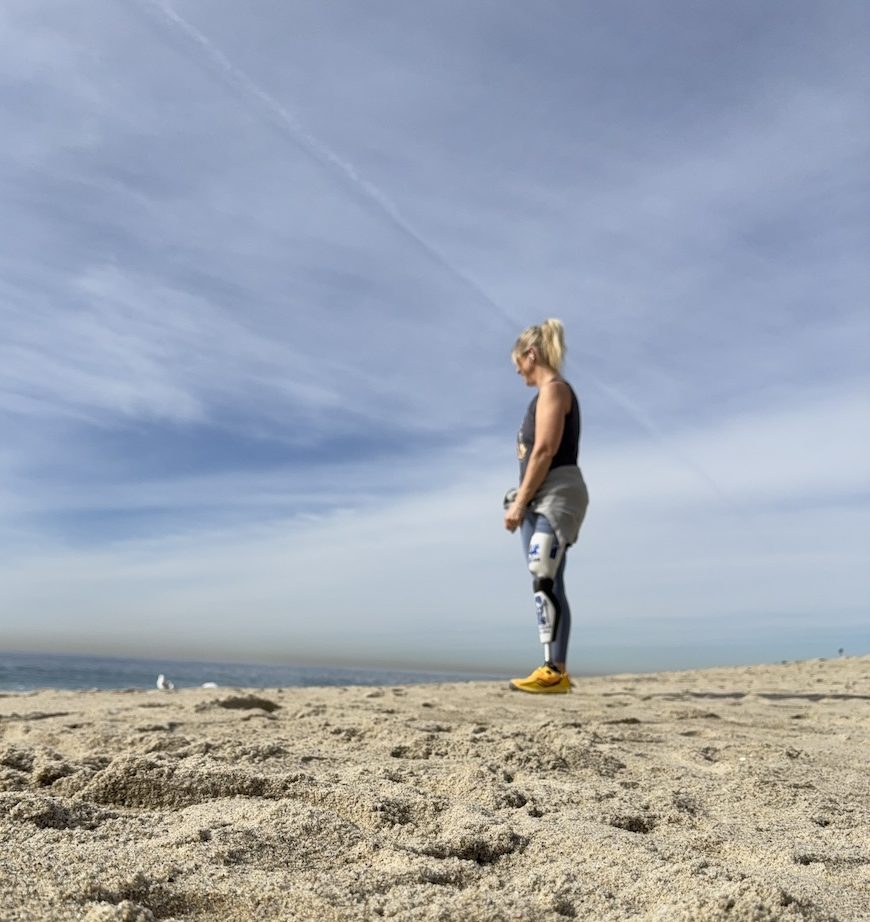
 

As I sit down to record this episode, it honestly feels surreal. This is the final episode of 2025 and the close of Season Five of Be-YOU-tiful Adaptive Warrior. Five years. 210 episodes in all! When I say that out loud, it stops me in my tracks a little. What started as a quiet nudge on my heart has grown into something that now feels woven into my life, my healing, and my purpose.
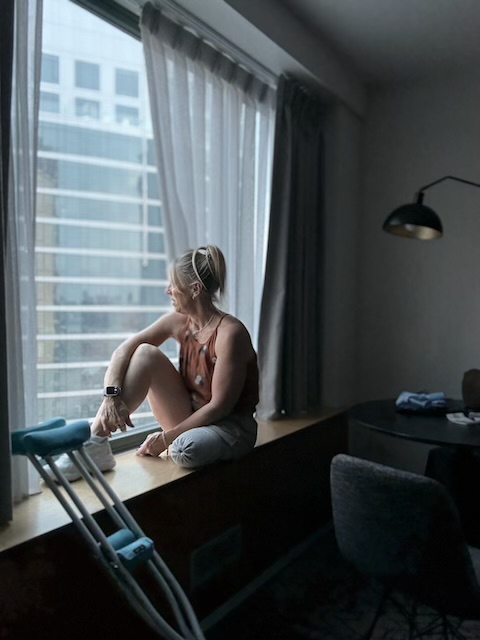
 

My 2025 year in review


If you’ve been with me on this journey for a while, thank you. Truly. You are part of this family. And if you’re new here, welcome. I hope you’ll stick around—because Season Six starts next week, and I can hardly believe I get to say that.

When I launched this podcast, I didn’t have a master plan. I wasn’t chasing perfection, production polish, or algorithms. I was chasing meaning. My prayer from the very beginning was simple: If this reaches one person—if it brings hope, peace, or strength to someone in the middle of chaos—then it’s worth it.

This podcast exists because of my faith, my lived experience, and the road that brought me here—one that forever changed on December 19th, 2018. That was the day I chose an elective above-knee amputation after five years of failed surgeries following a taekwondo accident. Five years of fighting my own body. Five years of pain, loss, and unanswered questions.


My TaeKwonDo time, pre-amputation


If you’ve never heard my full amputation story, I shared it back in Season One. And honestly, as I step into Season Six, I may revisit it again—because time gives perspective, and perspective gives depth.

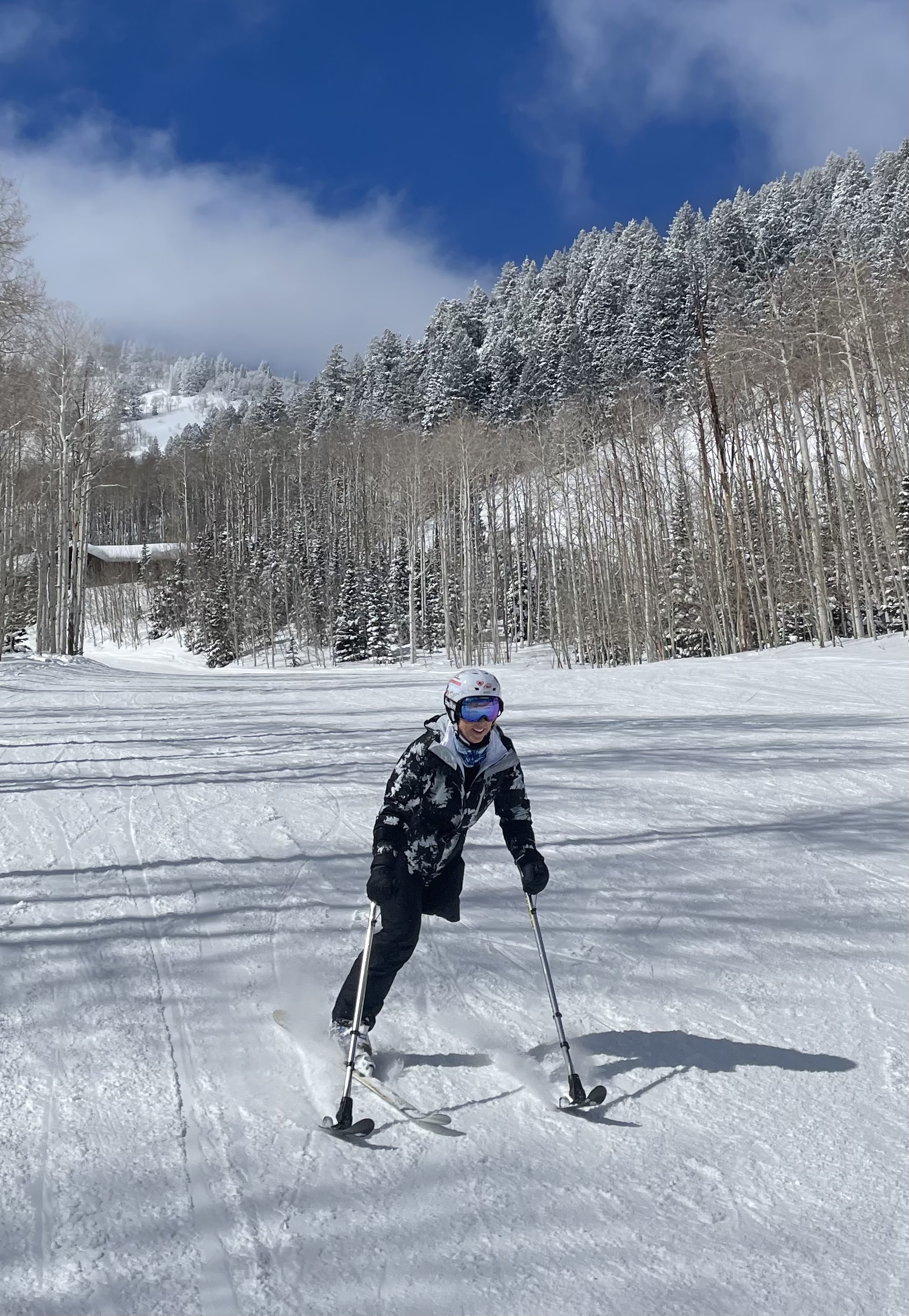
My first full year as an amputee was 2019, and I set goals like my life depended on it. And in many ways, it did. I hit every single one. I skied again. I surfed. I water skied. I hiked. I rode horses. I proved to myself, my doctors, my family—and maybe the world—that I wasn’t disabled. I was differently abled.

But once I checked every box, something unexpected happened. I felt empty.

That emptiness wasn’t failure—it was calling. I realized I wasn’t meant to keep all of that hard-earned wisdom to myself. I wasn’t meant to just do life again. I was meant to share it. That’s where this podcast was born.

I’ll be honest—I don’t love listening to myself talk. I don’t script these episodes. I don’t cut out the pauses or clean up the edges. There’s an intro, there’s an outro, and everything in between is real. I show up as a mom, a wife, an amputee, a human still figuring it out. This podcast is raw on purpose—because life is raw.

As this year closes, we’re also shifting seasons symbolically. If you follow the Chinese calendar, we’re leaving the Year of the Snake and entering the Year of the Horse. And if you know me at all, you know how much that resonates. Horses have become central to my healing and my heart.


As a little girl growing up in the suburbs of Chicago, I dreamed of horses, but access and finances made it unrealistic. Life had other plans. It wasn’t until after I lost my leg that horses came back into my life in a powerful way. I reached out to a friend who worked with rescue horses, and something clicked—deeply and instantly.

That connection led me to become certified in horse training, advanced training, and most recently equine therapy. Horses taught me regulation, presence, trust, and stillness in ways nothing else ever had—especially after trauma. Now, I work with people who are searching for grounding, healing, and reconnection to their bodies, especially after limb loss.

The Year of the Horse represents freedom, movement, soul searching, and wellness. And honestly, I can’t think of a better theme for what’s ahead. I don’t know exactly what this year will bring—but I know I’m ready to meet it.

If you’ve followed me for any length of time, you know I don’t believe in New Year’s resolutions. I think the phrase itself sets us up to fail. Words carry power. When we label something as temporary or flimsy, our minds treat it that way. By February, resolutions fade, gyms empty out, and people convince themselves they’ll “start again later.”

So instead, I believe in fresh starts. Turning a page. New perspective.

And one of my favorite end-of-year rituals is choosing a word—or a short phrase—to guide the year ahead. Not a checklist. A compass.

Last year, my words were ‘Be Present’. And those words carried me through one of the most challenging years of my life. In May, I traveled to Boston to see if I qualified for an experimental procedure and revision surgery. In June, I had surgery. July through September were filled with healing, setbacks, crutches, fittings, and learning my body all over again.

Through it all, I stayed present. I documented the journey. I let myself feel it. And when the holidays arrived—busy, beautiful, chaotic—I stayed present there too. I soaked up baking, gift-making, family moments, and even the exhaustion. I welcomed January’s slower rhythm with gratitude instead of guilt.

This year, my word found me quietly—in church, listening to our pastor speak.

My word for the coming year is ‘Trust”.

That word is heavy in the best way.

Trusting the process. Trusting the people around me. Trusting my body as it continues to change. Trusting God’s timing—even when it doesn’t match my own.

I like control. I like schedules. I like certainty. And trust requires letting go. It’s a trust fall—stepping back and believing you’ll be caught.

My prosthetic journey is still unfolding. My leg continues to change. A new socket is likely coming soon. Nothing feels finished or neat right now—and that’s okay. This year, I’m choosing to stop forcing outcomes and start allowing space.

If something is meant to be, it will unfold. And if it isn’t, that doesn’t mean it was a failure. Sometimes closed doors are protection. Sometimes the blessing only makes sense in hindsight.


So here’s my invitation to you.

As we sit in this quiet space between years, I want you to choose a word or phrase of your own. Something that speaks to where you are—not where you think you should be.

Be honest. Reflect. Meditate on it. Ask yourself where you struggled this year and where you want to grow—not from shame, but from curiosity.

Write your word down. Put it somewhere visible. Make it your screensaver. Stick it on your mirror. Tell someone you trust. Accountability matters. Growth requires reflection—and sometimes reminders.

And remember this: you are not meant to be at the same place as everyone else. We rise and fall at different times so we can lift each other when it’s needed. Start with yourself. Speak kindly to yourself. Life is too short for your own inner voice to be your harshest critic.

You are already enough. Growth is not about fixing yourself—it’s about expanding into who you already are.

As I close this chapter, I want to thank you for being here. For listening. For trusting me with your time and your heart. If this podcast gave you even one moment of hope or clarity this year, then it has done its job.

Season Six is coming. New challenges are coming. A virtual race is on the horizon. And the Year of the Horse is inviting us forward—with strength, freedom, and trust.

Until next year—keep showing up, keep listening to your heart, and trust the process.

And as always,

Be Healthy,

Be Happy,

Be YOU!!!

Much love,