Tag: Adaptive fitness

Reimagine Your Life After Amputation

Reimagine Your Life After Amputation

Building a New Version of Normal


What happens when the life you want to return to no longer works the way you remember it?

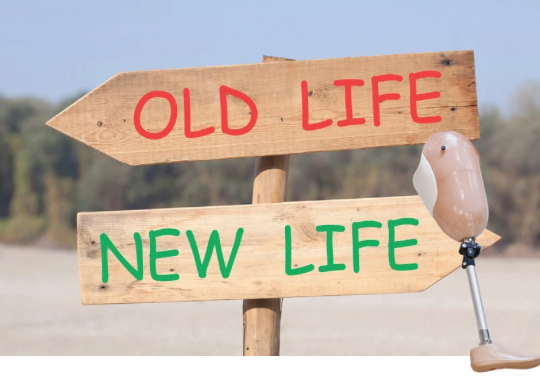
After amputation, we are often told that we can get back to doing the things we love, and I believe that is true. But I have learned that those activities may look, feel, and function differently than they did before. Recovery is not always about returning to the person we used to be. Sometimes, it is about reimagining what life can look like now.

Losing a limb changes more than our appearance. It changes our balance, center of gravity, movement patterns, energy levels, and the way we approach everyday activities. Even something described as being “as easy as riding a bike” can become complicated. Getting onto the bike, positioning a prosthetic foot, balancing, starting, stopping, and reacting quickly all require new strategies.

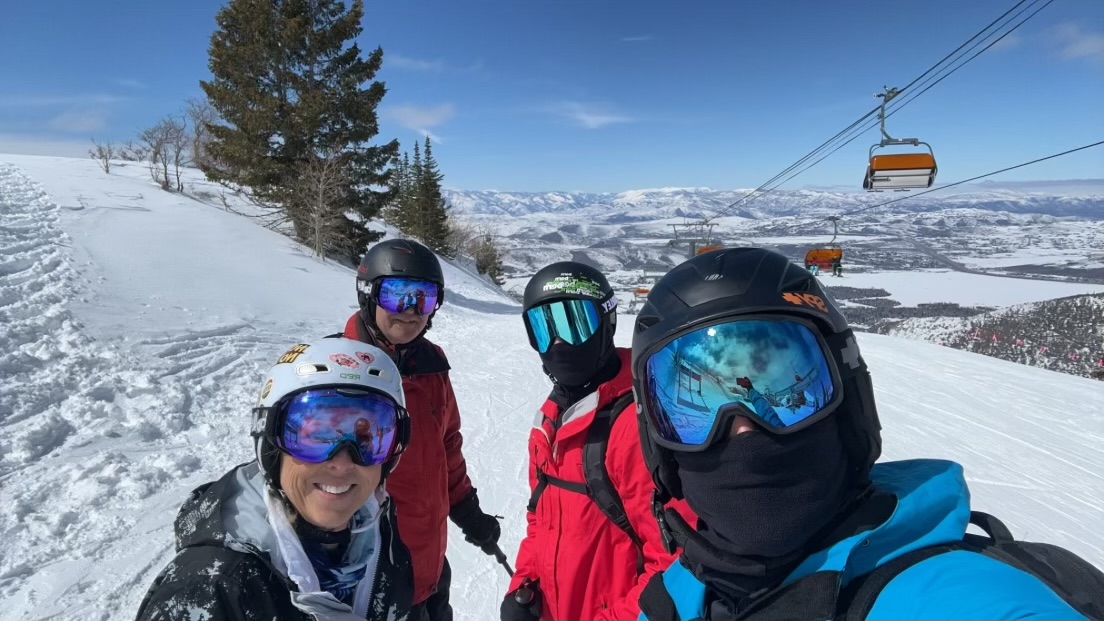
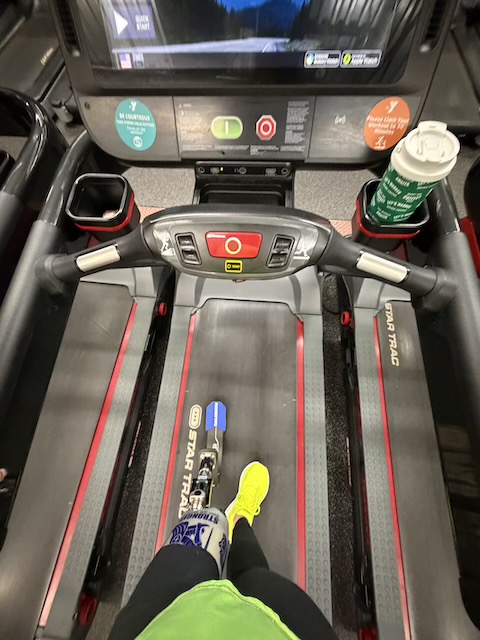
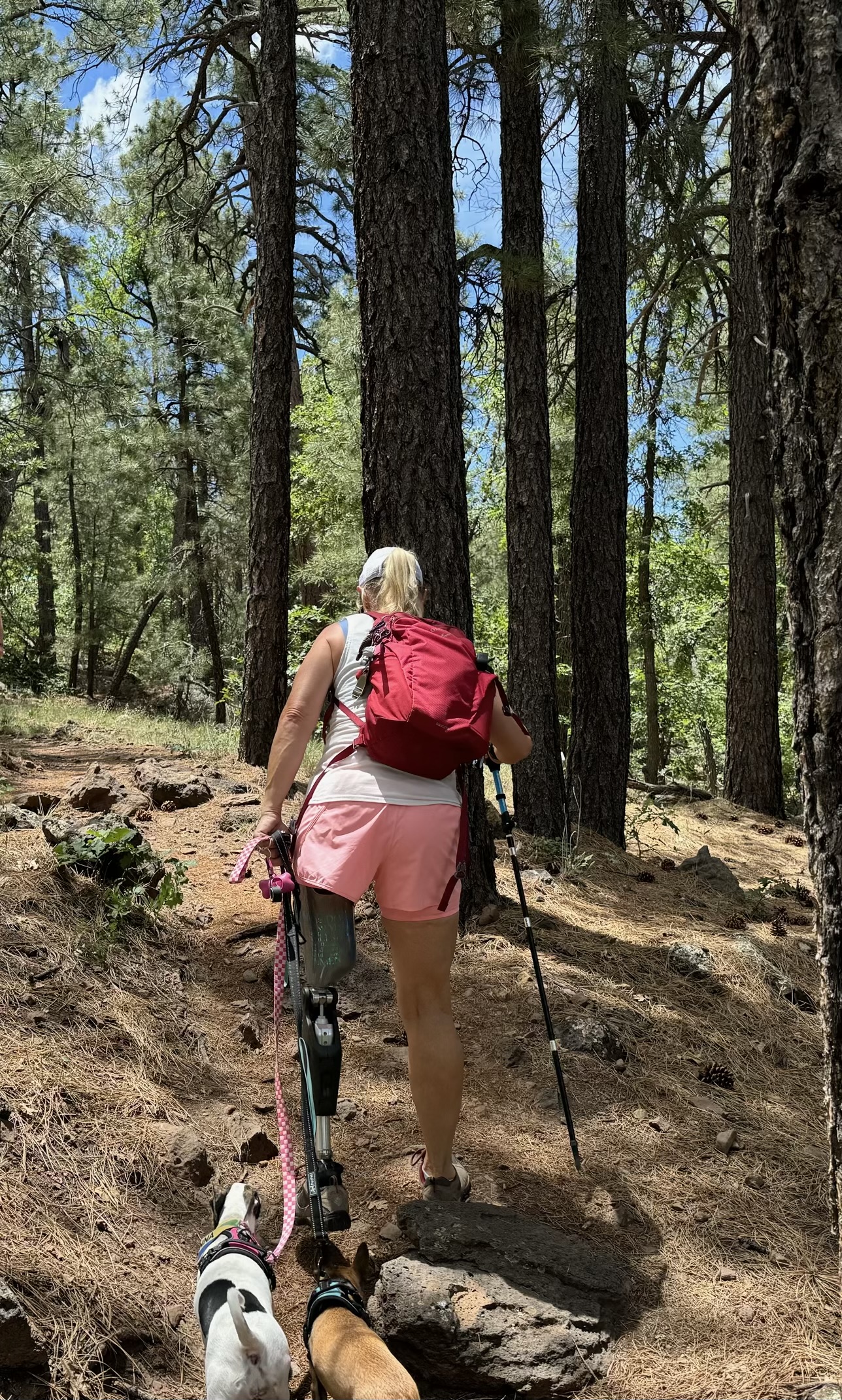
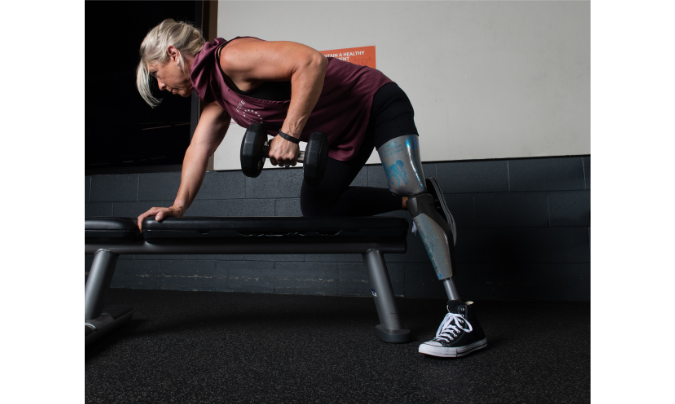
The same is true for adaptive fitness, hiking, running, skiing, traveling, and even standing for long periods. Our bodies operate under different physics after limb loss, and we often use more energy to complete the same activity.

I think of energy as currency. Every activity makes a withdrawal, so I have to be intentional about how I spend it. If I know I have plans with family or friends, I may need to skip the gym, shorten another activity, or rest beforehand so I have enough energy to be present.

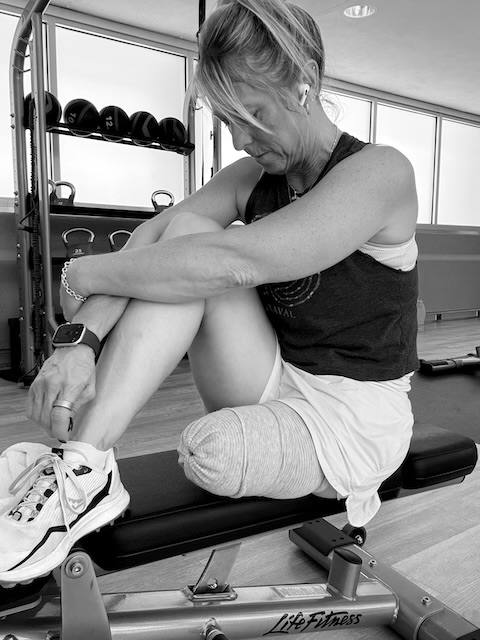
I also have to protect both my residual limb and my sound limb. Socket fit, skin irritation, phantom pain, neuromas, fatigue, and compensation can change how I move from one day to the next. There are days when pushing forward is appropriate, and there are days when pulling back is the wisest choice I can make.

Wisdom is not weakness.

Resting, using a mobility aid, shortening a workout, or changing a goal does not mean I am failing. It means I am protecting my body for the next twenty, thirty, or forty years. I have learned to ask myself, “Is it worth it?” Is the activity worth the pain, skin damage, lack of sleep, or extended recovery that may follow?

Success after amputation must also be personal. I cannot measure myself against who I was before surgery, another amputee on social media, or a Paralympic athlete with years of specialized training. My success may mean hiking a shorter trail, trusting a running blade, completing half a day of skiing, or simply showing up and moving my body.

Reimagining life after amputation means experimenting, adapting, learning from setbacks, and creating new goals. Progress is rarely linear, but every step still matters.

My life did not end with amputation. A new chapter began, and I get to decide what comes next.


Your Warrior Challenge

Think about something you have been trying to return to. Are you measuring your progress against your old life, or are you giving yourself permission to approach it differently?

Choose one goal this week and reimagine it. Adjust the pace, change the method, ask for support, and create a version that works for the body you have today.

Stop chasing your old normal. Start building a life that supports who you are becoming.

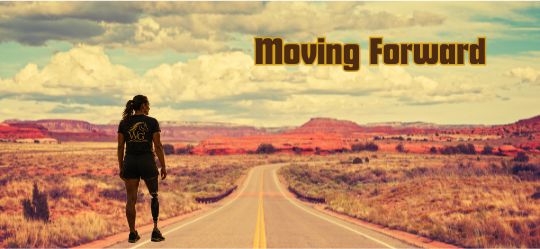
Keep moving forward, dear Warrior! One step at a time!

And as always,

Be Healthy,

Be Happy,

Be YOU!!!


Much love,

 

Adaptive Fitness Without Burnout

Adaptive Fitness Without Burnout

Learning When to Push and When to Recover


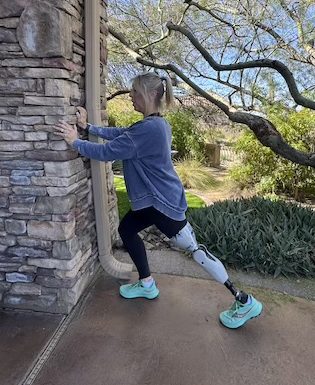
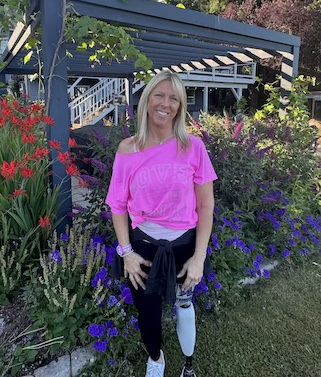
Have you ever started making progress with your fitness, only to be stopped by skin irritation, socket discomfort, phantom pain, fatigue, or an injury? As an above-knee amputee who loves working out, hiking, skiing, and staying active, I understand how frustrating it can feel when your body suddenly forces you to pull back.


In this episode of the BAWarrior Podcast, I’m talking about how we can pursue adaptive fitness without burning ourselves out physically or mentally.

As amputees, our journey is rarely a straight line. It often feels like two steps forward and one step back. We may receive a new prosthesis, begin walking confidently, and think everything is finally falling into place, only to experience discomfort, skin breakdown, pain, swelling, or a change in socket fit. These setbacks do not mean we have failed. They are part of learning how to live, move, and grow in a body that continues to change.

Burnout is not always caused by a lack of motivation. Sometimes it comes from the physical demands of walking with a prosthesis, protecting our sound limb, managing phantom sensations, and constantly thinking through every movement. The mental load of being an amputee is real. Curbs, ramps, stairs, uneven ground, exercise machines, and even getting onto a bicycle can require additional thought and energy.


That is why recovery must be considered part of training.

In this conversation, I share the importance of sleep, hydration, nutrition, stretching, rest days, and regularly checking the skin on our residual limb. I also discuss the danger of comparing ourselves to people on social media. Our progress should not be measured against someone else’s body, abilities, or journey. The better questions are: Am I stronger than I was yesterday? Is my balance improving? Am I walking with more confidence? Is everyday life becoming easier?

Adaptive fitness should support our independence. It can begin with practical movements such as standing longer, carrying groceries, getting up from the floor, playing with children or pets, or walking around the house with greater intention. These small accomplishments build confidence, momentum, and a positive mental attitude.


I also talk honestly about respecting our prosthesis. Some days the fit will feel great, and other days it will not. Heat, sweat, swelling, weight fluctuations, and activity levels can all affect how our socket feels. Listening to those warning signs is not weakness. Pulling back when necessary may prevent an injury or wound that could keep us out of our prosthesis for weeks.


My challenge to you this week is simple: choose one positive, adaptive goal. Take a few more steps, practice your balance, stand a little longer, or give yourself the recovery day your body needs.

The goal is not to prove how hard you can push today. The goal is to build the strength, wisdom, and confidence to keep moving forward for years to come.

Move forward, Warriors, even if that means that today you rest! Tomorrow is a new day, rest and rise up with even more conviction!

Have a beautiful week, and as always,

Be Healthy,

Be Happy,

Be YOU!!!


Much love,


The Thousand Step Challenge

The Thousand Step Challenge

One Step at a Time: The Power of Small Steps Toward Big Goals


Have you ever looked at a goal and felt overwhelmed before you even started? Whether you’re learning to walk with a prosthetic, chasing a lifelong dream, beginning a new career, or simply trying to make it through a difficult season, sometimes the destination feels impossible. In this episode, I share a personal story that reminded me why the biggest accomplishments in life are built one step at a time.


1000 Step Challenge


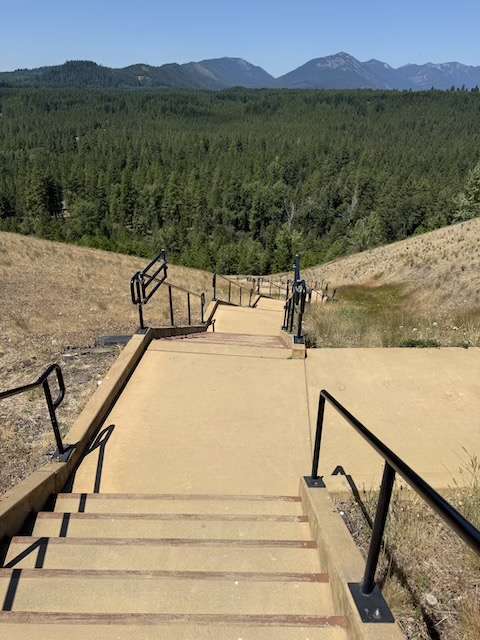
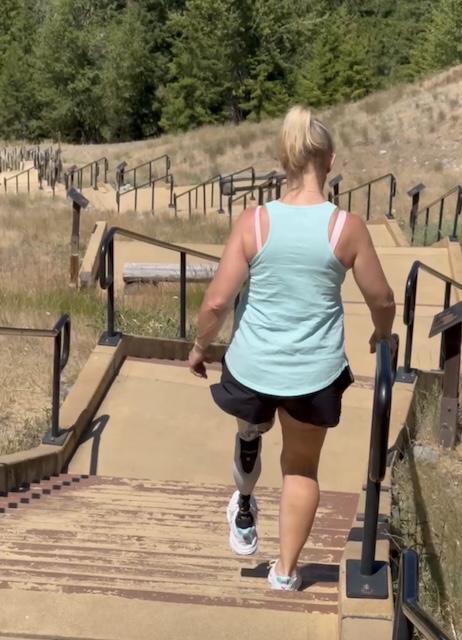
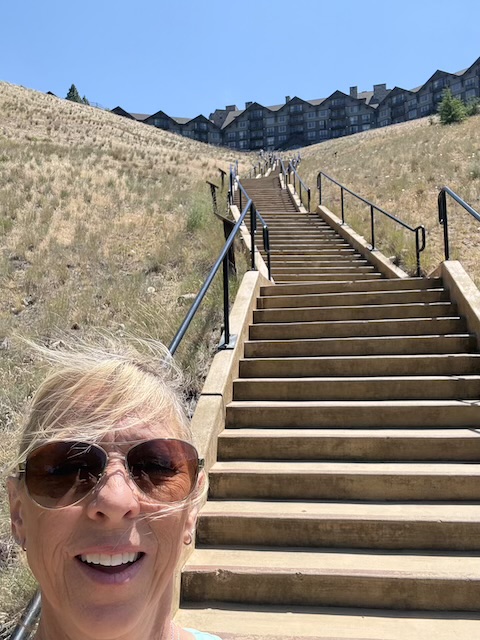
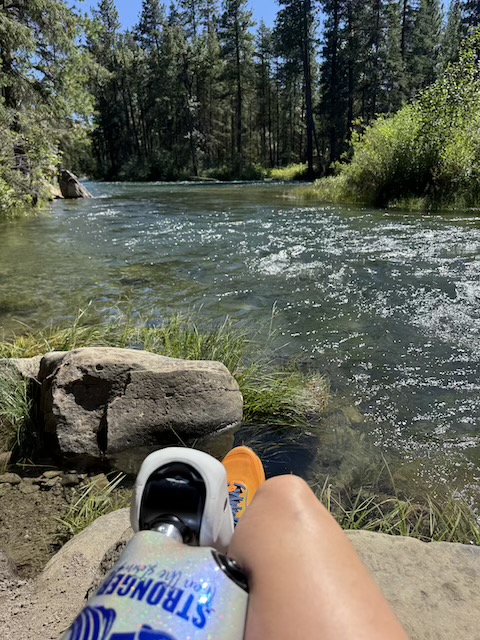
While attending a family wedding in Washington, I decided to tackle Suncadia’s famous 1,000 Step Challenge-500 steps down to a breathtaking river and 500 steps back up. As an above-knee amputee, I knew this wouldn’t be easy. Every step required focus, balance, patience, and determination. Going down meant carefully riding each step on my prosthetic. Coming back up demanded grit, controlled breathing, and the willingness to stop when I needed to, not because I was failing, but because I was resetting for the next stretch.


That challenge became a powerful reminder that life works the same way. We often become so focused on the size of our goals that we forget success is built in the small, consistent decisions we make every single day. Instead of becoming intimidated by the entire staircase, I focused on the next step in front of me. Sometimes I paused to catch my breath, look around, and appreciate how far I’d already come. Those pauses weren’t setbacks, they were opportunities to realign, refocus, and keep moving forward.

In this episode, I encourage you to stop comparing your journey to someone else’s highlight reel. Every accomplishment you admire was earned through countless unseen moments of perseverance, setbacks, adjustments, and resilience. The people accomplishing incredible things didn’t avoid obstacles, they simply chose to keep taking the next step.


The view is always better on the other side of a challenge


I also share how returning to complete the challenge a second time pushed me even further. Instead of simply finishing, I challenged myself to climb all 500 steps without stopping. Competing only against the person I was yesterday reminded me that growth isn’t about being better than someone else-it’s about becoming stronger than you were before.

No matter what mountain you’re facing today, remember this: break the goal into smaller pieces, keep your eyes on the next step, and trust the process. Progress isn’t measured by perfection; it’s measured by persistence. One step becomes another, and before you know it, you’ll look back from the top and realize you’ve accomplished something you once believed was impossible.

If you’re ready to stop standing at the bottom of your own mountain and start moving forward, I’d love for you to join me. Together, we’ll keep taking the next step—one step at a time.


Figure out what your goals are, and begin b simply breaking them down into smaller chunks.

Remember greatness isn’t accomplished overnight, and it isn’t accomplished without setbacks.  Keep the big picture in mind, but remember to break it down into smaller steps/goals that are doable each day.

Also, If you are a female amputee and would like to join myself and other likeminded women on achieving your goals, come join my first ever Momentum group. Space is limited so jump on today and sign up for Momentum

Don’t forget how amazing you are!

Have a blessed week and as always,

Be Healthy,

Be Happy,

Be YOU!!!


Much love,