Tag: above knee amputee

Passport to Possibility

Passport to Possibility

Traveling With Confidence as an Amputee


What if every new thing you accomplished earned you another stamp-not just in your travel passport, but in your confidence passport?


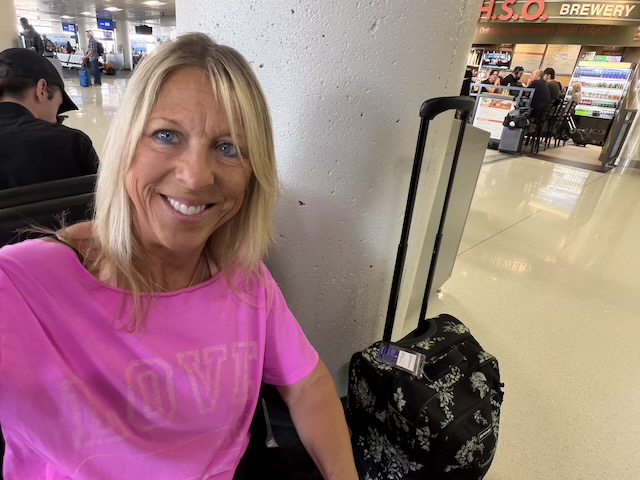
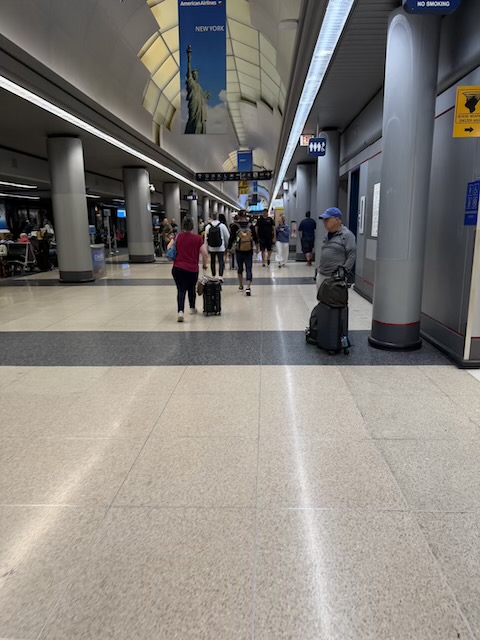
Solo flight to Chicago, O’Hare

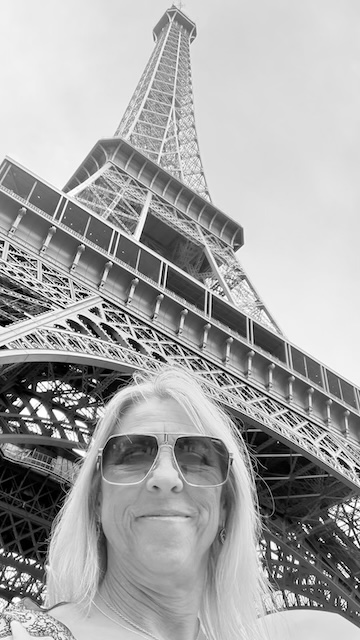
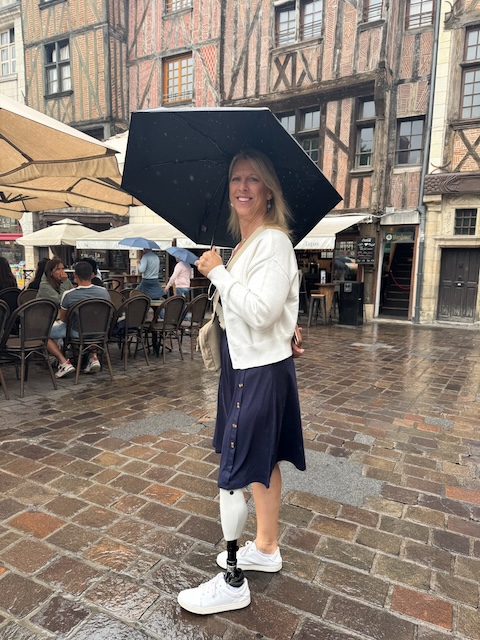
Travel has always been a big part of my family’s life, but traveling as an amputee has been an evolving journey. Seven years into life as an amputee, I’m still learning something new every time I walk into an airport. And with every experience, I become a little more confident in what I can handle.

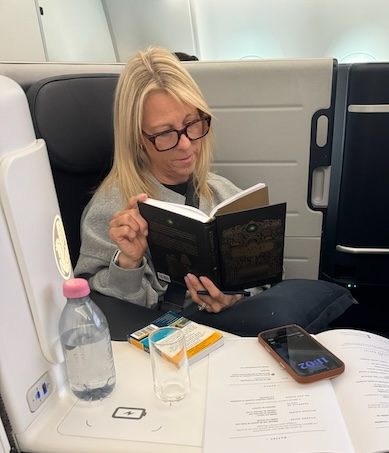
Recently, I took my second solo trip, flying to Chicago and doing something I’d never done completely on my own before: renting a car, navigating the rental process, driving to my destination, carrying my own luggage, returning the car, and getting myself back through O’Hare.

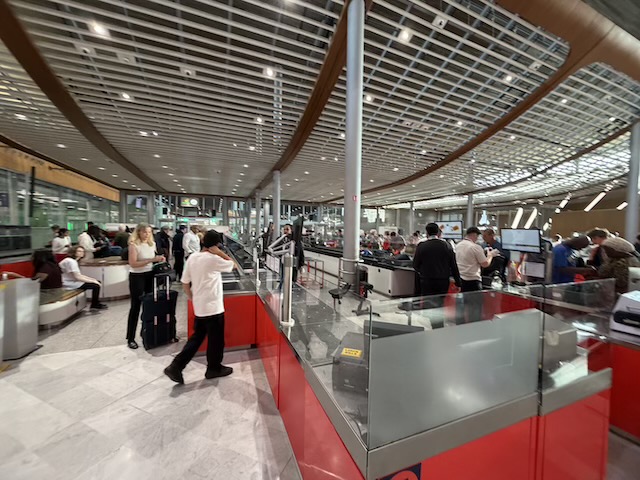
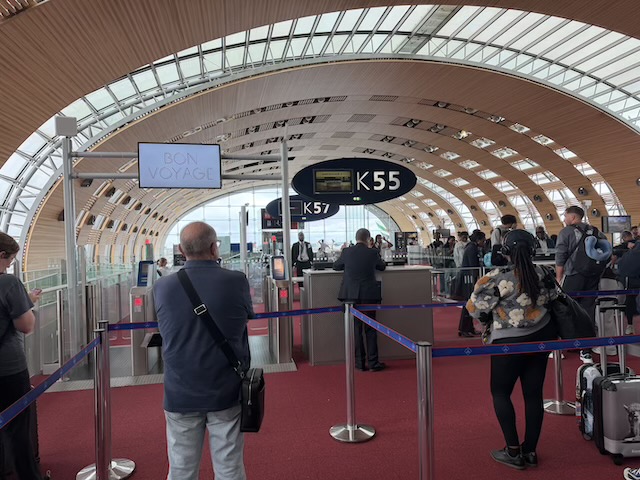
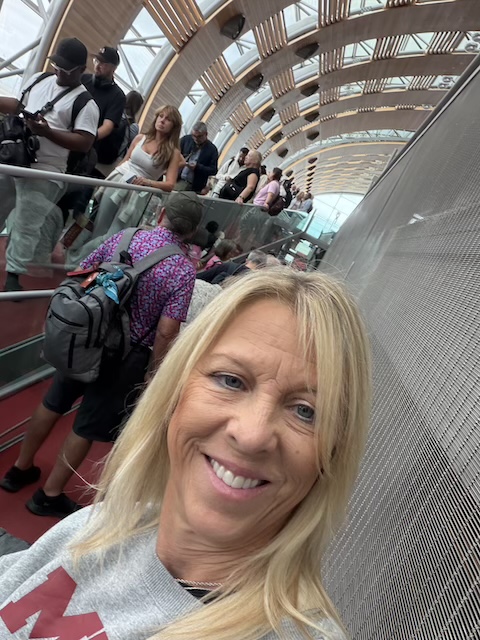
Then came the real test: a three-hour delay, three gate changes, crowded terminals, weather issues, hunger, bathroom logistics, and hauling my luggage everywhere I went.


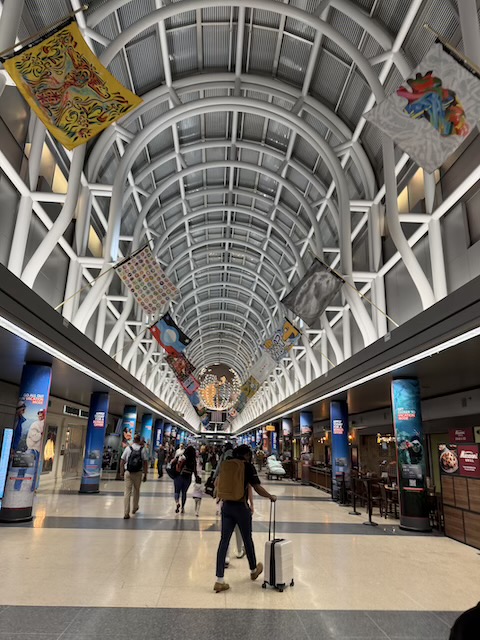
Long corridors to get from point A to point B


But I did it.

In this episode of the BAWarrior Podcast, I’m sharing what I’ve learned about traveling with a prosthesis, from navigating TSA and understanding your rights to medical bags, prosthetic tools, wheelchair assistance, priority boarding, long airport walks, and preparing for the unexpected.

One of the biggest lessons I’ve learned is that, as amputees, energy is currency. A mile-long walk through an airport may not sound like much until you add luggage, standing in lines, gate changes, socket discomfort, fatigue, phantom pain, and everything you still want to do once you reach your destination. Sometimes independence means walking the airport yourself. Other times, independence means recognizing when using available assistance allows you to save your energy for what matters most.


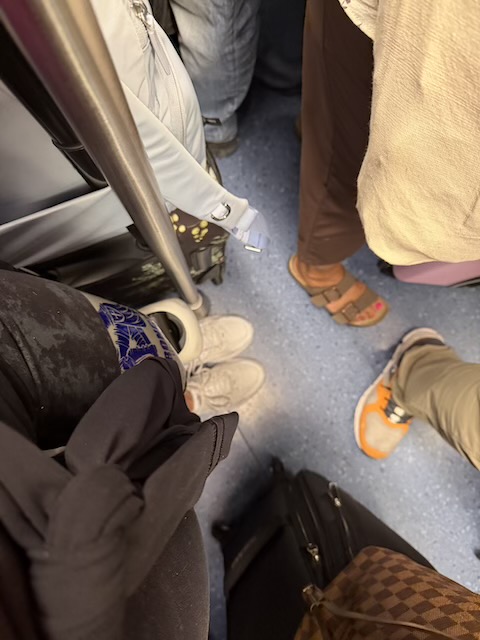
Rental car pick up late at night in a packed tram


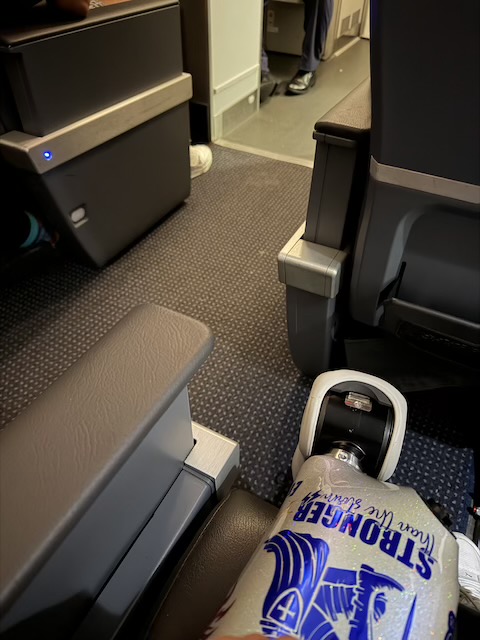
After several delays, I finally got on the plane for home!


And now I’m preparing for my next stamp: international travel.

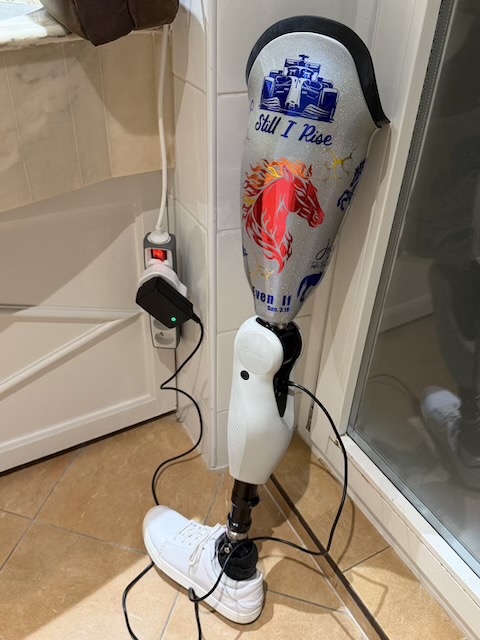
This will be my first international trip since becoming an amputee. I’m thinking about cobblestone streets, crowded attractions, international accessibility, charging my microprocessor knee, adapters, and all the things I don’t even know I need to think about yet.

That’s part of the adventure.

Because ultimately, this episode isn’t really about airports or airplanes. It’s about confidence.

Every “first” becomes another stamp: your first overnight trip, first flight, first TSA experience, first solo trip, first rental car, or first international adventure.

Each one says:

I did that. And maybe I can do the next thing, too.


What’s stamped in your confidence passport?

Think about everything you’ve accomplished since limb loss—and then think about the stamps you’re still missing. What’s something that still scares or intimidates you? What experience would give you more freedom, independence, or confidence?

Choose your next stamp and start working toward it.

And make sure you come back for Part Two, because after my international trip, I’ll share what I learned about traveling abroad as an amputee—the victories, challenges, surprises, and everything I wish I’d known before I left.

Let’s keep filling those passports together.


Have a beautiful week, and Ill see you all in 2 weeks as we explore what I learned on my international journey!

Until then and as always,

Be Healthy,

Be Happy,

Be YOU!!!


Much love,


The Power of Self Advocacy in Prosthetic Care

The Power of Self Advocacy in Prosthetic Care

Advocate and Rise


What happens when the people responsible for helping you move forward stop listening? You learn how powerful your own voice can become.

In this episode of the BAWarrior Podcast, I step back from the idea of constantly pushing forward to talk about one of the most important skills every amputee must develop: advocating for yourself.

Self-advocacy has been a major part of my journey since long before my amputation. After tearing my MCL while preparing for my second-degree black belt test, I endured five years, ten surgeries, increasing pain, and complications caused by arthrofibrosis. Each surgery brought a new doctor, a new explanation, and another retelling of my medical history. Eventually, I realized I could no longer rely on someone else to connect every piece of the puzzle for me.

I began reading my surgical reports, researching unfamiliar medical terms, writing down questions, and paying closer attention to what my body was telling me. That process helped uncover the condition behind many of my complications and eventually gave me the courage to advocate for the amputation that changed my life.

That need to speak up did not end after surgery. It became even more important.

As amputees, we depend heavily on our prosthetists, especially after our surgeons are no longer involved in our everyday care. A prosthetic leg will never feel exactly like the limb we lost, so we must balance realistic expectations with the knowledge that constant pain should not be accepted as normal. Discomfort, adjustment, and awkwardness can be part of learning a prosthesis. Debilitating pain is a sign that something may need further investigation.


One of many appointments with my prosthetist.


I share how ongoing socket pain led my prosthetist and me to continue experimenting, collaborating, and searching for answers instead of giving up. Eventually, an MRI revealed a large neuroma that no socket adjustment could fix. That experience reminded me that good care requires teamwork. My prosthetist brought his knowledge, but I had to clearly communicate what I was feeling and continue trusting my instincts.

Supportive medical teams are a must in your positive care and experience as an amputee


Living as an amputee also carries a daily mental load. Some mornings my leg feels strong and ready for everything I have planned. Other days, discomfort, swelling, skin irritation, or a poor fit can completely change the day. Even more than seven years after my amputation, I still have to remain flexible and listen to my body.

My message throughout this episode is simple: do not give up on yourself. Ask questions. Bring someone with you when you need support. Find professionals who are willing to listen, collaborate, and fight beside you. You are more than an insurance claim, a medical chart, or a difficult case.


My support system


Your voice matters. Your mobility matters. Your future is worth fighting for.


Ready to Advocate for Yourself?

Your journey does not have to be walked alone. If you are struggling to feel heard, searching for answers, or simply needing a community that understands the realities of amputee life, I encourage you to reach out.

Join me and other women amputees during our weekly Amped Women virtual chats, where we come together to share, listen, encourage, and support one another. And if you are ready to move beyond survival, set meaningful goals, and take your next steps with accountability, Momentum may be the community you have been looking for.

Follow the BAWarrior Podcast, subscribe on YouTube, and connect with me on social media so you do not miss future episodes, live conversations, and community gatherings.

Most importantly, keep asking questions, keep trusting what your body is telling you, and never be afraid to use your voice.

You are worth advocating for. Your mobility matters. Your dreams matter. And you do not have to give up.


Have a beautifully blessed week ahead and as always,

Be Healthy,

Be Happy,

Be YOU!!!


Much love,


Reimagine Your Life After Amputation

Reimagine Your Life After Amputation

Building a New Version of Normal


What happens when the life you want to return to no longer works the way you remember it?

After amputation, we are often told that we can get back to doing the things we love, and I believe that is true. But I have learned that those activities may look, feel, and function differently than they did before. Recovery is not always about returning to the person we used to be. Sometimes, it is about reimagining what life can look like now.

Losing a limb changes more than our appearance. It changes our balance, center of gravity, movement patterns, energy levels, and the way we approach everyday activities. Even something described as being “as easy as riding a bike” can become complicated. Getting onto the bike, positioning a prosthetic foot, balancing, starting, stopping, and reacting quickly all require new strategies.

The same is true for adaptive fitness, hiking, running, skiing, traveling, and even standing for long periods. Our bodies operate under different physics after limb loss, and we often use more energy to complete the same activity.

I think of energy as currency. Every activity makes a withdrawal, so I have to be intentional about how I spend it. If I know I have plans with family or friends, I may need to skip the gym, shorten another activity, or rest beforehand so I have enough energy to be present.

I also have to protect both my residual limb and my sound limb. Socket fit, skin irritation, phantom pain, neuromas, fatigue, and compensation can change how I move from one day to the next. There are days when pushing forward is appropriate, and there are days when pulling back is the wisest choice I can make.

Wisdom is not weakness.

Resting, using a mobility aid, shortening a workout, or changing a goal does not mean I am failing. It means I am protecting my body for the next twenty, thirty, or forty years. I have learned to ask myself, “Is it worth it?” Is the activity worth the pain, skin damage, lack of sleep, or extended recovery that may follow?

Success after amputation must also be personal. I cannot measure myself against who I was before surgery, another amputee on social media, or a Paralympic athlete with years of specialized training. My success may mean hiking a shorter trail, trusting a running blade, completing half a day of skiing, or simply showing up and moving my body.

Reimagining life after amputation means experimenting, adapting, learning from setbacks, and creating new goals. Progress is rarely linear, but every step still matters.

My life did not end with amputation. A new chapter began, and I get to decide what comes next.


Your Warrior Challenge

Think about something you have been trying to return to. Are you measuring your progress against your old life, or are you giving yourself permission to approach it differently?

Choose one goal this week and reimagine it. Adjust the pace, change the method, ask for support, and create a version that works for the body you have today.

Stop chasing your old normal. Start building a life that supports who you are becoming.

Keep moving forward, dear Warrior! One step at a time!

And as always,

Be Healthy,

Be Happy,

Be YOU!!!


Much love,


RPNI Study Discussion with University of Michigan

RPNI Study Discussion with University of Michigan

Join the Movement for Above Knee Amputees


What if joining the movement means becoming part of the future of amputee care?

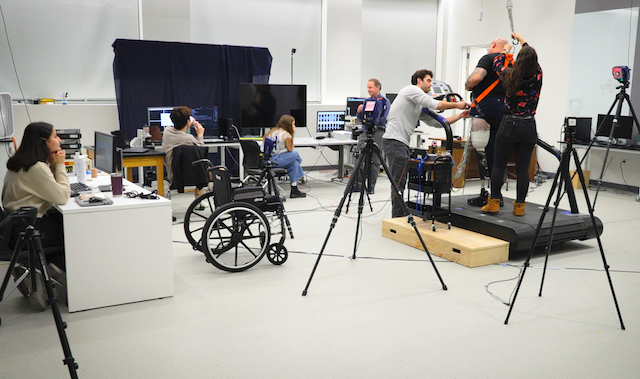
In this episode of the BAWarrior Podcast, I had the honor of sitting down with Jake and Hiva, two PhD students from the University of Michigan, who are working on research that could help shape the future of prosthetic technology for above-knee amputees.

This conversation was personal for me because I know what it feels like to step into the unknown for the sake of healing, hope, and future possibilities. Last year, I chose to take part in an experimental surgical procedure, and I know the questions, fears, and emotions that come with making that kind of decision. It is not easy to say yes to something new, especially when it involves your body, your mobility, and your future.

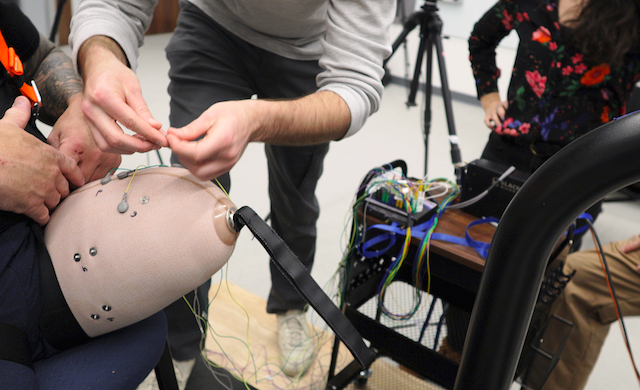
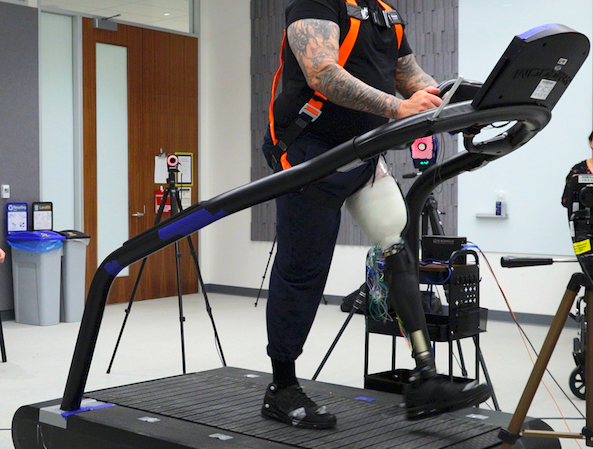
Jake and Hiva are currently working with RPNI, which stands for Regenerative Peripheral Nerve Interface. In simple terms, this procedure helps give nerves a new place to grow by wrapping them in small muscle grafts. These “muscle burritos,” as Jake described them, may help researchers better understand movement intention and even explore how a person could one day control a powered prosthetic knee or ankle more naturally.


What excites me most is that this research is not only about technology. It is about trust. It is about sensation. It is about helping amputees feel more connected to the ground beneath them and the prosthesis they rely on every day. As amputees, we know the physical work it takes to walk again, but many people do not see the mental load that comes with every single step. Research like this could help reduce that disconnect and move us closer to more natural, confident movement.


This study is currently looking for above-knee amputees who are comfortable using their prosthesis, able to navigate daily life without a wheelchair, and willing to be part of something bigger. Travel, lodging, and food are covered for participants who qualify. The study does involve surgery, so it is not a decision to take lightly, but it may be an opportunity for someone who is already dealing with nerve pain, neuromas, or who feels called to help move the prosthetic field forward.

Research does not move forward without us. Every advancement we see in prosthetics today happened because someone before us said yes.


So here is my call to action: Join the Movement. Do not just listen to the conversation; become part of the change. Visit WarriorGround to learn how you can get involved, support amputee research, become an ambassador for Limbs for Humanity, connect with Stride Robotics, or explore opportunities like this University of Michigan study.

You can also email Jake at: jkanetis@umich.edu

or email Hiva at: razavih@umich.edu

Let’s rise up, warriors. Our stories, our bodies, and our willingness to step forward can help build a better future for amputees to come.


And as always,

Be Healthy,

Be Happy,

Be YOU!!!


Much love,


Click the link below to see the flyer for the University of Michigan study:

LL RPNI Flyer (1) 2

Energy-Fast, Bold, and Passionate

Energy-Fast, Bold, and Passionate

Using Your Momentum to Accomplish Great Things (part 2)


Today I invite you into a deeper conversation about movement, momentum, and what I believe is a powerful energetic shift ahead of us: the Year of the Fire Horse. As an above-knee amputee, a lifelong horse girl, and someone who has learned to rebuild life step by step, this theme resonates with me on every level. The Fire Horse represents bold energy, passion, speed, and expansion—but only if we’re willing to meet it with intention and preparation.


Last week, I challenged you to focus on movement. Not perfection. Not comparison. Just movement—forward motion, wherever you are in your journey. Because movement creates momentum, and momentum opens the door to growth. That growth is what I call fearless expansion. And let me be very clear: fearless expansion doesn’t mean the absence of fear. Fear is always present, especially as an amputee. Every literal step forward requires trust—trust in my prosthesis, trust in my body, and trust in myself. Early on, I couldn’t even imagine carrying laundry with my vision blocked, let alone trusting my leg to land where it needed to. That confidence didn’t come overnight. It came from doing the thing scared, over and over again, until fear loosened its grip.


This ⇑ leads to this ⇓ And that’s why setting goals and staying focused on them matters.


I want to remind you that this journey is never linear. Prosthetic life is full of pauses, setbacks, socket changes, surgeries, and seasons of limbo. There are times when pushing harder simply isn’t possible—and that doesn’t mean you’ve failed. It means you’re human. I’ve taken years off from pushing my pace, not because I was lazy, but because my body wasn’t ready. And that’s okay. We are not competing with anyone else—especially not the curated versions of people we see online. The only comparison that matters is who you were yesterday.

This brings me to the next layer of the Fire Horse energy: boldness, speed, and passion. This is the kind of energy that’s impossible to ignore. It can fuel incredible growth—or become overwhelming if we aren’t grounded. That’s why preparation matters. Before my amputation, I did something that changed everything: I set goals before surgery. Month by month. Not because I knew how things would turn out, but because I didn’t want fear to be my focus. I wanted my eyes on the horizon.


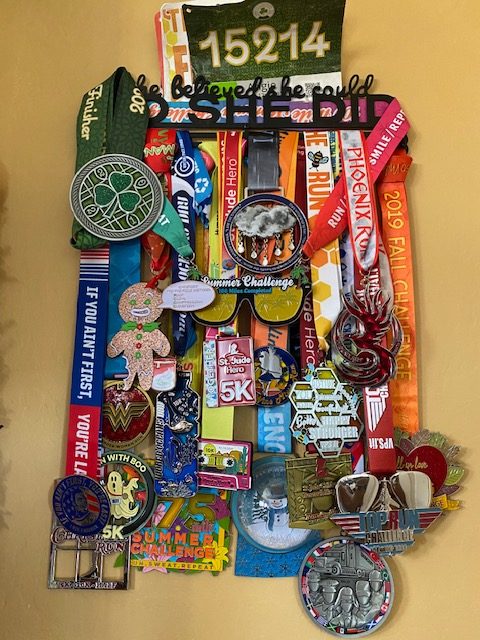
These virtual races kept me focused and helped me get stronger. These medals tell my story, one I am proud of.


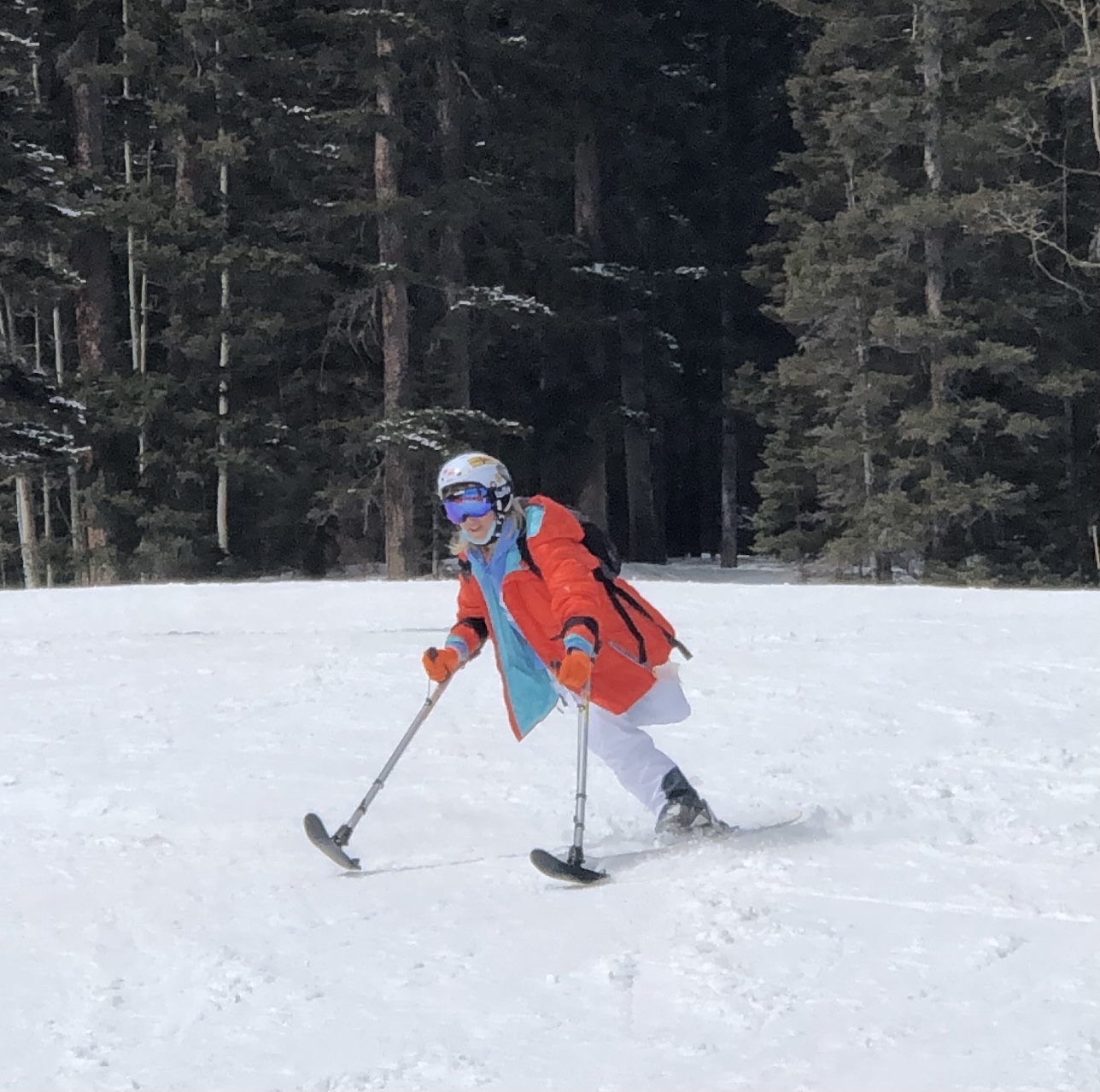
Those goals didn’t start big. My first win was simply getting out of the house alone. That one decision led me to adaptive sports, sled hockey, skiing, virtual races, surfing, and eventually completing a 10K with a running blade. None of it happened by accident. Every step required intention, planning, and a willingness to try—even when I wasn’t sure I’d succeed.

Virtual races, in particular, saved me. They gave me accountability and something to work toward when motivation was low. I wouldn’t even open the medals until I earned them. On good socket days, I pushed myself. On bad days, I rested. But I kept showing up. And every time I finished something I once thought was impossible, I felt alive again. Capable. Limitless.

That’s the power of momentum. It builds confidence. And confidence changes everything.

As we approach the Year of the Fire Horse, I want you to pause and ask yourself: What do I truly want to accomplish in the next twelve months? Not what feels “realistic.” Not what others expect of you. What lives in your heart? What lights you up? This energy can either propel you forward or spiral into negativity if you’re unprepared. The difference is mindset and planning.


This week’s call to action builds on last week’s. Keep moving—but now, zoom out. Create a one-year vision. Look at your calendar. Are there trips coming up? Experiences you’ve avoided because of fear, injury, or amputation? Hiking, traveling, trying a new sport, or simply walking confidently in your neighborhood—none of these happen overnight. They require preparation, strength building, and patience. And that preparation starts now.

I’ve never jumped blindly into anything. When I returned to skiing, I sought adaptive instruction. I practiced balance, core strength, and walking long before I hit the slopes. Every year, I have to rebuild again. That’s life. The work never truly ends—but neither does the growth.

Amputation is not the end of life. It’s a beginning. A reinvention. And the truth is, anything goes. If you try something and it doesn’t work, so what? You tried. You learn. You pivot. You try again. I never surfed before my amputation—and now it’s something I love. You don’t know what’s waiting for you on the other side of fear.

This year carries powerful energy. If you open yourself up to it with intention, incredible things can happen. Dream big. Make a plan. Start today—not Monday, not when it feels right. It will never feel perfect. But action creates clarity, and clarity creates momentum.

The warrior within you is ready. This is the year to let them out. Use the fire. Harness the momentum. And gallop forward into the life you want—one brave step at a time.

Have a beautifully, blessed week and as always,

Be Healthy,

Be Happy,

Be YOU!!


Much love,


A Year of Movement, Momentum and Fearless Expansion

A Year of Movement, Momentum and Fearless Expansion

The Year of The Fire Horse Part 1


As I sat down to share this episode, we are in that weird blur between the holidays and the start of the new year—January 21st to be exact. Somehow we’re saying goodbye to January already and I’m still not sure how time is moving this fast. To be honest, I am a little under the weather today. A trip back home to Chicago gifted me more than nostalgia—sniffles and congestion that love to linger. But if there’s anything amputee life has taught me, it’s how to show up anyway. Healing isn’t always linear, progress isn’t always pretty, and sometimes the real strength is simply being here.

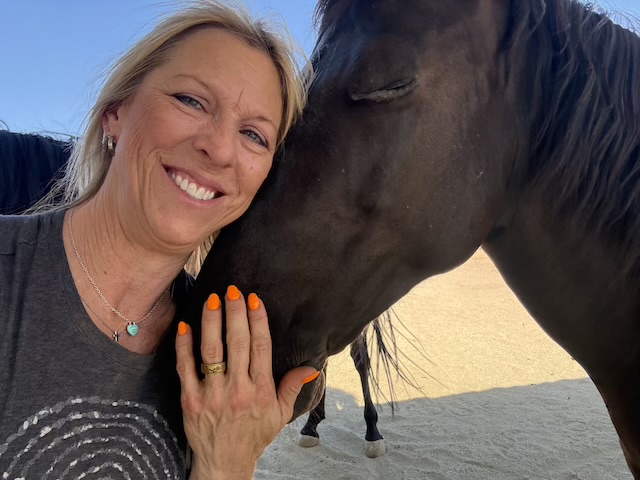
If you’ve been with me for a while, you already know how excited I am about 2026. This is the Year of the Horse, and I have unapologetically embraced it. Horses are my heart—right alongside my pups—and spending time with them is healing in motion. I was out loving on them earlier that morning, enjoying Arizona sunshine that feels a little too warm for January. (I’m still waiting for winter to show up so I can actually appreciate the desert heat again.) But weather aside, the symbolism of the horse couldn’t align more powerfully with the season I’m in—and the season many of you are in.

What makes this year even more rare is that it isn’t just the Year of the Horse. It is the Year of the Fire Horse, a cycle that doesn’t come around often in the Chinese calendar. Fire brings imagery of energy, power, movement, and drive—big, explosive energy that demands expansion. When I learned that, I immediately knew I wanted to infuse that symbolism into our lives this year, especially within the amputee community.

Now, if you’re not an amputee, don’t tune out. The beauty of this journey is that the lessons apply to anyone navigating hardship—whether your challenges are physical, medical, emotional, relational, or even professional. Struggle doesn’t discriminate. But neither does growth.

I’ve never been a fan of New Year’s resolutions. January feels messy—physically, mentally, and emotionally. We’re recovering from holidays, reorganizing homes, resetting routines, trying to remember what vegetables look like, and wrestling with motivation that hasn’t thawed out yet. I spent those early weeks decluttering my body from holiday eating and drinking, refreshing my home, and re-establishing rhythms that support who I want to be—not just who I’ve been. For me, that looks like eating cleaner, scheduling movement, and taking care of my mind, my leg, my family, and my horses. I’m not a rigid scheduler by nature, but with so many things I love doing, I can’t always choose—and then nothing gets done. So sometimes structure serves us.

While reading about the Year of the Fire Horse, five symbolic themes showed up. I decided I’m going to break them down over several episodes and explore how they can shape our growth. Unless something major happens in my own life (because I always speak from personal experience first), we’re riding that theme for a bit.

The first Fire Horse theme? Movement, Momentum, and Fearless Expansion.

Three words. Three mountains. Three invitations.

Let’s start with movement.

If you’re an amputee and you’re unhappy with where you’re at—maybe you’re watching others do things you wish you could do—the number one thing I’ll tell you is this: do not compare yourself to anyone else. Amputee life is not one size fits all. Body types, limb levels, insurance coverage, prosthetic technology, pain tolerance, terrain, weather, confidence—all of it changes the picture. Someone in snowy Minnesota isn’t out hiking in January. Someone in Arizona isn’t out walking at 115°F. Our seasons look different literally and figuratively. And that’s okay.

But movement matters. In fact, movement is everything.

Movement is how we reclaim our bodies.

Movement is how we rebuild trust.

Movement is how we protect our mental health.

Movement is how we remind ourselves we’re alive.

Prosthetics don’t move us—we move us. Insurance coverage doesn’t give us grit—we give us grit. And movement isn’t pain-free, effortless, or pretty in the beginning. It’s awkward. It’s exhausting. It’s uncomfortable. And some days it just feels unfair. But movement is life, and life demands movement. Even if you’re not on a prosthetic yet, wheelchairs, crutches, walkers—pushing yourself counts. Motion burns energy, heals the mind, and keeps you connected to your body and your environment.

And with movement comes momentum.

Momentum isn’t about speed—it’s about direction. It’s about choosing to walk to the end of the driveway today, past the neighbor’s house tomorrow, and maybe around the block next week. Those baby steps are not insignificant. They are data. They are discipline. They are the quiet stacking of strength.

I still remember thinking I could walk a mile as soon as I got cleared for my prosthetic. I didn’t make it past three houses. I was disappointed at first, but then I realized something important: I had found my baseline. You cannot grow if you don’t know where you’re starting from. Momentum begins with honesty.

Momentum is also how you build trust with your prosthesis—trust up a curb, down a hill, over uneven terrain, and through the hundred tiny adjustments your body makes to learn this new dance. Prosthesis + confidence is earned, not given. And it starts one step at a time.

Then comes the third theme: fearless expansion.
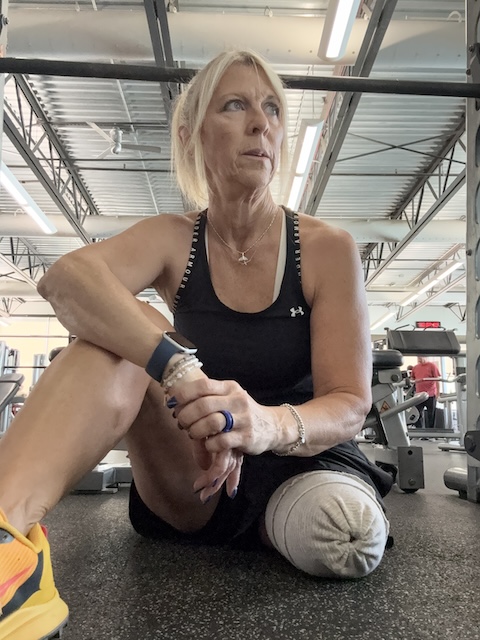


Let me be very clear—fearless does not mean the absence of fear. It means facing fear. Every amputee I’ve ever met battles fear. Fear of falling. Fear of looking foolish. Fear of pain. Fear of malfunction. Fear of being judged. Fear of being stared at. Fear of being misunderstood. Fear of being trapped in this new reality forever.

Fearless expansion is courage in motion. It’s putting on your leg even when you don’t feel like it. It’s going out in public before your gait feels steady. It’s learning how to trust a piece of machinery that now represents a part of your body. It’s standing back up every time you fall—literally or metaphorically.

And here’s the truth: what you do now determines what your future looks like. I’m not worried about being 80 yet—but I know how I move my body today will directly affect that version of me.


I’m wired for action. Consuming content without integration doesn’t create change. So here’s your call to action:

If you’re not moving, start.

Not a marathon. Not a hike. Not a PR. Just movement.

Ask yourself:

What do I want my future to look like?

Where do I want expansion?

What scares me—and am I willing to face it?

Maybe your goal is more steps.

Maybe it’s longer prosthetic wear time.

Maybe it’s a grocery run.

Maybe it’s cooking a meal standing up.

Maybe it’s just putting the leg on today.

Compete only with yesterday’s version of you. If you get stronger, braver, and more resilient by even 1%—you’re winning.

And if you need accountability, reach out. DM me. Join me. I’m launching a virtual challenge soon—Year of the Horse themed, of course—and I want you on my team. Because momentum is easier when you’re not doing it alone.

So get moving. Build momentum. Expand fearlessly. Face the fire horse energy and ride it into the life you deserve.

Get moving, Warriors!


And as always—

be Healthy,

Be Happy,

Be YOU!!!


Much Love,



Pain, Perseverance & Possibility

Pain, Perseverance & Possibility

A Thanksgiving Message For Anyone Struggling


Thanksgiving week always makes me pause, breathe, and step back into gratitude, but this year, that feeling hit me in a much deeper way. Maybe it was the timing, maybe it was the experience itself, or maybe it was because of everything that led me here—but this past week in Vegas reminded me exactly why I chose this life, and why I continue to push myself to live amplified, even when it hurts.

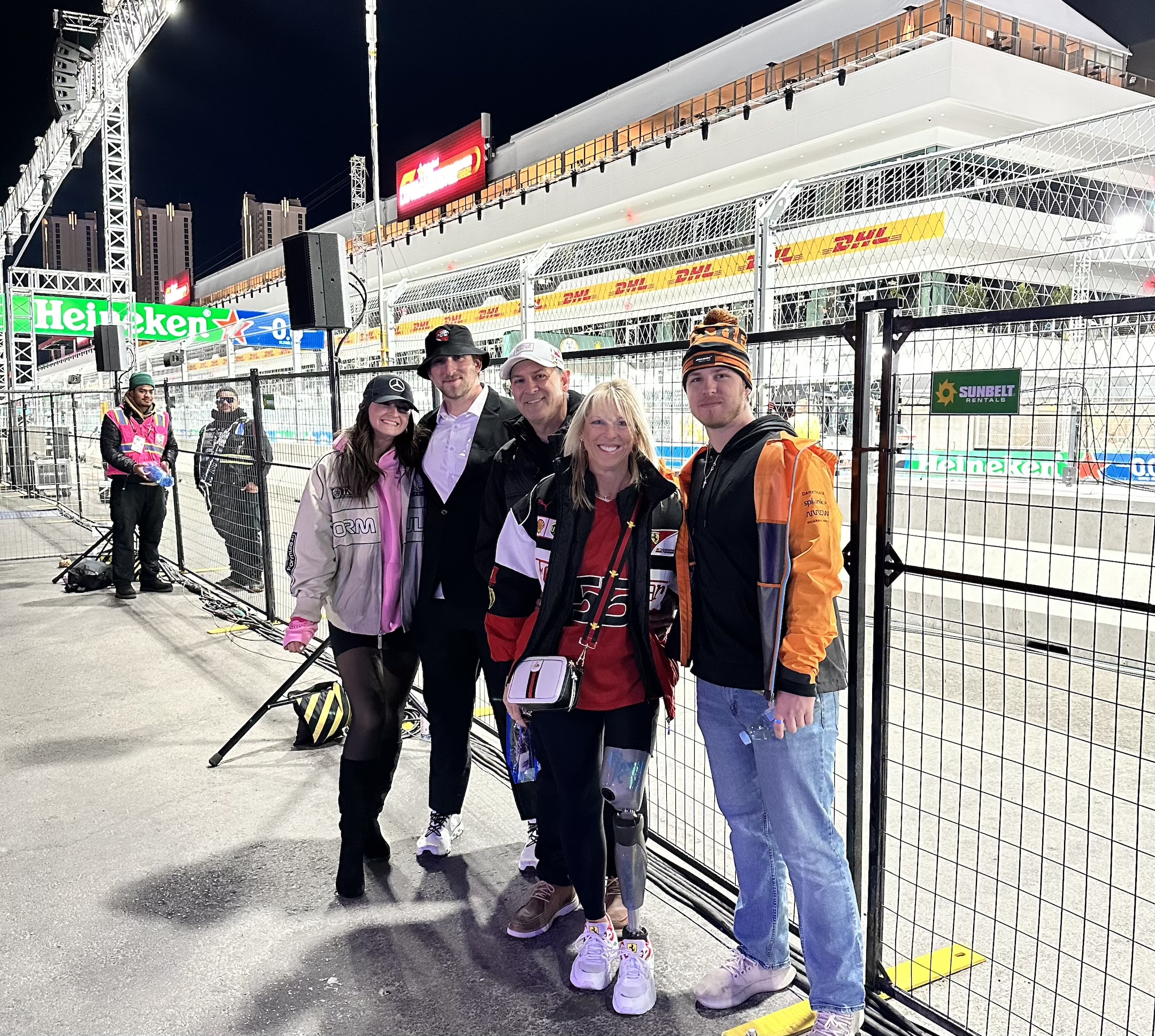
Our family goes to the Formula One races every year—this was our third—and while we love the energy, the cars, and the whole spectacle of it, it is absolutely not an easy environment for someone with mobility challenges. As an above-knee amputee, I’ve learned that accessibility can be a coin toss on a good day. Vegas during F1 weekend takes that to a whole different level. Elevators that don’t work. Escalators that suddenly shut down. Crowds compressed shoulder to shoulder. Long detours around track barriers. Rain. Stairs. More stairs.


But this year came with a twist. Not only did we pack in a full day of walking, navigating the Strip, dodging people, climbing stairs, and exploring all the fanfare, but that night, after all of that, I finally checked off something that had been sitting on my bucket list for years: going to a Vegas nightclub.

And I didn’t just go. I went all in—heels, dancing, crowds, the whole thing.

What made the night more meaningful was the backdrop of everything my body was going through. My newest socket, trimmed higher because I’d lost some femur during surgery, still hasn’t fully broken in. The rubbing along my groin becomes a four-inch strip of fire by the end of the day, the kind of raw, stinging pain that makes even a shower burn. Think blister-on-your-heel level pain, except in a place you can never bandage. Add rain, cold weather, slick sidewalks, and 36,000 steps—the most I’ve ever walked in a single day even when I had two legs—and you can imagine how I felt by the time we walked into the club.

But then the music hit. And the energy shifted. Surrounded by my husband and my kids—my favorite people—and swallowed up in the beat and the lights, I felt alive. Not amputee alive. Not “making the best of it” alive. Just fully, completely alive.

In that moment, I didn’t care that no one around me knew I was an amputee. I didn’t care that all my weight was sinking into my good foot, making my toes tingle with pressure. I didn’t care that I had a raw mark on my inner thigh or that I was balancing on heels after a marathon day of movement. I was simply living the moment I had dreamed of for years.

And when I finally got home, when I finally took my leg off and felt that flood of relief wash over my whole body, I laid in bed and thought, “This… this is why I chose amputation.” I didn’t take my leg off to watch life happen from the sidelines. I didn’t choose this path to let pain, friction, or inconvenience dictate my happiness. I chose it to reclaim my life. And nights like that one remind me why I fought so hard to get here.

But here’s the part I don’t ever want people to misunderstand: none of this is easy. I’ve had people say I make it look effortless, or that they shouldn’t complain about their injuries because I “went through so much worse.” But I don’t see it that way. I don’t compare. I don’t downplay anyone’s struggle. And I definitely don’t wake up immune to the hard parts of this life. What I do wake up with is a mindset that says:

I chose this path, so I’m going to show up for it.

That mindset is the difference between living fully and shrinking back from life. It doesn’t mean there aren’t setbacks. There absolutely are. I have blisters. I have raw skin. I have days where I struggle to put my leg on. I have moments where the socket fit isn’t perfect. I have times where the thought of stairs makes my stomach drop. But the alternative—the idea of sitting in a hotel room, letting my family go off and make memories without me—is far more painful than any physical friction I deal with.

That’s why I said no when my husband offered to get me a wheelchair. Not because I’m stubborn, but because while I can, I will. There may be a day when I truly need one. But that day is not today. Today, I push. Today, I build stamina, strength, grit, and resilience. Today, I invest in the future version of myself who might not have the option anymore.

That’s the heart of this whole experience—and the message I want to share this Thanksgiving.

Life will never hand us perfect circumstances. Pain, obstacles, loss, grief, inconvenience—these things don’t discriminate. But neither does opportunity. If you want something badly enough, whether it’s dancing in a nightclub, traveling, adventuring, walking that extra mile, or simply showing up to life with your whole heart, then you owe it to yourself to try. You owe it to yourself to dream. And you owe it to yourself to change the mindset that tells you “I can’t.”

Because “I can’t” is almost always a lie.

“I can’t right now” is more accurate—and far more temporary.


So this week, I invite you to sit with two things:

First, gratitude.

Not just the obvious stuff—family, home, health—but the deeper gratitude for the strength you didn’t know you had and the moments you didn’t think you’d get to experience.

Second, possibility.

What do you dream of doing? What do you secretly hope you’re brave enough to try? What have you convinced yourself is off-limits?

Write it down.

Name it.

Claim it.

Then take one step—just one—toward it.

Because if a tired, rain-soaked, blistered amputee can take 36,000 steps in a day, climb broken escalators, dance in heels until almost 2 a.m., and fall asleep smiling…

Then you can take one step toward the life you want, too.


Here’s to you and a beautiful Thanksgiving with loved ones.

May you find joy in the moment and gratitude in the little things!

Until next time,

Be Healthy,

Be Happy,

Be YOU!!

Much love,
 

Starting Over and Facing Fears

Starting Over and Facing Fears

Life after Revision Surgery for an Amputee


I must have been crazy, right? To CHOOSE to revise my amputation! To go from being uber active to starting over?!?!

Golfing on Kauai


Having fun catching waves


At the beginning of this interview process, to be eligible for the AMI procedure, I was very interested in the idea of being a part of something so “cutting edge” (pun intended) and chose to continue through the several interview steps to see if I was even eligible.

When it came down to having to go out to Boston for a face to face interview I knew that it was getting very real and that the decision to have it done was going to be all mine. That’s when I started to second guess myself and the reason why I would want to go through that again.

Decisions need to be made, but with a good, clear reason and with no doubts. I couldn’t do something like that again, and have my family be put out because of it… and what if? What if I was as good as I could get? What if I feel more phantom pains? What if, this time I get an infection and start down a harder road than ever before?

I will tell you that I never put those questions in my head or spoke of them before the surgery, but the reality is, those are the concerns that hide in the dark, when you are anxious, vulnerable, weak. These are the doubts that create fear, and then stop us from charging forward and achieving greatness.

Needless to say, my CT scan showed something that had to be dealt with that had nothing to do with the AMI and everything to do with the pains I had been dealing with for 6 years! THAT was what made my decision one I was at peace with. Now here I am 3 weeks post-op.

Starting PT the day after surgery and having those flooding pains upon walking


My biggest support and the guy who has always had my back! <3


Back at the hotel and trying to rest


Fear is such a disabling emotion. It stops us from trying new things, meeting new people, and reaching our goals.

I don’t know about you but I don’t want to live a life where I’m not reaching out and living a full and amazing life because fear holds me back.

What fears are stopping you? What goals are you not hitting because you worry about the “What ifs”?


This week and each day in it I want you to face a fear!

It doesn’t have to be huge, like jumping from a plane, but what’s holding you back from living a full and happy life?

What scares you?

What goals have you been sitting on because something keeps you from achieving them, that YOU control?

Let’s face those fears together and start living!

You are a warrior, you need to believe it and know you have that within you!

You are strong, powerful, and capable!

Now get out there and SLAY YOUR FEARS!!!!

F-ace

E-verything

A-nd

R-ise


And as always,

Be Healthy,

Be Happy,

Be YOU!!!


Much love,


The Future is Now: Part 3 of 5

The Future is Now: Part 3 of 5

Limb Loss Awareness Month

UCLA: Ophelie Herve


As we come into our third week of April Limb Loss/Limb Difference Awareness month I am so excited to have a female voice in the engineering program from UCLA on our podcast today.

Ophelie was  born in France and came with her family here to the United States at an early age. In high school she reflects on watching the news when the Boston Marathon was bombed and she saw peak athletes, within 24 hours, become wheelchair bound. As an athlete, herself, this event created a desire to help and  gave her the direction she needed to jump into engineering and working in prosthetics for her undergraduate and Masters program at SMU.
Ophelie using an exoskeleton that is a power device used to help paralyzed individuals walk.


From there she turned her attention to injury prevention, and found interesting research on the female body and the how and when training can sabotage us by putting us at high risk for injury and when we will have a peak performance in the gym.

Using a robotic arm to replicate the knee joint in her studies on injury prevention.


This week I wanted to delve into the topic of how the female body is different and how as amputees we need to protect our sound limb for the long haul. We have always been so amazed by the newest prosthetics and bionics to come out into the world, and it is a very competitive field, but without research we don’t have the information to make technology better for the human body

Her research is fascinating and goes deep. We joked about the rabbit holes she went down as she began this research, but it was her unique perspective as a female athlete (and one who has injured herself playing soccer), coupled with her research on our female bodies and cycles that we really dove into some extraordinary conversations about injury prevention, especially for women who are down to one sound limb. As a female amputee, I can tell you that I have thought about this often, and what would life look like if I injured my “good leg”. That has also been a topic many times in my ladies’ chat group.


Working out at the right times of the month help protect our sound limb.


How we workout, eat, and rest all help play a part in stabilizing our sound limb, and when different cycle changes throughout our lives make a difference in each of those aspects.

This was great to learn about as the world of sports and nutrition tend to clump us in the same  workout and nutrition regiment as our male counterparts, without regards to our different hormones and biological differences.

I hope you enjoy hearing about Ophelie’s cutting edge research and Master’s project as she explains in greater detail some findings and how that will affect us as female amputees and athletes.

Please make sure you give her some love and Like, Share and Subscribe!

We have 2 more weeks of Limb Loss/ Limb Difference Awareness month, which means I have 2 more students who have dedicated their college journey to the betterment of the amputee community. You don’t want to miss this!

Have a beautifully blessed week ahead,

And as always,

Be Healthy,

Be Happy,

Be YOU!!!


Much love,


Hiking with my pups keeps my sound leg strong and health for the long haul.
Keep moving!


The Future is Now: Part 2 of 5

The Future is Now: Part 2 of 5

Limb Loss Awareness Month

  1. MIT: John McCollough


John is a student at MIT in Cambridge, Massachusetts working towards his Masters and PhD in Medical Engineering.

I met him a year and half ago when he reached out to see if I was interested in coming to MIT for a Gait Study that he was assisting a student working toward his PhD. Of course I said Yes!


This is what it looks like when you agree to a gait study!


Now as time has flown by I have gone back to check on John’s progress in the field of Biomechatronics, stayed connected with those in the lab and couldn’t wait to have him on the podcast.


Once in the media Lab building you can see prototypes, unique sculptures, and their purpose and mission.


However, a quick disclaimer, some of the work being done in the MIT Media Lab, like other universities, is private and not up for discussion as they are still in the works of their projects in a very competitive field, but the topics we discuss today are amazing, eye-opening and incredibly groundbreaking and I can not wait for you all to hear what’s on the cusp of becoming products and procedures available to the amputee community!

John working on the project I took part in last year.

Let’s jump right into our conversation on the work being done with 3D printing, Oesteointegration, AMI procedure, and how students and university create, trademark, and market their designs and how long this process can take.

Once again, I am blown away at the desires of these young men and women to create a better world for our amputee community.

The future is looking so good and positive for us and I truly want these students to be seen for their hardwork and dedication to a community they are feeling led to assist. We are extremely blessed with what the future holds and I believe that the next 5, 10, 20 years we will see the struggles of amputees today become minimal if not obsolete, making our lives stronger, healthier, and physically complete.

Join me this week as John and I discuss all things on the drawing board and please don’t forget to Like, Share, and Subscribe so you don’t miss any of these university students’ conversations about the future of prosthetics.


John McCollough MIT Masters student Mechanical Engineering

John, thank you for spending time we me on the podcast and sharing so eloquently the field of study you are in, breaking down the process so we could understand the stages of a study, and for sharing the work that could be shared. I look forward to having you on again as you complete your Masters and PhD.

Thanks for joining us  and I hope you have a beautiful week ahead!

And as always, until next time,

Be Healthy,

Be Happy,

Be YOU!!!


Much love,