Tag: wellness

Self-Preservation

Self-Preservation

Knowing Your Limits: When to Hold and When to Push Onward


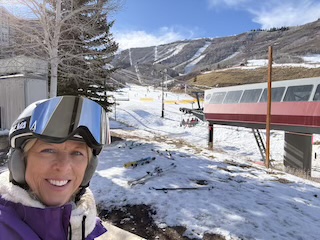
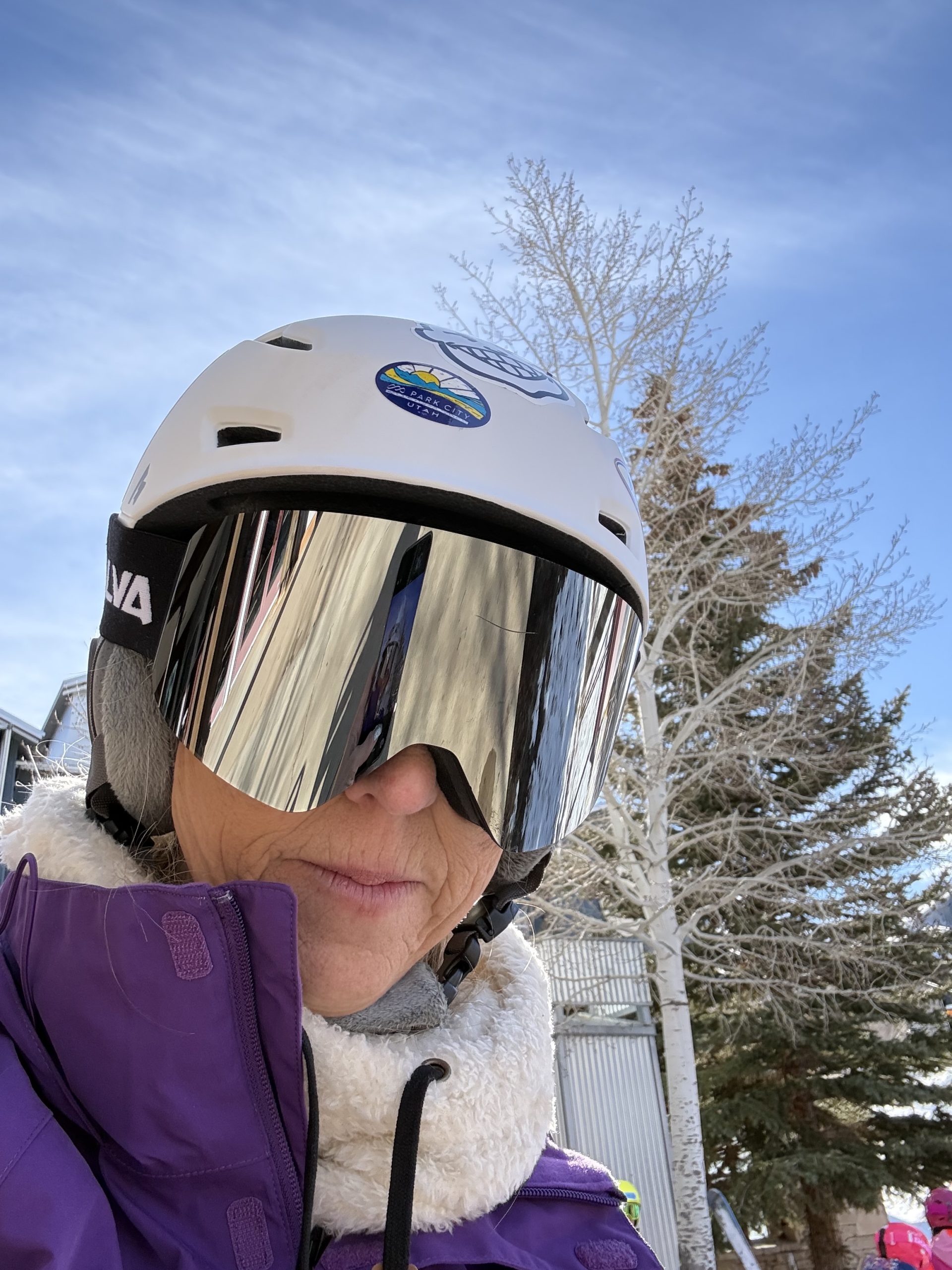
I’m recording this episode from a place that looks very different than my usual setup. We’re away on a family getaway that was supposed to be a snowy ski vacation, but when I look outside, all I see are brown mountains and sunshine. Not exactly the winter wonderland we imagined. Still, we’re here, together, enjoying the time, and as the year winds down and the holidays rush in, I felt like this was the perfect moment to pause and share something that’s been sitting heavy—and meaningful—on my heart.

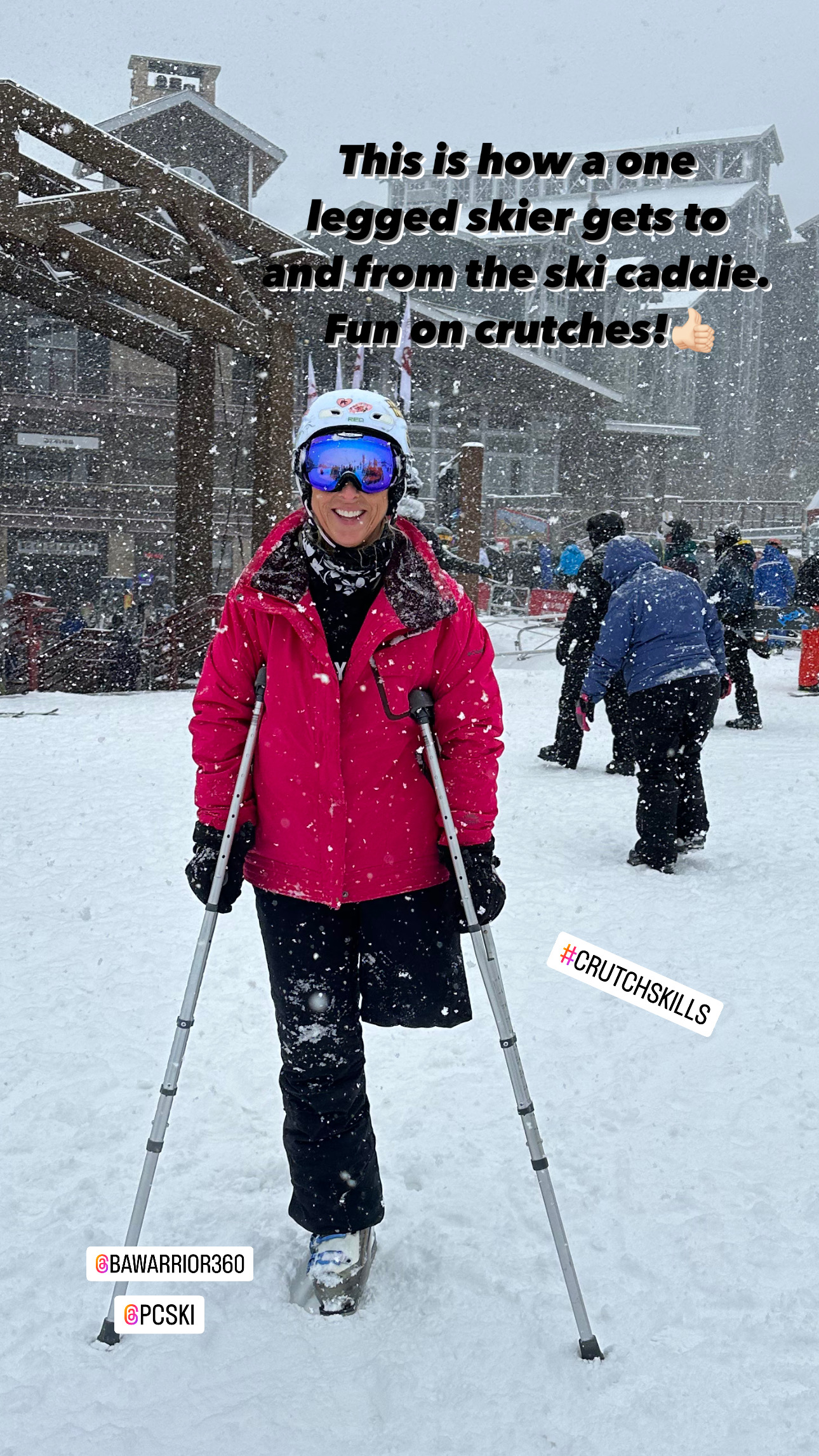
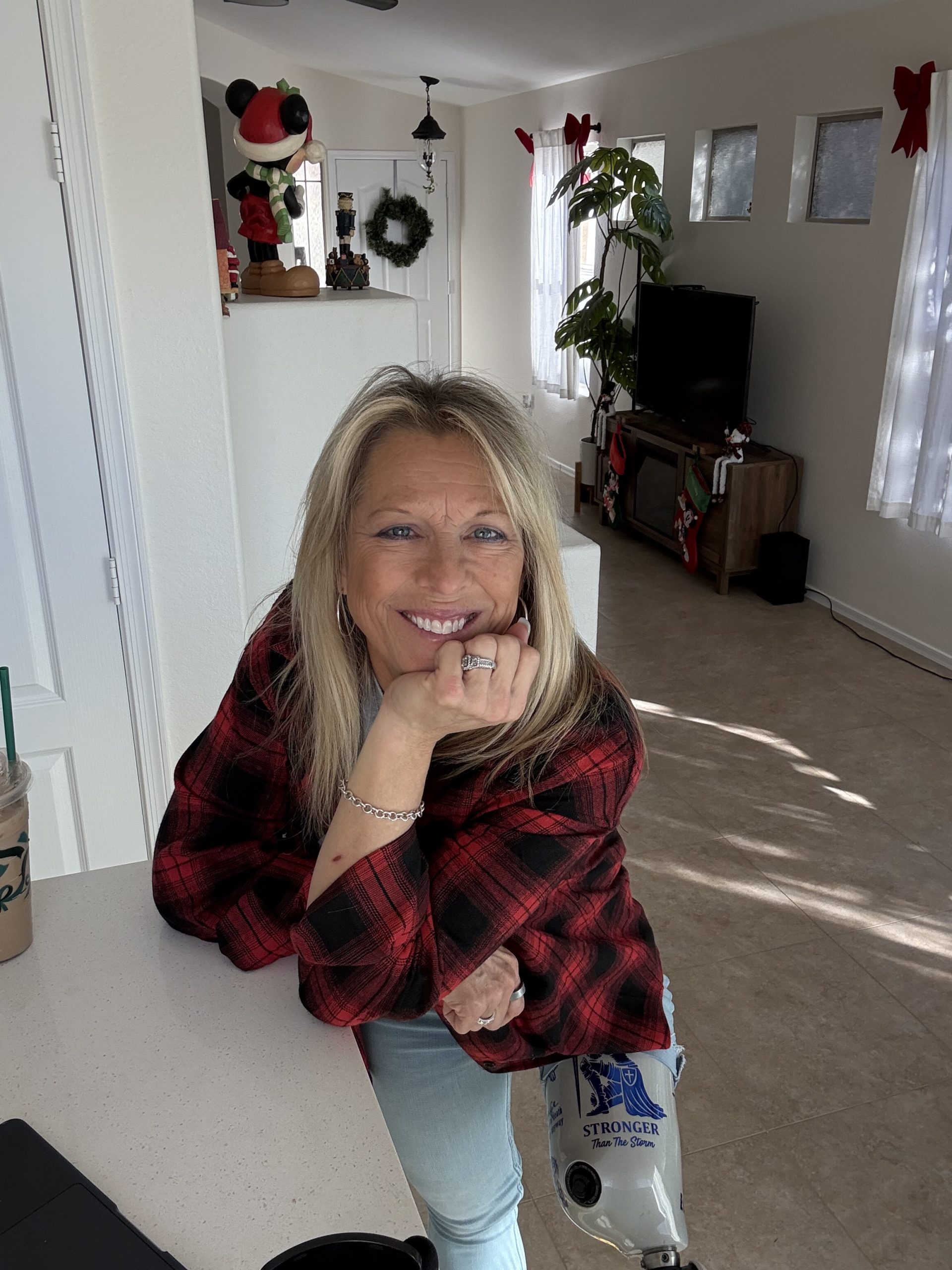
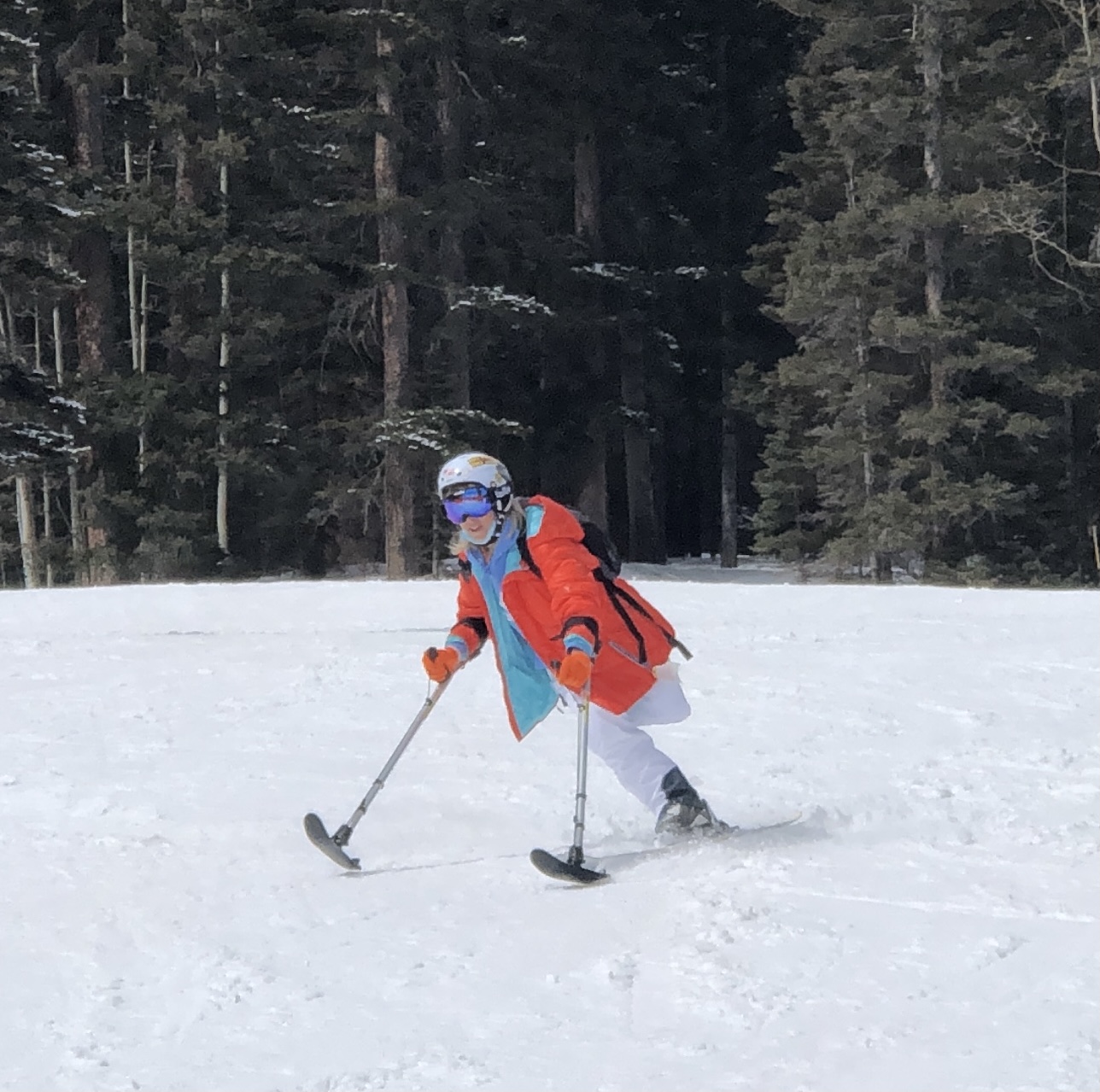
As you know, I tend to share lessons I’m actively learning myself, and this week’s lesson came straight from the ski slopes. I ski as an amputee. I ski on one leg, using outriggers, and while it looks empowering and inspiring in photos and videos, the truth is that it is anything but easy. Every single time I clip in, no matter how long I’ve been doing this, I still get butterflies. I still hope my body will hold up. I still pray for the best outcome and for enough strength to get me down the mountain safely.

I’ve always been someone who pushes hard. When I lost my leg in December of 2018, I got my first prosthetic in late March and barely had time to adjust before we were headed on a family ski trip in April. I had planned to sit on the sidelines, but I told my husband early on that I wanted to try skiing as an amputee. That trip was my first time learning to ski as a three-tracker—one ski on my sound leg and two outriggers with tiny skis on the ends. It was intense. It demanded everything from my good leg, my core, my upper body, and my mental focus.


Fast forward to now, and while I have more experience, I also have more wisdom. Yesterday, I went out for my first run of this trip, and it was a long one. I chose a blue run instead of the easier option, and I pushed myself hard. I made it down without falling, and I was proud of that—but my body was absolutely fried. My quad, calf, foot arch, hands, and shoulders were screaming. My grip on the outriggers was barely there, and I knew that if I went again, fatigue could turn into injury.

The old version of me—five or six years ago—would have pushed through anyway. I would have ignored the warning signs and kept going. But yesterday, something different happened. I looked at my husband and said, “I’m done. I want to end on a high note.” And that was enough. Self-preservation won, and for the first time in a long time, I listened to my body without guilt.


That decision mattered more than I realized in the moment. Because what I’m learning—and what I want you to hear—is that your best in this moment doesn’t have to be your best ever. Your best is enough when it honors where you are right now. Strength isn’t always pushing harder. Sometimes strength is knowing when to stop.

As amputees, our bodies are constantly negotiating limits. When you rely on one good leg, you have to be mindful of how far you push before fatigue compromises safety. Yesterday, my head wanted more, but my body was very clear: this was enough. And instead of feeling defeated, I chose to feel proud.

What you don’t see in highlight videos is the pain, the fear, the intense focus it takes to stay upright and in control. You don’t see the internal battle between wanting to prove yourself and needing to protect yourself. And that’s something I think so many of us struggle with—especially when we compare ourselves to others or even to past versions of ourselves.

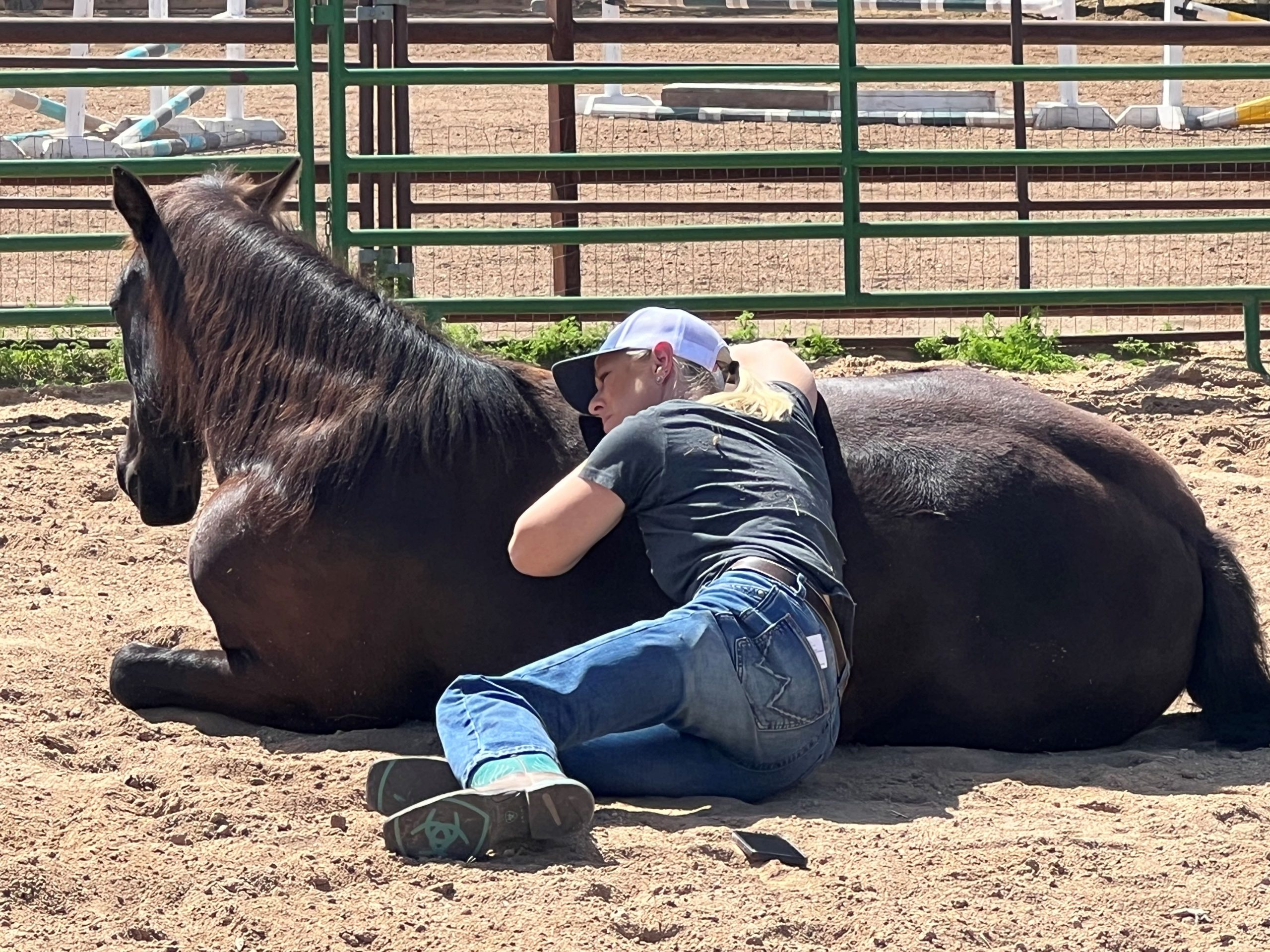
This year, I’m not the same person I was last spring when I was in great shape, hitting the gym, and doing one-legged squats. I had revision surgery this summer. I’ve been learning a new socket, adapting to a new prosthetic, and giving my body time to heal. That meant less time training and more time resting. And while rest came at the cost of muscle mass and endurance, it also gave me other gifts—healing, reflection, time at home, time with my animals, and space to process everything my body has been through.

We are not static beings. Even with the same injury, we are different depending on the season of life we’re in. And during the holidays especially, it’s easy to beat yourself up for not doing “enough.” But the truth is, everyone’s circumstances are different. Some of you can’t get to the gym. Some of you are waiting on a fitting, a surgery, or relief from pain. Some days, just breathing is the win—and that is okay.


I know amputees who avoid connecting with others because they feel like they’re falling short. My message to you is this: do what you can with what you have, where you are. Comparison steals joy and progress. The valley you’re in right now does not dictate the rest of your life.

If you’re disappointed in yourself because you know you can do more and you’re choosing not to, then have that honest conversation with yourself and start shifting your mindset. Change the internal dialogue. Set goals. Dream again. But if you’re in a season of healing, pain, or waiting, give yourself grace. This moment is not permanent.

Yesterday, I skied one run—and that one run was enough. I walked away proud, safe, and encouraged instead of broken down and discouraged. Tomorrow, I’ll go out again with confidence and clarity. And when spring comes, I know exactly what I need to do to be stronger.

Being an amputee is hard. Some days are brutal. But you are not failing because you rest, and you are not weak because you pause. Be proud of where you are. Be proud of your scars. Know that you are doing the best you can with the situation you’ve been given—and that is enough.

This season will pass. Keep moving forward. Keep honoring your body. And remember, the warrior within you doesn’t disappear when you slow down—it grows wiser.

I hope you have a beautiful holiday season. And I’ll be back again soon before this year comes to a close.

And as always,

Be Healthy,

Be Happy,

Be YOU!!!

Much love,
 

The Gift of Being Present

The Gift of Being Present

Finding Purpose and Joy In This Season


We’re deep into December, and the Christmas spirit is everywhere—homes decorated with lights, the smell of cookies, gatherings, endless lists of to-dos. This time of year is magical, but it’s also overwhelming. We often rush from task to task, trying to make everything perfect, and before we know it, Christmas comes and goes in a blur. Every year, I remind myself: Be present. Really be in the moment. And yet, like so many of us, I still catch myself speeding through the season, missing the beauty right in front of me.

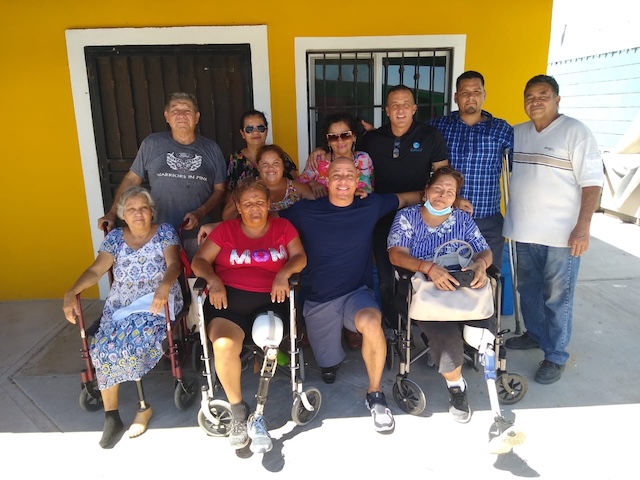
Last week, I shared about Limbs for Humanity, an incredible organization heading to Rocky Point Medical Clinic with 53 prosthetics—most of them above-knee—for 49 people, including a few bilateral amputees. They work tirelessly and always need help, whether through donations, volunteering, or supplying prosthetic parts. I encourage anyone listening to learn more, especially during this season of giving, because providing someone the gift of mobility is life-changing—not just for them, but for everyone around them.


Some recepients of the generosity of Limbs For Humanity


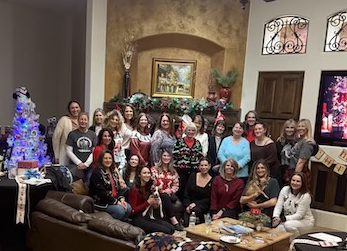
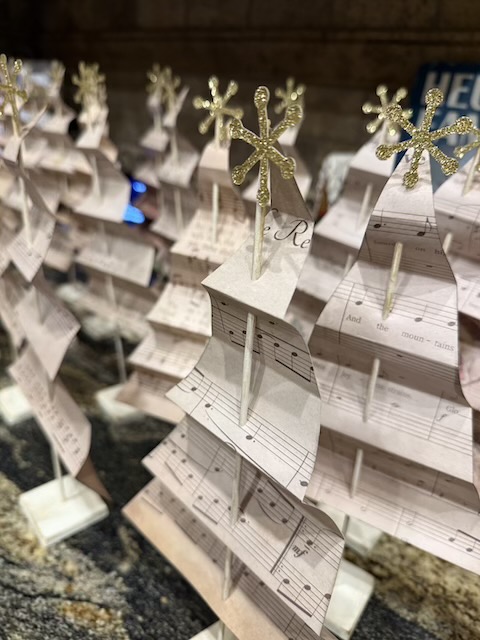
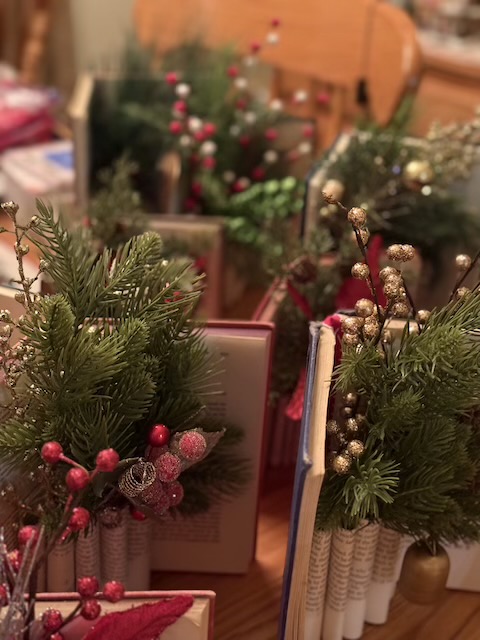
But today’s episode shifts from giving in a material way to giving with your presence. And this message hit me hard after hosting my annual Christmas cookie exchange. Every year I throw two big gatherings—one for Halloween, which I love, and one for the holidays with my cookie exchange. This year my home was filled with gorgeous faces, familiar laughter, new friends I hadn’t seen in years, women who traveled across town because they wanted to be part of something meaningful and joyful. I spent days creating handmade crafts—because I love creating in bulk and making unique gifts for people—but what filled my soul wasn’t the crafts, or the cookies, or the decorations. It was the simple act of seeing people show up.
 

Friends and the Power of Connections

Making gifts brings me joy and keeps me active and positive on harder days


There’s something incredibly powerful about people choosing to be present, especially during one of the busiest months of the year. And that’s when it clicked for me: as much as we talk about being present during the holidays, it’s the very thing we often lose our grip on the fastest.

Being present doesn’t erase the pain, struggles, or discomfort—especially for amputees. As amputees, we know there’s rarely a day when something in our body isn’t weird, uncomfortable, painful, or frustrating. Phantom pain hits out of nowhere. The socket might feel too tight, too loose, too heavy, too something. Sometimes sitting on the couch at night feels uncomfortable. Sometimes the good leg takes a beating and we’re reminded of how much pressure it carries. Pain is real, and it can take center stage quickly.
But being present doesn’t mean focusing on the pain of the moment—it means choosing what part of the moment gets your attention.

Yes, we can distract ourselves. I do it all the time: I hit the gym, work on crafts, visit my horses, pour myself into hobbies, or push through discomfort because I refuse to let it control me. But there’s a difference between distraction and presence. Distraction removes us from the moment; presence anchors us in it.

Presence says: Yes, I hurt—but I’m still here. Yes, this is hard—but there is beauty in this moment too.


And this is where so many amputees get stuck. We become hyper-aware of how we feel… constantly. How does this feel now? What about now? Is this getting worse? Is this going to ruin the day? We begin measuring moments by levels of pain rather than levels of joy. And that traps us in waiting mode—waiting for a better moment instead of living the one we’re in.

But the present is a gift—that’s why it’s called the present. We are not guaranteed tomorrow. We are not even guaranteed the next hour. What we do have is right now. And as long as we have breath in our lungs, we have purpose.

Standing in my son’s house reminded me of that purpose. I could have been home completing my own tasks or sticking to my routine. Instead, I was called to be here, helping my son and daughter-in-law get their home set up, making their day easier, giving them peace of mind. That, in itself, was a gift—to them, and honestly, to me. Being present for the people we love is one of the simplest and most profound ways to live with meaning.

And presence doesn’t only apply to amputee life—it applies to every human being. Some of us are grieving this holiday season. Some of us have lost loved ones. Some are struggling emotionally, financially, physically, or spiritually. Pain doesn’t discriminate. But presence invites us to look up from our pain, anxiety, and fear and notice the good that still surrounds us.

Because even if your situation feels grim, you cannot tell me there is nothing good in your life worth living for. There is always something: someone who loves you, someone you can help, something you can create, something you can smile about, someone who needs your presence.

This weekend showed me how deeply blessed I am. The hugging, the laughter, the conversations over food and wine—it reminded me that becoming an amputee wasn’t a curse. In many ways, it awakened the warrior within me. It gave me new eyes, a wider heart, and a deeper understanding of what truly matters.

And that’s what I want for anyone struggling today. You might feel broken. You might feel alone. You might feel overwhelmed. Maybe this is the first Christmas without someone you love. Maybe the pain feels louder than the joy. Maybe your spirit feels tired.

But listen closely:

You woke up today.

You have breath in your lungs.

You have purpose.

You have power.

You have the ability to make someone’s day better.

And that means you have the ability to change your own.


Your call to action this week is simple and profound:

Do something positive for someone else.

Hold a door.

Smile at a stranger.

Bake cookies for a neighbor.

Call a friend.

Visit someone who’s struggling.

Offer kindness wherever you go.

Because when you do something for others, you fill your own bucket. You lift yourself by lifting others. You step out of your own pain and into purpose. And you never know whose life you might touch—or how deeply they might need exactly what only you can offer.

So as we enter this holiday season—and as we prepare to step into a new year—remember this:

The present is a gift.

You are a gift.

Your life is a gift.

And the world needs what only you can bring.

Be present.

Be joyful.

Be intentional.

Be a warrior.

And above all—live for the moment!


Have a beautifully “present” week this week and as always,

Be Healthy,

Be Happy,

Be YOU!!!


Much love,


The Priceless Gift of Mobility

The Priceless Gift of Mobility


Helping Those in Need


December is finally here, and with it comes the beautiful chaos of the holiday season. In my house, it’s full-blown hysteria—parties, travel, gifts, deadlines, and the constant juggling act that December always brings. But this particular week holds special meaning because it’s Giving Tuesday, and today’s episode carries a message that sits deeply in my heart: the power, privilege, and pricelessness of mobility.

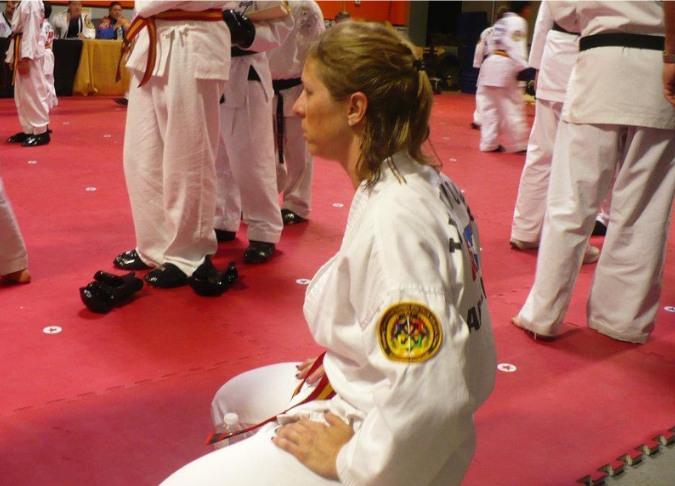
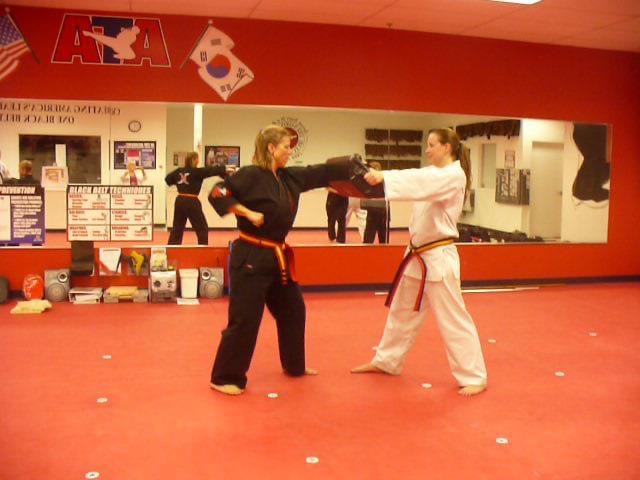
If you’re listening for the first time, I’m an above-knee amputee. My amputation took place in December of 2018 after a five-year stretch of pain, surgeries, limited mobility, and a profound loss of the life I once lived. Back in 2013, a taekwondo injury started a domino effect of setbacks—ten surgeries with ten different surgeons, countless appointments, and a knee that eventually functioned at only a twenty-degree range of motion. I couldn’t bend my leg normally, and I couldn’t straighten it either. Each step felt like walking on different-length legs, which wrecked my back, my neck, and my spirit.


Me, pre-amputation in TaeKwonDo


For five and a half years, I listened to doctors tell me to slow down, ice, elevate, rest, repeat—and none of it worked. Some doctors refused to even see me because my case was too complicated. Some barely looked at me during appointments. One told me that if I amputated, I’d never walk again. I was stuck, physically and emotionally, and I spent so many days crying in the shower, wondering how my entire life had been derailed. I missed out on years of skiing with my young boys. I gained sixty pounds. I feared I might never live actively again.


Getting back to skiing with my family was life changing!


Choosing amputation was my turning point. It was choosing life over fear. And once I connected with my prosthetist team and physical therapists, that hope grew into freedom. They guided me before and after surgery, walked me through what to expect, taught me patience, and helped me understand that amputees go through years of limb changes. In fact, it took me over three years and sixteen sockets before I finally had one that fit consistently. But each step, each adjustment, each hard moment, was worth every ounce of effort.


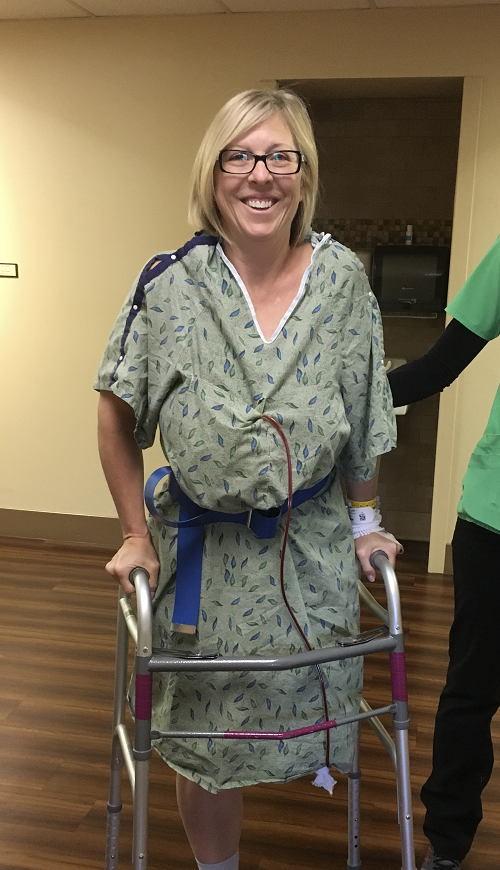
Day 1 Post-amputation


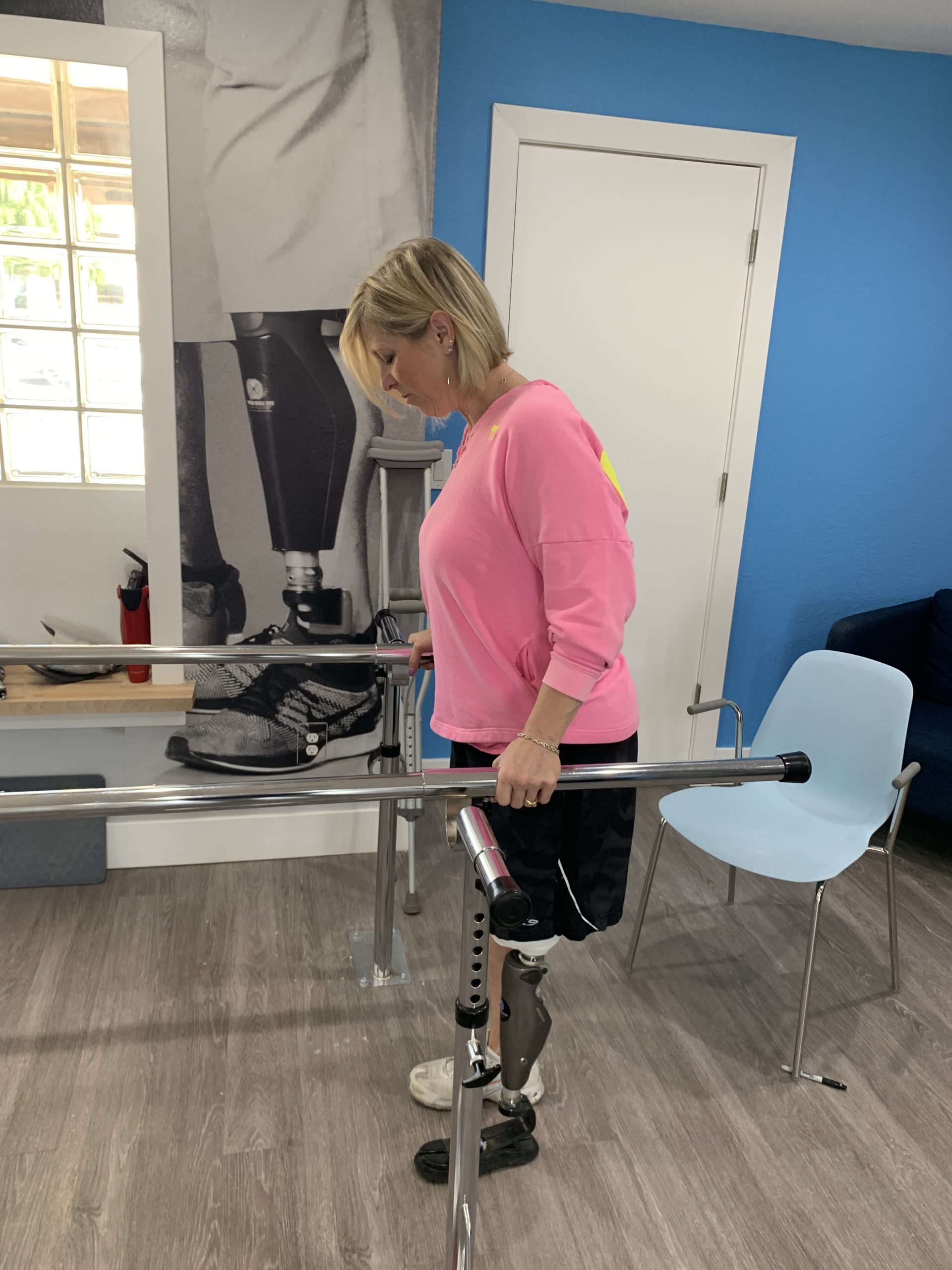
My 1st check socket!


The first time I stood and walked on my prosthetic, everything changed for me. Mobility wasn’t just movement—it was identity, joy, independence, and belonging. My life wasn’t over. It was just beginning in a different form.

And that brings me to why this episode matters so much.

I’m on the board of Limbs for Humanity, a nonprofit founded by my two prosthetists who felt called to bring mobility to underserved communities—places with no prosthetic care and people who cannot afford the basic devices required to walk. They partner with the medical clinic in Rocky Point, Mexico, a place without any prosthetic specialists, and every time they go, 40–60 amputees show up—many who have crutched miles just to be seen.

This December, they’re returning to Rocky Point with 53 prosthetic legs, ready to restore mobility to 49 individuals, including bilateral amputees and several children. Most of these legs require expensive components: knees, ankles, feet—parts that often cost tens of thousands of dollars. My own prosthetic runs between $60,000 and $75,000. But these men give their time, skills, and hearts to fabricate sockets, assemble devices, fit patients, and teach them to walk again.


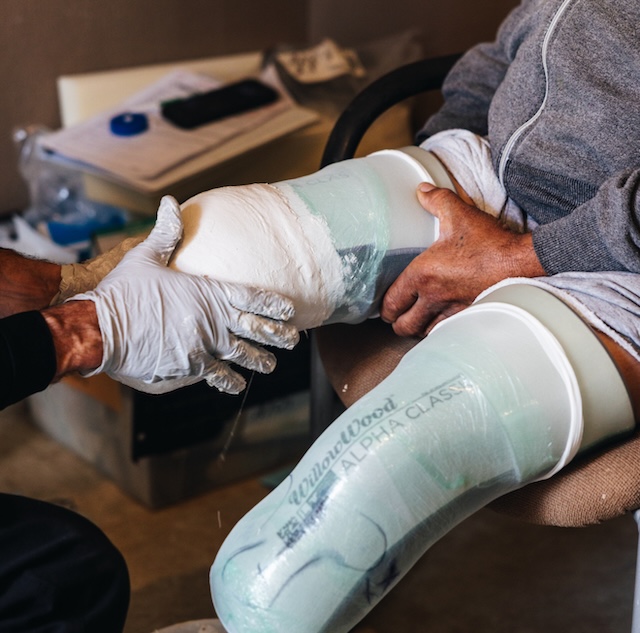
A special individual getting fitted for their new sockets- Bi-lateral amputee


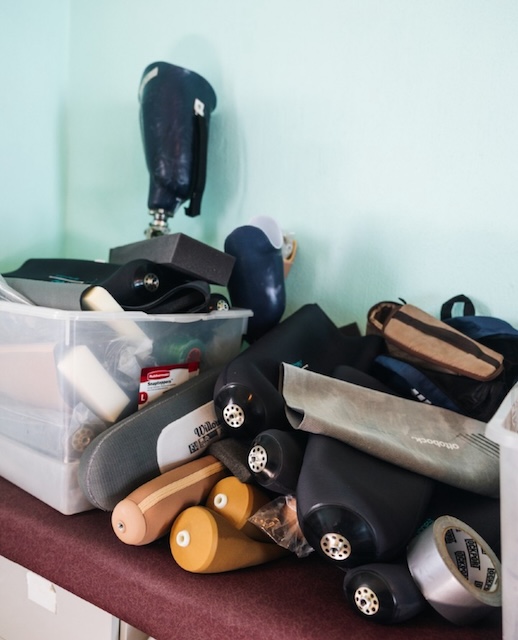
The many parts Limbs For Humanity use and are in need of to service all of their patients


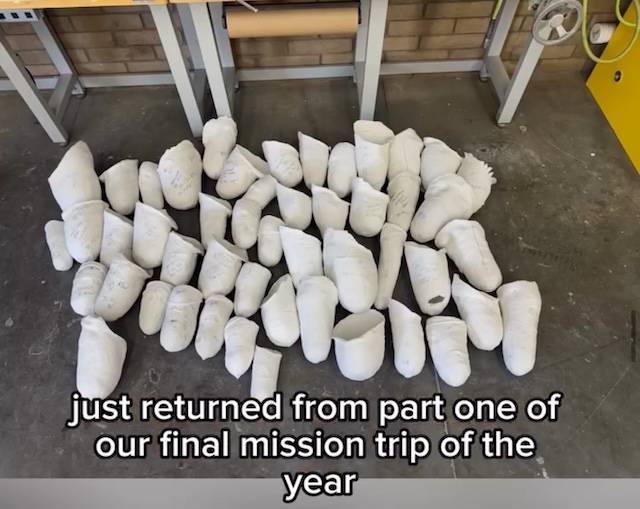
That’s a lot of socket casts! These are brought home to create the sockets for each individual


Each socket takes 4–5 hours to create, and every leg is custom. And these individuals aren’t seeking mobility for recreation or convenience—they want to walk so they can work, provide for their families, and reclaim their dignity.

This is the priceless gift of mobility.

And this year, Limbs for Humanity is facing a $50,000 deficit as they prepare for their December trip. They need financial donations, corporate matches, monthly donors, and sponsors willing to give the gift that can change a life forever. But financial support isn’t the only need. They also accept:


  • Donated prosthetic parts (knees, feet, ankles, liners)
  • Volunteer time
  • Physical therapists willing to join trips
  • Students in biomedical or engineering fields
  • Anyone who wants to serve hands-on


For children especially, the need is ongoing. Kids who lose limbs not only experience limb changes from surgery—they continue to grow. That means new sockets again and again, sometimes every few months. Mobility for these kids is more than convenience—it’s childhood itself. Running, playing, participating, belonging.

This Giving Tuesday, I’m asking from the bottom of my heart: please help. Whether it’s financial, material, or volunteering, every bit matters. You can visit limbsforhumanity.org, donate, offer your skills, or simply reach out and ask how you can serve. The waitlist grows constantly. The need never stops.

If you’ve been blessed this year, consider blessing someone else in the most profound, tangible way possible. Someone out there is praying for the chance to walk, to work, to feel whole again. You can be part of answering that prayer.

And if you’re listening today while navigating your own holiday emotions—if you’re missing someone, grieving something, or carrying heaviness—please know that I see you. The holidays are beautiful, but they’re not easy for everyone. My prayers are with you, and I hope you feel surrounded by light, comfort, and peace in whatever way you celebrate.

As we close out this episode, I invite you to join me in making dreams come true for 49 individuals waiting for mobility this December. Let’s do something big, something meaningful, something life-changing.

Because mobility isn’t just movement—it’s freedom, dignity, purpose, and hope.

Until next time—and as always—

Be Healthy,

Be Happy,

Be YOU!!

Much love,


Pain, Perseverance & Possibility

Pain, Perseverance & Possibility

A Thanksgiving Message For Anyone Struggling


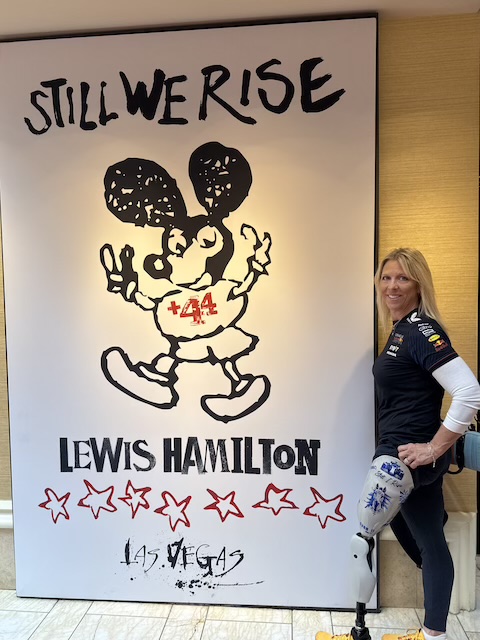
Thanksgiving week always makes me pause, breathe, and step back into gratitude, but this year, that feeling hit me in a much deeper way. Maybe it was the timing, maybe it was the experience itself, or maybe it was because of everything that led me here—but this past week in Vegas reminded me exactly why I chose this life, and why I continue to push myself to live amplified, even when it hurts.

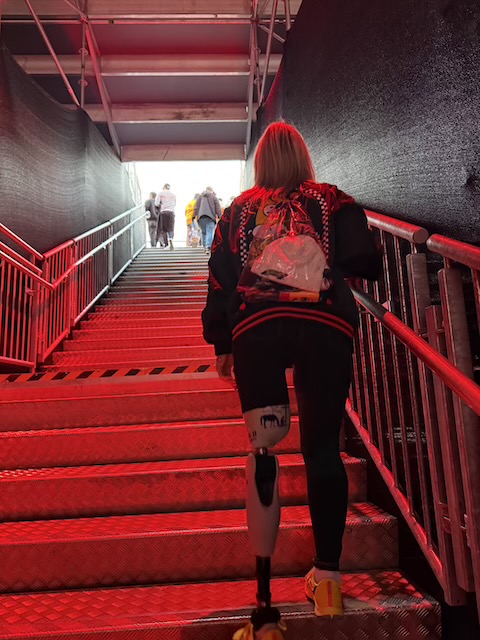
Our family goes to the Formula One races every year—this was our third—and while we love the energy, the cars, and the whole spectacle of it, it is absolutely not an easy environment for someone with mobility challenges. As an above-knee amputee, I’ve learned that accessibility can be a coin toss on a good day. Vegas during F1 weekend takes that to a whole different level. Elevators that don’t work. Escalators that suddenly shut down. Crowds compressed shoulder to shoulder. Long detours around track barriers. Rain. Stairs. More stairs.


But this year came with a twist. Not only did we pack in a full day of walking, navigating the Strip, dodging people, climbing stairs, and exploring all the fanfare, but that night, after all of that, I finally checked off something that had been sitting on my bucket list for years: going to a Vegas nightclub.

And I didn’t just go. I went all in—heels, dancing, crowds, the whole thing.

What made the night more meaningful was the backdrop of everything my body was going through. My newest socket, trimmed higher because I’d lost some femur during surgery, still hasn’t fully broken in. The rubbing along my groin becomes a four-inch strip of fire by the end of the day, the kind of raw, stinging pain that makes even a shower burn. Think blister-on-your-heel level pain, except in a place you can never bandage. Add rain, cold weather, slick sidewalks, and 36,000 steps—the most I’ve ever walked in a single day even when I had two legs—and you can imagine how I felt by the time we walked into the club.

But then the music hit. And the energy shifted. Surrounded by my husband and my kids—my favorite people—and swallowed up in the beat and the lights, I felt alive. Not amputee alive. Not “making the best of it” alive. Just fully, completely alive.

In that moment, I didn’t care that no one around me knew I was an amputee. I didn’t care that all my weight was sinking into my good foot, making my toes tingle with pressure. I didn’t care that I had a raw mark on my inner thigh or that I was balancing on heels after a marathon day of movement. I was simply living the moment I had dreamed of for years.

And when I finally got home, when I finally took my leg off and felt that flood of relief wash over my whole body, I laid in bed and thought, “This… this is why I chose amputation.” I didn’t take my leg off to watch life happen from the sidelines. I didn’t choose this path to let pain, friction, or inconvenience dictate my happiness. I chose it to reclaim my life. And nights like that one remind me why I fought so hard to get here.

But here’s the part I don’t ever want people to misunderstand: none of this is easy. I’ve had people say I make it look effortless, or that they shouldn’t complain about their injuries because I “went through so much worse.” But I don’t see it that way. I don’t compare. I don’t downplay anyone’s struggle. And I definitely don’t wake up immune to the hard parts of this life. What I do wake up with is a mindset that says:

I chose this path, so I’m going to show up for it.

That mindset is the difference between living fully and shrinking back from life. It doesn’t mean there aren’t setbacks. There absolutely are. I have blisters. I have raw skin. I have days where I struggle to put my leg on. I have moments where the socket fit isn’t perfect. I have times where the thought of stairs makes my stomach drop. But the alternative—the idea of sitting in a hotel room, letting my family go off and make memories without me—is far more painful than any physical friction I deal with.

That’s why I said no when my husband offered to get me a wheelchair. Not because I’m stubborn, but because while I can, I will. There may be a day when I truly need one. But that day is not today. Today, I push. Today, I build stamina, strength, grit, and resilience. Today, I invest in the future version of myself who might not have the option anymore.

That’s the heart of this whole experience—and the message I want to share this Thanksgiving.

Life will never hand us perfect circumstances. Pain, obstacles, loss, grief, inconvenience—these things don’t discriminate. But neither does opportunity. If you want something badly enough, whether it’s dancing in a nightclub, traveling, adventuring, walking that extra mile, or simply showing up to life with your whole heart, then you owe it to yourself to try. You owe it to yourself to dream. And you owe it to yourself to change the mindset that tells you “I can’t.”

Because “I can’t” is almost always a lie.

“I can’t right now” is more accurate—and far more temporary.


So this week, I invite you to sit with two things:

First, gratitude.

Not just the obvious stuff—family, home, health—but the deeper gratitude for the strength you didn’t know you had and the moments you didn’t think you’d get to experience.

Second, possibility.

What do you dream of doing? What do you secretly hope you’re brave enough to try? What have you convinced yourself is off-limits?

Write it down.

Name it.

Claim it.

Then take one step—just one—toward it.

Because if a tired, rain-soaked, blistered amputee can take 36,000 steps in a day, climb broken escalators, dance in heels until almost 2 a.m., and fall asleep smiling…

Then you can take one step toward the life you want, too.


Here’s to you and a beautiful Thanksgiving with loved ones.

May you find joy in the moment and gratitude in the little things!

Until next time,

Be Healthy,

Be Happy,

Be YOU!!

Much love,


Take the Drive-Roll Down the Windows

Take the Drive-Roll Down the Windows

Enjoying Your Life RIGHT NOW


“Want to go for a drive?”

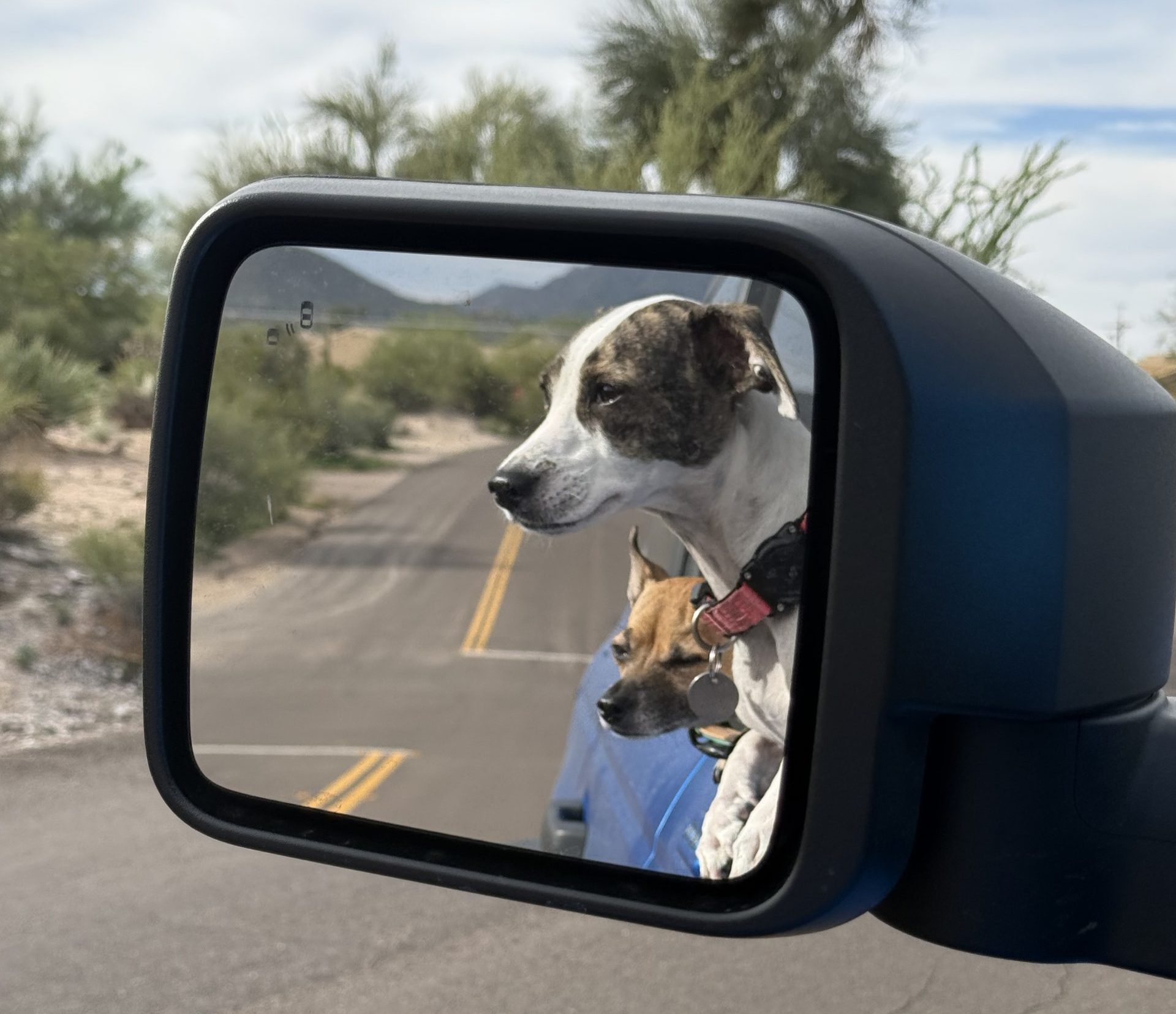
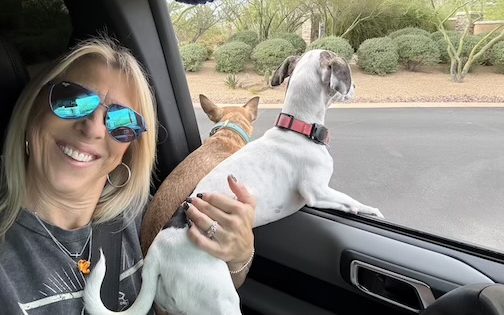
This simple phrase sends my pups into a frenzy! Their excitement is overflowing and their  joy is tangible!

This energy is what we should be living for each day, but when we are struggling we find ourselves consumed and can only see the problems, to the positives.

I remember coming back home after losing my mom. I had spent a full month back in Illinois helping my family navigate our loss and returning to my life here in Arizona seemed surreal. My mom and I were best friends, I called her everyday, mostly just for small talk but she was a great listener in times of need. I vividly remember one day, not long after the funeral, driving in my car and thinking, “I need to call monad tell her about….” when my heart dropped and I realized for the first time that she wasn’t ever going to be there again for my call. At that moment I felt the whole world must see the tears streaming down my face and hear my heart ripping in two. At the red light I looked to my left and to my right at the cars on either side of me. I knew they had to be seeing my pain, wondering what could be making me this sad, but instead I saw people in their own world, signing along to music, talking on their phone, laughing with their friends. No one saw my pain! They were living their life, and my life was at a stand still.

That was the moment that I realized that no matter what I was going thro9ugh, the world kept going, the hours kept passing, the days kept moving forward.

I have never felt so alone in my sorrow as I did in that split second at a red light.

What I learned was that no matter what was happening in my life, the world kept turning and I was there and I had purpose.

I firmly believe that each morning I wake and have breath in my lungs that I am to serve a purpose. That is the day when my thinking changed and for the better. Yes, I need to deal with my pain, but I cannot let it run my life and destroy my and my goals.

Even when things had hit rock bottom for me, with my mom’s passing, I had a family, healthy sons, a loving husband, my father. I may have had a bum leg, but I also had creativity, energy, drive, and passion.


My dogs, here,  just living in the present. No looking back and no worrying about tomorrow.

My point: No matter what struggles we face in life, we have even more things to be grateful for. We have people in our lives worth fighting for, and we have PURPOSE!

So often we forget to find joy in the simple things, especially when we feel frustrated, in pain, or fearful, but they are still their, it’s just that our focus has shifted away from good and positive to negativity and al that is falling apart.

This week, I want you to find your joy again. I want you to see past your pain and struggles and find the purpose joy my dogs find in an open window on a drive. Find the beauty in the little things and count your blessings!


This week our battlecry is simple: Seek the positive and blessings in your life.

Find joy in the small things, don’t allow negativity, pain, and fear to derail you so much that you forget to see all the good around you.

This is a choice, and one we must profess everyday, lest we forget.

Be strong, dear warriors, and find your purpose and passion.

This valley will end, as all cycles do in life, just don’t sit their waiting for the struggle to end to find happiness, you must seek it now, and when you do you will find that your situation won’t feel as bleak and hope will rise up in you.


So get after it and seek the positive.

Don’t wait to enjoy the drive.

Get out there, roll down those windows and let the wind hit your face. I bet you’ll feel more alive than ever and find inspiration in your life once again.

I pray you find joy in the little things this week and until next time,

Be Healthy,

Be Happy,

Be YOU!!!


Much love,


Live courageously! Live in the present!


Despite The Circumstances

Despite The Circumstances

Navigating Life When It Falls Off The Rails


Sometimes life takes a turn you never saw coming. One moment everything feels steady, predictable, maybe even comfortable — and then suddenly, the tracks shift, and you’re left wondering how to move forward. As an amputee, I’ve had my share of moments where life completely fell off the rails. Moments that tested not just my strength, but my heart.

Let’s talk about what it really feels like when life doesn’t go the way you hoped, and how I’ve learned to keep a positive heart posture even in the middle of the mess. I’ll share the honest truth — that staying positive isn’t about pretending everything’s fine. It’s about choosing, every single day, to look for the light even when the darkness feels closer. It’s about deciding to see possibility instead of limitation, hope instead of defeat.

I talk about what helped me shift my mindset from frustration to faith, from “why me?” to “what now?” Because life isn’t about avoiding the derailments — it’s about how we respond when they happen. I’ve discovered that when we meet life with an open heart, even the hardest seasons can become our greatest teachers.

Having a positive heart posture doesn’t mean you won’t have bad days. It means you show up anyway. You breathe through the pain, you give yourself grace, and you keep moving forward — even if it’s just one step at a time. Through tears, laughter, and maybe a few tough lessons, I’ve learned that our strength isn’t built when everything’s going right; it’s built in the moments when everything feels like it’s falling apart.

My hope is that this episode reminds you that no matter where you are in your journey, you can start again. You can choose to rebuild, to believe, and to live with a heart that stays open to joy, even when life doesn’t go as planned. Because sometimes, when life falls off the rails, it’s just leading us to a new and unexpected destination — one that’s even more beautiful than before.

This week I want you to end your day writing down 3 things you are grateful for. Do this every day and see if it doesn’t help you shift your perspective and get you into a more positive mindset and heart posture. Who knows, this may become your new norm and a habit you carry through life!

Sometimes you’ll find it hard, in the midst of struggle, to see the positive but if you really search I know you can find 3 things that are positives in your life. Dig deep and search your heart.

I pray you have a blessed week ahead, and as always,

Be Healthy,

Be Happy,

Be YOU!!

Much love,

Finding Success

Finding Success

Defining Success As An Amputee


What is success?

Can any one person define success for the world?

Of course not!

As an amputee we need to remember that. Success id what you make of your life and where you’ll find contentment and happiness behind what you do and accomplish.

For some of us it’s walking for the first time without assistance.

For others it’s wearing their prosthesis all day long.

And yet for others, it’s getting back to work, or the gym.

Facing fears has become our new norm. I remember, when I first got my leg, that every time I went walking inside or outside of my house I had fear well up inside of me and I had to battle it so it didn’t paralyze me and leave me stuck, immobile.

It takes time. It takes courage, but remember your journey is yours.

I know people see amputees walking around in the world like it’s a piece of cake but the reality is we all start over and learn to walk again. Some people charge forward determined to walk again while others are fearful and apprehensive to don their new leg and trust it.

It takes time. It takes practice.


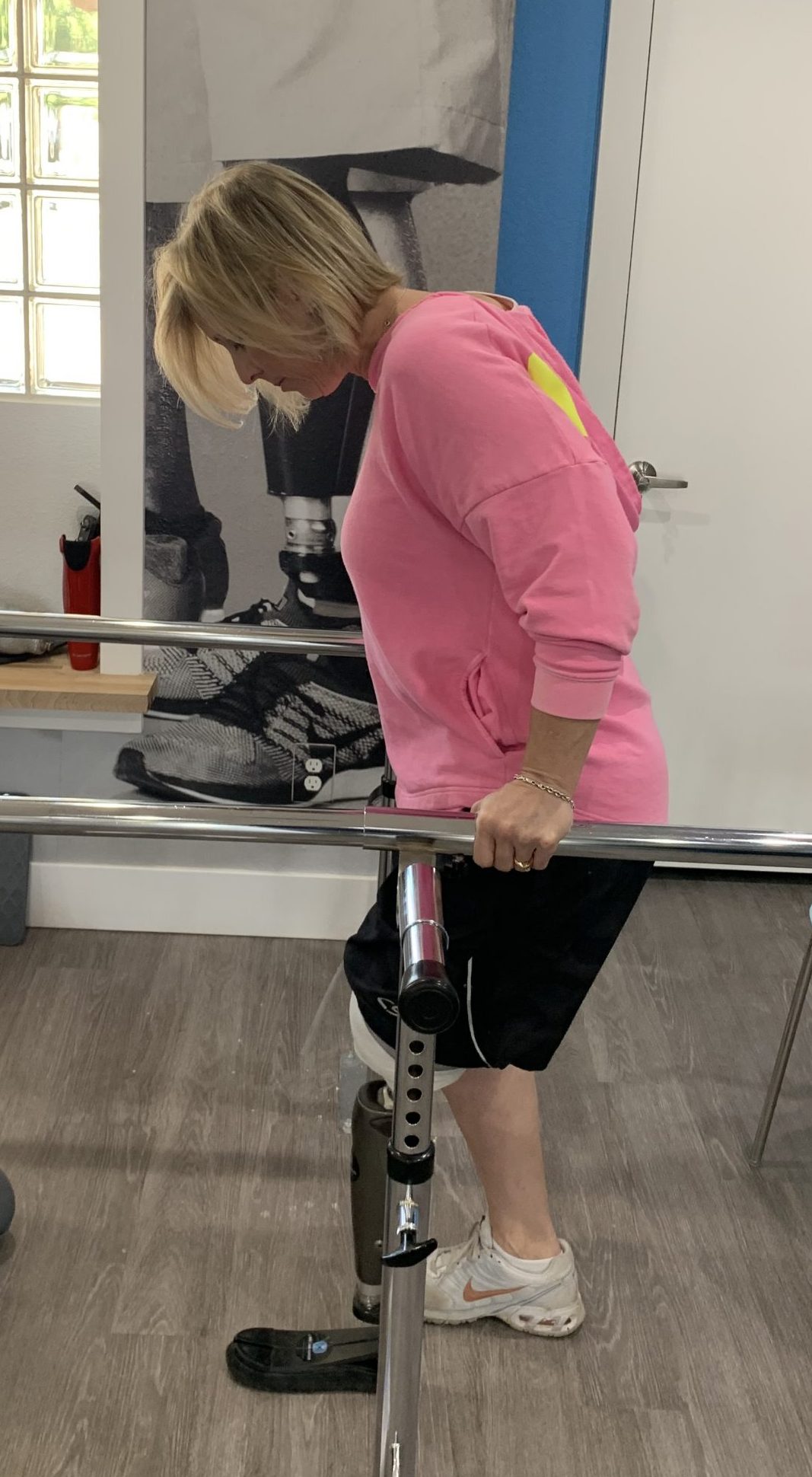
This was my very first test socket, using parallel bars for support, and yes, I was scared!


So what’s the difference on those who walk and those who struggle?

First is mindset, the voice inside your head that is stubborn and tells you, “Yes, you can!” That’s a great voice to have, a positive one. Listen to that voice.

Second, those who find success not only have that positive mindset they also set goals with timelines/deadlines. They are determined to accomplish, despite fears (and yes, we have fears when trying new things, failing, picking ourselves up and trying again-that’s how we learn and improve).

Third, they don’t compare themselves to others. They find joy in their own accomplishments as they improve each day, whatever their goals may be.

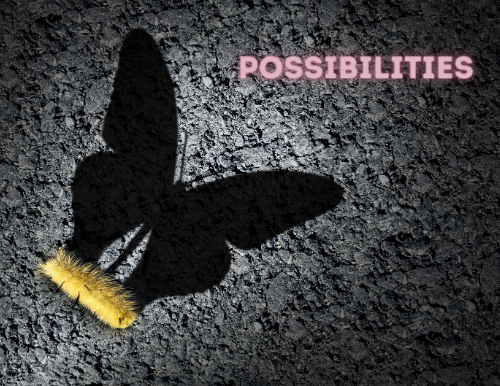
What you CAN do are endless possibilities. Like the caterpillar, you need time to become that butterfly.


You can do whatever you put your mind too. However, make sure you are realistic with your goals and timelines. After amputation you may feel stuck or defeated because you had no idea how long healing would take, or how a socket would feel on your own flesh, or even how heavy it would be to manipulate because you got weak while you waited to heal.  Just because you were an amazing walker with 2 legs doesn’t mean post amputation is going to be like riding a bike (by the way, post amputation biking riding is also a new challenge, like everything else). You must relearn how to walk because it IS different than before.

Cut yourself some slack. Understand that fears are common and the only way to your goal will be through some of those fears.

But I can promise you, facing fears to reach your goals, no matter how big or small they are, will be one of the most rewarding things you’ll feel.

Just don’t give up. Dig deep and know you are capable. You may be needing to take baby steps to push through, but take them.

You will fail and you will fall, but that is how you learn. Pick yourself back up and go at it again, and again, and again.


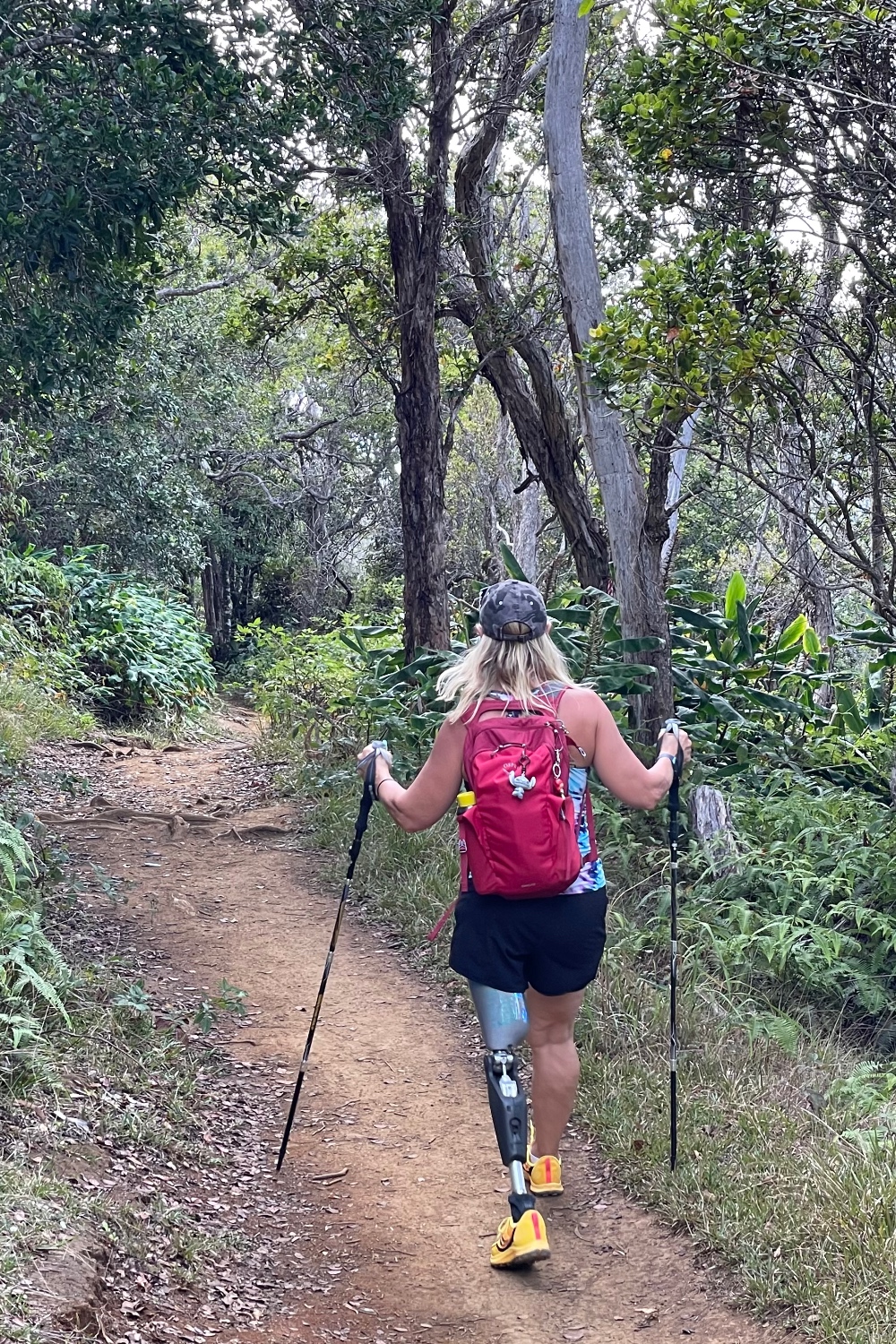
Hiking is my favorite activity but is exhausting. The terrain is uncertain but I worked hard to be able to get to this point.


Let’s do this!

Change your mindset to positive mode!

Decide what you most want to achieve.

WRITE IT DOWN!

Set that goal and a plan on how to achieve it. If you want to wear your leg all day but aren’t wearing it at all now then start by saying: Day 1 I will wear it 2 hours around the house (use assistive devices if you are concerned) but wear it! Sit in it, stand in it, mosey around your house with it on. Day 2 wear it for more time, don’t take it off, even if you only wear it 10 minutes longer than yesterday you still improved! Continue on that path. Always adding more time, staying in it longer and walking where you are safe.

After a few days of doing this then you can set a realistic goal deadline to wearing it all day. Set that date!

This is how you achieve your goals, and this is how you will find YOUR success!

Also, success is NOT a straight line without setbacks. If you are having a bad day or the fit hurts, then you use that time to adjust, take a break, and then start again the next day. One setback does NOT mean you’ve failed, it means you are learning!

Keep going, Warrior!!!

You can do this, I know you can.

Remember, you are stronger than you know! Dig deep and find your inner warrior!!!

And as always,

Be Healthy,

Be Happy,

Be YOU!!


Much love,


The Journey of a Thousand Legs

The Journey of a Thousand Legs

Let’s Get Real


You’ve been through a lot. You had an amputation, you’ve healed, you’ve gotten fitted for your first socket.

Today you go in to put it all together and walk out the door and on with your life, right? Easy Peasy!

Yes! It’s the most exciting, most freeing day in an amputee’s life, for most people, however it doesn’t end there, and it doesn’t just magically take you back to “normal”.

Managing expectations and understanding how the journey is different for everyone will be helpful for your mental game.

First off, you need to understand that sockets make or break your experience with using a prosthesis. Just because you have the best foot or microprocessor knee (MPK) doesn’t mean you’ll be successful or walk better. Many aspects will factor in to how you handle your prosthesis.


Your prosthetist and his/her skills at listening to you, observing you and creating a socket that is best suited for you is so very important. Also important is your volume change, healing, and pain level.

Even if you have the best, most attentive prosthetist (like my guys, Randy and David at The Limb Center) who have created the most intimate socket for you, taking into account your contours and sensitivity, doesn’t mean that when you get your final socket you’ll be off and running. There are many aspects of those first 1-2 weeks of wearing the new socket that you will have to work through.


First, putting it on for the first time will take practice and more practice. Putting it on and off multiple times each morning wouldn’t be uncommon. It is not Lego pieces that snap together perfectly, your limb will conform  and fill your new socket better over time and your inner socket will mold to your limb over time and make it easier to put it on correctly the first time each morning.

Next, you will find that anything manmade isn’t perfect, even a remake of your test socket into a final socket, even though the same mold is used. This means that even if your test socket is feeling like the right fit, you’ll find that your final socket is a little different. It feels different, fits different, and can cause new rubs and rashes. It’s crazy, but by the end of my very first day in my brand new socket it was falling off….even though I was wearing my test sockets everyday, all day, for several weeks. My volume changed!

Finally, the best thing you can do is to continue to wear your socket to see what it’s doing, how it’s fitting, where it rubs or creates issues on your skin. My prosthetist always says 72 hours is a good gauge of how it REALLY is going to fit you. In 72 hours you can really test it and find how it functions in different situations and at different times of the day. Let’s face it, our bodies change throughout the day, and from day to day. To truly be able to communicate clearly what changes need to be made to your socket you have to put it to the test and make notes of what and where you are feeling things.


It would be so nice to receive your brand new leg and be off to the races but that is not reality for amputees. So many things can change and alter our fit, from one socket to the next, and from day to day and hour to hour. All you can do is learn patience and communicate clearly to your prosthetist so they know what you are feeling and what you need.

I went back to my guys two times, already, after wearing my brand new leg for 5 days.

This is a process. When you know this you can avoid some of the frustrations associated with socket fitting, and avoid feeling all alone in this journey. We all have some sort of adjustment to make once we get our “final”socket. And the fact is, when you are in your first 2-3 years post-amputation as soon as you get a socket you’ll have outgrown it so quickly that you’ll feel like you never even had a chance to really break it in and get use to it before it’s time for a new one.


This is a part of the journey of the 1000 legs, (at least that’s what it feels like).

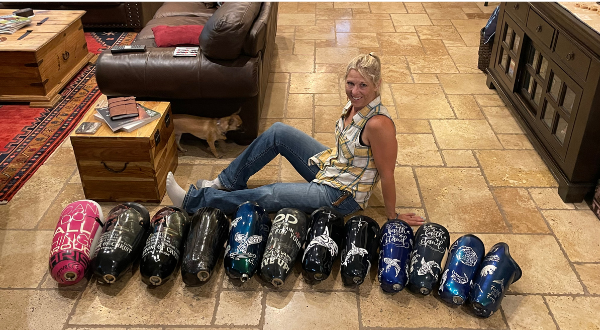
My photo at the top is my actual sockets minus 6 ( a total of 18 in 6 years- most of those, probably about 15 where made in the first 3 years!)

Embrace the journey, be prepared for the time it takes and the process it takes to hone in to getting the best fit. Trust me, it’ll be worth it. When you get a great fit ti will make a world of difference.


Simple:

This week, if you are in a socket that you just received, wear it. Really give it a good try, even if it’s uncomfortable. Gather as much data and intel about the fit and the sore areas so you can ask your prosthetist. to make adjustment, with confidence. The better you communicate the sooner you’ll be in a socket that fits well and allows you to get back to life.

If you are about to get a new socket, or your first socket, I hope this helps you manage expectations so you come through this process in a positive state of mind.

Be excited, for sure. Getting a first socket or a new socket brings hope to you and your family. It’s exciting to design it, and to have your independence back, just understand that it is a process that you will have to navigate.

You will do just fine. You are not alone. I hope that brings comfort to you and a hope of a bright future as an amputee.


I hope you have a blessed week until we meet again.

And as always,

Be Healthy,

Be Happy,

Be YOU!!!


Much love,


The Process

The Process

Healing Physically, Adapting Mentally and Emotionally


Amputation isn’t just the act of amputating a limb.

It isn’t just surgery, heal, and walk.

This is a process. It takes time, money, patience, and a whole lot of grit!

Unfortunately, most patients that knowingly go into amputation surgery can’t comprehend the struggles to come. For those who didn’t choose or prep for amputation, they have no idea of the life that’s ahead of them. For them, their emotional and mental state need to heal first, while they wait for their physical healing. They had their life torn apart by disease or war or an accident.

Whichever category you fall into know that you will get through this but it takes time, and commitment. You will need to work on, what I feel are, the four major components of successfully navigating amputee life: Physical, Mental, Emotional, and Financial.

Physical:

Obviously, you will take time to heal. You will need to learn to rebalance with less weight on one side of your body and also how to get around with crutches, a walker, or a wheelchair. You need to heal your incision but also the bone, muscle, and tissue. It was told to me that true healing takes up to 12 months. Within that time you will also experience new sensations and possibly phantom pains, all of which you will learn to adapt and work through. The whole wearing of a shrinker and then being cleared for a socket is a whole other side of the physical aspect you will need to come to grips with.


Mental:

As an elected amputee I had four months to prepare my mind for what was to come. I could ask questions, meet people, find peace with my decision, and set my future goals and dreams. Setting goals and daring to dream of a brighter future post-amputation is invaluable and can set you up for success. Manifesting your own destiny with a powerful and positive mindset is key! Get your mental game lined up as soon as you can.


Emotional:

Being ready to face your new life and new look is extremely important. Understanding how to deal with some of the struggles and hurdles you will face is hard to prepare for ahead of time, just know that when you do face a hardship that you need to take a step back, take a deep breathe and understand that these moments will end and good times will happen again. This journey is filled with ups and downs, highs and lows, pains and peace.

If you have dealt with an amputation due to someone else’s negligence, like an accident you were involved in, then you may have some extra baggage to address with your emotions, anger and hate. These emotions are poison to your healing. They can create some major problems for you and ultimately stifle your level of success as an amputee. Letting go of negativity will allow for healing and growth.


Insurance/Money:

My general practitioner gave me great advice ahead of my surgery, to contact my insurance company so I knew and understood my coverage and the rules of external prosthesis, but even then I got the short end of the stick (listen in to hear what happened!).

Remember that prosthetics are your new ‘forever’, being able to afford them or having coverage for them is highly important. Be prepared for what’s to come so you don’t feel like you’ve been duped. The reality is that you may be looking to get a new one every 3 years (most prosthetics have a 3 year warranty-at least that’s what I deal with as an above knee amputee with MPKs).

I wished more people had some of these basic facts before their surgery, but you learn as you go, that’s how my journey happened, and is still happening. Everyone’s experience is different, and you need to do what you need to do to embrace your new life as an amputee. The best teacher is time and experience.


This week is simple in detail but tough to execute.

Look yourself in the mirror and address what weakness you have and where you struggle the most in your life.

Are you weaker inner mental game or physical (being strong and healthy is important pre-surgery)?

Is your emotional state a struggle?

Be honest with yourself and really try to address your weaknesses.

Next, list your goals and dreams. Dare to go big! Manifest your future with positivity and standards you want to achieve and live up to. These will save you in times of struggle and give you incentive to keep fighting.


Being prepared doesn’t mean you won’t fall and falter, but it will give you a head start of your new life as an amputee.

Give yourself a fighting chance and reap the benefits of your preparedness and positive mindset.

You are stronger than you think and more resilient than you’ll ever know.

Rise up, Warriors, and prepare for battle!


Cheers to a blessed week ahead,

And until next week,

Be Healthy,

Be Happy,

Be YOU!!!


Much love,


What Is Really Important

What Is Really Important

Knowing Who and What To Ask About Amputation


Becoming an amputee is so surreal. Electing to have it done is a choice I never thought I would have to make.

It brings about fears, anxieties, questions, and so much uncertainty.

How do you know life will be better?

What if I can’t wear a prosthesis?

Will I walk again or will I be in a wheelchair the rest of my life?

How long does it take to heal from an amputation

Do I get a leg right away?

Is walking like riding a bike, easy once you do it again?

How do I find a prosthetist?

Do I need to go to PT while I’m healing or after I get a leg?

So many questions, yet so many more that you may not even be thinking of.

How do you know what to ask your doctor? What type of doctor is best for this surgery?

Who is the most important person in your life right now, or how about in 5-10 years?

Most of these questions I, myself, didn’t even know that I had because I didn’t know I needed to ask them.

But I got lucky, or maybe it was fate.

My surgeon was amazing.

He sent me to the best prosthetist in town at The Limb Center.

The Limb Center sent me to an amazing, caring physical therapist at Touchstone Rehabilitation.

They were my team, and besides my family, they were my biggest supporters and fighters for my life, dreams, and goals.


Listen in today, and please share this episode with someone you know is going through, or about to go through, amputation. It may give them a better than fighting chance of knowing more about what is to come and allow them to find greater success as an amputee.

We all have a warrior spirit within us just waiting to be called out.

You need to educate yourself, and learn to fight for the life you want.

Now is the time to be that warrior, so rise up, dear Warrior, and pave the path to your successes.

I hope you find something that helps you, motivates you, and supports you in this episode. Don’t forget to like and subscribe so you don’t miss an episode.

Have a blessed week ahead.

And as always,


Be Healthy,

Be Happy,

Be YOU!!!

Much love,