Tag: BAWarrior podcast

The Power of Self Advocacy in Prosthetic Care

The Power of Self Advocacy in Prosthetic Care

Advocate and Rise


What happens when the people responsible for helping you move forward stop listening? You learn how powerful your own voice can become.

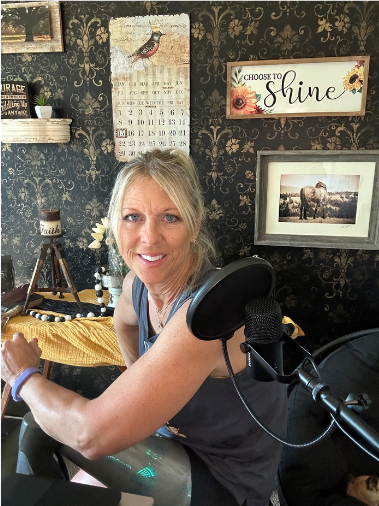
In this episode of the BAWarrior Podcast, I step back from the idea of constantly pushing forward to talk about one of the most important skills every amputee must develop: advocating for yourself.

Self-advocacy has been a major part of my journey since long before my amputation. After tearing my MCL while preparing for my second-degree black belt test, I endured five years, ten surgeries, increasing pain, and complications caused by arthrofibrosis. Each surgery brought a new doctor, a new explanation, and another retelling of my medical history. Eventually, I realized I could no longer rely on someone else to connect every piece of the puzzle for me.

I began reading my surgical reports, researching unfamiliar medical terms, writing down questions, and paying closer attention to what my body was telling me. That process helped uncover the condition behind many of my complications and eventually gave me the courage to advocate for the amputation that changed my life.

That need to speak up did not end after surgery. It became even more important.

As amputees, we depend heavily on our prosthetists, especially after our surgeons are no longer involved in our everyday care. A prosthetic leg will never feel exactly like the limb we lost, so we must balance realistic expectations with the knowledge that constant pain should not be accepted as normal. Discomfort, adjustment, and awkwardness can be part of learning a prosthesis. Debilitating pain is a sign that something may need further investigation.


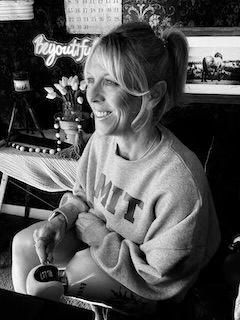
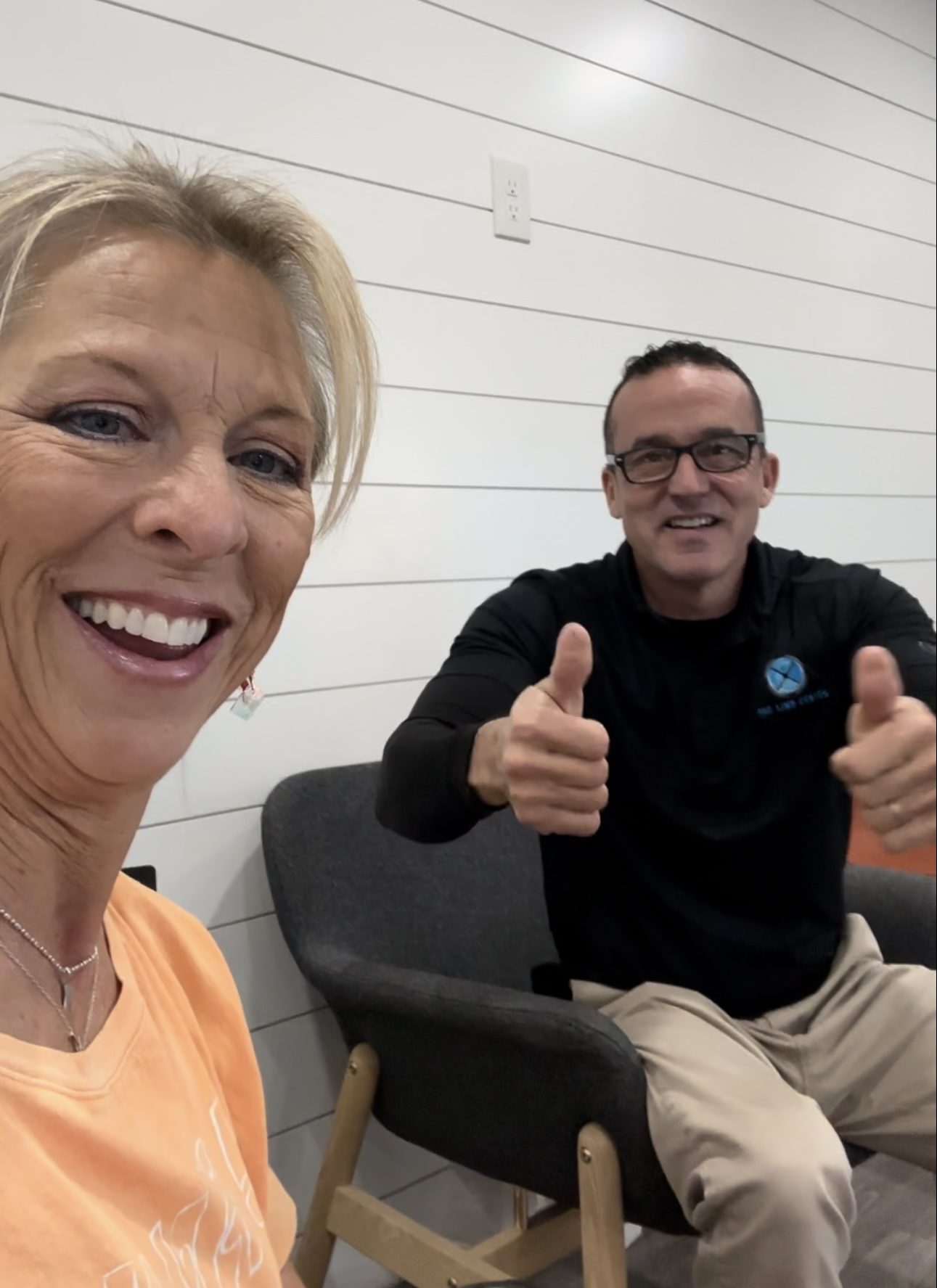
One of many appointments with my prosthetist.


I share how ongoing socket pain led my prosthetist and me to continue experimenting, collaborating, and searching for answers instead of giving up. Eventually, an MRI revealed a large neuroma that no socket adjustment could fix. That experience reminded me that good care requires teamwork. My prosthetist brought his knowledge, but I had to clearly communicate what I was feeling and continue trusting my instincts.

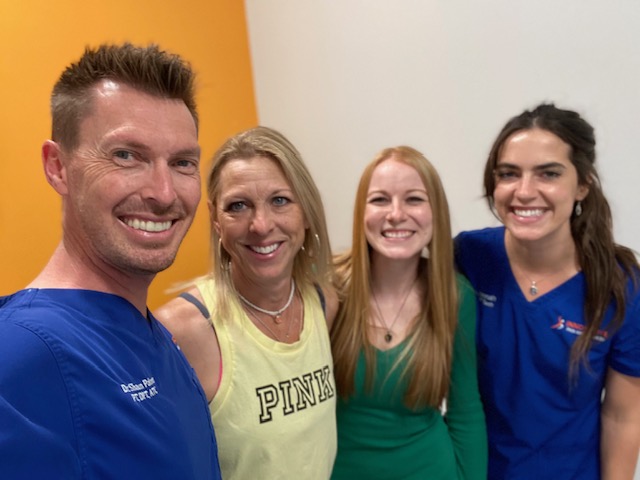
Supportive medical teams are a must in your positive care and experience as an amputee


Living as an amputee also carries a daily mental load. Some mornings my leg feels strong and ready for everything I have planned. Other days, discomfort, swelling, skin irritation, or a poor fit can completely change the day. Even more than seven years after my amputation, I still have to remain flexible and listen to my body.

My message throughout this episode is simple: do not give up on yourself. Ask questions. Bring someone with you when you need support. Find professionals who are willing to listen, collaborate, and fight beside you. You are more than an insurance claim, a medical chart, or a difficult case.


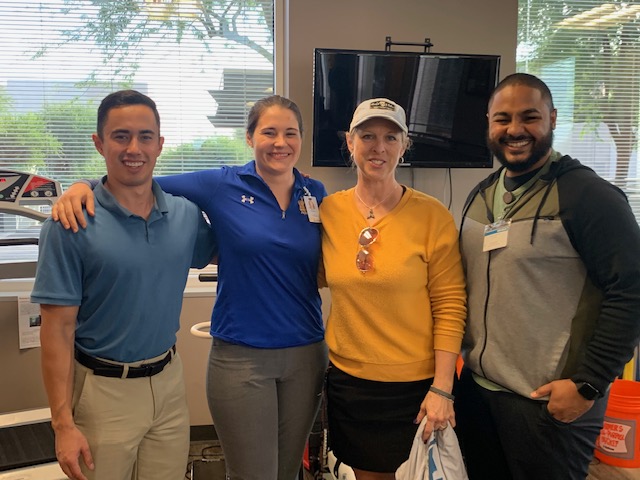
My support system


Your voice matters. Your mobility matters. Your future is worth fighting for.


Ready to Advocate for Yourself?

Your journey does not have to be walked alone. If you are struggling to feel heard, searching for answers, or simply needing a community that understands the realities of amputee life, I encourage you to reach out.

Join me and other women amputees during our weekly Amped Women virtual chats, where we come together to share, listen, encourage, and support one another. And if you are ready to move beyond survival, set meaningful goals, and take your next steps with accountability, Momentum may be the community you have been looking for.

Follow the BAWarrior Podcast, subscribe on YouTube, and connect with me on social media so you do not miss future episodes, live conversations, and community gatherings.

Most importantly, keep asking questions, keep trusting what your body is telling you, and never be afraid to use your voice.

You are worth advocating for. Your mobility matters. Your dreams matter. And you do not have to give up.


Have a beautifully blessed week ahead and as always,

Be Healthy,

Be Happy,

Be YOU!!!


Much love,

 

Reimagine Your Life After Amputation

Reimagine Your Life After Amputation

Building a New Version of Normal


What happens when the life you want to return to no longer works the way you remember it?

After amputation, we are often told that we can get back to doing the things we love, and I believe that is true. But I have learned that those activities may look, feel, and function differently than they did before. Recovery is not always about returning to the person we used to be. Sometimes, it is about reimagining what life can look like now.

Losing a limb changes more than our appearance. It changes our balance, center of gravity, movement patterns, energy levels, and the way we approach everyday activities. Even something described as being “as easy as riding a bike” can become complicated. Getting onto the bike, positioning a prosthetic foot, balancing, starting, stopping, and reacting quickly all require new strategies.

The same is true for adaptive fitness, hiking, running, skiing, traveling, and even standing for long periods. Our bodies operate under different physics after limb loss, and we often use more energy to complete the same activity.

I think of energy as currency. Every activity makes a withdrawal, so I have to be intentional about how I spend it. If I know I have plans with family or friends, I may need to skip the gym, shorten another activity, or rest beforehand so I have enough energy to be present.

I also have to protect both my residual limb and my sound limb. Socket fit, skin irritation, phantom pain, neuromas, fatigue, and compensation can change how I move from one day to the next. There are days when pushing forward is appropriate, and there are days when pulling back is the wisest choice I can make.

Wisdom is not weakness.

Resting, using a mobility aid, shortening a workout, or changing a goal does not mean I am failing. It means I am protecting my body for the next twenty, thirty, or forty years. I have learned to ask myself, “Is it worth it?” Is the activity worth the pain, skin damage, lack of sleep, or extended recovery that may follow?

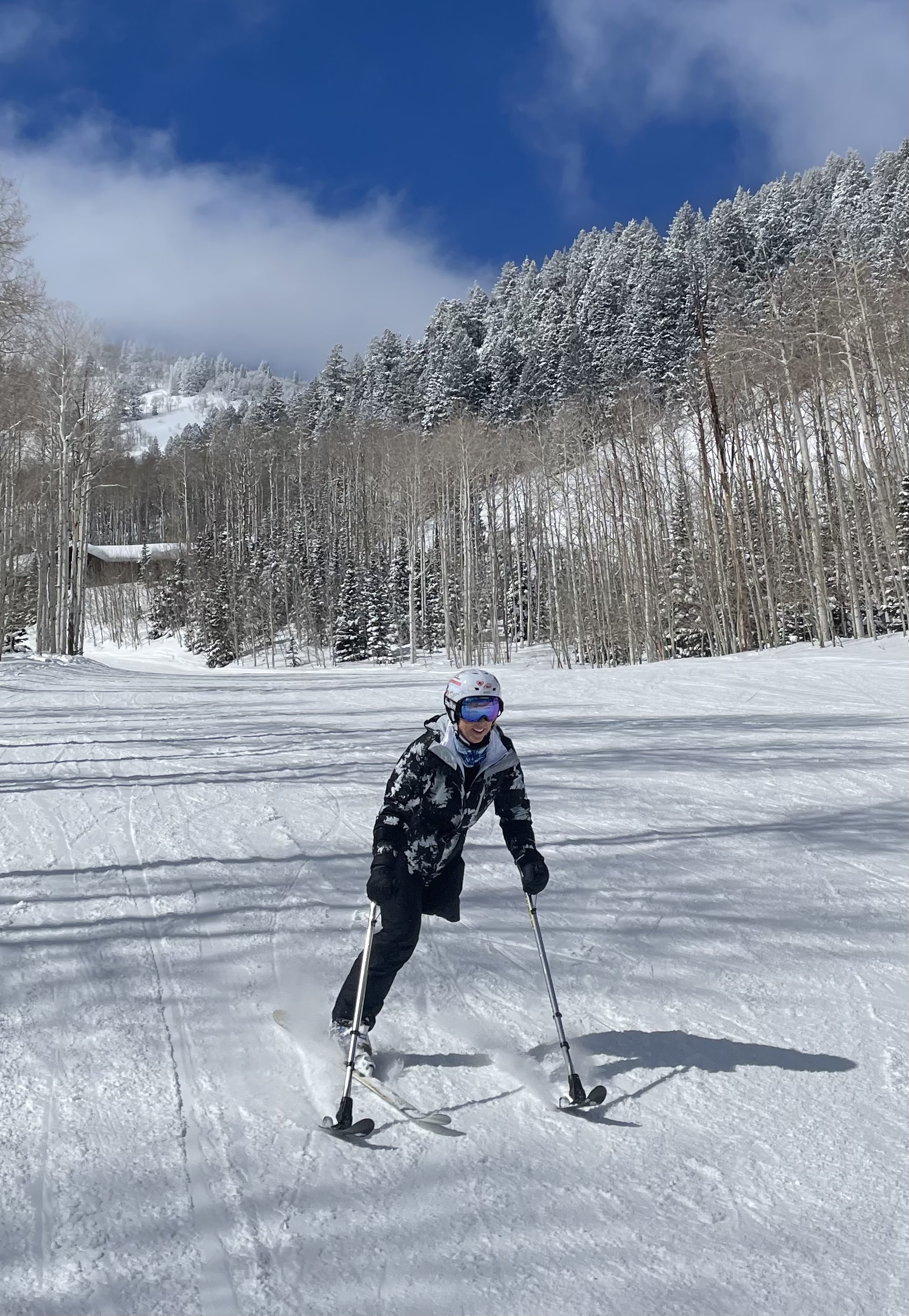
Success after amputation must also be personal. I cannot measure myself against who I was before surgery, another amputee on social media, or a Paralympic athlete with years of specialized training. My success may mean hiking a shorter trail, trusting a running blade, completing half a day of skiing, or simply showing up and moving my body.

Reimagining life after amputation means experimenting, adapting, learning from setbacks, and creating new goals. Progress is rarely linear, but every step still matters.

My life did not end with amputation. A new chapter began, and I get to decide what comes next.


Your Warrior Challenge

Think about something you have been trying to return to. Are you measuring your progress against your old life, or are you giving yourself permission to approach it differently?

Choose one goal this week and reimagine it. Adjust the pace, change the method, ask for support, and create a version that works for the body you have today.

Stop chasing your old normal. Start building a life that supports who you are becoming.

Keep moving forward, dear Warrior! One step at a time!

And as always,

Be Healthy,

Be Happy,

Be YOU!!!


Much love,
 

Adaptive Fitness Without Burnout

Adaptive Fitness Without Burnout

Learning When to Push and When to Recover


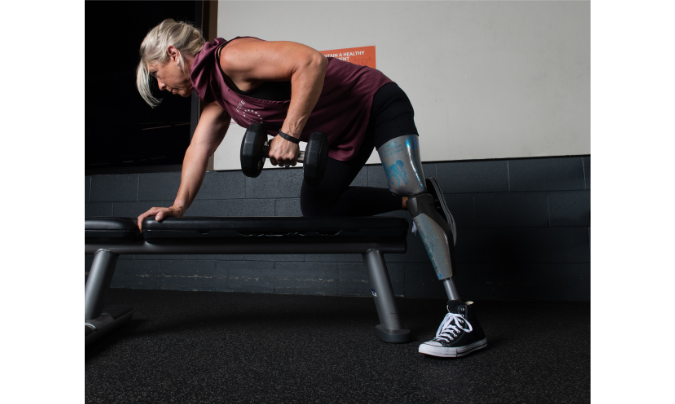
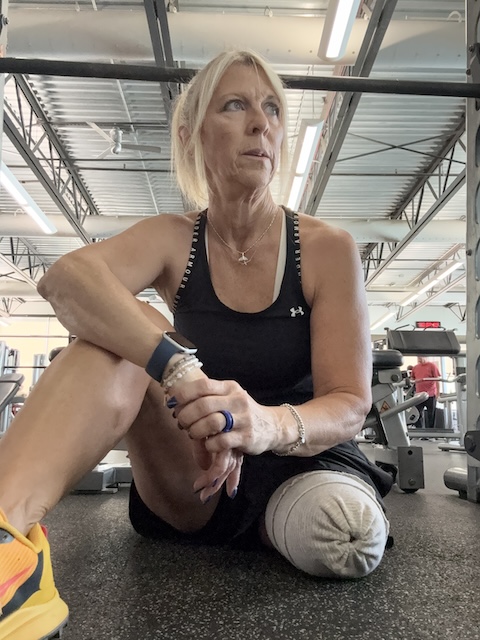
Have you ever started making progress with your fitness, only to be stopped by skin irritation, socket discomfort, phantom pain, fatigue, or an injury? As an above-knee amputee who loves working out, hiking, skiing, and staying active, I understand how frustrating it can feel when your body suddenly forces you to pull back.


In this episode of the BAWarrior Podcast, I’m talking about how we can pursue adaptive fitness without burning ourselves out physically or mentally.

As amputees, our journey is rarely a straight line. It often feels like two steps forward and one step back. We may receive a new prosthesis, begin walking confidently, and think everything is finally falling into place, only to experience discomfort, skin breakdown, pain, swelling, or a change in socket fit. These setbacks do not mean we have failed. They are part of learning how to live, move, and grow in a body that continues to change.

Burnout is not always caused by a lack of motivation. Sometimes it comes from the physical demands of walking with a prosthesis, protecting our sound limb, managing phantom sensations, and constantly thinking through every movement. The mental load of being an amputee is real. Curbs, ramps, stairs, uneven ground, exercise machines, and even getting onto a bicycle can require additional thought and energy.


That is why recovery must be considered part of training.

In this conversation, I share the importance of sleep, hydration, nutrition, stretching, rest days, and regularly checking the skin on our residual limb. I also discuss the danger of comparing ourselves to people on social media. Our progress should not be measured against someone else’s body, abilities, or journey. The better questions are: Am I stronger than I was yesterday? Is my balance improving? Am I walking with more confidence? Is everyday life becoming easier?

Adaptive fitness should support our independence. It can begin with practical movements such as standing longer, carrying groceries, getting up from the floor, playing with children or pets, or walking around the house with greater intention. These small accomplishments build confidence, momentum, and a positive mental attitude.


I also talk honestly about respecting our prosthesis. Some days the fit will feel great, and other days it will not. Heat, sweat, swelling, weight fluctuations, and activity levels can all affect how our socket feels. Listening to those warning signs is not weakness. Pulling back when necessary may prevent an injury or wound that could keep us out of our prosthesis for weeks.


My challenge to you this week is simple: choose one positive, adaptive goal. Take a few more steps, practice your balance, stand a little longer, or give yourself the recovery day your body needs.

The goal is not to prove how hard you can push today. The goal is to build the strength, wisdom, and confidence to keep moving forward for years to come.

Move forward, Warriors, even if that means that today you rest! Tomorrow is a new day, rest and rise up with even more conviction!

Have a beautiful week, and as always,

Be Healthy,

Be Happy,

Be YOU!!!


Much love,


Phantom Pain: The Invisible Battle No One Sees

Phantom Pain: The Invisible Battle No One Sees

Understanding the Types, Triggers, and Coping Strategies


What if the most intense pain you’ve ever felt came from a part of your body that no longer exists?

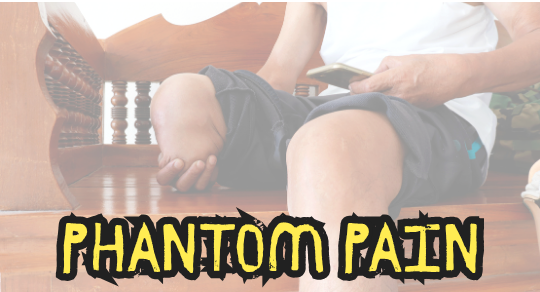
As an above-knee amputee, phantom pain is one of the most difficult parts of my journey to explain. It’s invisible. It’s unpredictable. And unless you’ve experienced it yourself, it’s almost impossible to fully understand. Yet for many amputees, it becomes a reality we learn to navigate every day.


On this episode of the BAWarrior Podcast, I pull back the curtain on phantom pain and share my personal experience living with it over the last several years. From the constant burning and tingling sensations that feel like a foot trapped in a vice grip, to the sudden stabbing pains that can stop me in my tracks, phantom pain has taught me more about resilience than I ever expected.


I talk openly about what these sensations feel like, how they can affect daily life, and the emotional toll they can take when they strike unexpectedly. I also share my experience undergoing a revision surgery and AMI procedure at Massachusetts General Hospital, where surgeons discovered a foreign object near my femur that had been contributing to years of severe pain.

While there is no universal solution for phantom pain, I’ve learned that understanding potential triggers can make a difference. Poor socket fit, overuse, nerve irritation, stress, and even life circumstances can all influence how our bodies respond. Through years of trial and error, I’ve discovered that managing phantom pain often requires a combination of strategies rather than a single fix.

Most importantly, I share the mindset tools that have helped me endure some of my hardest moments. Deep breathing, movement, distraction techniques, mindfulness, and refusing to give pain control over my identity have become powerful parts of my personal toolbox. While pain may be part of my story, it does not get to write the ending.


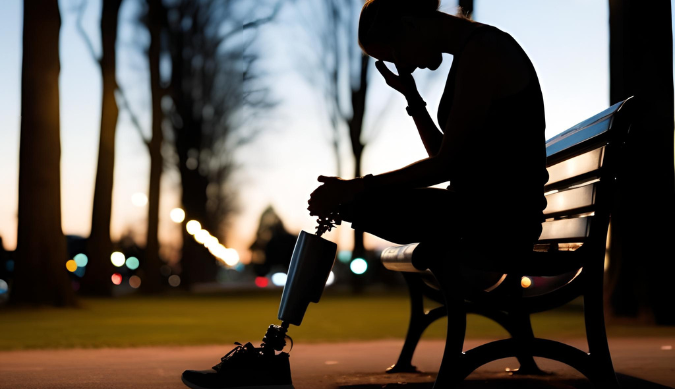
If you’re an amputee struggling with phantom pain, I want you to know something I wish someone had told me during my darkest moments: it will not last forever. The pain comes and goes. The valleys are real, but so are the mountaintops. You are stronger than you realize, and you do not have to walk this journey alone.

I believe healing is about more than physical recovery. It’s about learning how to keep moving forward, even when the road feels impossible.


Join the Movement

If this story resonates with you, I invite you to become part of our growing Warrior community. Subscribe to the BAWarrior Podcast, connect with us through Warrior Ground, join our conversations, and discover the strength that comes from walking alongside others who truly understand the journey.

Together, we heal. Together, we grow. Together, we rise.

Because being a warrior isn’t about never feeling pain—it’s about refusing to let pain define who you are.

You are strong, dear Warrior, and you are worthy.

Have a blessed week, and as always,

Be Healthy,

Be Happy,

Be YOU!!!


Much love,
 

Overcoming the Fear of Falling

Overcoming the Fear of Falling

Reclaiming Independence


What if the thing holding you back isn’t the possibility of falling, but the fear of what happens if you do?

As amputees, we talk a lot about mobility, prosthetics, and recovery. But there is one challenge that often doesn’t get enough attention: the fear of falling.

In this week’s episode of BAWarrior Podcast, I share my own experiences as an above-knee amputee and explore how fear can quietly limit our lives if we allow it to take control.

The truth is, for many of us, the fear of falling isn’t really about the fall itself. It’s about everything we think might happen afterward. We worry about losing confidence, losing independence, or proving our fears right. We wonder what other people will think if we stumble. We question whether we’re strong enough to keep going.


I’ve been an amputee for more than seven years, and I have fallen while learning new skills, while using my running blade, and while pushing myself beyond my comfort zone. Even today, there are moments when fear tries to creep in and convince me to play it safe.

But I’ve learned something important: the more we avoid challenges because we’re afraid of falling, the smaller our world becomes.

Fear doesn’t just stop us from taking a step. It can stop us from living.


Throughout this episode, I share how I learned to trust my prosthesis, build confidence through repetition, and move beyond the fear that so many new amputees experience. I discuss the importance of physical therapy, consistent practice, and creating safe opportunities to challenge yourself little by little. Confidence isn’t built overnight. It comes from showing up every day, taking one more step, and proving to yourself that you can do hard things.

One of the greatest lessons I’ve learned is that the best parts of life often exist on the other side of fear. Whether it was learning to run, trying adaptive sports, surfing for the first time, or simply trusting my body again after amputation, every meaningful milestone required me to face uncertainty and keep moving forward anyway.


If you’re struggling with fear—whether it’s fear of falling, fear of failure, fear of judgment, or fear of the unknown—I want you to know you’re not alone. Every amputee faces these challenges in some form. The key is not waiting until fear disappears. The key is taking action despite it.


This week’s Warrior Challenge is simple:

What fear is holding you back right now?

Identify it. Acknowledge it. Then take one small step toward facing it this week.

Remember, courage isn’t the absence of fear. It’s moving forward in spite of it.

You are stronger than you realize. Don’t stop before you give yourself the chance to prove it.

Keep moving forward, warriors.


And as always,

Be Healthy,

Be Happy,

Be YOU!!!


Much love,
 

The Warrior Movement Begins Here

The Warrior Movement Begins Here

Join the Warrior Effect-Get Involved Today


What if one story had the power to help someone walk again?

After seven powerful weeks of interviews during Limb Loss and Limb Difference Awareness Month, this episode of BAWarrior podcast becomes more than a reflection-it becomes a movement.

In this heartfelt finale to the “Survivors to Warriors” series, I take listeners back through the incredible stories shared throughout the past seven weeks. These were not just interviews about limb loss. They were deeply personal conversations about fear, trauma, cancer, grief, PTSD, faith, family, resilience, and the decision to keep moving forward when life changes forever.

From children facing amputation at a young age to young adults rebuilding their confidence and independence, every guest brought honesty and courage to the table. While each story was unique, one thing tied them all together: resilience. Warriors are not born-they are built through impossible moments, painful setbacks, and the daily choice to rise again.

As an above-knee amputee myself, I share openly about how some days I feel strong and empowered, while other days limb loss completely knocks me down. That reality is something many amputees understand deeply. But what inspired me most about these guests was watching people so young choose courage, faith, and perseverance despite everything they had faced.

This episode introduces what I call The Warrior Effect-the ripple effect created when one person’s story, kindness, or support helps change someone else’s life. When someone shares their story, another person feels less alone. When someone donates to organizations like Limbs For Humanity, another person gains the opportunity to walk again. When companies like Stride Robotics innovate and create more affordable, lightweight prosthetic technology, they help restore independence, dignity, and hope to amputees around the world.

Co-Founder, Randy West, of Limbs For Humanity with one of their youngest patients


Co-Founder and CEO, Revanth Damerla, Stride Robotics


Throughout this episode, I discuss why mobility is about far more than simply walking. Mobility impacts emotional health, confidence, mental well-being, freedom, and quality of life. I share the mission behind Limbs For Humanity and their efforts to provide prosthetic care and mobility to underserved communities globally. I also highlight the groundbreaking work Stride Robotics is doing to create lightweight, waterproof powered prosthetics designed with real amputees and real-world accessibility in mind.

But this episode is not meant to simply inspire listeners for a moment before moving on. It is a call to action.


The time to act is now!

I challenge listeners to become part of the movement by supporting the limb loss community in whatever way they can. Whether that means volunteering, fundraising, donating, becoming an ambassador, spreading awareness, investing in adaptive innovation, or simply listening and learning-everyone has a role to play.

I also introduce the new ambassador program for Limbs For Humanity, encouraging listeners across all fifty states to help spread awareness and become part of something bigger than themselves. This movement is not about competition between nonprofits or organizations. It is about collaboration, compassion, and filling the gaps for communities that are underserved and often forgotten.

*Become an Ambassador for Limbs For Humanity here

*Find ways to help bring nobility to those without access here

*Or check out how to become a part of the innovative side with Stride Robotics here

This powerful finale reminds listeners that healing and resilience grow stronger when people come together. The “Survivors to Warriors” series may be ending, but the mission is only beginning.

The Warrior Effect is real-and now it’s your turn to become part of it.

Have a beautifully, blessed week and as always,

Be Healthy,

Be Happy,

Be YOU!!!


Much love,


New Age Powered Prosthetics: A Leap Toward Real Mobility

New Age Powered Prosthetics: A Leap Toward Real Mobility

Stride Robotics Lightweight Power Knee Redefining Movement


This episode wrapped up Limb Loss and Limb Difference Awareness Month in a powerful way by looking toward the future of mobility, technology, and what it truly means to help people live again after limb loss.

After a month full of stories about trauma, cancer, amputation, grief, fear, faith, and resilience, I wanted to end this series by asking a bigger question: once someone survives, how do we help them truly reclaim their life?

That is why I invited Revanth, cofounder and CEO of Stride Robotics, onto the BAWarrior podcast. Stride Robotics is working to redefine mobility through lightweight powered prosthetic technology designed to restore strength, endurance, and freedom for amputees. I also have the honor of serving as an advisor for their company, helping give feedback from the lived experience of an above-knee amputee.


In this conversation, Revanth shared his journey from robotics and engineering into the prosthetic world. What stood out to me most was his honesty. He admitted that, early on, he was focused on building something impressive. But through conversations with amputees and prosthetists, he realized that innovation only matters if it solves a real human problem. That shift — from building something cool to building something truly useful — is where the heart of this conversation lived.

We talked about the communication gap between engineers, prosthetists, and amputees. All three groups are speaking from different perspectives, and yet all three must work together if prosthetic technology is going to improve real lives. As an amputee, I know firsthand that we do not always describe things in technical terms. We describe how something feels. We talk about trust, effort, fear, exhaustion, balance, and whether a device allows us to live the way we want to live.

One of the most powerful parts of this episode was our conversation around “mental load.” True mobility is not just about walking. It is about not having to think through every single step. It is being able to hike and look at the view instead of staring at the ground. It is walking into a room without calculating every movement. It is trusting your body and your prosthesis enough to live fully.

Revanth explained how Stride Robotics is working on a powered knee that is lighter, quieter, more affordable, and more functional than many powered options currently available. Their goal is to reduce strain on the hips, back, shoulders, and intact limb while helping amputees move with more confidence and less compensating. We talked about battery life, USB-C charging, fall prevention, waterproof possibilities, loaner programs, clinician support, and even future data feedback that could help prosthetists better understand how their patients are moving in real life.

But what I loved most was that this was never just a conversation about a device. It was about dignity. It was about access. It was about making sure technology does not only serve the few who can afford it, but eventually reaches amputees around the world who are desperate for mobility, independence, and hope.

This episode is also a call to action. Whether you are an amputee, prosthetist, engineer, student, investor, donor, or simply someone who cares, there is a place for you in this movement. Stride Robotics needs feedback, connection, research, support, and people willing to help move innovation forward.

Limb loss awareness cannot end with awareness. It has to move us into action. My hope is that this episode inspires you to get involved, ask better questions, support meaningful change, and become a beacon of hope for those still fighting to reclaim their mobility and their life.


Join the Movement. Bring dignity, independence, and mobility to all.

Today, that’s YOUR Call to Action, your charge from this month of story telling.

Be a part of the change, today! You can reach out to us:

Angie: BAWarrior360@gmail.com

Revanth: LinkedIn

Stride Robotics: LinkedIn

Stride Robotics: Website

Thank you for watching, sharing, and subscribing.

Let’s change lives, TOGETHER!

See you next week, and as always,

Be Healthy,

Be Happy,

Be YOU!!!


Much love,
 

When God Becomes Hope: A Teen’s Journey Through Loss and Healing

When God Becomes Hope: A Teen’s Journey Through Loss and Healing

Faith Fueled Resilience: Abri Bentley’s Story


There are moments in life when everything slows down just enough for you to hear what truly matters. This episode was one of those moments for me. As I sat across from Abri, I wasn’t just interviewing a guest-I was witnessing a living, breathing testimony of what it looks like to hold onto hope when everything else tries to take it away.

“Be joyful in hope, patient in affliction, faithful in prayer.” That verse from Romans 12:12 felt like it wrapped itself around this entire conversation. Because if there is anyone who embodies that kind of faith in motion, it’s Abri.


Abri’s first dance recital after amputation.

I first met Abri years ago, just after my own amputation. I was standing in a church parking lot on crutches, when I heard someone call my name. I turned to see a young girl—no older than nine—being carried over to me, full of light, full of joy, completely unshaken by the challenges she had already faced. In that moment, she didn’t just meet me… she steadied me. She spoke life into me without even realizing it. And I remember thinking, “If she can do this… I’m going to be okay.”

Fast forward to today, and that same young girl-now seventeen-is still walking through more than most people will ever understand. But what struck me the most during our conversation wasn’t just her strength. It was her honesty.


A young Abri battling cancer.

Abri didn’t sugarcoat the hard. She didn’t pretend that faith erases fear or pain. She spoke openly about the anger, the confusion, the loneliness. About the moments where her faith was shaken to its core. About isolating herself because fear felt safer than being seen. And yet… she didn’t stay there.

That’s the difference.

She made a choice-again and again-to lean back into God. Not perfectly. Not without questions. But with a willingness to trust, even when nothing made sense.


Laughter and sense of humor is so helpful amidst trials. Never lose your smile!

And what I see in her now is something even more powerful than the fearless little girl I first met. I see depth. I see resilience forged through pressure. I see a young woman who understands that faith isn’t about having all the answers-it’s about knowing where to turn when you don’t.

As we talked about what’s ahead for her-another amputation this summer, stepping into adulthood, reclaiming her voice in her own medical journey-I couldn’t help but feel in awe. Because she’s choosing courage in real time. She’s choosing hope in the middle of uncertainty. She’s choosing to believe that something good can still come from something incredibly hard.

And when I asked her what gets her through it all, her answer was simple, but profound: Jesus.

Not as a distant idea. Not as a checklist. But as a constant presence. A friend. A place to bring her anger, her fear, her questions—everything.

That kind of relationship… that kind of faith… it changes you.

It doesn’t mean the road gets easier. But it means you’re never walking it alone.

What Abri reminded me-and what I hope you take with you—is this: it’s okay to feel the hard things. It’s okay to be angry, to question, to struggle. But don’t stay there. Don’t build a home in that space.


Our reunion after several years of non-stop trials in Abri’s life.

Life is too short to live without hope.

And hope doesn’t come from the world—it comes from something deeper. Something steady. Something unshakable.

So if you’re in a season right now where everything feels heavy… where fear is loud… where you’re not sure how to take the next step… start small.

Find community. Find people who remind you of who you are when you forget. Open the door-even just a crack-to something bigger than yourself.

And maybe, just maybe… like Abri… you’ll begin to see that even in the pressure, even in the pain, something beautiful is being formed.

A warrior.

Be joyful in hope. Be patient in affliction. Be faithful in prayer. -Romans 12:12

Your story isn’t over.

And neither is the strength inside of you.

As always…

Be healthy,

Be happy,

Be YOU!!!


Much love,


From Diagnosis to Dig, Bridget’s Journey as a Teen Cancer Survivor

From Diagnosis to Dig, Bridget’s Journey as a Teen Cancer Survivor

A Daughter and Mother’s Story of Resilience


This week on BAWarrior Podcast, I had the absolute honor of sitting down with Bridget and her mom, Jamie, during Limb Loss and Limb Difference Awareness Month, and I can honestly say this conversation will stay with me for a long time. Bridget is only fourteen, but the strength, maturity, and perspective she carries are far beyond her years. From the moment we started talking, I could feel that this episode was going to be something special.


I first wanted people to meet Bridget for who she is today, not just through the lens of her diagnosis or her limb loss. She described herself as funny, athletic, and someone who tries to be outgoing, and I loved that. What stood out most to me was how clearly she wants the world to see that amputees are not limited. She wants people to understand that having limb loss does not mean your life becomes small. In her mind, amputees can still go after anything they want, and I think that message alone is powerful.


Bridget found her passion and purpose with volleyball. She made her high school volleyball team!


As we moved into her story, her mom Jamie helped fill in some of the earliest pieces. Bridget was only six years old when a soccer injury led to swelling in her leg, which quickly turned into tests, X-rays, an MRI, a biopsy, and the devastating news that no parent ever wants to hear: cancer. Jamie shared how ironic and heartbreaking it was that their family had already been deeply involved in raising money for St. Jude before ever realizing their own daughter would become a patient there. Within days, their whole world changed, and they moved to Memphis where Bridget underwent chemotherapy, a below-knee amputation, and months of treatment.

Listening to Jamie speak as a mother hit me deeply. She talked about the helplessness of watching your child suffer and not being able to take that pain away. As a mom, I felt every word of that. She described the trauma of treatment, the fear, the exhaustion, and the emotional weight of having to stay strong in the middle of the battle. And yet through all of it, Bridget kept moving forward.


Bridget’s strength was apparent almost immediately! She’s a fighter!


What amazed me most was that cancer and amputation were not the end of Bridget’s hardships. After treatment, she endured broken femurs, osteoporosis, growth plate complications, more surgeries, and more recovery. But even with all of that, she never seemed to settle into a mindset of defeat. Instead, she kept looking for the light. She kept believing there would be something better ahead.

For Bridget, that turning point came through sports. When she was able to get back into athletics, especially volleyball, it gave her life, purpose, and joy again. You could hear it in her voice. Sports helped her step out of survival mode and back into being a kid, an athlete, and a competitor. That part of her identity mattered, and it became a huge part of her healing.

One of my favorite moments in this episode was hearing about her determination on and off the court. She made her high school volleyball team, and even after her prosthetic blade cracked, she still found a way to keep going. Duct tape and all, she showed up. That story alone says so much about who she is. She is tough, gritty, and absolutely unwilling to let obstacles define her.

We also talked about her dream of making the U.S. Paralympic volleyball team, and I have no doubt she is on a beautiful path toward something incredible. She spoke about how meaningful it is to be in a space where her disability feels normalized, where she is not looked at as different, but as fully belonging. That really stayed with me.


USA Paralympic dreaming


What Bridget shared at the end was simple, but powerful: it gets better. Maybe not overnight, maybe not quickly, but there is always something better ahead. That kind of wisdom from someone so young is exactly why this month’s Survivors to Warriors series matters so much.

This episode reminded me that warriors do not always look loud or dramatic. Sometimes they look like a fourteen-year-old girl with quiet strength, relentless hope, and the courage to keep going. Bridget is absolutely one of them.


Make sure to join us on YouTube, HERE , or your favorite streaming platform for Bridget’s story and for several more Limb Loss Awareness month interviews of Survivors to Warriors. Like, Share, Subscribe today!!!


Have a beautifully, blessed week and remember what a warrior you are!

And as always,

Be Healthy,

Be Happy,

Be YOU!!!


Much love,


Brokenness to Masterpiece

Brokenness to Masterpiece

The Canvas of Courage


What if the very thing you’ve been trying to hide… is actually the most beautiful part of your story?

This week on the BAWarrior Podcast, I found myself sitting in reflection after a weekend of rest, sunshine, and quiet moments here in Arizona. As spring starts to show up and life begins to feel a little lighter, I couldn’t help but think about something deeper, the parts of ourselves we often try to cover up. The broken pieces. The scars. The moments we wish never happened.
The Beauty in the Cracks

And I asked myself, and now I’m asking you, what if that brokenness isn’t something to fix or hide… but something to honor?

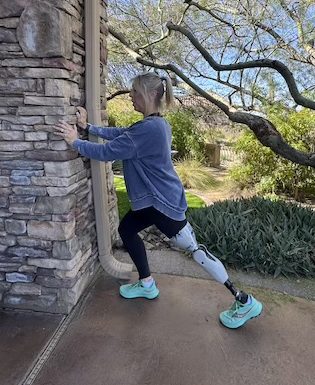
As an above-knee amputee, my brokenness is visible. It’s physical. But what people don’t always see is the emotional journey that comes with it. The uncertainty, the identity shifts, the moments of feeling completely lost. Even though my amputation was a choice after years of surgeries, I still didn’t know what the outcome of my life would look like. I didn’t know who I would become on the other side of that decision.

It felt like my life had been rerouted-like I was on one track, moving forward with a plan, and suddenly everything shifted. A new direction. A new identity. A new path I didn’t ask for.

But here’s what I’ve come to realize: that “mess”… that disruption… that brokenness… it became my canvas.

This week at church, I heard a phrase that stopped me in my tracks: the mess becomes the masterpiece. And I felt that deeply. Because there have been so many moments over the past seven years where I felt like an absolute mess. Not put together. Not polished. Not “figured out.”

But what if we’re not supposed to be?

What if the process; the struggle, the rebuilding, the redefining, is actually where the beauty is created?

So often, society tells us to fix what’s broken. Heal quickly. Move on. Or if we can’t fix it, hide it. Cover it up so no one sees. But I want to challenge that. Because those scars, those cracks, they tell a story. They show where you’ve been, what you’ve survived, and who you’ve become.


Honoring my scars, not hiding them


And I don’t see mine as something to hide anymore.

Every scar on my body represents a battle I fought and didn’t quit. Every challenge I’ve faced has shaped me into who I am today. I am still here. Still moving. Still growing. And that, to me, is something to be proud of.

Next month, as we move into Limb Loss and Limb Difference Awareness Month, I’ll be sharing more stories, because I believe so strongly in the power of storytelling. Every single person in this community has a story. And while they may look similar on the surface, the strength, the resilience, the warrior spirit behind each one is completely unique.

That’s why I named this podcast BAWarrior. Because I truly believe that’s what we are.

But being a warrior doesn’t mean life is easy. It means we fight. Daily. Sometimes hourly. We rise, even when the waves crash over us and try to pull us under. We find a way forward, even when it feels impossible.

And every one of those battles… every one of those cracks… becomes part of the masterpiece.

There’s a beautiful form of art, Kintsugi- a Japanese art that repairs broken pieces of pottery with gold! It symbolizes resilience, embracing imperfections, and the beauty of a repaired life. The cracks aren’t hidden. They’re highlighted. Honored. And in the end, the piece becomes even more beautiful because of where it was broken.


That’s us.

We are not less because of what we’ve been through. We are more.

So if you’re sitting here today feeling like a mess—good. That means something is being created. That means you’re in the middle of the process. And masterpieces take time. They aren’t rushed. They’re layered. Built stroke by stroke, day by day.

And here’s something I’ve learned along the way—when we take the focus off ourselves and begin lifting others up, something shifts. There’s healing in that. There’s purpose in that. When you help someone else rise, you rise too.


So this week, I want to give you something practical.

Name your cracks. What is your brokenness? Write it down. Then ask yourself—what meaning have I been giving this? And how can I rewrite that meaning?

And then—use it.

Use your story to help someone else feel less alone. Share it. Speak it. Own it. Because when you do, you’re not just healing yourself—you’re becoming a light for someone else who might be struggling in silence.

Stop covering your cracks.

Start honoring them.

Stand a little taller in your story. Smile when people look your way. Let curiosity open doors for connection. You are not something to hide—you are someone who has overcome.

And if you’re a woman walking this amputee journey and you’re looking for a place to grow, to be seen, and to be supported, I invite you to join our Amped Women virtual chats on Wednesdays. You don’t have to do this alone.

Because here’s the truth—I am still in the mess. Every day isn’t perfect. Every day isn’t easy. But I’m choosing to honor it. I’m choosing to trust that something beautiful is being created.

And I want that for you too.

You are not broken.

You are becoming.

You are a warrior.

And your masterpiece is still being written.

So chin up, rise up, warriors…

And as always,

Be Healthy,

Be Happy,

Be YOU!!!!

Much love,