Month: December 2025

Self-Preservation

Self-Preservation

Knowing Your Limits: When to Hold and When to Push Onward


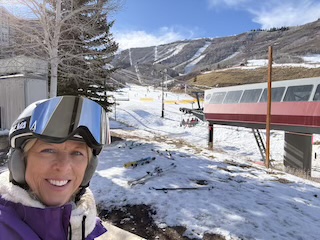
I’m recording this episode from a place that looks very different than my usual setup. We’re away on a family getaway that was supposed to be a snowy ski vacation, but when I look outside, all I see are brown mountains and sunshine. Not exactly the winter wonderland we imagined. Still, we’re here, together, enjoying the time, and as the year winds down and the holidays rush in, I felt like this was the perfect moment to pause and share something that’s been sitting heavy—and meaningful—on my heart.

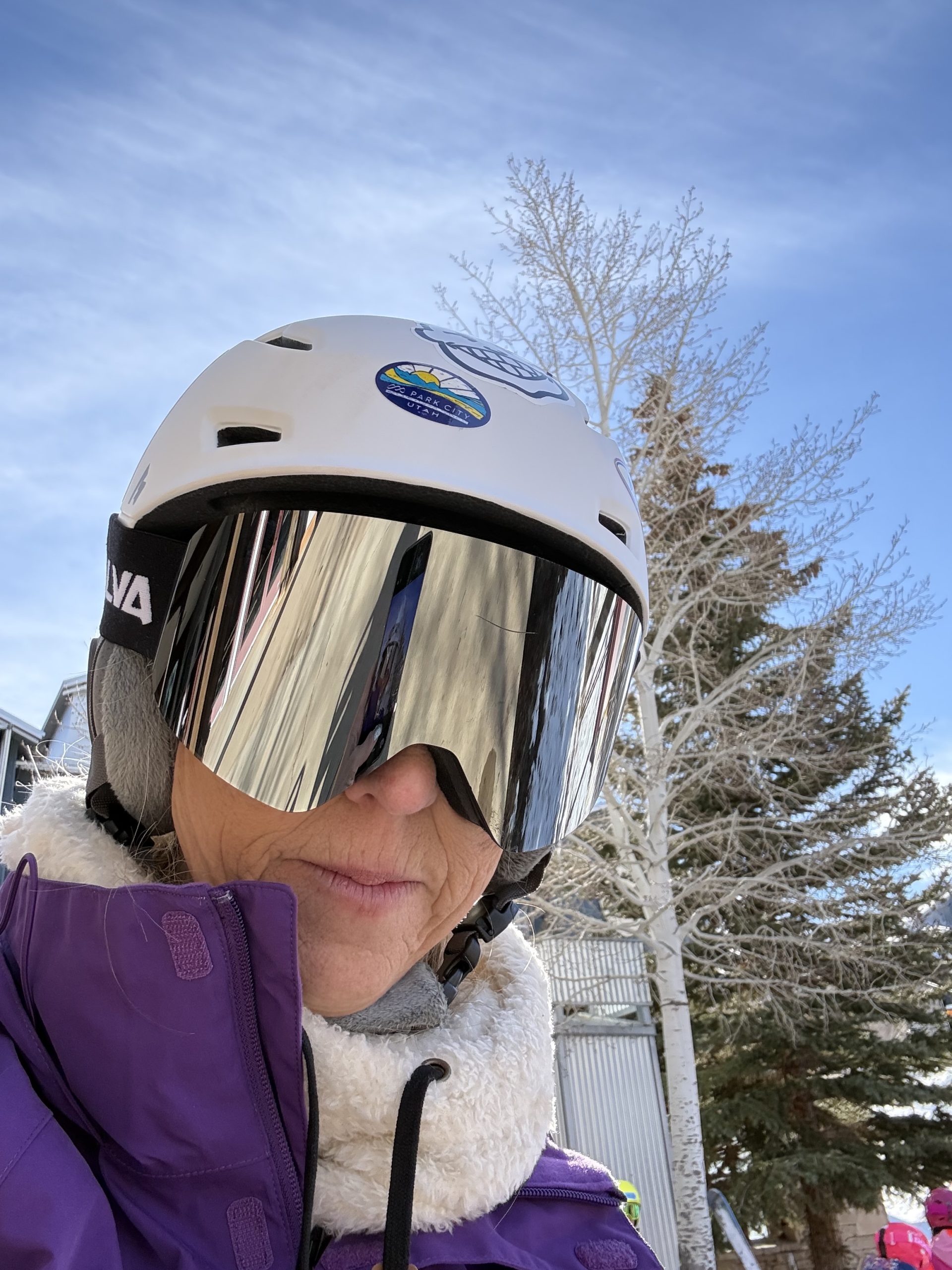
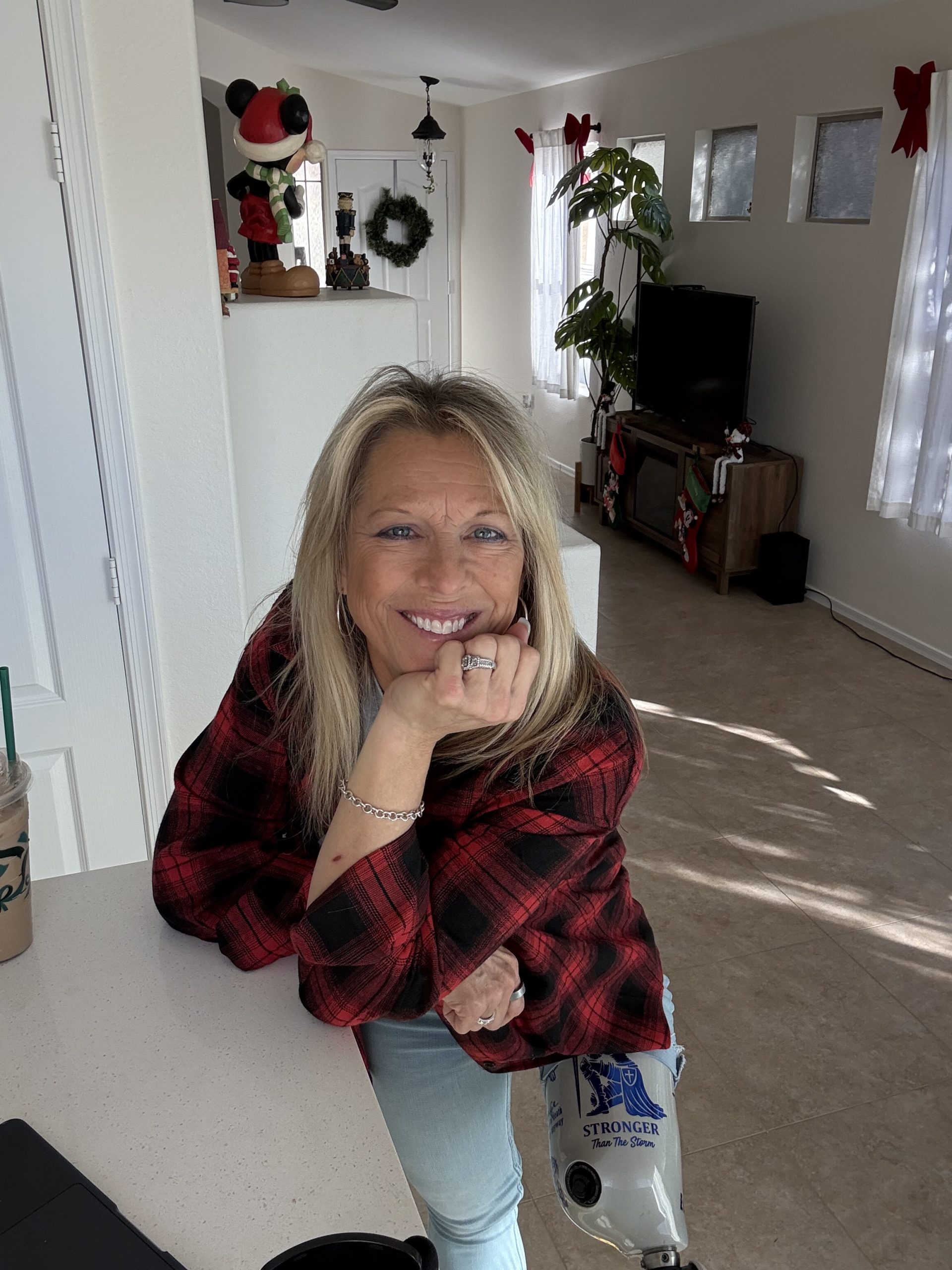
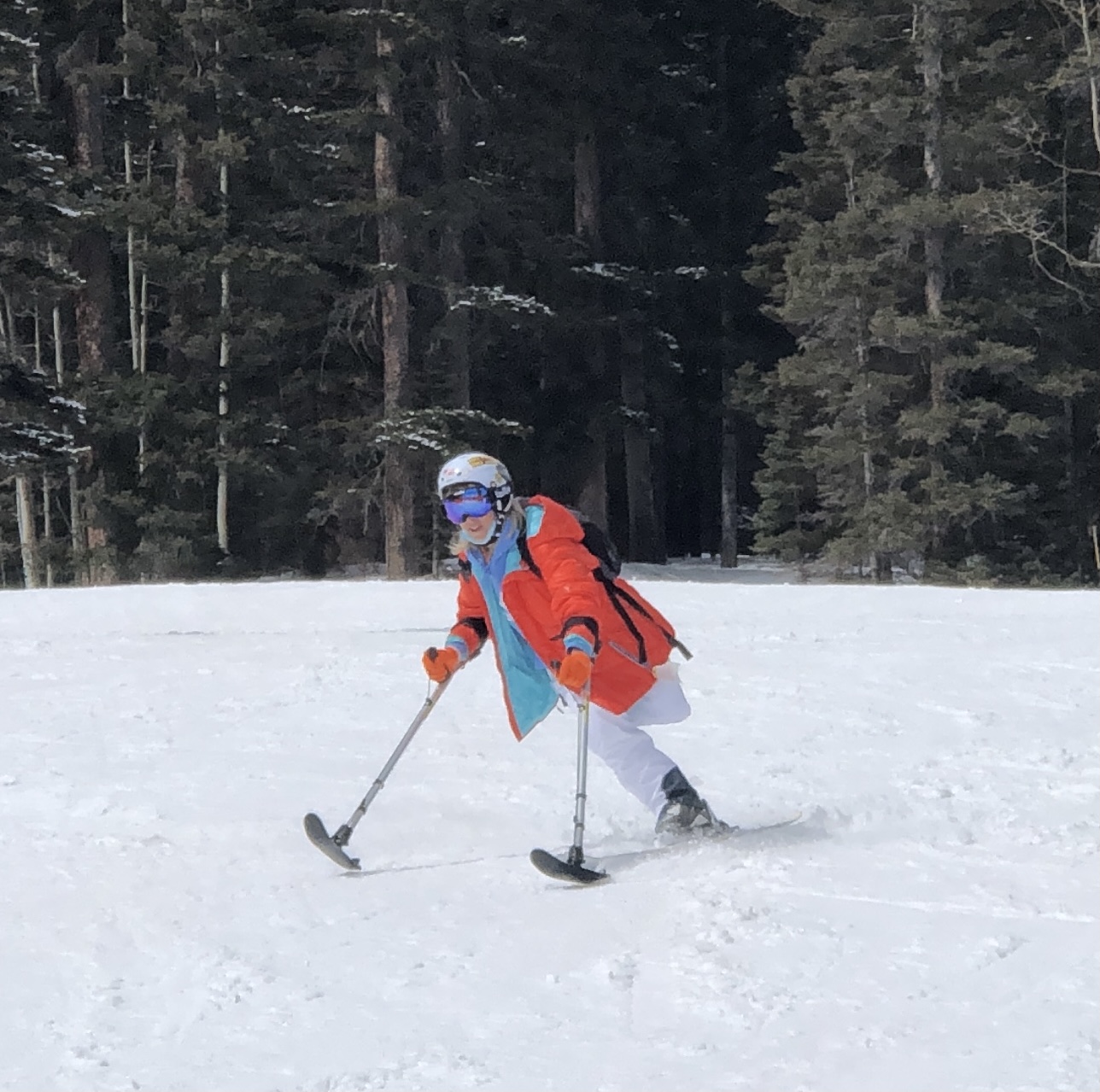
As you know, I tend to share lessons I’m actively learning myself, and this week’s lesson came straight from the ski slopes. I ski as an amputee. I ski on one leg, using outriggers, and while it looks empowering and inspiring in photos and videos, the truth is that it is anything but easy. Every single time I clip in, no matter how long I’ve been doing this, I still get butterflies. I still hope my body will hold up. I still pray for the best outcome and for enough strength to get me down the mountain safely.

I’ve always been someone who pushes hard. When I lost my leg in December of 2018, I got my first prosthetic in late March and barely had time to adjust before we were headed on a family ski trip in April. I had planned to sit on the sidelines, but I told my husband early on that I wanted to try skiing as an amputee. That trip was my first time learning to ski as a three-tracker—one ski on my sound leg and two outriggers with tiny skis on the ends. It was intense. It demanded everything from my good leg, my core, my upper body, and my mental focus.


Fast forward to now, and while I have more experience, I also have more wisdom. Yesterday, I went out for my first run of this trip, and it was a long one. I chose a blue run instead of the easier option, and I pushed myself hard. I made it down without falling, and I was proud of that—but my body was absolutely fried. My quad, calf, foot arch, hands, and shoulders were screaming. My grip on the outriggers was barely there, and I knew that if I went again, fatigue could turn into injury.

The old version of me—five or six years ago—would have pushed through anyway. I would have ignored the warning signs and kept going. But yesterday, something different happened. I looked at my husband and said, “I’m done. I want to end on a high note.” And that was enough. Self-preservation won, and for the first time in a long time, I listened to my body without guilt.


That decision mattered more than I realized in the moment. Because what I’m learning—and what I want you to hear—is that your best in this moment doesn’t have to be your best ever. Your best is enough when it honors where you are right now. Strength isn’t always pushing harder. Sometimes strength is knowing when to stop.

As amputees, our bodies are constantly negotiating limits. When you rely on one good leg, you have to be mindful of how far you push before fatigue compromises safety. Yesterday, my head wanted more, but my body was very clear: this was enough. And instead of feeling defeated, I chose to feel proud.

What you don’t see in highlight videos is the pain, the fear, the intense focus it takes to stay upright and in control. You don’t see the internal battle between wanting to prove yourself and needing to protect yourself. And that’s something I think so many of us struggle with—especially when we compare ourselves to others or even to past versions of ourselves.

This year, I’m not the same person I was last spring when I was in great shape, hitting the gym, and doing one-legged squats. I had revision surgery this summer. I’ve been learning a new socket, adapting to a new prosthetic, and giving my body time to heal. That meant less time training and more time resting. And while rest came at the cost of muscle mass and endurance, it also gave me other gifts—healing, reflection, time at home, time with my animals, and space to process everything my body has been through.

We are not static beings. Even with the same injury, we are different depending on the season of life we’re in. And during the holidays especially, it’s easy to beat yourself up for not doing “enough.” But the truth is, everyone’s circumstances are different. Some of you can’t get to the gym. Some of you are waiting on a fitting, a surgery, or relief from pain. Some days, just breathing is the win—and that is okay.


I know amputees who avoid connecting with others because they feel like they’re falling short. My message to you is this: do what you can with what you have, where you are. Comparison steals joy and progress. The valley you’re in right now does not dictate the rest of your life.

If you’re disappointed in yourself because you know you can do more and you’re choosing not to, then have that honest conversation with yourself and start shifting your mindset. Change the internal dialogue. Set goals. Dream again. But if you’re in a season of healing, pain, or waiting, give yourself grace. This moment is not permanent.

Yesterday, I skied one run—and that one run was enough. I walked away proud, safe, and encouraged instead of broken down and discouraged. Tomorrow, I’ll go out again with confidence and clarity. And when spring comes, I know exactly what I need to do to be stronger.

Being an amputee is hard. Some days are brutal. But you are not failing because you rest, and you are not weak because you pause. Be proud of where you are. Be proud of your scars. Know that you are doing the best you can with the situation you’ve been given—and that is enough.

This season will pass. Keep moving forward. Keep honoring your body. And remember, the warrior within you doesn’t disappear when you slow down—it grows wiser.

I hope you have a beautiful holiday season. And I’ll be back again soon before this year comes to a close.

And as always,

Be Healthy,

Be Happy,

Be YOU!!!

Much love,

 

The Gift of Being Present

The Gift of Being Present

Finding Purpose and Joy In This Season


We’re deep into December, and the Christmas spirit is everywhere—homes decorated with lights, the smell of cookies, gatherings, endless lists of to-dos. This time of year is magical, but it’s also overwhelming. We often rush from task to task, trying to make everything perfect, and before we know it, Christmas comes and goes in a blur. Every year, I remind myself: Be present. Really be in the moment. And yet, like so many of us, I still catch myself speeding through the season, missing the beauty right in front of me.

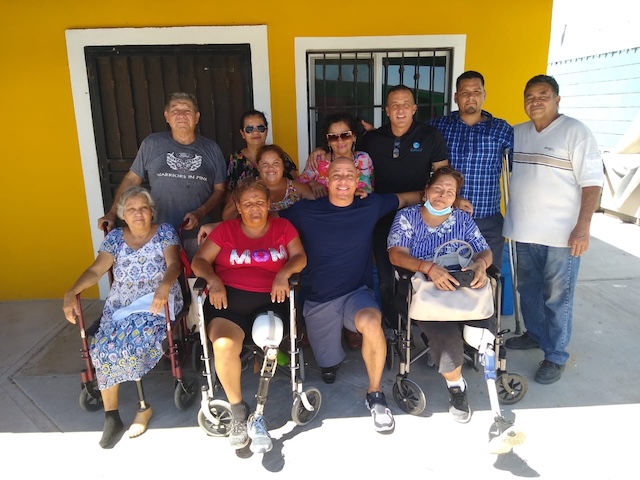
Last week, I shared about Limbs for Humanity, an incredible organization heading to Rocky Point Medical Clinic with 53 prosthetics—most of them above-knee—for 49 people, including a few bilateral amputees. They work tirelessly and always need help, whether through donations, volunteering, or supplying prosthetic parts. I encourage anyone listening to learn more, especially during this season of giving, because providing someone the gift of mobility is life-changing—not just for them, but for everyone around them.


Some recepients of the generosity of Limbs For Humanity


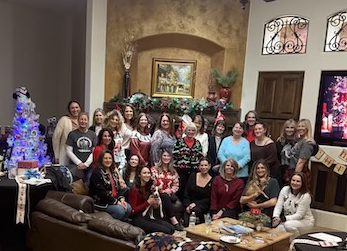
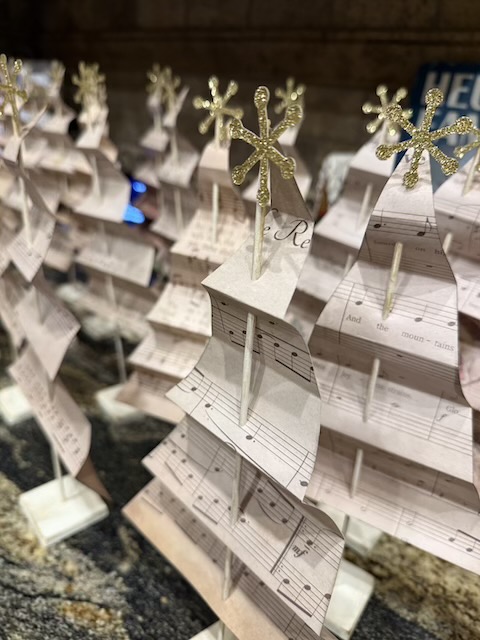
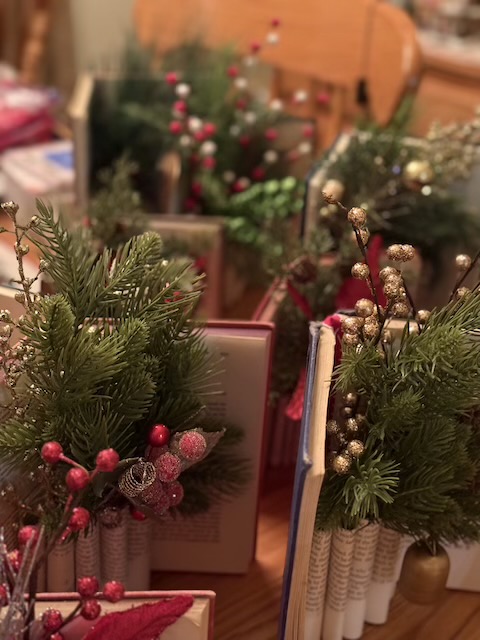
But today’s episode shifts from giving in a material way to giving with your presence. And this message hit me hard after hosting my annual Christmas cookie exchange. Every year I throw two big gatherings—one for Halloween, which I love, and one for the holidays with my cookie exchange. This year my home was filled with gorgeous faces, familiar laughter, new friends I hadn’t seen in years, women who traveled across town because they wanted to be part of something meaningful and joyful. I spent days creating handmade crafts—because I love creating in bulk and making unique gifts for people—but what filled my soul wasn’t the crafts, or the cookies, or the decorations. It was the simple act of seeing people show up.


Friends and the Power of Connections

Making gifts brings me joy and keeps me active and positive on harder days


There’s something incredibly powerful about people choosing to be present, especially during one of the busiest months of the year. And that’s when it clicked for me: as much as we talk about being present during the holidays, it’s the very thing we often lose our grip on the fastest.

Being present doesn’t erase the pain, struggles, or discomfort—especially for amputees. As amputees, we know there’s rarely a day when something in our body isn’t weird, uncomfortable, painful, or frustrating. Phantom pain hits out of nowhere. The socket might feel too tight, too loose, too heavy, too something. Sometimes sitting on the couch at night feels uncomfortable. Sometimes the good leg takes a beating and we’re reminded of how much pressure it carries. Pain is real, and it can take center stage quickly.

But being present doesn’t mean focusing on the pain of the moment—it means choosing what part of the moment gets your attention.

Yes, we can distract ourselves. I do it all the time: I hit the gym, work on crafts, visit my horses, pour myself into hobbies, or push through discomfort because I refuse to let it control me. But there’s a difference between distraction and presence. Distraction removes us from the moment; presence anchors us in it.

Presence says: Yes, I hurt—but I’m still here. Yes, this is hard—but there is beauty in this moment too.


And this is where so many amputees get stuck. We become hyper-aware of how we feel… constantly. How does this feel now? What about now? Is this getting worse? Is this going to ruin the day? We begin measuring moments by levels of pain rather than levels of joy. And that traps us in waiting mode—waiting for a better moment instead of living the one we’re in.

But the present is a gift—that’s why it’s called the present. We are not guaranteed tomorrow. We are not even guaranteed the next hour. What we do have is right now. And as long as we have breath in our lungs, we have purpose.

Standing in my son’s house reminded me of that purpose. I could have been home completing my own tasks or sticking to my routine. Instead, I was called to be here, helping my son and daughter-in-law get their home set up, making their day easier, giving them peace of mind. That, in itself, was a gift—to them, and honestly, to me. Being present for the people we love is one of the simplest and most profound ways to live with meaning.

And presence doesn’t only apply to amputee life—it applies to every human being. Some of us are grieving this holiday season. Some of us have lost loved ones. Some are struggling emotionally, financially, physically, or spiritually. Pain doesn’t discriminate. But presence invites us to look up from our pain, anxiety, and fear and notice the good that still surrounds us.

Because even if your situation feels grim, you cannot tell me there is nothing good in your life worth living for. There is always something: someone who loves you, someone you can help, something you can create, something you can smile about, someone who needs your presence.

This weekend showed me how deeply blessed I am. The hugging, the laughter, the conversations over food and wine—it reminded me that becoming an amputee wasn’t a curse. In many ways, it awakened the warrior within me. It gave me new eyes, a wider heart, and a deeper understanding of what truly matters.

And that’s what I want for anyone struggling today. You might feel broken. You might feel alone. You might feel overwhelmed. Maybe this is the first Christmas without someone you love. Maybe the pain feels louder than the joy. Maybe your spirit feels tired.

But listen closely:

You woke up today.

You have breath in your lungs.

You have purpose.

You have power.

You have the ability to make someone’s day better.

And that means you have the ability to change your own.


Your call to action this week is simple and profound:

Do something positive for someone else.

Hold a door.

Smile at a stranger.

Bake cookies for a neighbor.

Call a friend.

Visit someone who’s struggling.

Offer kindness wherever you go.

Because when you do something for others, you fill your own bucket. You lift yourself by lifting others. You step out of your own pain and into purpose. And you never know whose life you might touch—or how deeply they might need exactly what only you can offer.

So as we enter this holiday season—and as we prepare to step into a new year—remember this:

The present is a gift.

You are a gift.

Your life is a gift.

And the world needs what only you can bring.

Be present.

Be joyful.

Be intentional.

Be a warrior.

And above all—live for the moment!


Have a beautifully “present” week this week and as always,

Be Healthy,

Be Happy,

Be YOU!!!


Much love,
 

The Priceless Gift of Mobility

The Priceless Gift of Mobility


Helping Those in Need


December is finally here, and with it comes the beautiful chaos of the holiday season. In my house, it’s full-blown hysteria—parties, travel, gifts, deadlines, and the constant juggling act that December always brings. But this particular week holds special meaning because it’s Giving Tuesday, and today’s episode carries a message that sits deeply in my heart: the power, privilege, and pricelessness of mobility.

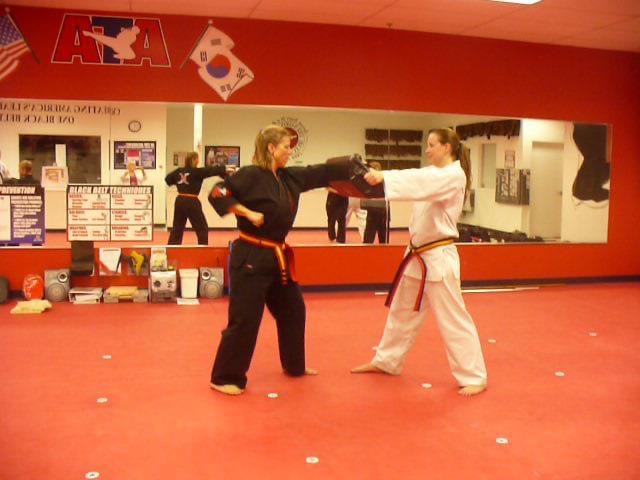
If you’re listening for the first time, I’m an above-knee amputee. My amputation took place in December of 2018 after a five-year stretch of pain, surgeries, limited mobility, and a profound loss of the life I once lived. Back in 2013, a taekwondo injury started a domino effect of setbacks—ten surgeries with ten different surgeons, countless appointments, and a knee that eventually functioned at only a twenty-degree range of motion. I couldn’t bend my leg normally, and I couldn’t straighten it either. Each step felt like walking on different-length legs, which wrecked my back, my neck, and my spirit.


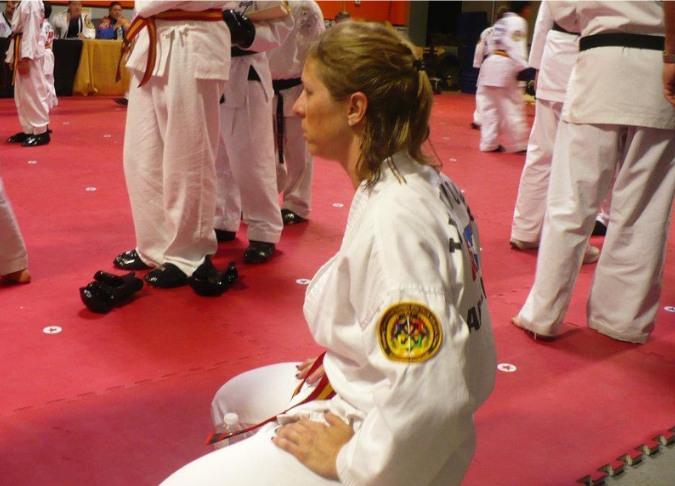
Me, pre-amputation in TaeKwonDo


For five and a half years, I listened to doctors tell me to slow down, ice, elevate, rest, repeat—and none of it worked. Some doctors refused to even see me because my case was too complicated. Some barely looked at me during appointments. One told me that if I amputated, I’d never walk again. I was stuck, physically and emotionally, and I spent so many days crying in the shower, wondering how my entire life had been derailed. I missed out on years of skiing with my young boys. I gained sixty pounds. I feared I might never live actively again.


Getting back to skiing with my family was life changing!


Choosing amputation was my turning point. It was choosing life over fear. And once I connected with my prosthetist team and physical therapists, that hope grew into freedom. They guided me before and after surgery, walked me through what to expect, taught me patience, and helped me understand that amputees go through years of limb changes. In fact, it took me over three years and sixteen sockets before I finally had one that fit consistently. But each step, each adjustment, each hard moment, was worth every ounce of effort.


Day 1 Post-amputation


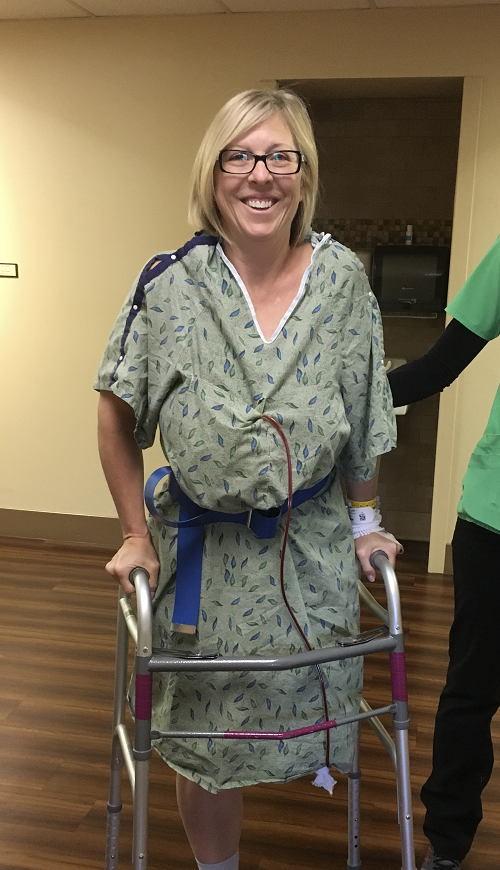
My 1st check socket!


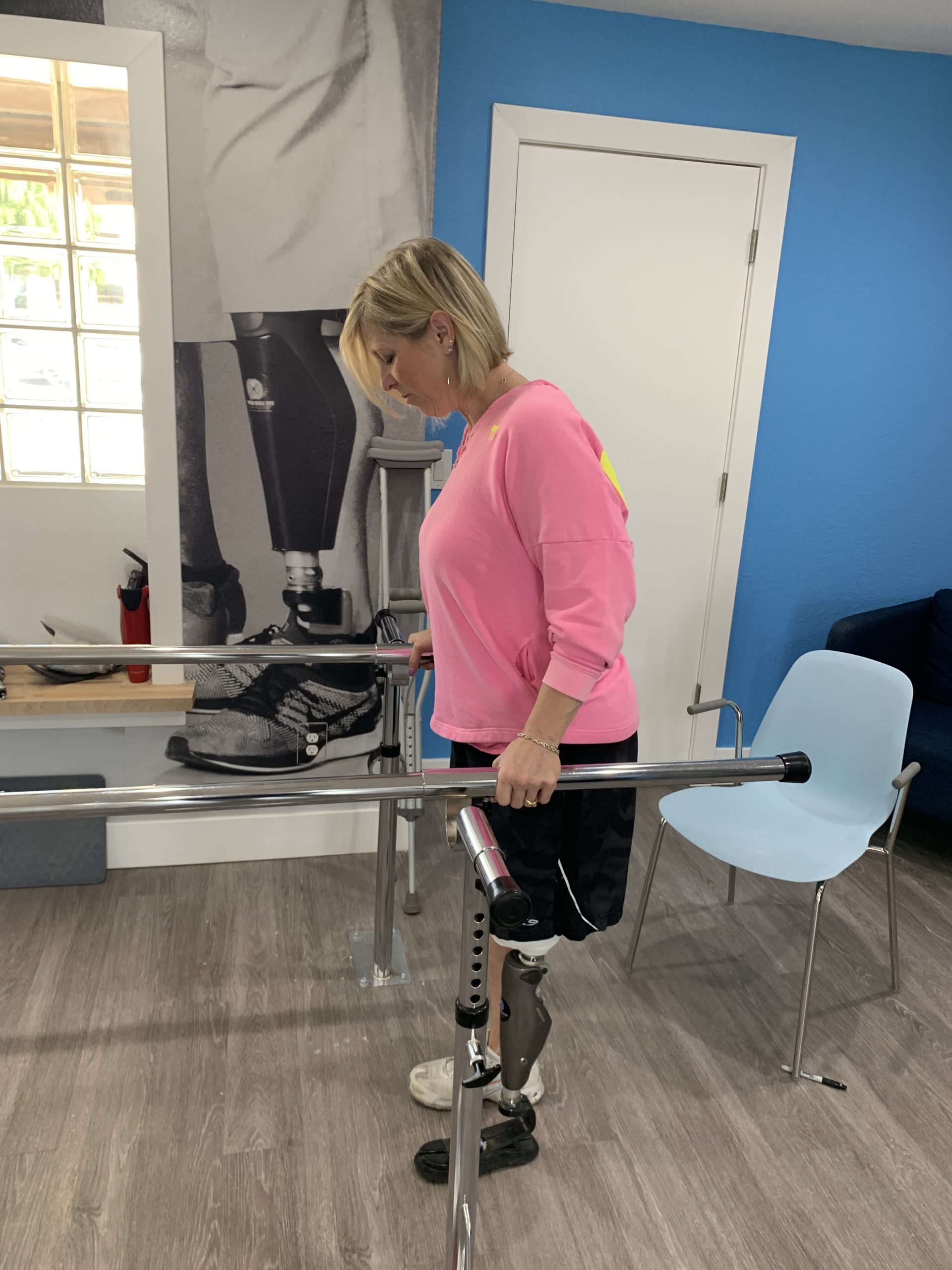
The first time I stood and walked on my prosthetic, everything changed for me. Mobility wasn’t just movement—it was identity, joy, independence, and belonging. My life wasn’t over. It was just beginning in a different form.

And that brings me to why this episode matters so much.

I’m on the board of Limbs for Humanity, a nonprofit founded by my two prosthetists who felt called to bring mobility to underserved communities—places with no prosthetic care and people who cannot afford the basic devices required to walk. They partner with the medical clinic in Rocky Point, Mexico, a place without any prosthetic specialists, and every time they go, 40–60 amputees show up—many who have crutched miles just to be seen.

This December, they’re returning to Rocky Point with 53 prosthetic legs, ready to restore mobility to 49 individuals, including bilateral amputees and several children. Most of these legs require expensive components: knees, ankles, feet—parts that often cost tens of thousands of dollars. My own prosthetic runs between $60,000 and $75,000. But these men give their time, skills, and hearts to fabricate sockets, assemble devices, fit patients, and teach them to walk again.


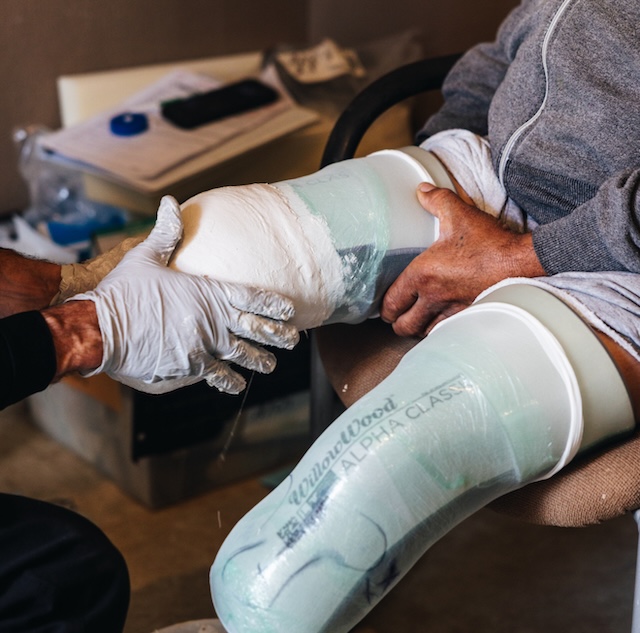
A special individual getting fitted for their new sockets- Bi-lateral amputee


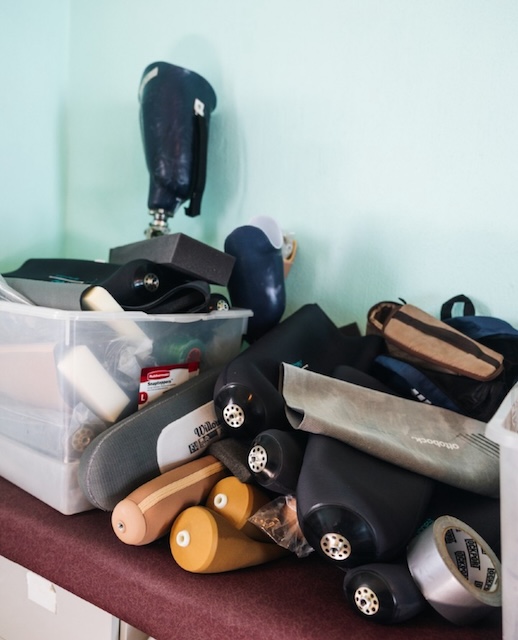
The many parts Limbs For Humanity use and are in need of to service all of their patients


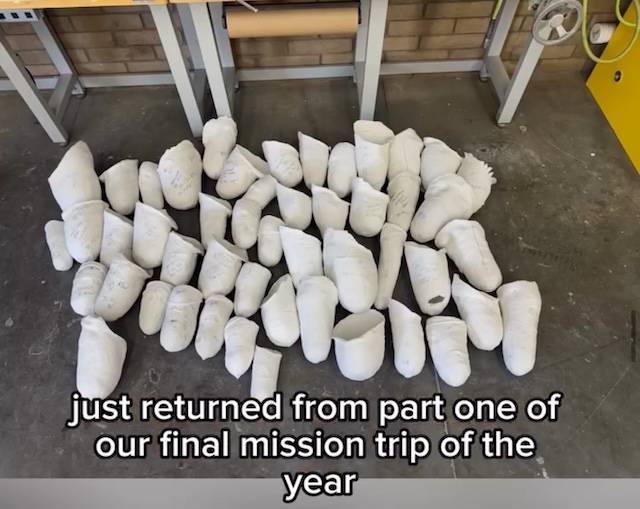
That’s a lot of socket casts! These are brought home to create the sockets for each individual


Each socket takes 4–5 hours to create, and every leg is custom. And these individuals aren’t seeking mobility for recreation or convenience—they want to walk so they can work, provide for their families, and reclaim their dignity.

This is the priceless gift of mobility.

And this year, Limbs for Humanity is facing a $50,000 deficit as they prepare for their December trip. They need financial donations, corporate matches, monthly donors, and sponsors willing to give the gift that can change a life forever. But financial support isn’t the only need. They also accept:


  • Donated prosthetic parts (knees, feet, ankles, liners)
  • Volunteer time
  • Physical therapists willing to join trips
  • Students in biomedical or engineering fields
  • Anyone who wants to serve hands-on


For children especially, the need is ongoing. Kids who lose limbs not only experience limb changes from surgery—they continue to grow. That means new sockets again and again, sometimes every few months. Mobility for these kids is more than convenience—it’s childhood itself. Running, playing, participating, belonging.

This Giving Tuesday, I’m asking from the bottom of my heart: please help. Whether it’s financial, material, or volunteering, every bit matters. You can visit limbsforhumanity.org, donate, offer your skills, or simply reach out and ask how you can serve. The waitlist grows constantly. The need never stops.

If you’ve been blessed this year, consider blessing someone else in the most profound, tangible way possible. Someone out there is praying for the chance to walk, to work, to feel whole again. You can be part of answering that prayer.

And if you’re listening today while navigating your own holiday emotions—if you’re missing someone, grieving something, or carrying heaviness—please know that I see you. The holidays are beautiful, but they’re not easy for everyone. My prayers are with you, and I hope you feel surrounded by light, comfort, and peace in whatever way you celebrate.

As we close out this episode, I invite you to join me in making dreams come true for 49 individuals waiting for mobility this December. Let’s do something big, something meaningful, something life-changing.

Because mobility isn’t just movement—it’s freedom, dignity, purpose, and hope.

Until next time—and as always—

Be Healthy,

Be Happy,

Be YOU!!

Much love,